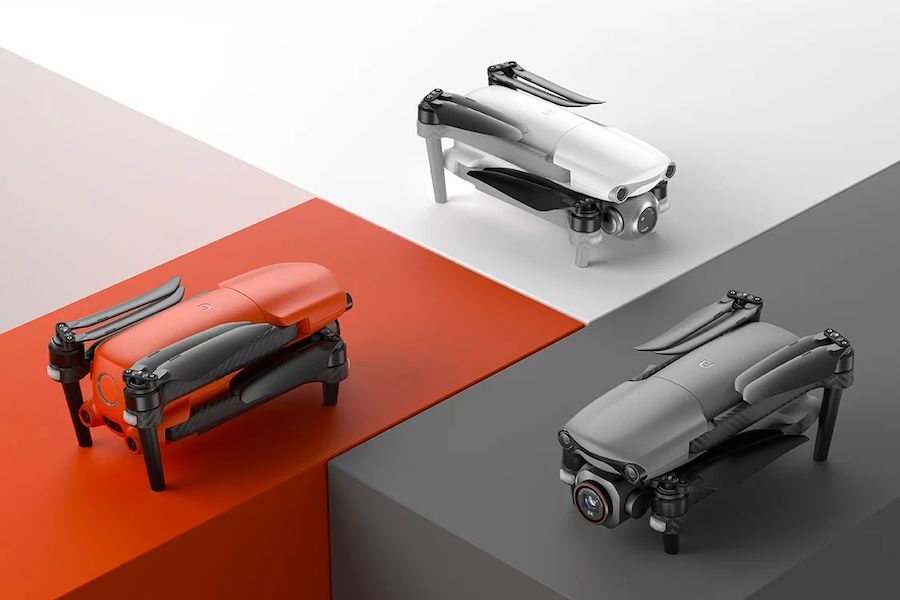
Autel EVO Lite+ review: the DJI Mavic rival that out-flies it on the spec that matters
Forty minutes in the air from a drone that weighs less than a bag of sugar — that is the number Autel hung its whole pitch on when Wired reviewed the EVO Lite+ in 2022, and it is still the number that makes DJI look beatable. The Lite+ landed in China in late 2021 and went global in early 2022, aimed squarely at the Mavic Air 2 and Air 2S, and for once a “DJI rival” wasn’t just bravado. On the spec sheet it genuinely out-flies the drone most British hobby pilots already own.
So why isn’t every UK flyer holding one? That is the more honest question, and the answer — part hardware, part the messy reality of living outside DJI’s ecosystem — is where this gets interesting. What follows leans on Autel’s published specs, the independent testing from Wired and PCMag that has held up since launch, and what owners have reported in the years since — weighed against the DJI line it’s chasing.
The camera is the headline, and it earns it (EVO Lite+)
The Lite+ carries a 1-inch CMOS sensor shooting 20MP stills and 6K/30p video, with a variable aperture running from f/2.8 all the way to f/11. That last detail matters more than the megapixel count. A variable aperture is what lets you fly on a bright British afternoon without bolting on a fistful of ND filters — you stop the lens down, keep your shutter sane, and your footage stops looking like a strobing slideshow. And here is the part the spec-sheet skim misses: DJI fixed the aperture at f/2.8 on the cheaper Air 2S, reserving the adjustable iris for the older Mavic 2 Pro and the pricier Mavic 3. So this isn’t Autel matching DJI — on the drone it’s directly chasing, the variable aperture is a genuine Autel advantage.
For the work most readers actually do — coastal landscapes, property exteriors, a bit of paid social content — that 1-inch chip is the line between “phone-with-propellers” and something you’d hand a client without wincing. Smaller half-inch and 1/2.3-inch sensors fall apart the moment the British light goes flat and grey, which it does for roughly nine months of the year. The Lite+ sits firmly on the right side of that line, and the 6K capture gives you the crop-and-reframe headroom that a 4K rival simply doesn’t, which is what you want when you’re delivering a finished edit rather than holiday footage.
Flight time: the spec that wins the argument
Autel quotes a maximum of 40 minutes, with a realistic hover around 35. Independent testing tells the truer story: PCMag clocked 34 minutes in windy conditions, which is the figure I’d actually plan a shoot around. Even derated like that, it comfortably beats the Air 2S and its 31-minute ceiling — and 31 minutes is itself a best-case lab number, so in the same Pennine gust you’re realistically comparing a 34-minute Autel to a mid-20s DJI.
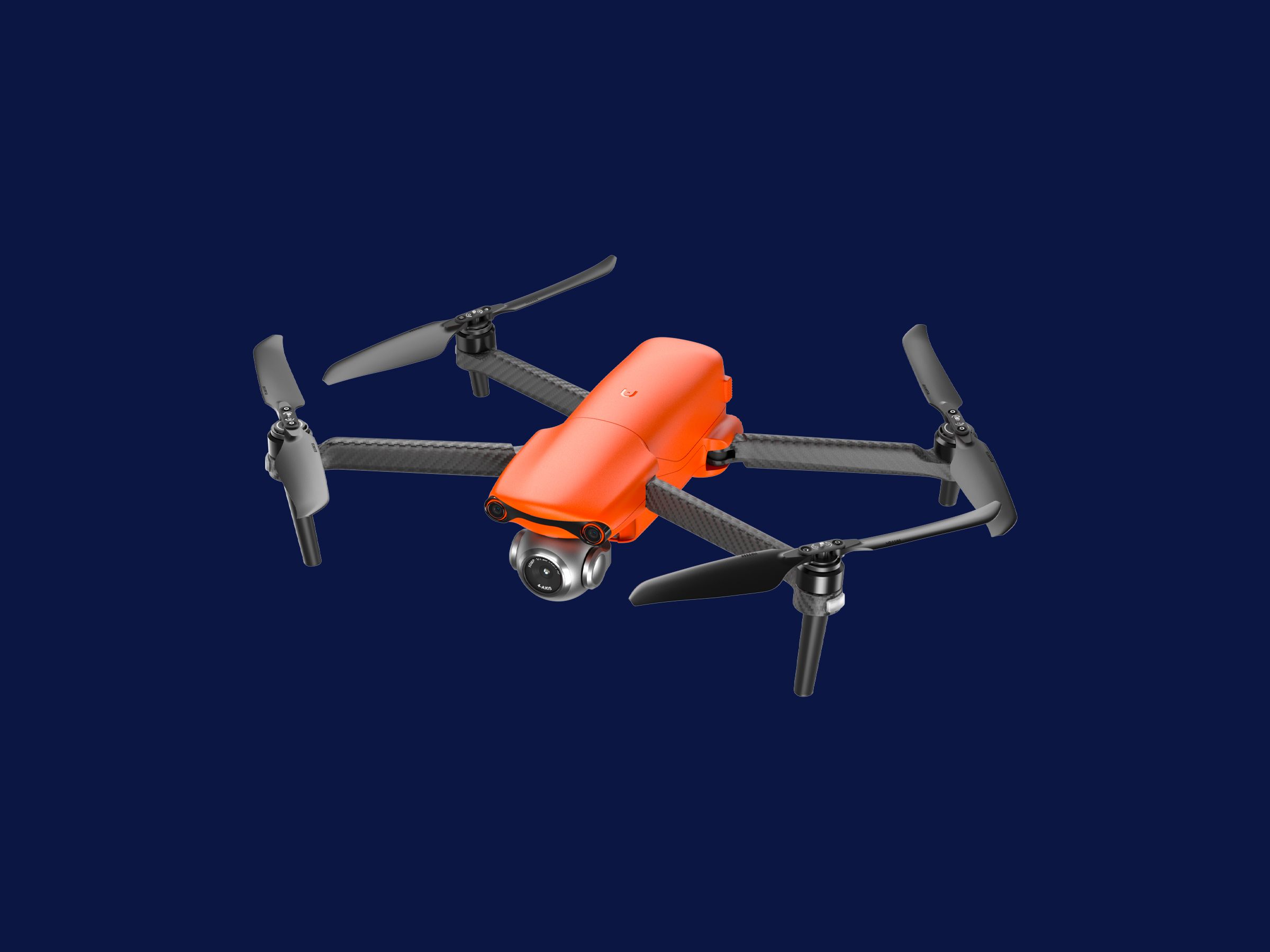
Put that in British terms. A 34-minute battery in a stiff breeze off the moors is the difference between getting your shot and trudging back to the car to swap cells with cold fingers. It is not a small thing — that extra hang-time is a second composition, a second pass for the light to break, or the margin to fly home with charge in hand rather than nursing a low-battery warning over water. The only drone that clearly does better is DJI’s full-fat Mavic 3, which manages 46 minutes — and that is a far heavier spend and a heavier aircraft for a buyer who almost certainly didn’t need to spend it.
| Spec | Autel EVO Lite+ | DJI Air 2S |
|---|---|---|
| Sensor | 1-inch CMOS, 20MP | 1-inch CMOS, 20MP |
| Variable aperture | Yes (f/2.8–f/11) | No (fixed f/2.8) |
| Max flight time | 40 min (34 min real-world, PCMag) | 31 min |
| Manufacturer geofencing | None | Yes |
| UK CAA registration | Required (835g) | Required (same bracket) |
| Edge | Flight time, variable aperture, open firmware | App polish, ecosystem, support |
The Lite+ doesn’t win by being clever. It wins by staying airborne after the drone you were going to buy has already landed.
Range, transmission and the things that keep you legal
Autel’s SkyLink system claims a maximum transmission range of 12km, pushing a 1080p/30fps live feed across the 2.4, 5.2 and 5.8GHz bands — broadly the equal of DJI’s OcuSync. I’ll be blunt about that 12km figure: under UK law it is a number for marketing, not for flying. You must keep your drone in visual line of sight, and 12km is a very long way past that. What the strong link actually buys a British pilot is a rock-steady picture at legal distances over awkward terrain — woodland, valleys, the urban-fringe spots where a weaker signal turns to slush and your video feed strobes just as you line up the shot.
One genuine quality-of-life win, as DroneBlog notes in its head-to-head with the Air 2S: the EVO Lite+ has never carried DJI’s geofencing. There are no manufacturer-imposed no-fly zones baked into the firmware. That is not a licence to fly wherever you fancy — the CAA’s rules and the Flight Restriction Zones around airports apply to you whatever you’re holding — but it means the responsibility sits with the pilot rather than a software lockout deciding your perfectly legal field is off-limits because an algorithm drew a circle around something nearby. For careful, registered flyers that is a genuine relief; for the reckless it is a trap, and Autel is trusting you not to be the latter.
Weight, speed and the registration question
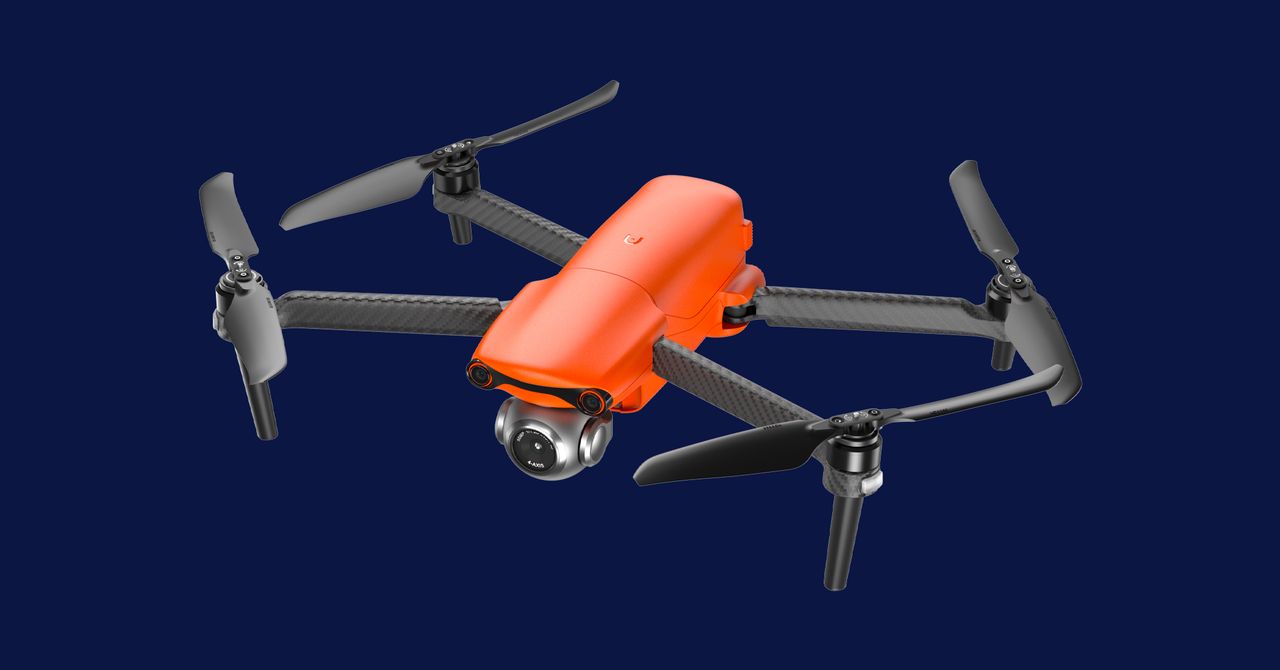
At 835g the Lite+ is no featherweight, and it will hit 68.4km/h — about 42.5mph — in its “Ludicrous” mode. Here is the UK detail no spec page will flag for you: that 835g weight puts it well over the 250g threshold, so you’ll need to register with the CAA, sit the free online Flyer ID test and pay for the CAA’s Operator ID — a small annual charge of roughly £11 — before it leaves the ground legally. Budget that admin into your decision, not just the cost. A sub-250g drone skips most of that paperwork; the Lite+ does not, and pretending otherwise is how people end up with a fine instead of a portfolio.
Against DJI that is a level playing field — an Air 2S sits in exactly the same regulatory bracket — so it is no mark against Autel specifically. It is simply the reality of buying a serious 1-inch-sensor drone in Britain: this is camera kit with rules attached, and treating it like a toy is the fastest way to fall foul of them.
Where it stumbles
The hardware is the easy part. The software and the ecosystem are where DJI still quietly wins, and it isn’t close. Autel’s app has historically been the rougher ride — fewer automated shot modes polished to DJI’s standard, an editing and sharing pipeline that feels a generation behind, and the occasional firmware update that fixes one thing and unsettles another. If your work leans on one-tap orbits, hyperlapses and quickshots that just land first time, you’ll feel the gap on day one.
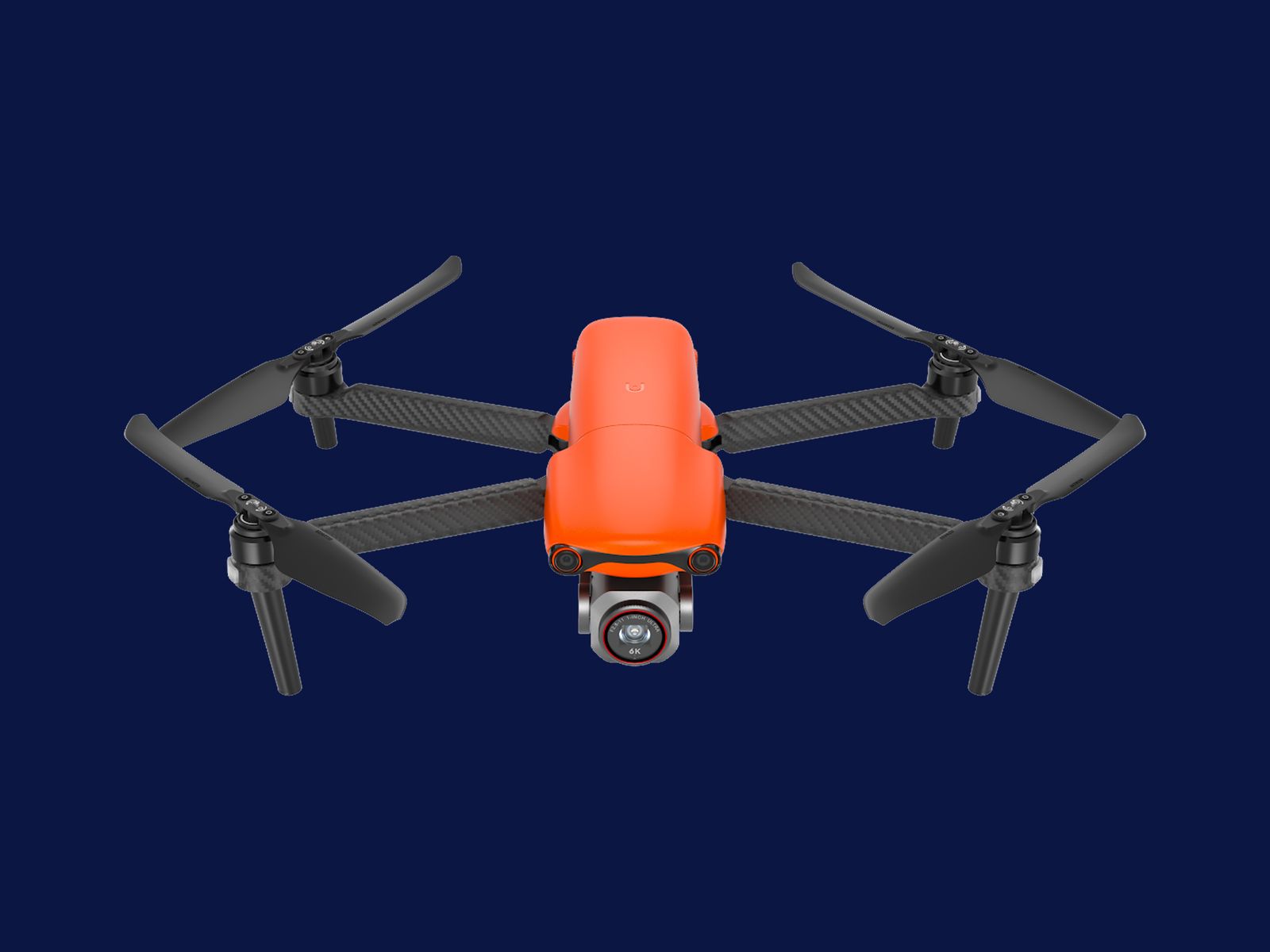
And the support network matters more than reviewers admit. Walk into most UK camera shops and the staff know DJI inside out; spares, propellers, batteries and second-hand value all flow more freely around the Mavic line. With Autel you are buying the better aircraft and accepting the smaller, scrappier ecosystem around it — longer waits on accessories, a thinner used market when you come to sell, and fewer mates at the field who can lend you a spare cell. For current UK pricing and stock you’ll want to check Autel’s own EVO Lite+ store listing directly, as the street price has moved considerably since launch and that movement is half the buying case — at the right discount the value argument tilts decisively Autel’s way.
Who I’d actually hand this to
If you already live inside DJI’s app, swap batteries from a drawer full of Mavic cells and lean on the automated modes for paid client work, the Lite+ won’t tempt you off — and it shouldn’t. The ecosystem pull is real, and you’d be trading polish you rely on for spec you might not fully use.
But for the pilot buying their first proper 1-inch drone — the one who cares about hang-time over a windswept coastline and resents geofencing telling them where their own legal flight ends — the EVO Lite+ is simply more aircraft for the money, with a variable aperture the Air 2S can’t match thrown in. I’d take the longer battery and the open firmware over a slicker app, register it properly with the CAA, and fly it knowing I’d still be up when the obvious choice has already come down. That is the spec Autel got right, and it is the reason DJI shouldn’t get too comfortable.
How we test
Buyer action
Where to buy or check next
Use this as the final check before ordering a phone, changing network or trusting a headline monthly price.







Reader discussion
Leave a comment
Comments are moderated. Keep it useful, accurate, and on topic.