UPDATED · News · 25 Mar 2026 · Claire Bennett
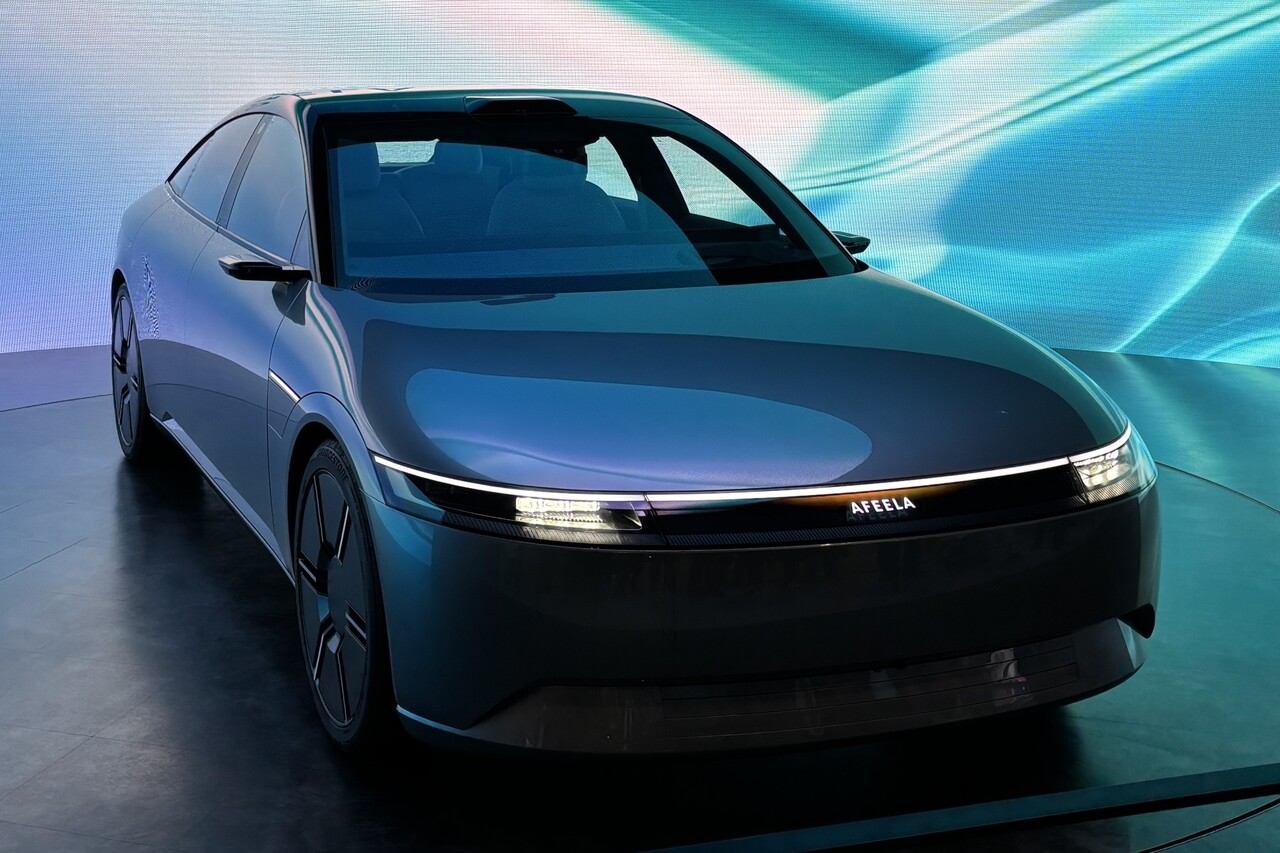
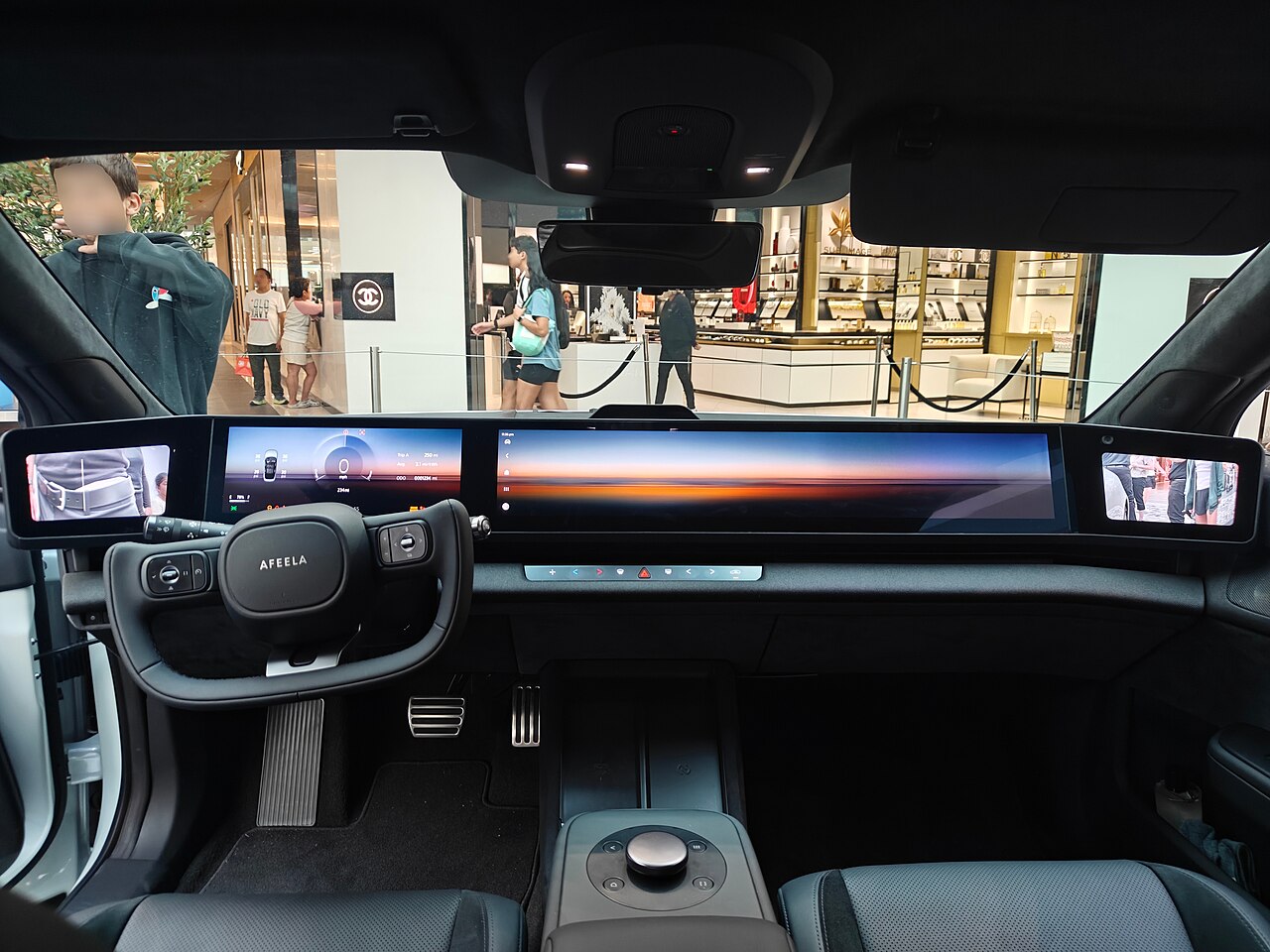
Sony and Honda have pulled the plug on their entire AFEELA electric vehicle programme. Sony Honda Mobility confirmed on 25 March 2026 that both the AFEELA 1 sedan, which was due to start US deliveries from late 2026 at £71000 (about $89,900) for the Origin trim and £81300 (about $102,900) for the Signature, and a second model that had been in development have been discontinued. Reservation holders in California will receive full refunds.
AFEELA EV Cancelled: What Happened
- What went wrong
- Why this matters beyond AFEELA
- What happens to Sony Honda Mobility
- The bottom line
The decision follows Honda’s reversal of its electrification strategy announced on 12 March 2026, in which the Japanese automaker cancelled three bespoke EVs planned for the US market (the Acura RSX, Honda 0 Series SUV and Honda 0 Series Saloon). Without Honda’s planned technology contributions, Sony Honda Mobility says the vehicles can no longer be built as designed, per InsideEVs.
What Went Wrong for Sony and Honda
The AFEELA project was always ambitious. Sony and Honda each brought different strengths. Sony brought its entertainment ecosystem, sensor expertise, and vision for a software-defined car. Honda brought its manufacturing capability and automotive engineering. The idea was simple: combine Sony’s tech DNA with Honda’s car-building experience to create something neither could build alone.
Why this matters beyond AFEELA
The pattern is consistent: tech companies can design brilliant software experiences, but manufacturing a physical car at scale requires infrastructure, supply chain relationships, and regulatory expertise that take decades to build. Sony and Honda teamed up for exactly this reason, and it still was not enough when Honda changed direction.
For consumers who were excited about AFEELA, the refund is the easy part. The harder question is whether any tech company will attempt this kind of ground-up vehicle project again, or whether the future of tech-in-cars is limited to software layers on top of traditional manufacturers’ hardware.
What happens to Sony Honda Mobility
The joint venture says it is “reassessing” its partnership, which in corporate language typically means the entity will be wound down. Sony’s automotive ambitions are unlikely to disappear entirely, its sensor and entertainment technology has clear applications in vehicles, but the AFEELA brand appears to be finished.
Honda, meanwhile, is doubling down on hybrid vehicles and reconsidering the pace of its EV transition. The company’s about-face reflects a broader industry recalibration: EV sales growth has slowed in key markets, charging infrastructure remains patchy, and the economics of building affordable electric vehicles have proven more challenging than many manufacturers anticipated.
The bottom line
AFEELA was the most credible attempt to build a tech-first car from scratch. Its cancellation does not mean the concept is dead, every new car is increasingly a software platform, but it does mean the era of tech companies trying to out-manufacture car companies is likely over. The future is probably collaboration, not competition: Sony’s sensors in Honda’s cars, Google’s software in everyone’s dashboard, Apple’s CarPlay as the interface layer. Less dramatic than a PlayStation on wheels, but far more likely to actually ship.
Why AFEELA never made it out of the demo loop
AFEELA was always a strange beast. Sony brought the entertainment, the cameras and a perfectly judged sense of theatre. Honda brought the manufacturing scale and the dealer network. The pitch, turn the car into a moving cinema with proper engineering underneath, sounded like a slam-dunk on a CES stage. The problem was that nobody in either boardroom seemed to know who was actually in charge of pricing, distribution or after-sales.
The starting price hovered around £75,000 with options pushing it well past £90,000, in a segment now ruthlessly defined by the Tesla Model S, the BMW i5, the Mercedes EQE and a wave of Chinese entrants like the NIO ET7 and BYD Han L. None of those cars sell themselves on PlayStation tie-ins. They sell on range, residuals and the reassurance that the maker will still be supporting the software in 2031.
There is also the wider EV picture. Demand growth in the United States has slowed, Europe is mid-tariff war with China, and Honda has just folded its Japanese EV plans into a much bigger merger with Nissan. AFEELA was never going to be the priority. Killing it now, before the first cars reach dealer floors, is the cheapest version of admitting defeat, and frees Honda to point its capital at the things that might actually keep the lights on.
Related reading on MTW
- Cala’s kIQ Plus Is the Wearable That Finally Makes the Consumer Medical Argument Properly
- AGIBOT’s G2 Launch Is the Humanoid Robot Pitch That Actually Sells Into a Factory
- Motorola Launches the moto g stylus 2026 and moto pad 2026 With a Surprisingly Coherent Productivity Pitch
Source: Sony UK.
For EVs you can actually buy and finance in the UK right now, see Car Deal Expert’s electric car guides.
Buyer action
Where to buy or check next
Use this as the final check before ordering a phone, changing network or trusting a headline monthly price.








Reader discussion
Leave a comment
Comments are moderated. Keep it useful, accurate, and on topic.