
The smartphone industry is heading for disaster as smartphone shipments decline takes centre stage in 2026, with Omdia forecasting a painful 7% year-on-year drop that could spiral into a catastrophic 15% collapse. This isn’t a temporary blip caused by bored consumers, it’s the direct result of memory chip shortages and geopolitical madness driving up costs across the board, punishing manufacturers and buyers alike.
Budget phones under $100 (around £80) will be absolutely crushed with a projected 31% plunge in shipments, as makers scramble to protect razor-thin margins. Premium devices might just about survive, but the mass market that has fuelled years of growth is about to pay the price for Silicon Valley’s insatiable AI appetite. As Omdia notes in its own forecast, memory now eats up a far bigger chunk of the bill of materials, forcing price hikes that kill demand in price-sensitive emerging markets.
After a modest 2% growth in 2025, the industry is slamming into a brick wall. Vendors have already started raising prices since late 2025, but sustained increases will only accelerate the bleeding. This is what happens when Big Tech prioritises data centre greed over the billions of people who simply want affordable handsets.
The Memory Crunch Fuelling Industry Chaos
Memory constraints are the primary villain here. Surging demand for high-bandwidth memory in AI servers has starved the smartphone supply chain of DRAM and NAND. Manufacturers are left fighting over scraps, with prices climbing relentlessly. This isn’t just annoying, it’s existential for entry-level brands that lack the scale or relationships of Apple and Samsung.
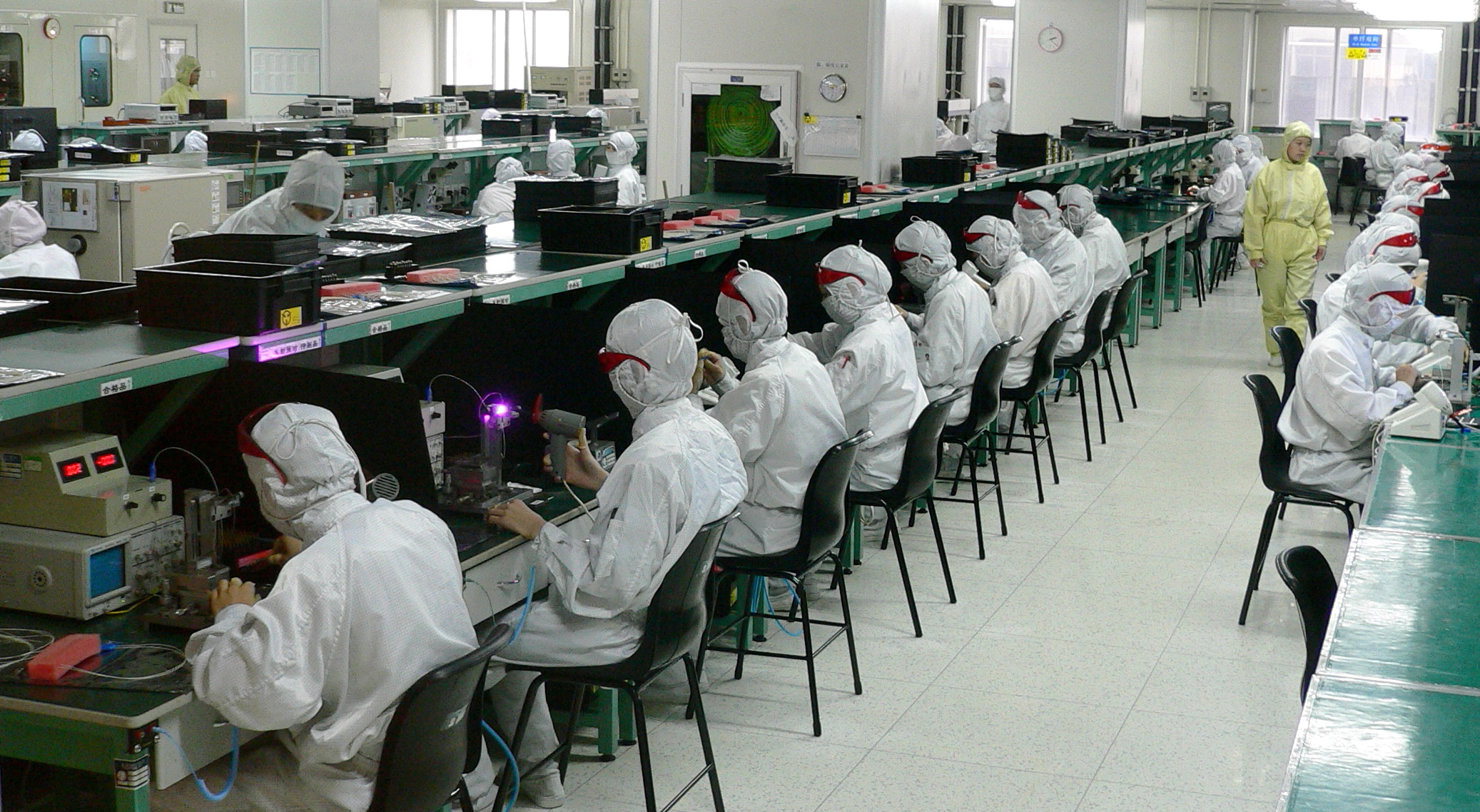
As Semiconductor Today reports, devices below $100 (around £80) face the harshest hit while the premium segment above $800 (around £640) may still eke out 4% growth. Zaker Li from Omdia nailed it: rising memory costs and macro headwinds impact demand unevenly, leaving entry-focused vendors exposed and reliant on older LPDDR4X memory.
The AI boom, which we’ve tracked closely in our AI coverage, is directly responsible. While hyperscalers hoard chips for large language models, ordinary consumers face higher prices and fewer options. This imbalance is indefensible.
Smartphone Shipments Decline Hits Budget Phones Hardest
The numbers don’t lie and they are brutal. A 31% crash in the ultra-budget segment isn’t just statistics, it’s the potential disappearance of entire product lines that bring connectivity to millions in developing regions. These devices operate on tiny margins and can’t absorb component cost spikes without becoming uncompetitive or loss-making.
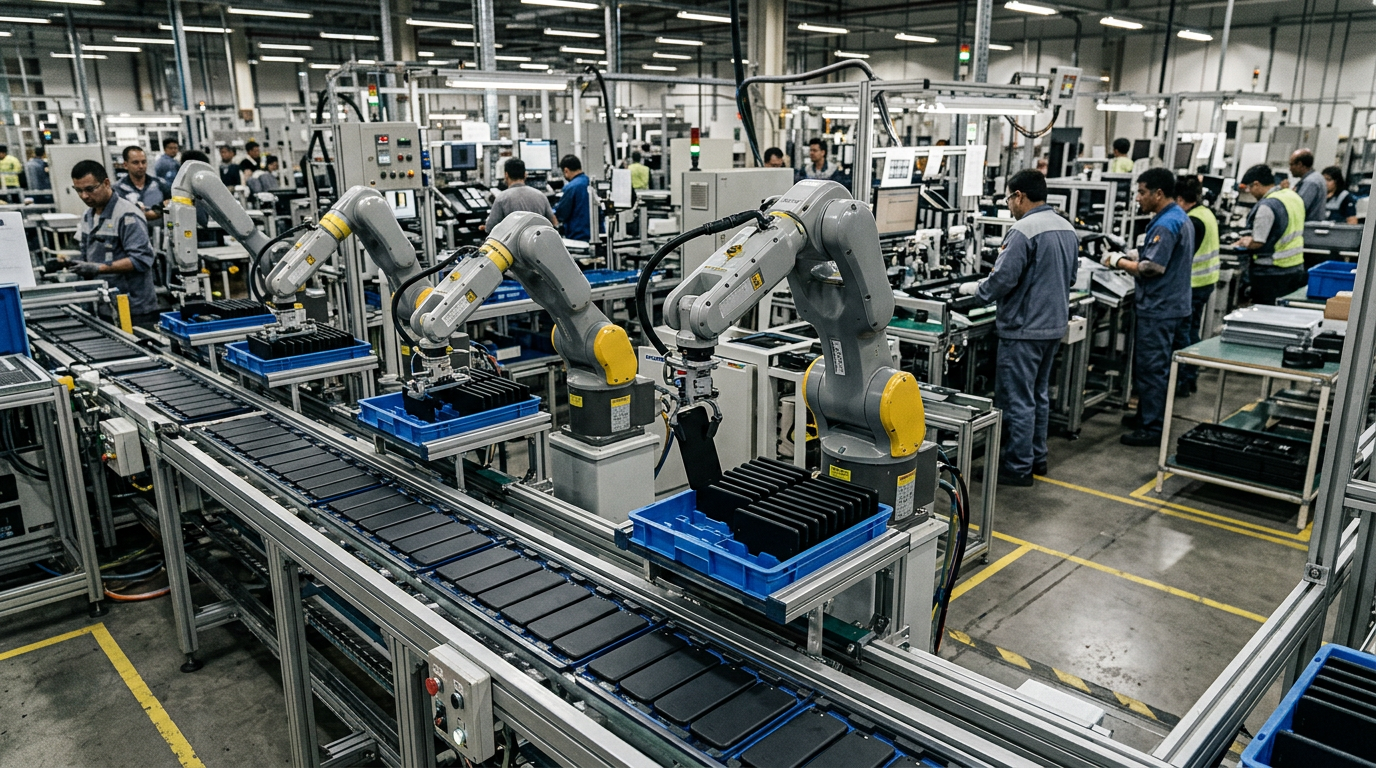
Price-sensitive markets in Asia, Africa and Latin America will feel this pain first. When a basic smartphone jumps from $80 to $110 (around £88), upgrade cycles freeze. Consumers simply make do with older devices longer. This smartphone shipments decline risks reversing years of progress in digital inclusion, all because memory chips are being diverted to power more AI hype.
Meanwhile, mid-range phones in the $100 (around £80)-399 bracket also face double-digit drops. The entire value segment is under siege while flagship buyers barely notice the difference. It’s a tale of two markets, and the masses are losing.
Geopolitical Pressures Making Everything Worse
Layer on geopolitical tensions in the Middle East and you have a perfect storm of higher energy prices, freight costs and currency volatility. These factors compound the memory crisis, creating macroeconomic headwinds that sap consumer confidence exactly when devices are becoming more expensive.

We’ve warned about these risks before in our editorials. The industry cannot keep pretending supply chains are immune to global politics. Smaller suppliers and ODMs face consolidation pressure as orders for low-end components dry up. This could lead to less competition and even higher prices long-term.
What Happens Next?
Vendors must get creative or perish. Simplifying designs, shortening production cycles and prioritising profitability over volume seems the immediate play. But long-term, the industry needs to break its addiction to ever-cheaper components and find ways to innovate around these constraints.
Apple and Samsung will likely weather the storm thanks to scale, integration and premium positioning. Everyone else? It’s going to be a bloodbath. The real losers will be consumers who can least afford it. This smartphone shipments decline should serve as a wake-up call that the smartphone golden age of constant growth and falling prices may be over.

The mobile world has grown complacent. AI might be the future, but it shouldn’t come at the expense of accessible technology for billions. Manufacturers who fail to adapt to this new reality of expensive memory and geopolitical risk will simply disappear from the market.
All images credited to their respective sources.
Related reading on MTW
- Cala’s kIQ Plus Is the Wearable That Finally Makes the Consumer Medical Argument Properly
- AGIBOT’s G2 Launch Is the Humanoid Robot Pitch That Actually Sells Into a Factory
- Volkswagen’s ID.3 Neo Refresh Is the Apology Europe’s EV Buyers Actually Needed
MMTW Editorial
Buyer action
Where to buy or check next
Use this as the final check before ordering a phone, changing network or trusting a headline monthly price.














Reader discussion
Leave a comment
Comments are moderated. Keep it useful, accurate, and on topic.