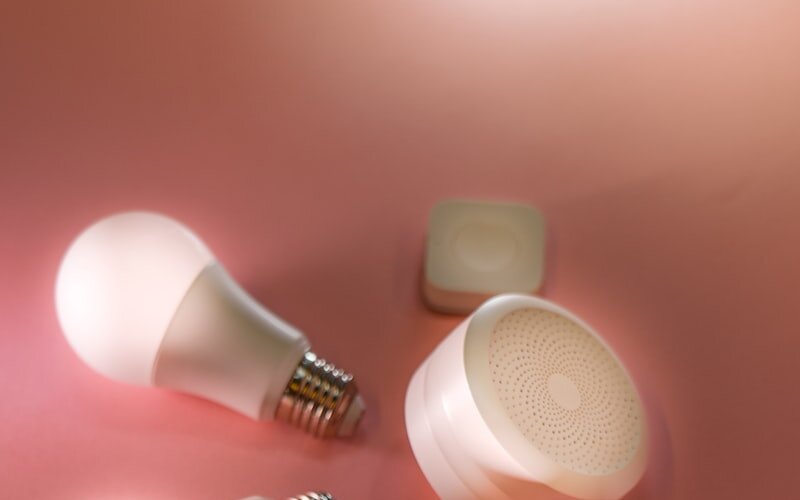
The smart home industry has spent a decade promising a future where everything in your house works together seamlessly, responds to your voice perfectly, and makes daily life effortlessly convenient. In 2026, some of that promise has been delivered. A meaningful portion has not. Here is an honest smart home 2026 assessment of what works reliably, what still frustrates, and what a practical setup actually looks like right now.
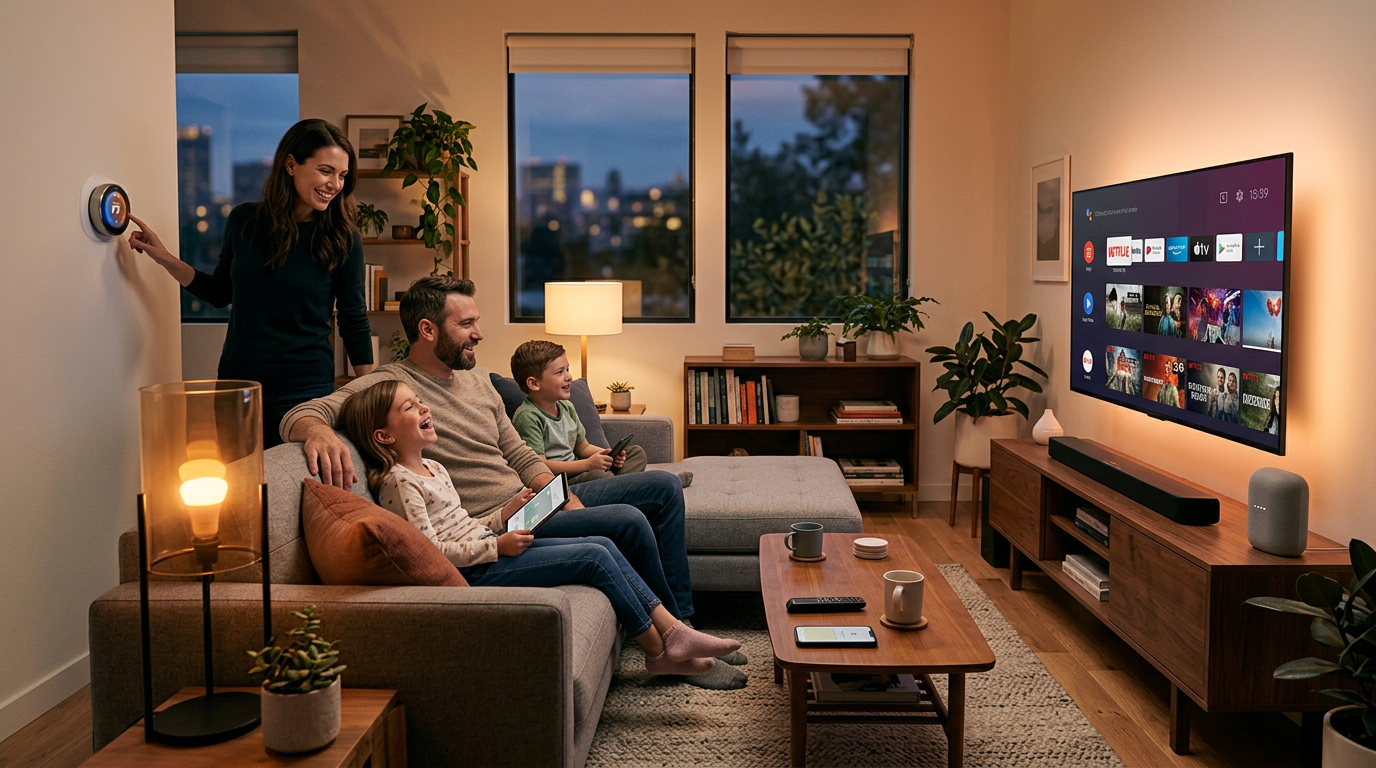
Smart Home 2026: What Happened
- What Actually Works Well
- What Still Frustrates
- What a Practical Smart Home Looks Like
What Actually Works Well
Smart Lighting
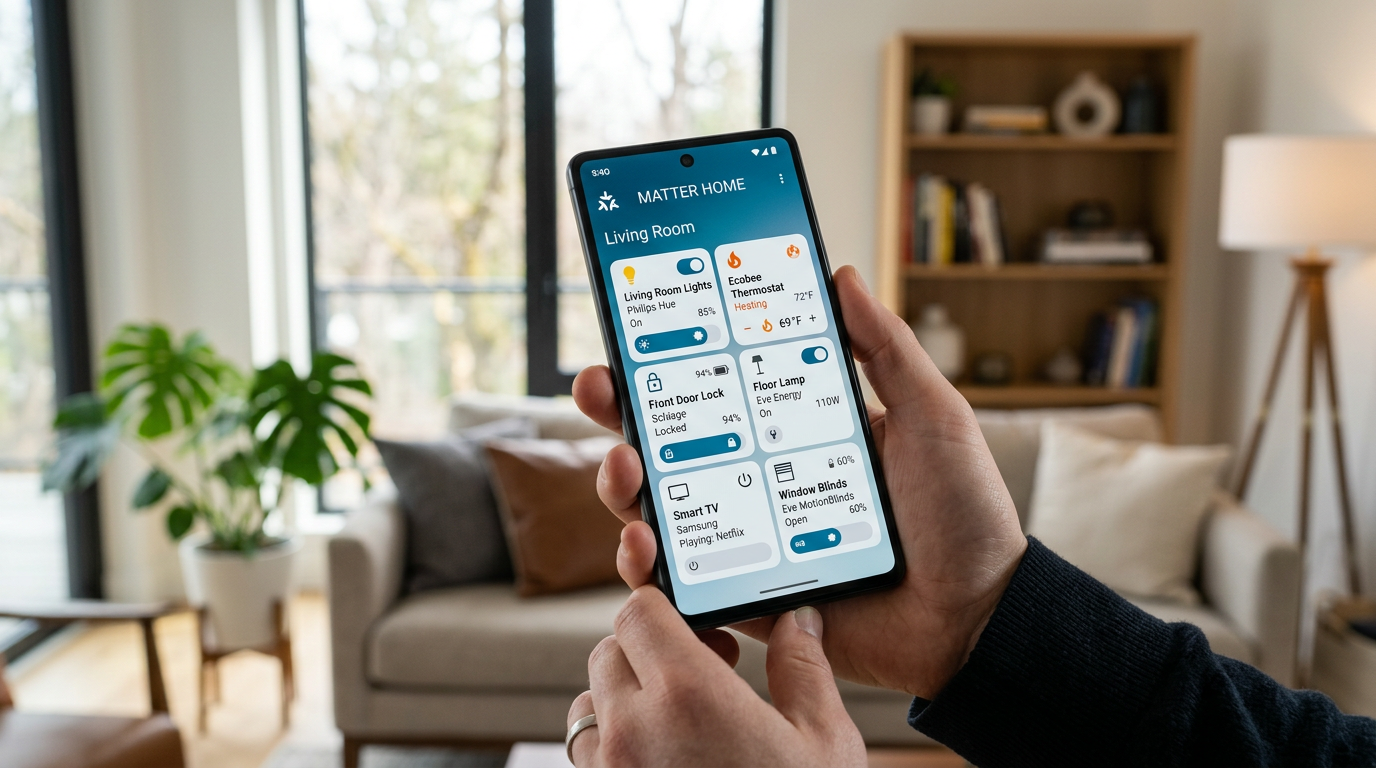
This is the most reliable category in the smart home. Philips Hue, LIFX, and IKEA’s Dirigera hub (now a full Matter controller and Thread Border Router since a free 2025 firmware update) have reached a level of maturity where they simply work. Bulbs respond to commands within a second. Schedules and automations run consistently. The apps are stable. Colour accuracy has improved to the point where setting a specific ambience is no longer a trial-and-error exercise.
The key to reliability here is that most smart lighting systems use a dedicated hub or operate on Wi-Fi with minimal cloud dependency for basic functions. Hue bulbs on a Zigbee bridge continue working even if your internet goes down. This local-first approach is what the rest of the smart home industry needs to learn from.
Smart Locks
Smart locks have quietly become one of the most reliable categories. Yale, August, and Aqara models now ship with Matter support, auto-lock and auto-unlock work consistently, and battery life routinely exceeds the 6 to 9 months the manufacturers claim. Keypad entry, app unlocking, and guest codes that expire on a schedule all behave predictably. Installation has also got easier, with most deadbolt replacements taking under 30 minutes with a screwdriver.
Video Doorbells
Ring, Nest and Eufy doorbells now deliver dependable motion detection, two-way audio and package alerts that actually match what the camera sees. Local storage options (particularly on the Eufy range) let you avoid monthly cloud fees entirely, and 2K video with HDR is standard at the mid-range. The main improvement over the last two years has been on-device AI that distinguishes between people, animals, vehicles and packages, cutting false-positive notifications dramatically.
What Still Frustrates
Multi-Vendor Interoperability
Matter was supposed to solve this, and partially it has. A Hue bulb can now appear in Apple Home, Google Home and Amazon Alexa at once. But advanced features, such as colour scenes, adaptive lighting and device-specific settings, often only surface in the vendor’s own app. Mixing three brands of Matter device in one room still produces weird edge cases where an automation that works from one controller silently fails from another.
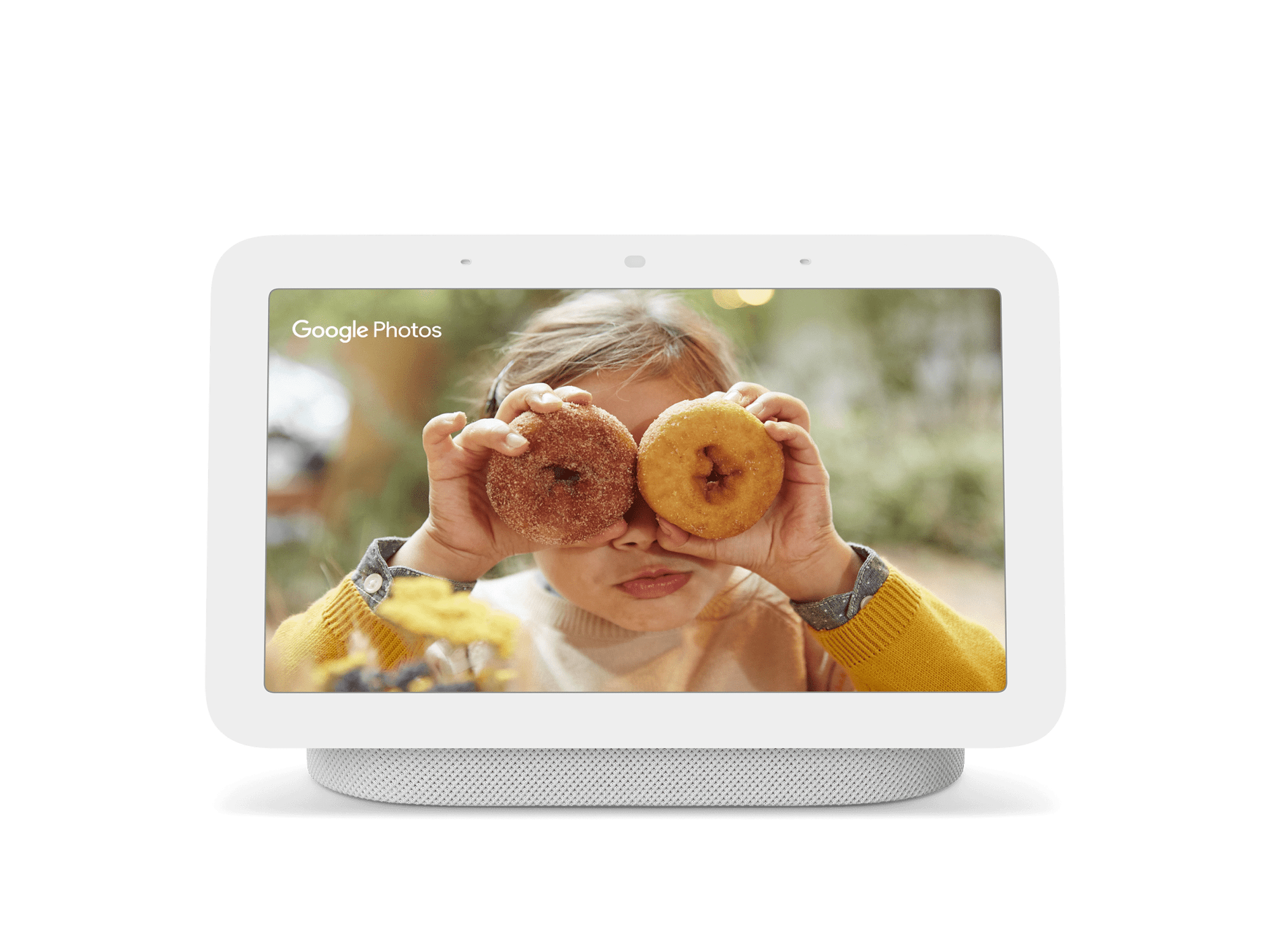
The recent Google Home update with Gemini integration shows where things are heading, with more contextual awareness and better natural language processing. But even Google’s own ecosystem has friction points between Nest devices and third-party Matter accessories.
Voice Assistant Misunderstandings
Voice control is the feature every smart home marketing team leads with, and in 2026 it is still the least reliable part of the experience for anything beyond basic commands.
“Turn off the living room lights” works every time. “Turn off the lights but leave the lamp on” works sometimes. “Make the bedroom warmer” might adjust your thermostat or might inform you about the current temperature, depending on how the assistant interprets the command that day. Multi-step voice commands remain unreliable enough that most experienced smart home users default to app control or physical switches for anything beyond basic on-off commands.
Cloud Dependency and Outages
When AWS has a bad day, a disturbing number of smart home devices stop working. The garage door that will not open because a server is down. The thermostat that cannot be adjusted from your phone because the manufacturer’s API is experiencing “intermittent issues.”
These outages are infrequent but each one undermines smart home reliability. Devices that require cloud connectivity for basic local functions are poorly designed, and consumers are slowly learning to check whether a device works offline before purchasing.
Wi-Fi Mesh Requirements
A common source of frustration that rarely appears in marketing materials: most smart homes need better Wi-Fi than most homes have. A single router from your internet provider is insufficient once you have 20 to 30 connected devices spread across multiple rooms. Smart devices on weak connections drop offline, fail to respond to commands, and create the impression that smart home technology does not work when the actual problem is network infrastructure.
Investing in a proper mesh Wi-Fi system, such as Eero, Google Nest Wifi, or TP-Link Deco, is effectively a prerequisite for a reliable smart home. This adds £200 to £400 to the true cost of entry that is rarely discussed.
What a Practical Smart Home Looks Like
Strip away the marketing and a practical, reliable smart home in 2026 looks something like this: smart lighting on a dedicated hub, a smart lock on your front door, a video doorbell, a smart thermostat from a reputable brand, and one voice assistant platform that you commit to rather than mixing ecosystems. Total investment: £500 to £800 for a solid foundation, plus £200 to £300 for mesh Wi-Fi if needed.
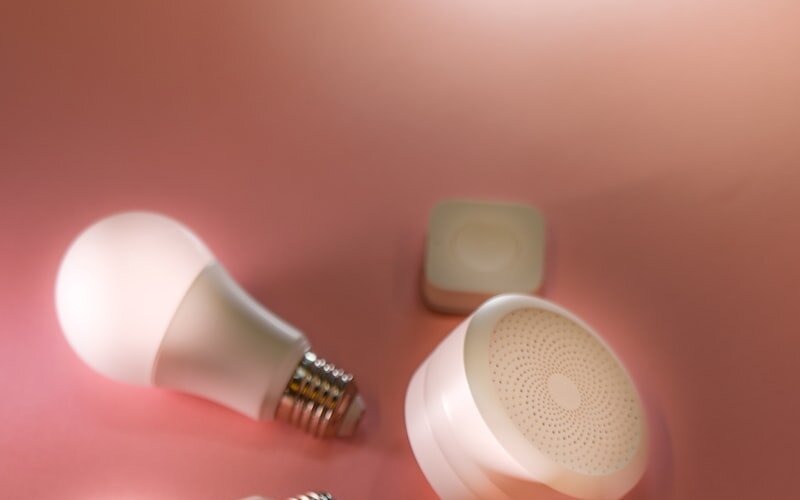
The mistake most people make is trying to automate everything at once. The smart blinds, the smart oven, the smart sprinkler system, the robot mower, each one adds another potential point of failure and another app to manage. Start with the categories that work well, build confidence, and add complexity gradually.
For those who track health and fitness data as part of their daily routine, the wearable side of the connected ecosystem is considerably more mature. An Apple Watch or Garmin paired with your phone delivers reliable, genuinely useful smart functionality without the interoperability headaches that plague the home. The smart home will get there eventually. It is just not there yet for most people.
What actually works in a smart home in 2026 and what is still a pain
The honest reality of a smart home in 2026 is that the basics finally work and the edge cases are still painful. Smart bulbs reliably turn on when you ask, smart locks have stopped randomly relocking themselves, and the Matter standard has solved enough of the cross-vendor pairing problem that you can buy hardware from three different manufacturers and have a credible chance of running it from one app. That is a step change from where the category was even two years ago.
Where the smart home in 2026 still falls down is the moment you try anything ambitious. Multi-condition automations, for example ‘when the front door opens after dark and someone is home, turn on the hallway light unless the porch motion sensor was triggered in the last minute’, still require a dedicated hub like Home Assistant or a paid SmartThings tier to express reliably. The major consumer ecosystems give you simple if-this-then-that and call it done, which works for ninety percent of needs and falls apart for the interesting ten percent.
The buying advice for a smart home in 2026 is to standardise on Matter where you can, accept a single ecosystem dependency for everything else, and budget for one good multi-protocol hub if you actually want the platform to do clever things. The category has matured enough that you can build a useful smart home over a long weekend. The expectation that has not aged well is that everything would Just Work without thought, and it does not, but at least in 2026 the work is bounded and the result is worth it.
Related reading on MTW
- Cala’s kIQ Plus Is the Wearable That Finally Makes the Consumer Medical Argument Properly
- AGIBOT’s G2 Launch Is the Humanoid Robot Pitch That Actually Sells Into a Factory
- Volkswagen’s ID.3 Neo Refresh Is the Apology Europe’s EV Buyers Actually Needed
MMTW Editorial
Buyer action
Where to buy or check next
Use this as the final check before ordering a phone, changing network or trusting a headline monthly price.












Reader discussion
Leave a comment
Comments are moderated. Keep it useful, accurate, and on topic.