UPDATED · News · 6 May 2026 · Daniel Reid
DJI FCC ban is the regulatory story that decides what drones Americans can buy in 2026: the DroneDJ reported on 6 May 2026 that the FCC public comment window on DJI’s appeal closes on 11 May, with DJI claiming up to £1 (about $1.5) billion in lost US sales this year. The DJI FCC ban has now reached the point where consumer feedback could legitimately change the outcome.
- DJI was added to the FCC's Covered List on 23 December 2025 after a Congressionally-mandated security review missed its deadline.
- FCC public comment window on DJI's petition for reconsideration closes on 11 May 2026.
- DJI projects roughly £1 (about $1.56) billion in 2026 US revenue at risk, with 25 to 39 planned product launches affected.
- Existing DJI drones remain legal to fly; only new, unauthorised models are blocked from sale and import.
Why the DJI FCC ban matters this week
The DJI FCC ban is in its public comment phase, which is the one stage of the regulatory process where individual users actually have a voice. DJI filed a petition for reconsideration after being added to the FCC’s Covered List, and the agency opened a public comment window that closes on 11 May 2026. After that, the FCC will either uphold the listing or reconsider. DJI has also filed an appeal with the Ninth Circuit Court of Appeals on procedural grounds, claiming it was denied due process and that the government never produced unclassified evidence of a security threat.
This week is the inflection point because the FCC, by its own rules, has to acknowledge and respond to the substance of public comments before it makes a final determination. The Drone Advocacy Alliance has been mobilising commercial operators, public safety agencies and content creators to file via fcc.gov/ecfs. The Pentagon has filed in the opposite direction, urging the FCC to reject the petition and citing classified intelligence. None of this changes the UK picture: British buyers can still buy and fly DJI drones legally, and the new UK drone rules for 2026 apply equally to DJI and Western-built airframes.
What the DJI FCC ban actually does
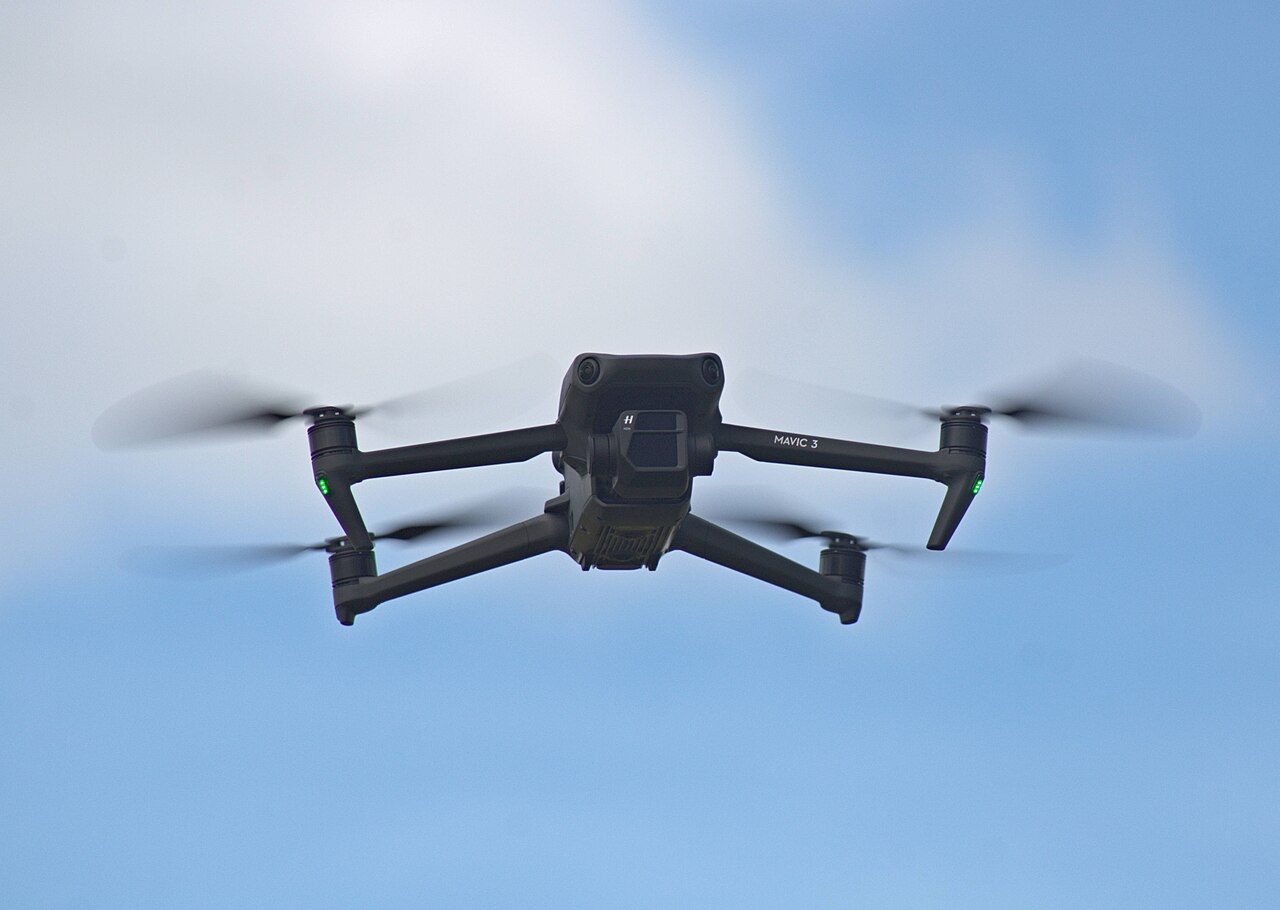
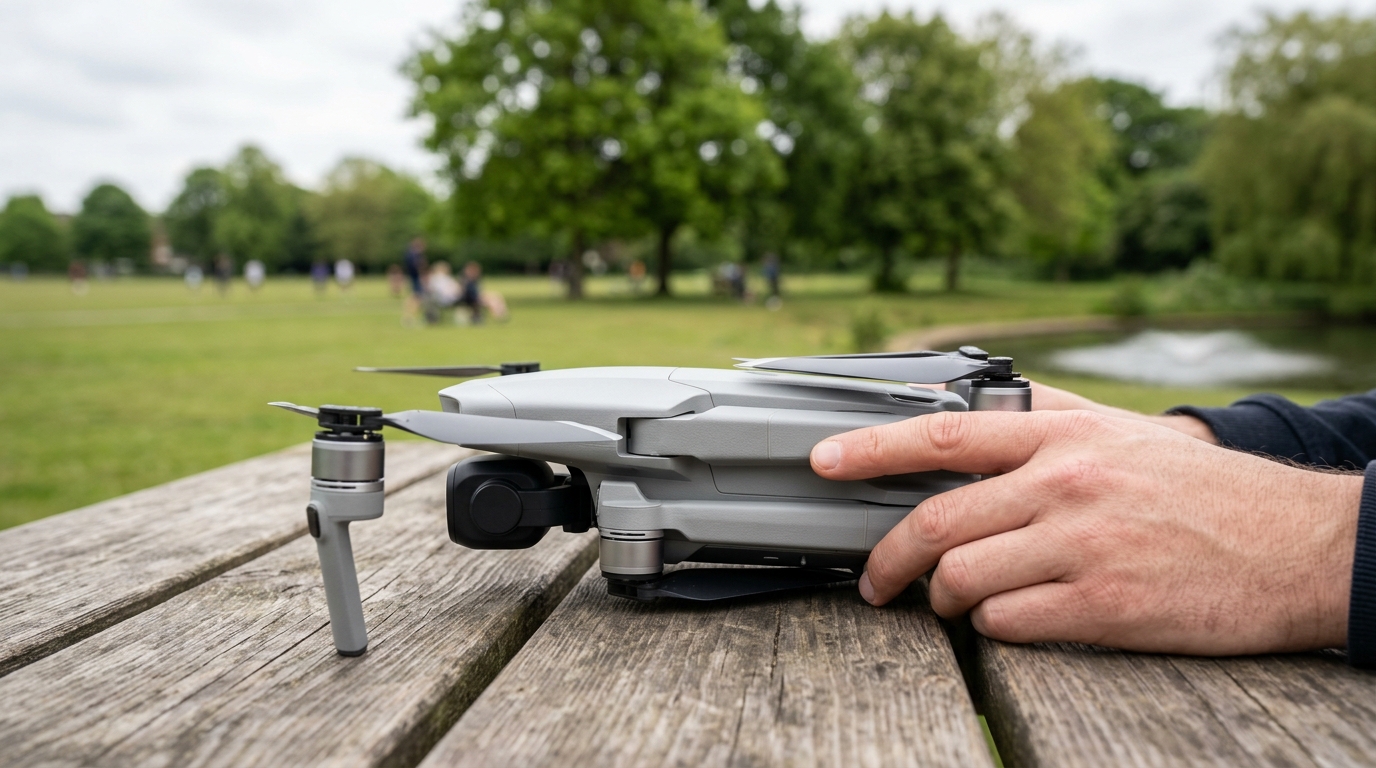
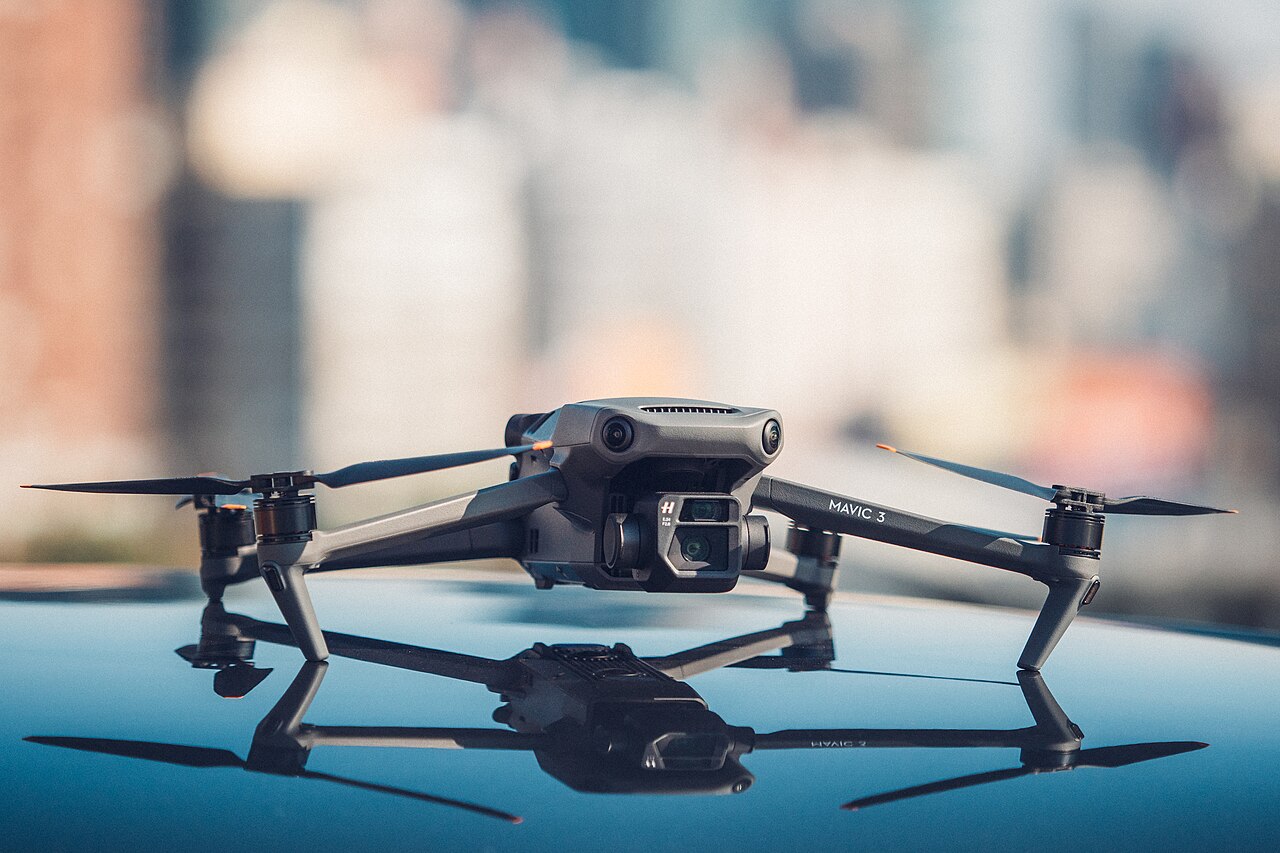
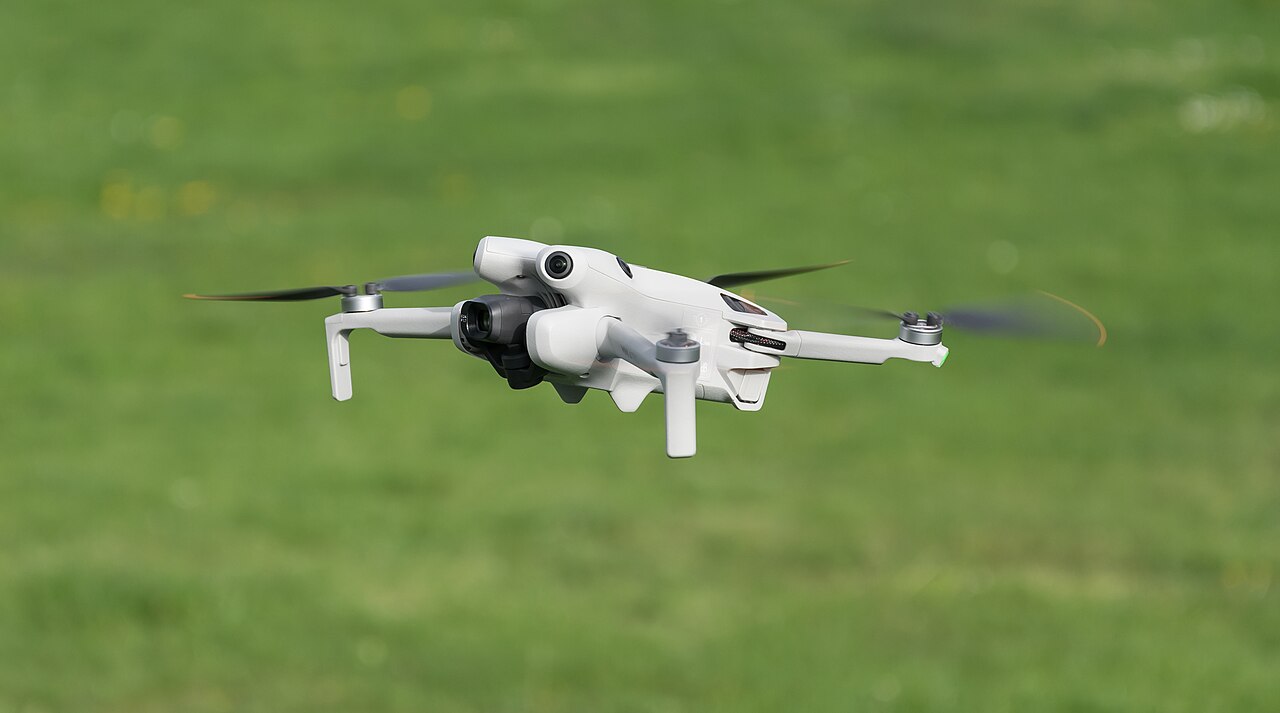
The DJI FCC ban is narrower than the headlines suggest. The Covered List is a list of equipment that cannot receive new FCC authorisation; without that authorisation, products cannot legally be imported, marketed or sold in the United States. Existing drones that already passed FCC certification remain legal to own and operate. So a Mavic 3 Pro is still flyable, the Air 3S still sells through approved channels, and the Mini 4 Pro is unaffected. What gets killed is the next generation, including the DJI products that would otherwise have appeared at NAB and during the late-2026 product cycle.
The scope is wider than DJI alone. The FCC’s December 2025 action covers all foreign-made drones and the components used to build them, including flight controllers, batteries, motors, navigation systems and ground control units. Autel is the second-most affected manufacturer. On 7 January 2026 the FCC carved out an exception for drones on the Defence Department’s Blue UAS Cleared List and for products that qualify as at least 65% domestic, through to 1 January 2027. That carve-out kept the public-safety market supplied and is one reason the headline DJI FCC ban story has moved slowly through political channels.
The financial damage from the DJI FCC ban
DJI has put a hard number on the cost. In its filings and public statements, the company says it stands to lose roughly £555 (about $700) million from blocked authorisations covering 14 existing products, plus another £680 (about $860) million from 25 planned launches that cannot reach the US market in 2026. That comes to approximately £1 (about $1.56) billion in revenue at stake this year. The pattern is escalating: DroneXL’s reporting now puts the number of blocked products at 39, partly because the company’s accessory and Osmo lines are caught up in the same Telecommunications Certification Body refusals as the drone hardware itself.
| DJI FCC ban impact | Status | MTW read |
|---|---|---|
| Existing certified DJI drones | Legal to fly | Mavic 3, Air 3S, Mini 4 Pro unaffected. |
| New unauthorised launches | Blocked | 2026 product cycle largely off the table. |
| Accessories (Osmo, Mic) | Partially blocked | TCB refusals widen the impact. |
| UK availability | Unaffected | British buyers see the new range as planned. |
The wider commercial story is the most important. American emergency response, agriculture, infrastructure inspection and film production sectors have been built around DJI’s range. Domestic alternatives like Skydio and Blue UAS-cleared products from Parrot Anafi USA exist, but supply, price and feature parity are not there. That mismatch is exactly why the FCC public comment process is generating more responses than any other Covered List update in recent memory, and it is also why DJI’s situation feels more like a slow squeeze than an instant kill switch. The same regulatory caution is now reaching adjacent product categories such as the budget camera drone segment that we cover for UK consumers.
What UK and US buyers should watch
For UK readers, the DJI FCC ban is a clarifying moment rather than a problem. DJI’s UK availability is unaffected, Ofcom and the CAA do not mirror the FCC’s Covered List, and DJI continues to launch its full range here. The implication is that UK consumers may end up with first or near-first access to drones that never make it to America, which has not been a typical sequence for a major consumer category since Huawei. Anyone in the British market for a new drone should be paying more attention to how DJI prioritises its European supply chain in 2026 than to the regulatory drama.
For US readers, the DJI FCC ban means the practical buying strategy for the rest of 2026 is to either pick up an already-certified DJI drone now (Mavic 3 Pro, Air 3S, Mini 4 Pro), or wait to see if the FCC reconsideration produces conditional approvals after 11 May. UK readers chasing a fresh DJI drone instead of an unaffected legacy model should look at the DJI Lito X1 beginner drone as the most recent launch on the European side. Importing a new DJI drone from Canada, Mexico or Europe is not viable, regardless of how online forums make it sound: the FCC has formally said importation of unauthorised covered equipment is prosecutable. Domestic alternatives like Skydio’s X10 and Anafi USA are options for commercial operators, but a like-for-like consumer replacement for a Mini 4 Pro at the same price does not exist yet.
The DJI FCC ban is the regulatory event most likely to reshape the global drone market in 2026, and the public comment phase ending 11 May is the rare moment where the outcome is genuinely uncertain. If the FCC reconsiders, the picture gets messy but workable. If it stands firm, the entire 2026 drone product cycle splits in two between the US and the rest of the world.
MTW verdict
The DJI FCC ban is a slow-rolling US-specific story with no immediate UK impact. British buyers should treat May to July 2026 as the window where DJI’s European range is likely to feel most prioritised. US buyers should stop hoping for an import workaround.
Buyer action
Where to buy or check next
Use this as the final check before ordering a phone, changing network or trusting a headline monthly price.






Reader discussion
Leave a comment
Comments are moderated. Keep it useful, accurate, and on topic.