UPDATED · News · 8 May 2026 · Claire Bennett
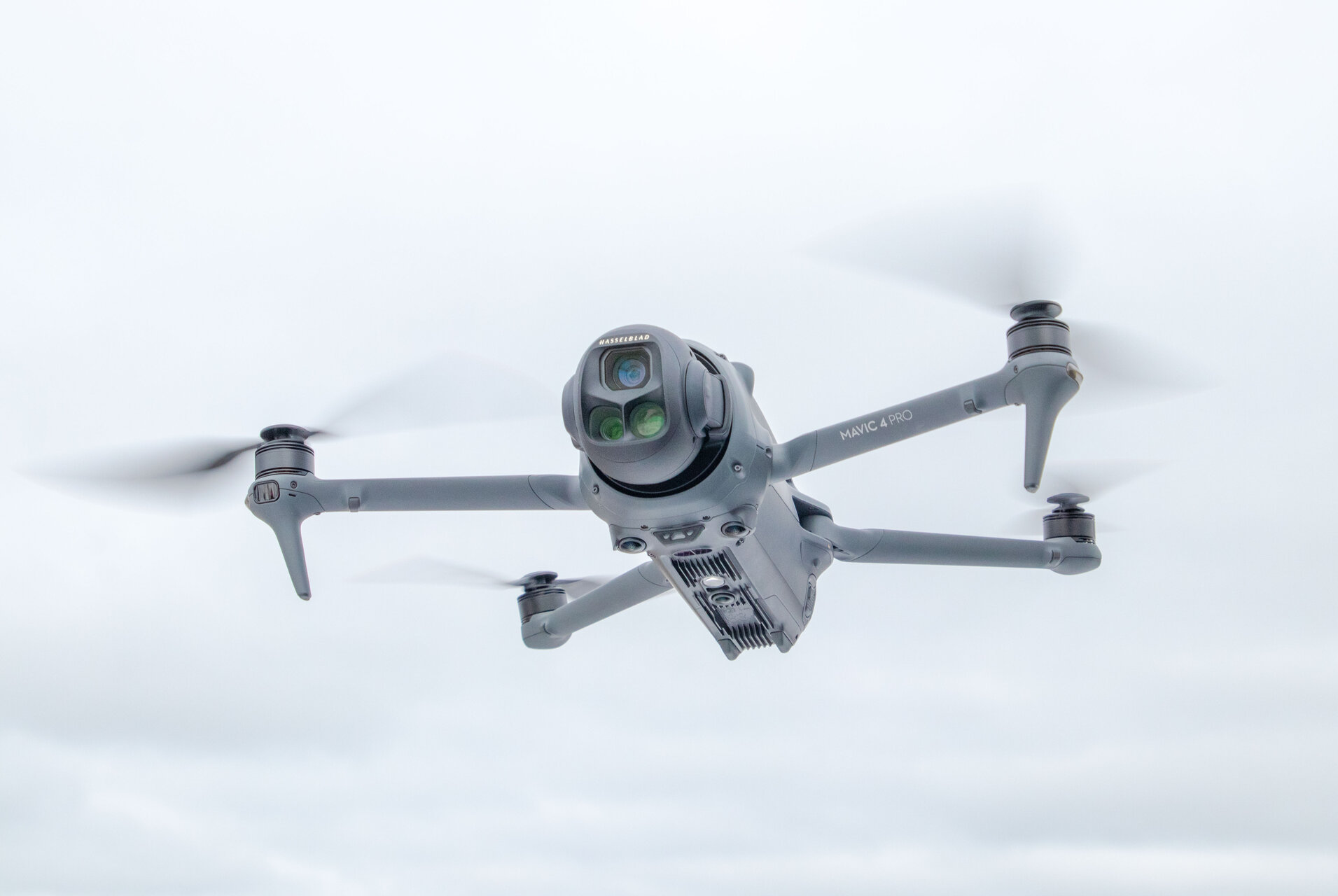
FCC drone firmware waiver is the 8 May regulatory u-turn that keeps DJI, Autel and TP-Link devices safe to update into 2029. The FCC’s Office of Engineering and Technology extended the temporary waiver under order DA 26-454, so previously authorised foreign-made drones and consumer routers can keep receiving software and firmware updates in the United States until at least 1 January 2029.
- The FCC drone firmware waiver was extended by the Office of Engineering and Technology on 8 May 2026 under order DA 26-454.
- The new deadline is at least 1 January 2029 for both UAS (drones) and consumer-grade routers, replacing earlier 2027 cut-offs.
- The waiver covers Class I changes (security patches) plus Class II changes (substantive firmware updates intended to mitigate consumer harm).
- Eligibility cut-offs: drones authorised before being added to the Covered List on 22 December 2025, and routers authorised before 23 March 2026.
Why the FCC drone firmware waiver was extended
The FCC drone firmware waiver matters because the alternative would have been a cybersecurity disaster. Millions of DJI drones, Autel airframes and TP-Link routers are already in American homes. Cutting off security patches on those devices would have left every owner exposed to known vulnerabilities for years, without offering them a path to replacement hardware. The FCC concluded, in its own language, that “special circumstances warrant a deviation from the general rules and the public interest would be better served by extending the waiver”. Translation: a strict reading of the Covered List rules would have created a worse security problem than the one it was meant to fix.
Order DA 26-454 also expands the scope of the previous waiver. Where the earlier order only allowed Class I permissive changes — narrow security patches and bug fixes — the 8 May version now covers Class II permissive changes too. That matters because Class II includes substantive firmware modifications that may change device behaviour in order to mitigate harm. In practical terms, DJI and Autel can keep shipping firmware that improves geofencing, no-fly zone handling or compliance behaviour on US-deployed drones until at least 2029. The deadline replaces the previous 1 January 2027 cut-off for drones and the 1 March 2027 cut-off for routers.
What the FCC drone firmware waiver covers
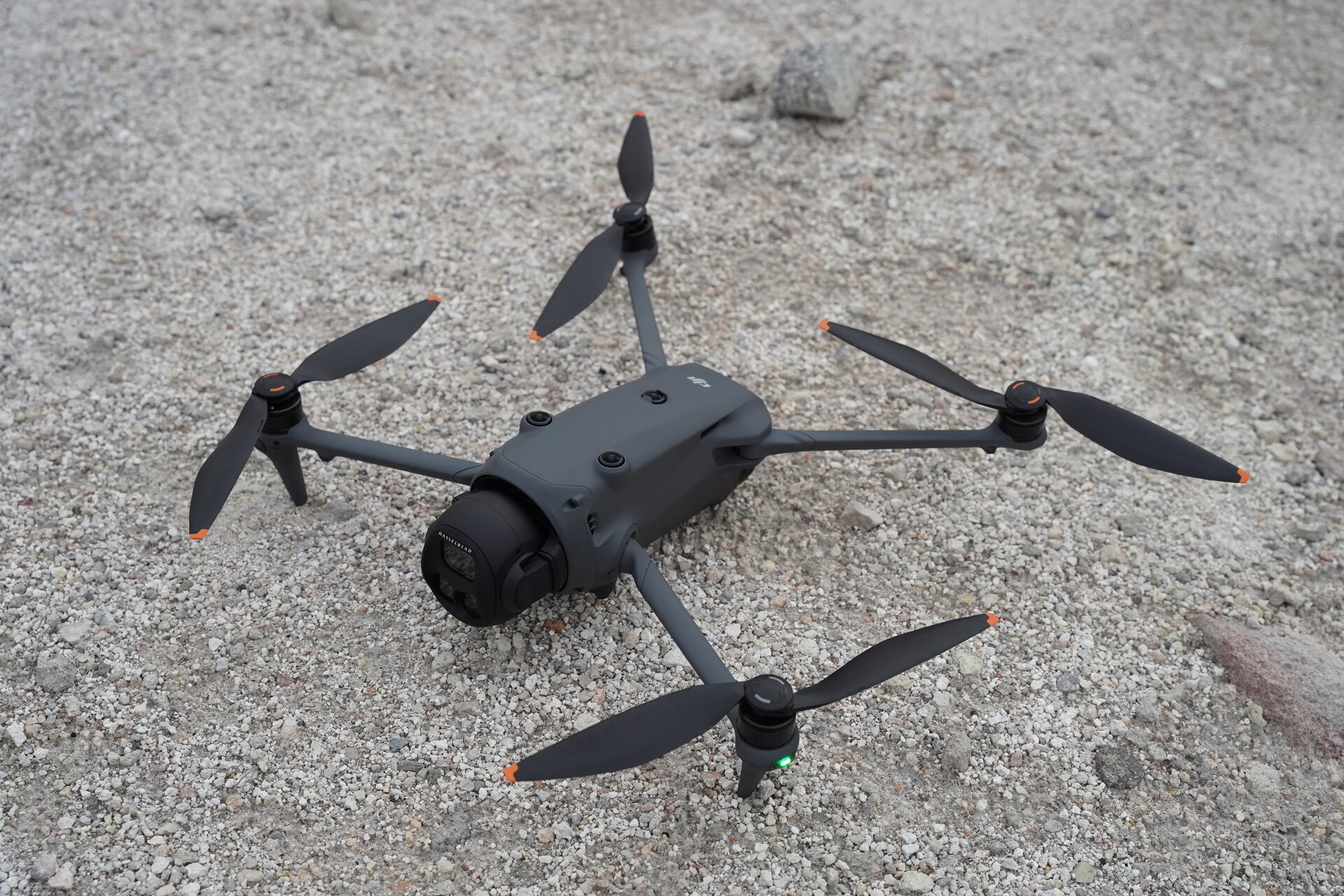
The waiver covers two narrowly defined classes of equipment. First, UAS and UAS critical components manufactured outside the United States that received FCC equipment authorisation before being added to the Covered List on 22 December 2025. Second, consumer-grade routers manufactured outside the United States that received FCC authorisation before being added on 23 March 2026. In both cases the eligibility cut-off is the original date the device class joined the Covered List. Anything authorised after those dates is not protected by the FCC drone firmware waiver — which is the whole point.
The waiver does not reverse the Covered List or remove DJI, Autel and TP-Link products from it. New SKUs cannot get new authorisations, cannot legally be imported or sold in the United States and cannot enter federal procurement under Blue UAS rules. What the FCC drone firmware waiver does is buy three years of orderly transition for existing American owners. DJI’s broader appeal of the Covered List addition is still progressing through the FCC’s public comment phase and the Ninth Circuit Court of Appeals; we covered the deadline crunch in the DJI FCC ban public comment story earlier this week.
FCC drone firmware waiver before and after
The shape of the rule changed twice in six months. The Covered List was first updated on 22 December 2025 to include foreign-produced UAS, and again on 23 March 2026 to include consumer routers. The first waiver was narrow and short. The 8 May order is wider and longer. That distinction matters because it shows the FCC adjusting its position in response to operational reality. American drone operators, IT teams and even some federal partners pushed back against the original timeline. The Pentagon has filed in favour of keeping foreign drones off the Covered List entirely on different grounds; the cybersecurity argument for the FCC drone firmware waiver is more pragmatic.
| Provision | Pre-8 May 2026 | Post FCC drone firmware waiver |
|---|---|---|
| Drone firmware deadline | 1 January 2027 | At least 1 January 2029. |
| Router firmware deadline | 1 March 2027 | At least 1 January 2029. |
| Permissive changes covered | Class I only | Class I and Class II. |
| Sales of new SKUs | Blocked under Covered List | Still blocked — waiver only covers existing authorised devices. |
The FCC also signalled the Office of Engineering and Technology will recommend codifying the waiver through formal rulemaking, with the possibility that the cut-off date moves again. DJI’s chances of getting back on to the FCC equipment-authorisation list still depend on the wider Covered List appeal. But anyone who already owns a Mavic 3 Pro, Mavic 4 Pro, Air 3S, Mini 4 Pro, Avata 2 or Lito X1 in the United States has just been told their drone can keep getting safe updates for at least the next two and a half years. The same goes for owners of TP-Link Archer and Deco routers on the Covered List.
What UK drone pilots should take from the FCC drone firmware waiver
UK pilots can fly DJI, Autel and other foreign-made drones perfectly legally under existing CAA rules, and the FCC drone firmware waiver does not change that one bit. The reason it still matters here is that DJI’s firmware engineering is a global pipeline. If the US business had been pushed into a hard 2027 firmware cut-off, the company would have had to decide whether to keep building US-specific builds or simplify to a single global firmware. Either path slows everyone’s updates. With the 2029 runway in place, DJI can keep shipping unified firmware that benefits UK Mavic, Mini and Avata owners.
That feeds directly into our buying guidance. If you bought a DJI drone in 2024 or 2025 — including the DJI Lito X1 beginner airframe we recommended in April — the firmware lifeline you depend on for safe updates and geofencing fixes is now backed by an FCC order in the largest single drone market in the world. That stability is what most UK pilots actually care about, since it underwrites the no-fly-zone database, ActiveTrack improvements and battery management work that lands in DJI Fly updates each quarter. UK pilots should still keep up with our broader UK drone rules guide for 2026 because the regulatory floor here moves independently of the FCC.
Three things to watch next. First, whether the FCC formally codifies the waiver via rulemaking — that would make the 2029 deadline harder to roll back. Second, whether DJI’s wider Covered List appeal at the Ninth Circuit lands a remand that forces the FCC to revisit the underlying ban. Third, whether the Pentagon’s Blue UAS push produces a Western-made drone competitive enough to make the FCC drone firmware waiver moot for new buyers. None of that is settled. What is settled, as of 8 May 2026, is that millions of US drone owners and IT teams just got a longer runway than they were going to get.
MTW verdict
The FCC drone firmware waiver is the regulatory u-turn DJI, Autel and TP-Link owners needed. It does not unwind the Covered List, but it stops Washington from creating a self-inflicted cybersecurity mess. UK pilots benefit indirectly because unified firmware survives. Worth tracking until the FCC turns this waiver into a permanent rule.
Buyer action
Where to buy or check next
Use this as the final check before ordering a phone, changing network or trusting a headline monthly price.











Reader discussion
Leave a comment
Comments are moderated. Keep it useful, accurate, and on topic.