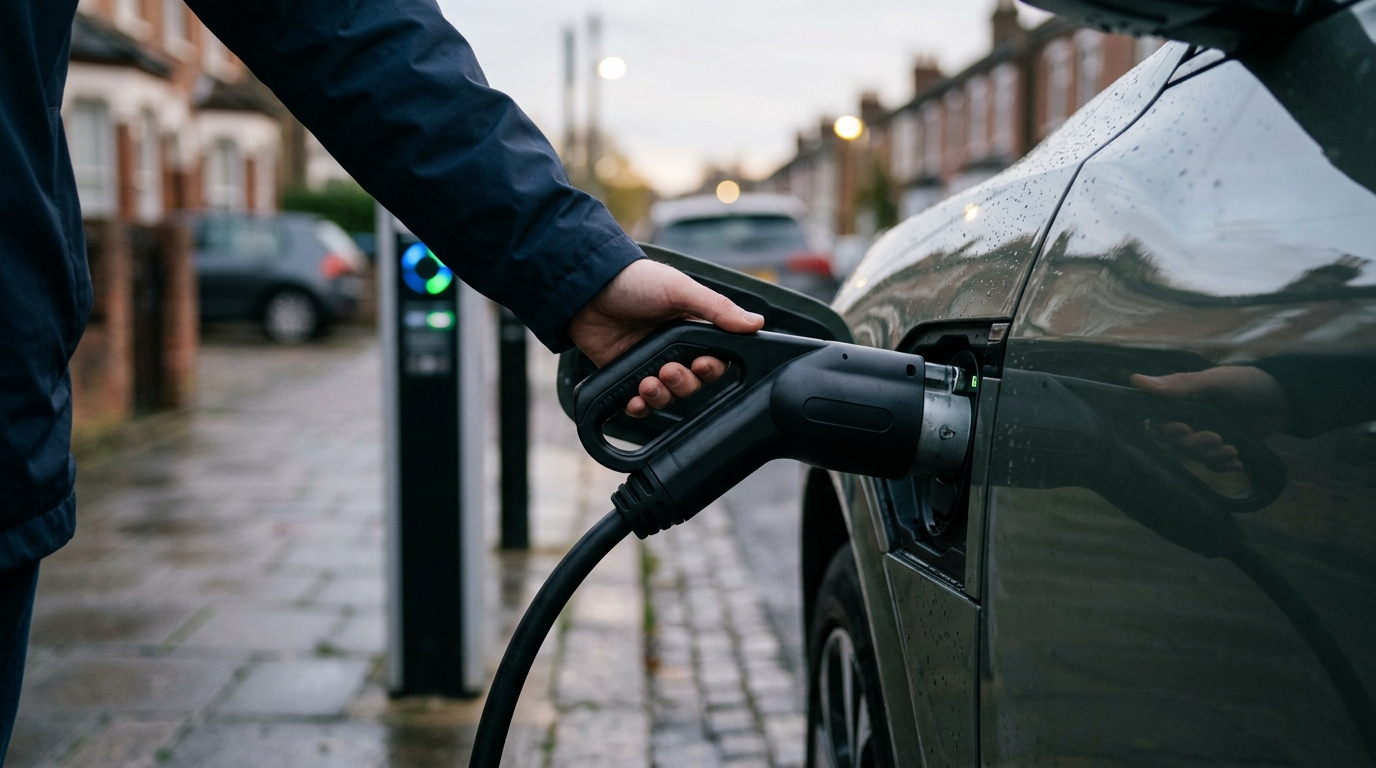
For years, the conversation around electric cars centred on one question: can it get me where I need to go without running out of battery? Range anxiety dominated EV discourse, shaped purchasing decisions, and gave sceptics their most potent argument. But in 2026, that anxiety is increasingly misplaced. The real problems with electric car ownership are no longer about how far the car can go. They are about what happens when you try to charge it.
Range Anxiety: Contents
- The Range Problem Has Largely Been Solved
- Charging Infrastructure: The New Anxiety
- What Is Actually Being Done
- Reframing the Conversation
The Range Problem Has Largely Been Solved
Consider the current state of EV range. The average new electric car sold in the UK in 2026 offers between 250 and 350 miles of real-world range. The Tesla Model 3 Long Range manages around 340 miles. The Hyundai Ioniq 6 delivers close to 320. Even more affordable models like the MG4 Extended Range offer around 280 miles, enough for the vast majority of journeys without a single charging stop.
The average UK car journey is around 8.4 miles according to Department for Transport travel data. The average daily driving distance is about 20 miles. Even a budget EV with 180 miles of range covers a full week of typical driving on a single charge. For the 95 per cent of journeys that are local, including commuting, school runs, shopping, and visiting friends, range simply is not a factor. You charge overnight at home (if you have that option) and wake up to a full battery every morning.
Charging Infrastructure: The New Anxiety
If range is solved, the real headache now is the public charging network. Ask any EV owner about their worst driving experience of the last twelve months and it will almost certainly involve a charger, not the car.
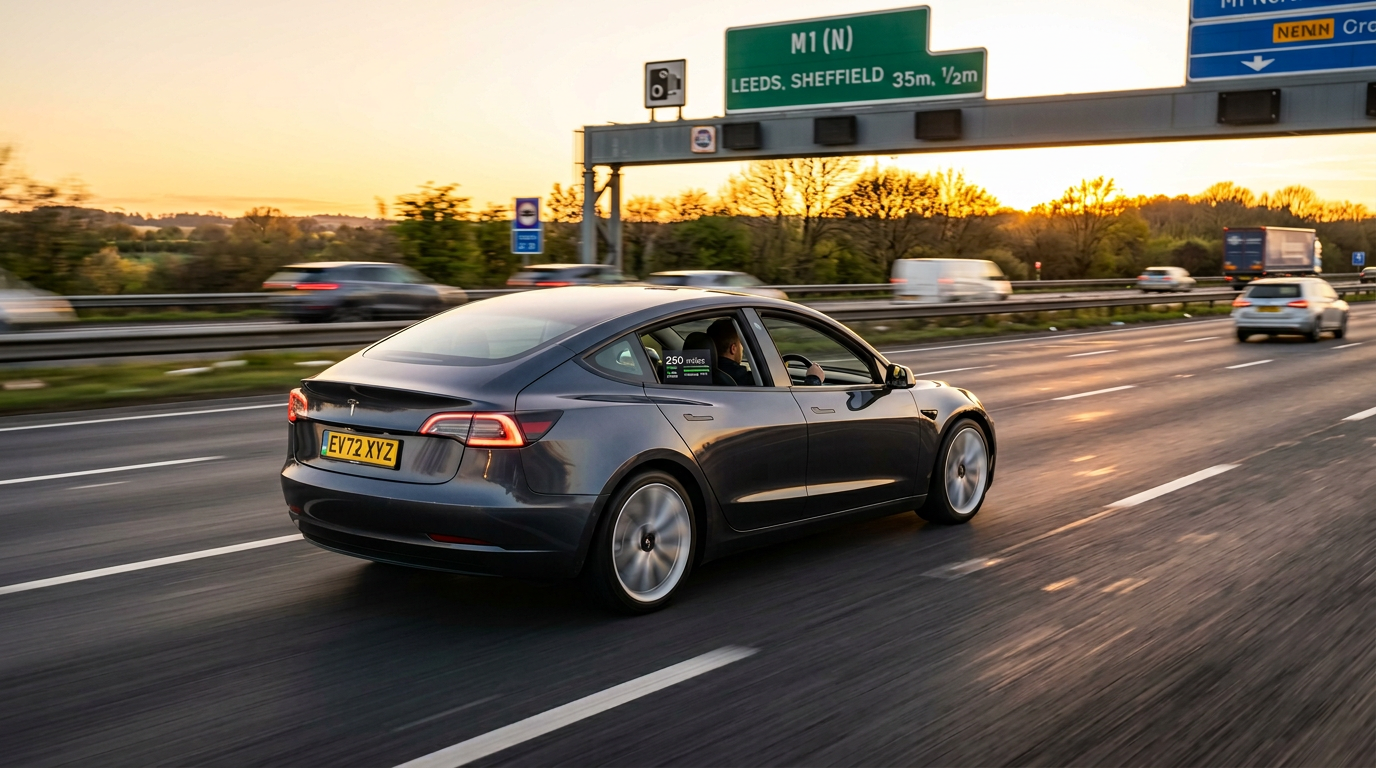
Charger reliability remains inconsistent. Zap-Map’s data shows that while overall reliability has improved, a meaningful share of public rapid chargers in the UK are out of service at any given time. Arriving at a motorway service station to find two of three chargers displaying error messages is not an unusual experience. When you are at 12 per cent battery on a motorway hard shoulder, a broken charger is not a minor inconvenience; it is a genuine problem.
Queuing has become a real issue. The number of EVs on UK roads has grown faster than the charging network has expanded. At popular service stations during holiday weekends, queues of 30 to 45 minutes to access a charger are not uncommon. This is particularly acute at locations with only two or three rapid chargers, which is still the norm at many motorway services. The government’s target of 300,000 public charge points by 2030 is ambitious but necessary. Zap-Map puts the UK’s total at over 119,000 individual chargers across roughly 46,000 locations as of spring 2026, so the network is growing fast, but not fast enough to outpace EV uptake at peak times.
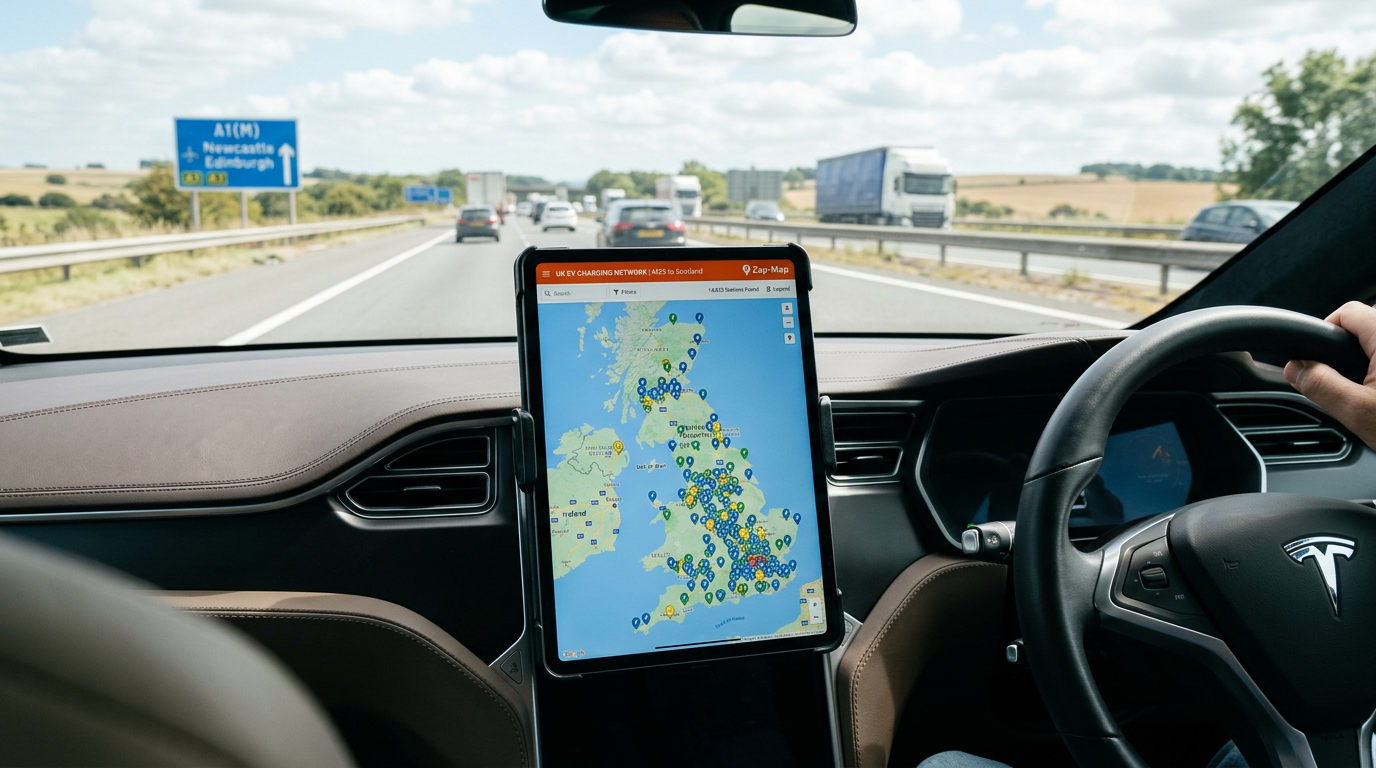
Payment systems are a patchwork. Despite regulatory moves towards mandatory contactless payment, the UK charging landscape remains fragmented. Some networks require an app. Others need an RFID card. A few still ask you to call a phone number. The dream of pulling up to any charger and tapping your bank card, the way you would at a petrol pump, is closer than ever but not yet universal. For anyone who has struggled with a malfunctioning app at 11pm in the rain, this is not a trivial complaint.
What Is Actually Being Done
Regulation is finally catching up. The UK’s Public Charge Point Regulations 2023 require new rapid chargers over 8kW to accept contactless payment, to publish reliability data, and to provide 24/7 helplines. Operators like Gridserve, BP Pulse, Instavolt and Osprey are adding hundreds of bays at new large-format hubs, and the Department for Transport has pushed local councils to use the LEVI fund to expand on-street charging in residential areas.
Apps like Zap-Map, which we covered in our best EV charging apps guide, help drivers navigate the current chaos by aggregating real-time charger data and user reports. They are a sticking plaster rather than a solution, but they make a meaningful practical difference right now.

Reframing the Conversation
We are overdue a grown-up conversation about what actually holds EV adoption back today. Range anxiety was a useful shorthand ten years ago when 80 to 100 miles was the norm. In 2026 it is a misleading distraction.
The industry and the media need to move past range anxiety as the headline concern. Most people considering an EV in 2026 know that a 300-mile range is sufficient. What they worry about, and what they are right to worry about, is whether the charger will work when they get there, how long they will queue, and whether they will need three different apps and an RFID card to pay for it.

Solving range was an engineering challenge, and the car manufacturers have largely met it. Solving charging infrastructure is a policy, investment, and logistics challenge, and it is the one that will determine how quickly and how equitably the transition to electric transport actually happens.
The good news is that the trajectory is positive. Charging networks are expanding, reliability is improving, and regulatory pressure is forcing operators to raise their standards. But “it is getting better” is not the same as “it is good enough,” and pretending otherwise does a disservice to the people trying to make informed decisions about their next car. For a practical look at managing the charging landscape today, our guide to finding chargers with your phone remains the best place to start. For broader industry analysis, Electrifying offers some of the most balanced EV journalism in the UK.
Related reading on MTW
- Cala’s kIQ Plus Is the Wearable That Finally Makes the Consumer Medical Argument Properly
- AGIBOT’s G2 Launch Is the Humanoid Robot Pitch That Actually Sells Into a Factory
- Volkswagen’s ID.3 Neo Refresh Is the Apology Europe’s EV Buyers Actually Needed
MMTW Editorial
Buyer action
Where to buy or check next
Use this as the final check before ordering a phone, changing network or trusting a headline monthly price.














Reader discussion
Leave a comment
Comments are moderated. Keep it useful, accurate, and on topic.