It’s about bloody time. Google has at last begun rolling out the Google Messages location sharing feature that Android users have been demanding for years. Powered by the new Find Hub, this real-time capability allows you to share your live location for up to 23 hours and 59 minutes in any conversation. It’s a direct response to the features that have long been staples in WhatsApp and iMessage, and quite frankly, the delay has been nothing short of ridiculous.
For far too long, Android devotees have suffered the indignity of switching apps just to prove they were stuck in traffic or running five minutes late. The tech giant that loves to boast about its mapping prowess somehow couldn’t manage to embed live location into its flagship messaging app until now.
As the Android Authority reports, the rollout is now underway, with users starting to see the new option appear in their chats. This isn’t some half-baked static pin, it’s proper, updating-in-real-time location sharing that shows exactly where you are on a map view embedded in the conversation.
9to5Google reports that the feature is powered by Google’s Find Hub, the all-in-one location platform that also helps track devices and items even when offline. You simply tap the attachment icon or plus button in a conversation, select real-time location, choose how long to share for, and send. Recipients can watch your progress live without leaving the chat.
How the New Feature Works
The implementation is refreshingly straightforward, which only makes Google’s years of inaction more infuriating. Open any conversation in Google Messages, whether RCS or standard SMS. Look for the new real-time location option next to the old static map pin. Select your sharing duration (options include one hour, today only, until you turn it off, or a custom duration up to 23 hours 59 minutes) and confirm.
Once sent, the recipient sees an interactive map that updates as you move. You can stop sharing at any time, and the feature automatically expires when the timer runs out. It’s also reciprocal, if someone shares with you, you can quickly share back with a tap.
This integration with Find Hub means the heavy lifting for location accuracy and battery efficiency happens through Google’s dedicated service rather than burdening the messaging app itself. Smart on paper, but again, why did it take until 2026?
Google Messages location: Too Little, Too Late?
Let’s call this what it is: an embarrassing catch-up play. While WhatsApp has offered live location for years and iMessage has made it elegantly seamless since its early days, Google left its users in the dark. We’ve been hammering this point for ages in our editorials, arguing that basic convenience features like this shouldn’t be afterthoughts in 2026.
The provocative truth is that Google often prioritises flashy AI experiments over polishing its core apps. This Google Messages location rollout feels like it was rushed out to quiet the complainers rather than as part of a coherent vision. Yet here we are, celebrating a feature that should have launched in 2022 at the latest.
That said, better late than never. The Find Hub integration could be a genuine differentiator if Google expands it further, perhaps with satellite sharing or tighter family safety tools. For now, it’s the bare minimum required to stop Android from looking outdated next to the competition.
Privacy Risks and Competitive Pressure
Of course, with great location sharing comes great responsibility. Google is quick to note that while messages remain end-to-end encrypted, the location data itself routes through Find Hub and Google’s Maps services. That means it’s subject to the company’s terms and privacy policy rather than true peer-to-peer sharing.
Is this a dealbreaker? For many casual users meeting friends for coffee, probably not. But in an era of increasing surveillance concerns, handing over live movement data to Google for hours at a time deserves scrutiny. The automatic expiry is welcome, but users should still approach with caution.
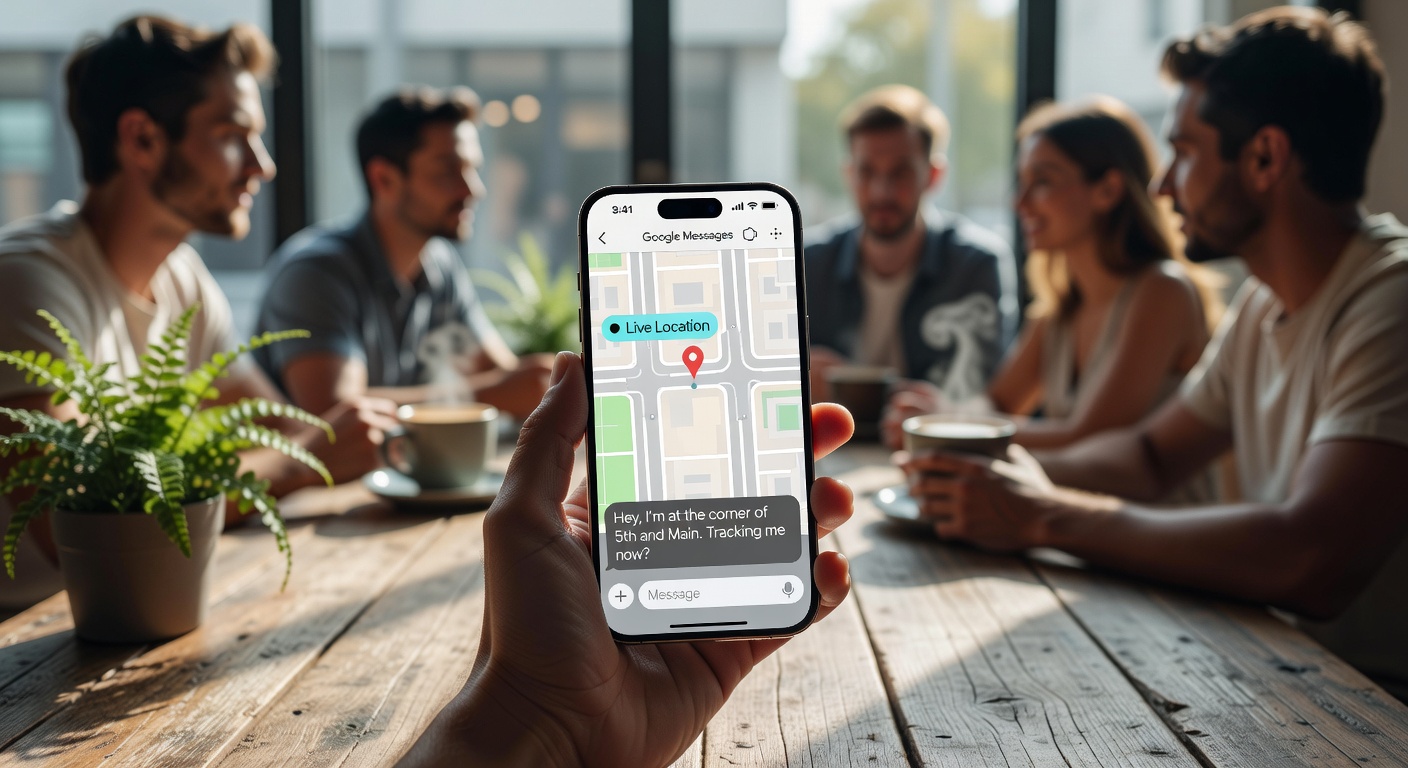
Google messages location aside, meanwhile, the pressure from WhatsApp and iMessage has clearly forced Google’s hand. This feature closes one of the more glaring gaps in the Android messaging experience. For families, delivery drivers, or anyone coordinating in real time, it’s genuinely useful. No more “where are you?” texts followed by vague descriptions.
What This Means for Android Users
The rollout, which began in late March 2026, is still expanding server-side, so not everyone has it yet. Once available, it works across both beta and stable versions of Google Messages. For more context on similar Android updates, keep up with our news coverage.
Ultimately, this is Google doing the obvious thing years after it should have. The feature isn’t revolutionary, it’s remedial. But it does make Google Messages significantly more competitive and practical for everyday life. If you’re tired of fragmented location tools, this could be the nudge to consolidate everything in one app.
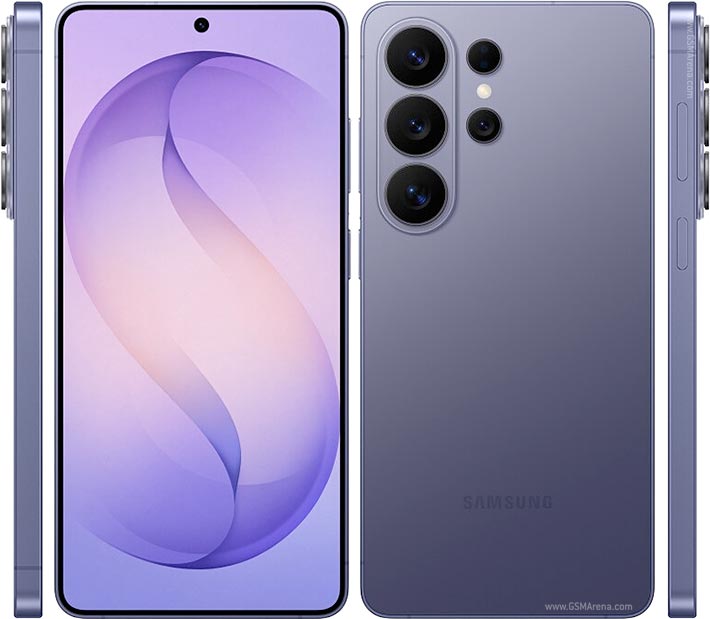
The bigger question is what Google does next. Will it add more Find Hub capabilities directly into Messages? Can it match the polish of Apple’s ecosystem? Or will this be yet another half-implemented feature left to rot? Only time will tell, but for now, Android users can finally enjoy live location sharing without the usual Google-induced frustration.
The provocative reality is this: Google didn’t innovate here. It copied. But in the cutthroat world of mobile messaging, catching up is sometimes the best we can hope for from the search giant. This long-overdue update proves that user pressure works, even if it takes half a decade.
All images credited to their respective sources.
Related reading on MTW
Buyer action
Where to buy or check next
Use this as the final check before ordering a phone, changing network or trusting a headline monthly price.








Reader discussion
Leave a comment
Comments are moderated. Keep it useful, accurate, and on topic.