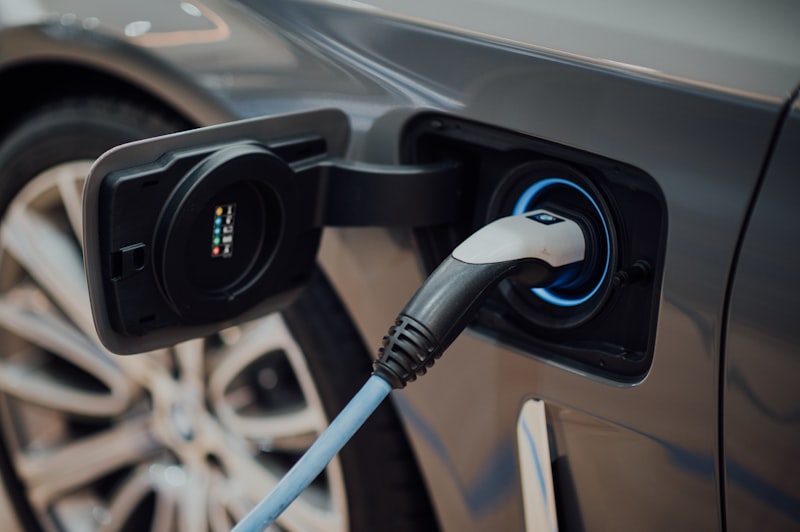
Finding a charger for your electric vehicle should not require guesswork, and the best EV charging apps make it straightforward. Whether you are on a daily commute or a cross-country road trip, the right app on your phone can eliminate range anxiety and save you both time and money. The best EV charging apps have matured as a market considerably, but each platform takes a different approach. Here is how the major options compare in 2026.
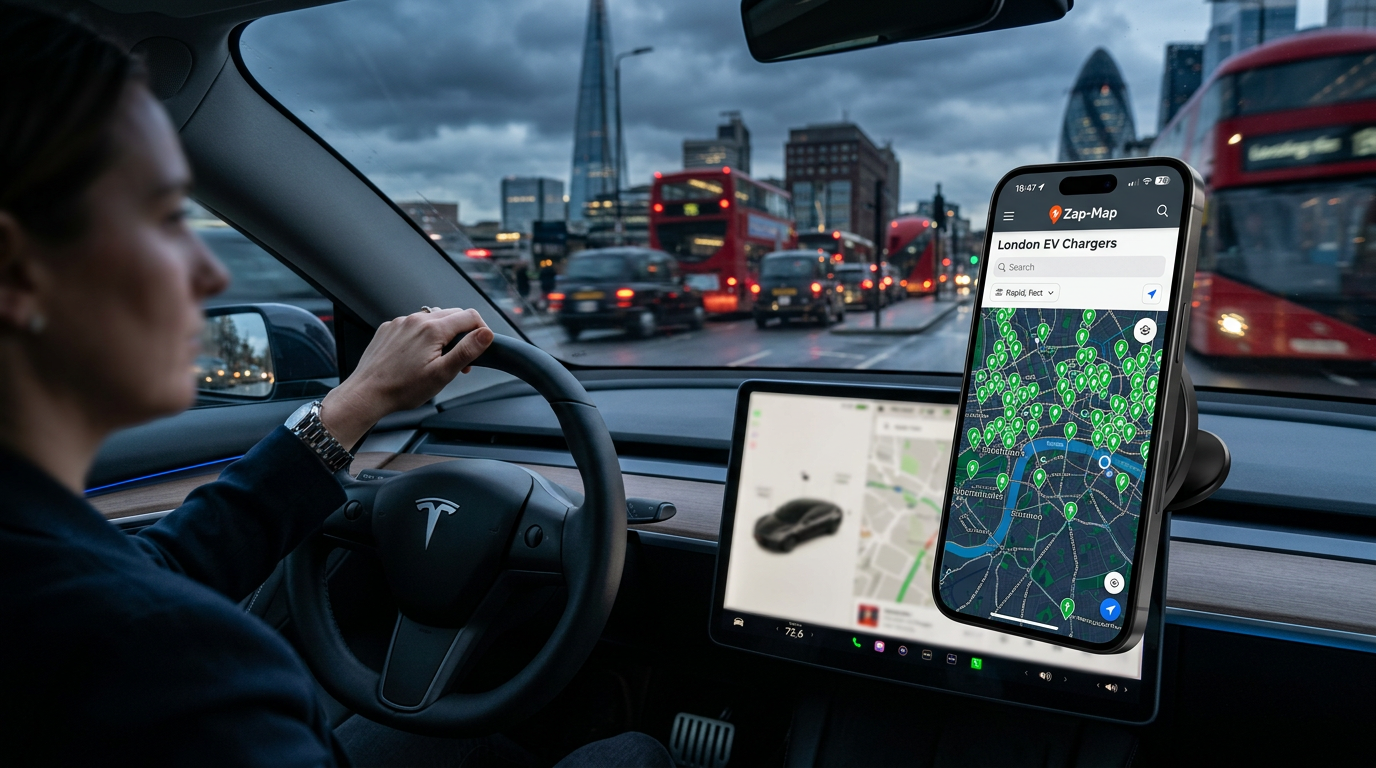
What to Look For
- PlugShare: The Largest Map
- ChargePoint: Integrated Payments
- Zap-Map: The UK Standard
- A Better Route Planner (ABRP): Trip Planning
- Tesla App: Supercharger Network
- Practical Tips for Finding Chargers Anywhere
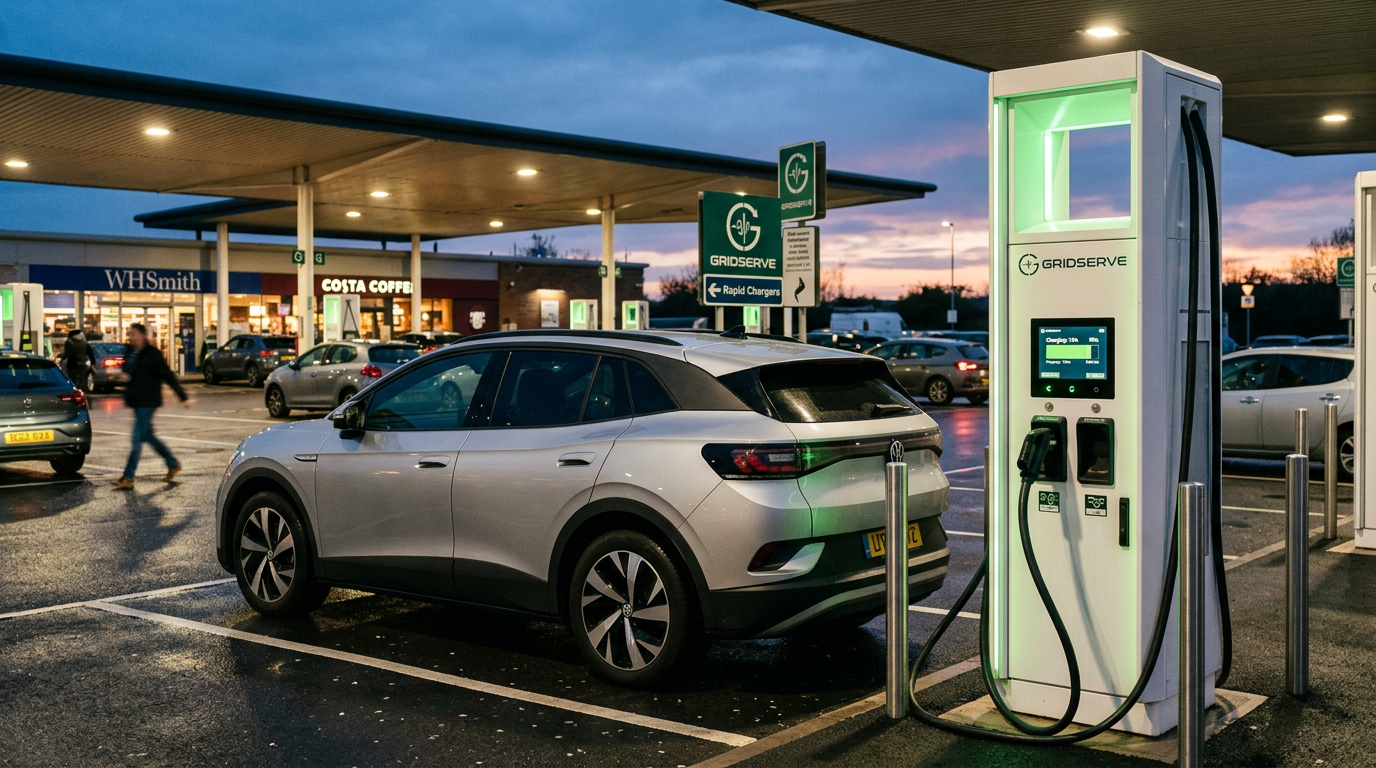
PlugShare: The Largest Map
PlugShare remains the most comprehensive charger-finding tool available. Its database covers over 800,000 charging locations worldwide, aggregating data from virtually every network alongside user-submitted home and destination chargers. The app is free and works on both iOS and Android.
Pros: Unmatched coverage. User reviews and check-ins provide real-world reliability data. Filters for connector type, charging speed, and network make it easy to narrow results. Photos uploaded by other drivers help you locate chargers in confusing car parks, a development closely tied to Best Charging Apps.
Cons: You cannot pay through the app for most networks, so you still need each network’s own app or RFID card. The interface can feel cluttered in dense urban areas with dozens of pins overlapping. Trip planning exists but is basic compared to dedicated route planners.
Best for: Drivers who want a single app that shows every charger regardless of network, particularly useful when travelling to unfamiliar areas.
ChargePoint: Integrated Payments
ChargePoint operates one of the largest charging networks in North America and Europe, and its app doubles as both a charger finder and a payment platform. If you charge frequently on ChargePoint stations, the app streamlines the entire process.
Pros: Start and stop charging sessions directly from the app. Real-time availability status is generally accurate. Waitlist feature lets you queue for busy stations. Price transparency before you plug in.
Cons: Primarily shows ChargePoint stations, so you miss competitors’ locations. Coverage gaps in rural areas where ChargePoint has fewer installations. The app occasionally struggles with session initiation on older stations.
Best for: Drivers who regularly use ChargePoint stations and want a seamless tap-to-charge experience without juggling multiple accounts.
Zap-Map: The UK Standard

Pros: Excellent UK coverage with real-time status updates. Route planner accounts for your specific vehicle’s range and charging curve. Zap-Pay feature enables payment across multiple networks from one app, reducing the need for individual network accounts. Community-driven status updates flag broken chargers quickly.
Cons: Limited usefulness outside the UK. The free tier restricts some filtering and planning features. Premium subscription costs £3.99 per month for full functionality.
Best for: UK-based EV drivers who want the most accurate local data and cross-network payment in a single app.
A Better Route Planner (ABRP): Trip Planning
When it comes to best ev charging apps, aBRP takes a fundamentally different approach. Rather than just showing nearby chargers, it plans your entire journey, calculating where to stop, how long to charge, and what your state of charge will be at each waypoint. It accounts for elevation changes, weather, driving speed, and your vehicle’s specific charging curve.
Pros: The most sophisticated route planning available. Supports hundreds of EV models with accurate consumption data. Integrates with car OBD dongles for live battery data. Factors in real-world variables that simpler planners ignore.
Cons: Overkill for daily commuting. The interface has a steeper learning curve. Some advanced features require a premium subscription at roughly £4 per month. Cannot initiate charging sessions.
Best for: Road trippers and long-distance drivers who want precise, optimised charging stop plans rather than just a map of nearby stations.
Tesla App: Supercharger Network
Tesla’s built-in app and in-car navigation remain the most integrated charging experience available, particularly as the Supercharger network continues opening to non-Tesla vehicles. The app shows real-time stall availability, pricing, and estimated wait times.

Pros: Seamless integration with Tesla vehicles. Supercharger reliability is consistently high. Pricing is transparent and competitive. Non-Tesla access expanding rapidly through 2026. Battery preconditioning activates automatically when navigating to a Supercharger.
Cons: Only shows Tesla Superchargers and Destination Chargers. Non-Tesla vehicles may experience slower speeds at some V2 stations. App functionality is limited for non-Tesla owners compared to native vehicle integration.
Best for: Tesla owners, obviously, and increasingly for non-Tesla drivers in areas where Supercharger coverage is strong. If you are considering a Tesla alongside other EVs, our coverage of the recent Cybertruck pricing changes provides useful context on where Tesla’s strategy is heading.
Choosing the Best EV Charging Apps: Practical Tips
Rural charging: In areas with sparse fast-charging infrastructure, use PlugShare to identify destination chargers at hotels, restaurants, and shops. A slower Level 2 charge during lunch is better than no charge at all. ABRP’s route planner is especially valuable here, as it will route you through towns with confirmed charging rather than sending you down a motorway with no options.
Real-time availability: Not all apps update in real time. ChargePoint and Tesla are generally accurate. PlugShare relies partly on user check-ins, which can lag. Cross-reference two apps if you are heading somewhere with limited options.
Long journey planning: Start with ABRP for the route, then verify individual station status in the relevant network app before you set off. Download offline maps in case you lose signal in rural areas.
Payment preparation: Before a long trip, set up accounts with the major networks along your route. Nothing is more frustrating than arriving at a charger and discovering the app requires account verification that takes 20 minutes. In the UK, Zap-Pay reduces this friction significantly.
The EV charging app landscape is not perfect, but the combination of a good map app like PlugShare and a dedicated route planner like ABRP covers most situations effectively. As you plan your phone-based car interactions, adding the right charging apps to your home screen is a practical next step that pays for itself on the first long drive.
Once you have the charging apps sorted, Car Deal Expert’s EV finance and salary-sacrifice guides cover the UK buying decision.
How we pick
Buyer action
Where to buy or check next
Use this as the final check before ordering a phone, changing network or trusting a headline monthly price.












Reader discussion
Leave a comment
Comments are moderated. Keep it useful, accurate, and on topic.