UPDATED · News · 6 Jun 2026 · Claire Bennett
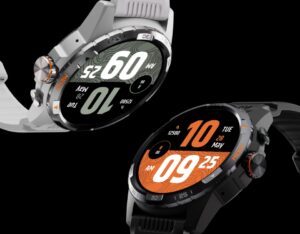
The Huawei Watch GT 6 UK launch put a fitness watch with a genuinely long battery and a tri-band GPS antenna into a price band that the Apple and Samsung flagships do not reach. Huawei unveiled the GT 6 series in Paris on 19 September 2025, and the standard model carries a recommended price of £229.99, with the larger 46mm case promising up to 12 days of typical battery life. This guide explains what the watch actually does, where it beats and loses to the obvious rivals, and whether it is the smartwatch a UK buyer should pick in 2026.
- Announced 19 September 2025 in Paris; recommended UK price £229.99 for the standard Watch GT 6, with launch promotions seen near £199.99.
- Two cases: 46mm (1.47in AMOLED, up to 12 days typical use) and 41mm (1.32in AMOLED, up to 7 days typical use).
- Both screens run at 466 x 466 pixels; the watch is rated 5 ATM plus IP69 for water and dust resistance.
- Tri-band, multi-constellation GNSS (GPS L1 + L5, plus GLONASS, BeiDou, Galileo, QZSS and NavIC) for route accuracy.
- The 46mm body weighs about 51.3g without the strap; the 41mm about 37.5g.
What the Huawei Watch GT 6 UK release actually offers
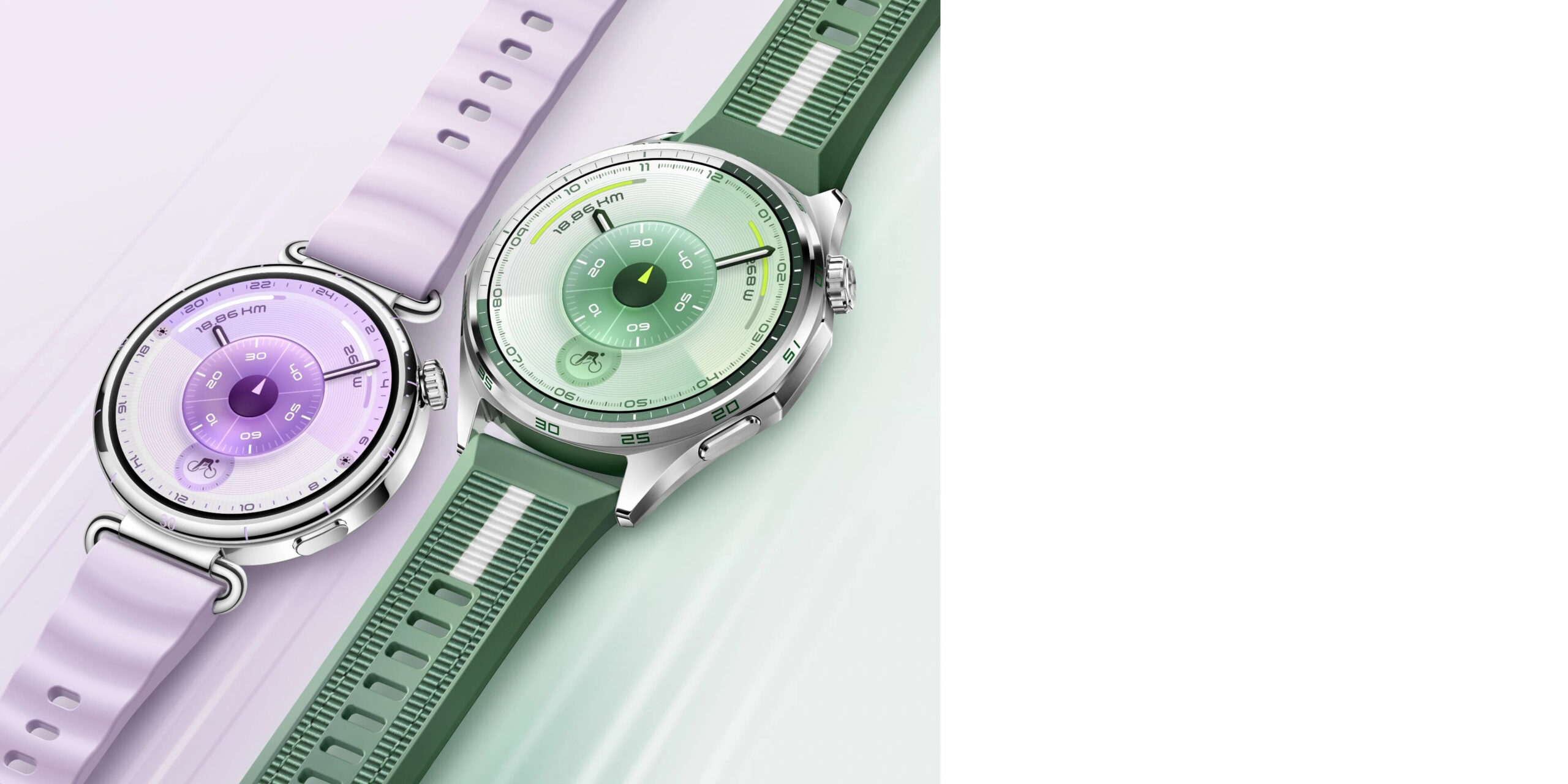
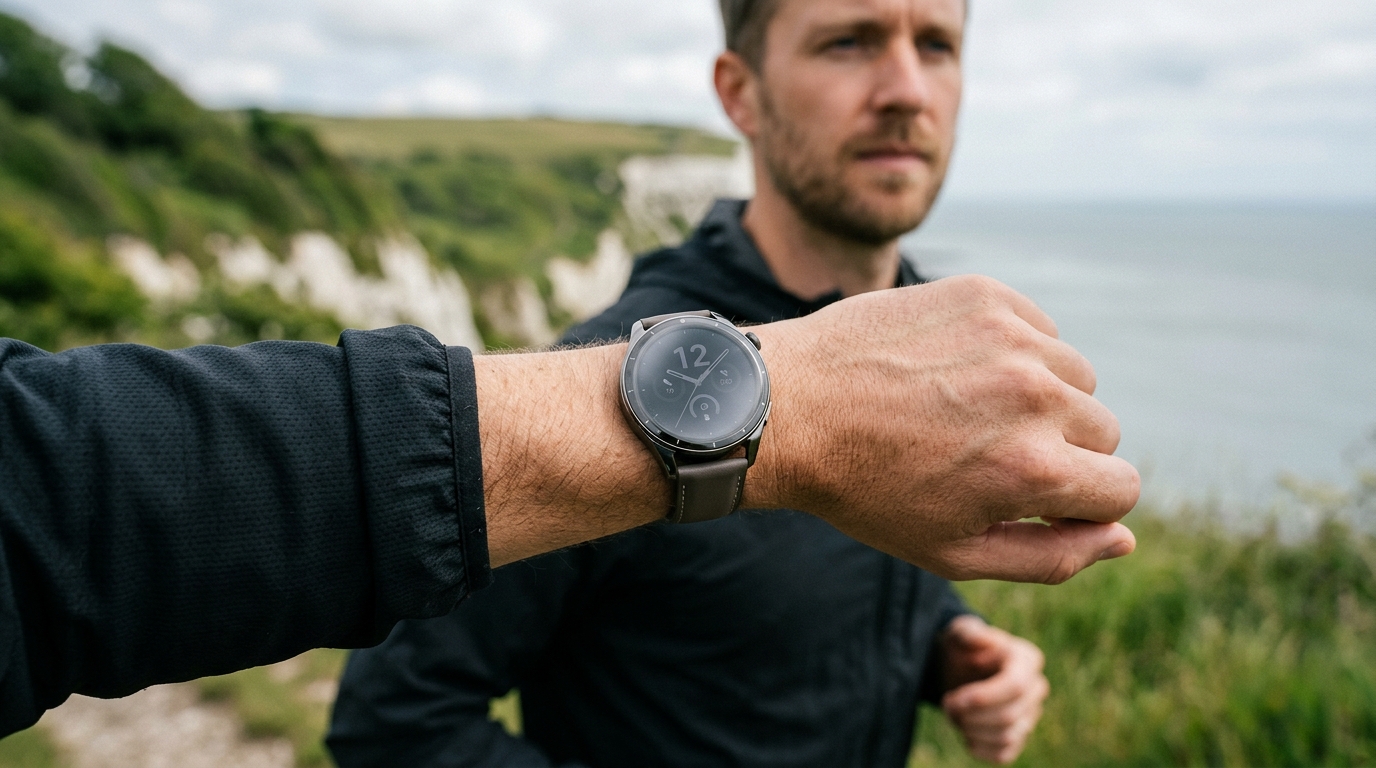
The pitch is simple. Huawei has built a circular AMOLED smartwatch that focuses on battery endurance, satellite-accurate tracking and broad sport support, then priced it below the Apple and Samsung flagships UK buyers usually compare. The 46mm version runs a 1.47in display at 466 x 466 pixels, the 41mm version a 1.32in panel at the same resolution, so text and maps stay crisp on either size. Both are rated 5 ATM and IP69, which covers swimming, showering and rain without drama.
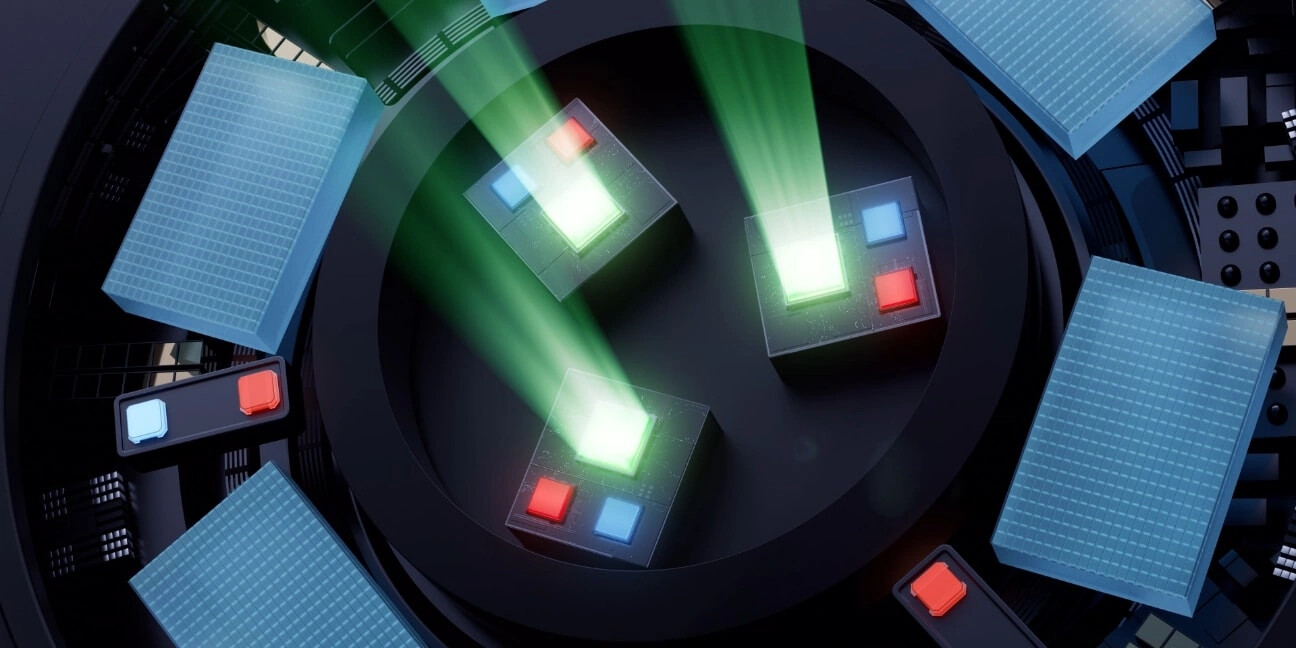
Where the GT 6 earns attention is its sensor stack and antenna. The watch carries an accelerometer, gyroscope, magnetometer, barometer, temperature sensor, ambient light sensor and an optical heart-rate array, and pairs them with a tri-band GNSS receiver that locks onto GPS L1 and L5, GLONASS, BeiDou, Galileo, QZSS and NavIC. That matters for runners and cyclists in built-up UK cities, where single-band watches drift between buildings. If you are weighing this against the Android-first options, our look at the Google Pixel Watch 4 UK price and features sets the contrast in sharp relief.
Battery endurance is the headline feature
Stamina is the reason most people will shortlist this watch. Huawei quotes up to 12 days of typical use on the 46mm GT 6 and up to 7 days on the smaller 41mm, figures that comfortably outrun an Apple Watch Series 11 or a Galaxy Watch, which most owners charge daily or every other day. The trade-off is honest: enable always-on display, heavy GPS sessions and constant SpO2 monitoring and those numbers fall, as they do on every watch. Even halved, though, a week of wear between charges is a different ownership experience.
Charging is wireless, rated up to 10V/2A, so a quick top-up before a long weekend is realistic rather than a full overnight ritual. That endurance also changes how sleep tracking behaves, because you are far less likely to take the watch off at night to charge it. For readers who want a sense of how rivals approach round-the-clock wear, our explainer on Samsung Galaxy Watch fainting detection shows where the safety features are heading, and our note on the watchOS 27 heart-rate update covers Apple’s direction of travel.
Health and fitness tracking in daily use
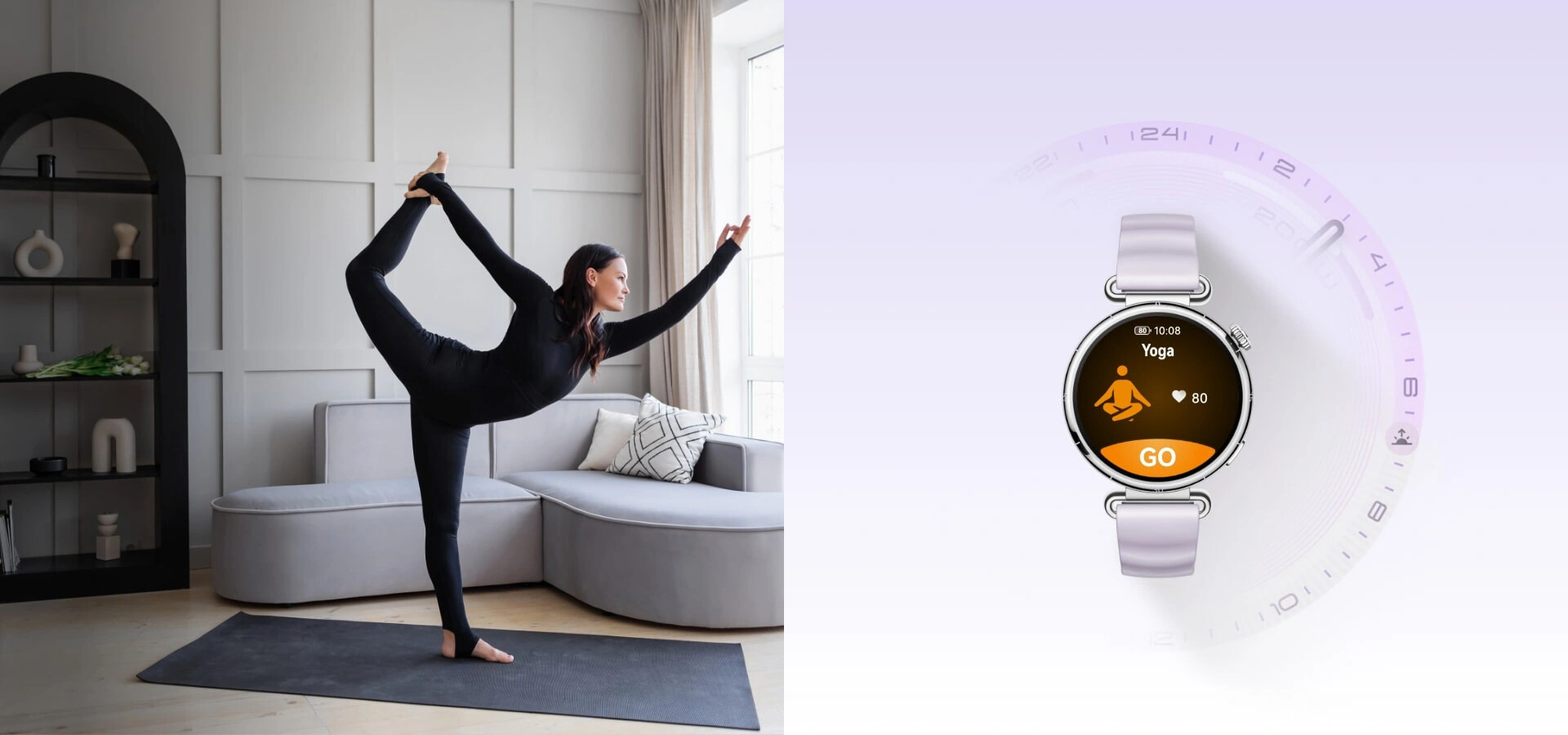
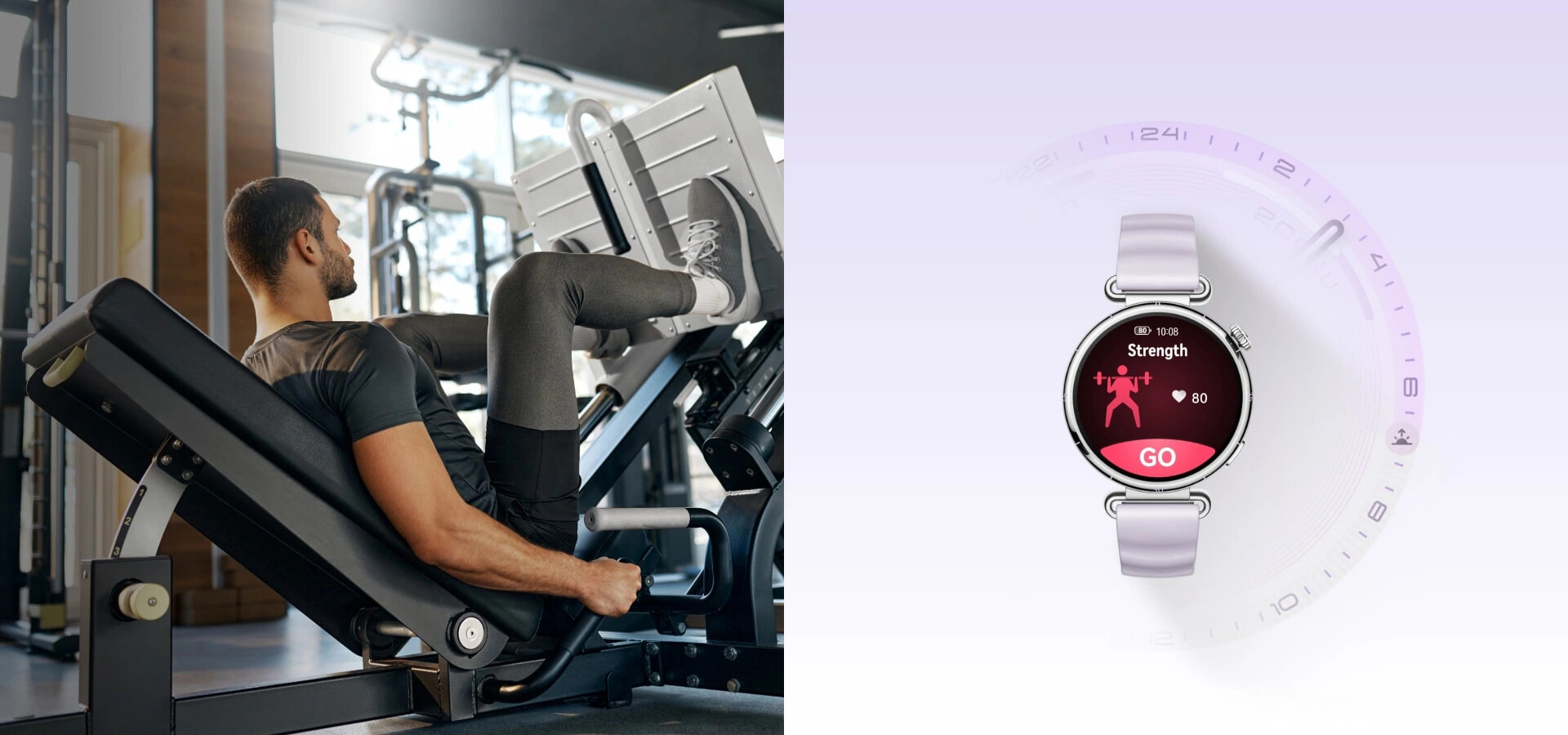
The GT 6 runs Huawei’s TruSense sensing system for continuous heart rate, blood-oxygen readings, sleep staging and stress estimates, alongside a wide library of sport modes covering running, cycling, swimming, indoor gym work and outdoor pursuits. The optical heart-rate sensor and barometer feed altitude and effort data that cyclists and hill walkers will appreciate. The watch also surfaces recovery and training-load guidance, so it is aimed at people who actually train, not just step-counters.
Two caveats UK buyers should keep front of mind. First, ECG and some advanced clinical-style features vary by model and region, and the standard GT 6 specification sheet does not list an ECG; if that matters, check the exact variant before you buy rather than assuming parity with the Pro. Second, none of this is a medical device, and Huawei presents the readings as wellness data. If you want a broader view of what wrist wearables can and cannot claim, our comparison of the Galaxy Watch 8 versus Apple Watch Series 11 is a useful reference point.
Specifications and UK price at a glance
The table below pulls the headline numbers from the Huawei UK specification sheet so you can size up the two cases quickly. The 46mm trades a little wrist comfort for more battery and a larger display; the 41mm is lighter and better suited to smaller wrists.
| Specification | GT 6 46mm | GT 6 41mm |
|---|---|---|
| Display | 1.47in AMOLED, 466 x 466 | 1.32in AMOLED, 466 x 466 |
| Typical battery life | Up to 12 days | Up to 7 days |
| Case dimensions | 46 x 46 x 10.95mm | 41.3 x 41.3 x 9.99mm |
| Weight (no strap) | About 51.3g | About 37.5g |
| Water/dust rating | 5 ATM + IP69 | 5 ATM + IP69 |
| GNSS | Tri-band, six systems | Tri-band, six systems |
| UK RRP (from) | £229.99 | £229.99 |
On price, the standard Watch GT 6 launched at a recommended £229.99, with early-bird promotions bringing it near £199.99 and bundling a free extra strap at launch, while the more luxurious Watch GT 6 Pro starts higher at around £329. Since launch, street prices have softened, and UK comparison sites have listed the GT 6 from well under its recommended figure, so it pays to check current pricing rather than assume the RRP.
How it compares with Apple, Samsung and Pixel
Against the mainstream flagships, the GT 6 wins on stamina and undercuts on price, but it asks for compromises. It runs Huawei’s HarmonyOS-based platform rather than Wear OS or watchOS, so it has no Google Wallet, no native app ecosystem to match Apple’s, and tighter notification handling on iPhone. For an Android user who wants the deepest Google integration, the Samsung Galaxy Watch 8 or a Pixel watch will feel more at home. For an iPhone owner, an Apple Watch remains the tidiest fit.
Where the GT 6 turns the tables is endurance and value. A buyer who cares about multi-day battery, accurate outdoor tracking and a clean training dashboard, and who is relaxed about the smaller app catalogue, gets a lot of watch for the money. Those chasing a wearable purely for health logging rather than apps might also weigh a smart ring; our piece on the Oura Ring 5 UK and the band-class option in our Xiaomi Smart Band 10 Pro versus Band 9 Pro comparison both make the case for cheaper, lighter tracking.
Safety features and everyday extras
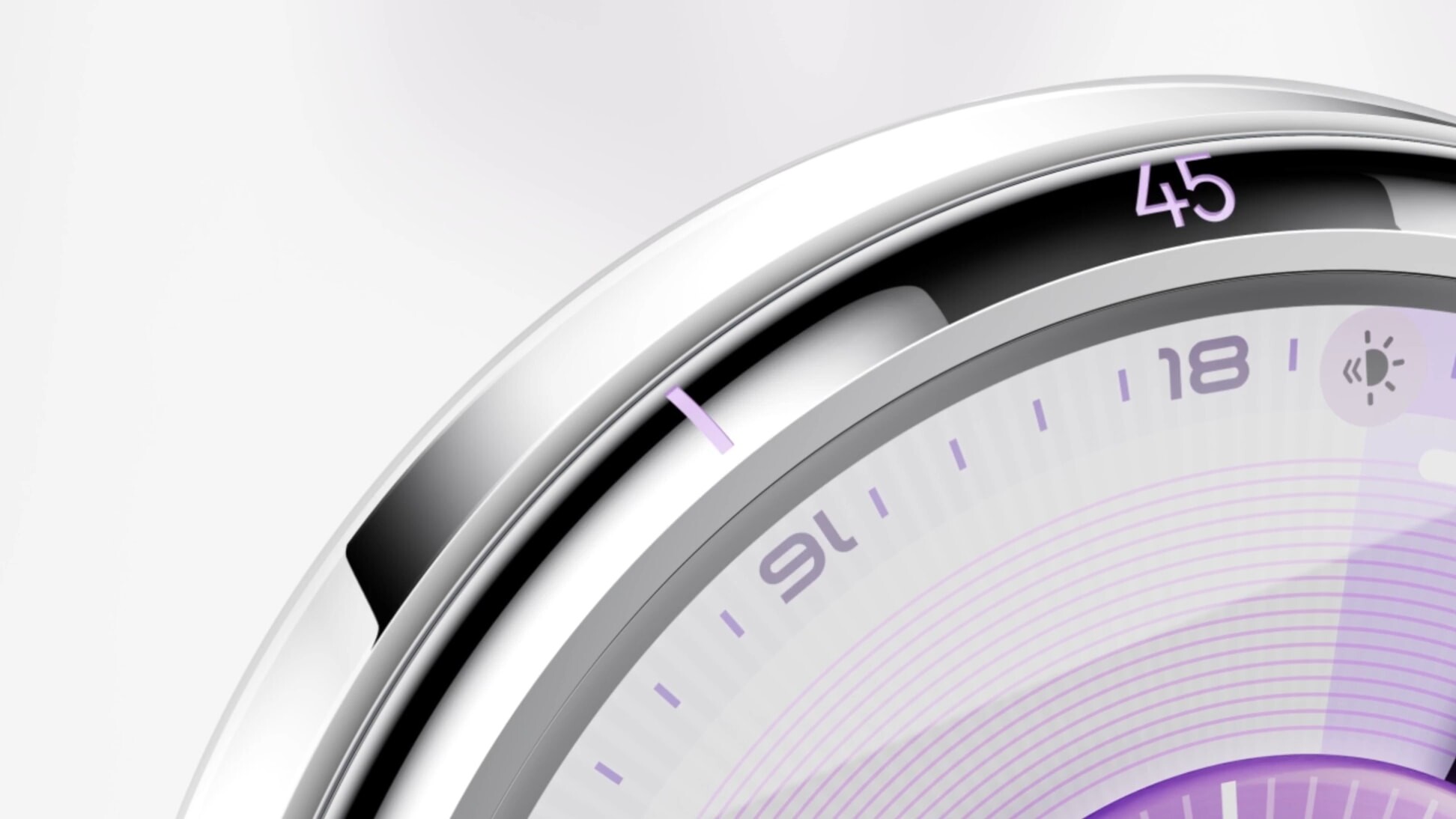
Beyond core fitness, the GT 6 includes fall detection that can prompt an emergency call if it thinks you have taken a hard tumble, a feature that matters for older runners and lone exercisers. It also handles the usual smartwatch staples: NFC, Bluetooth call and notification relay, music controls and a deep library of watch faces. The rotating crown gives tactile navigation that beats poking at a small touchscreen mid-run.
None of these extras replace dedicated safety kit, and fall detection is best treated as a backstop rather than a guarantee. Still, on a watch that already lasts a week, having a safety net that is always charged and on the wrist is a meaningful advantage over a phone left in a bag. If you are building a wider picture of what wrist-worn safety tech can do, our roundup of the best AI wearables to buy in 2026 covers the newer category alongside the established players.
Where to buy or check next in the UK
The most direct route is the Huawei UK store, which lists the watch with its full colour and strap range and runs the launch promotions when they are live. Beyond Huawei, the GT 6 is stocked by mainstream UK retailers and comparison sites, so it is worth lining up a few before you commit.
- Huawei UK store: full strap and case choice, plus any current early-bird bundle and free-strap offers.
- Amazon UK: frequently the cheapest street price; check the seller is Huawei or Amazon itself rather than a third party for warranty cover.
- Argos and Currys: useful for click-and-collect if you want the watch the same day and prefer a high-street returns desk.
- Comparison sites: idealo and PriceSpy have tracked the GT 6 well below RRP, so use them to time a purchase.
Whichever retailer you choose, confirm the case size, the strap material and the exact model before checkout, because the woven, fluoroelastomer, leather and Milanese options carry different prices. Under the Consumer Rights Act you have protections if the watch is faulty, and buying online gives you the standard 14-day distance-selling window to change your mind, so there is little downside to ordering and trying it on at home.
The MTW verdict on the Huawei Watch GT 6
We think the Huawei Watch GT 6 is the right buy for one clear type of UK reader: someone who wants multi-day battery, accurate outdoor GPS and a credible training dashboard for well under flagship money, and who does not need a sprawling app store or contactless wallet on the wrist. At a recommended £229.99, and often less on the street, it is one of the best-value fitness-led smartwatches you can wear in 2026.
We would wait, or look elsewhere, if you are an iPhone owner who relies on tight Apple Watch integration, or an Android user who wants Wear OS apps and Google Wallet, in which case a Galaxy or Pixel watch is the cleaner fit. We would also check whether you specifically need ECG, since the standard GT 6 specification does not list it. For everyone chasing endurance and value over ecosystem depth, this is an easy watch to recommend.
| What we like | What we would watch |
|---|---|
| Up to 12 days battery on the 46mm | HarmonyOS app catalogue is thinner than Wear OS or watchOS |
| Tri-band, six-system GNSS for accurate routes | No ECG listed on the standard model |
| Strong value from £229.99, often less | Tighter iPhone notification handling than an Apple Watch |


Reader discussion
Leave a comment
Comments are moderated. Keep it useful, accurate, and on topic.