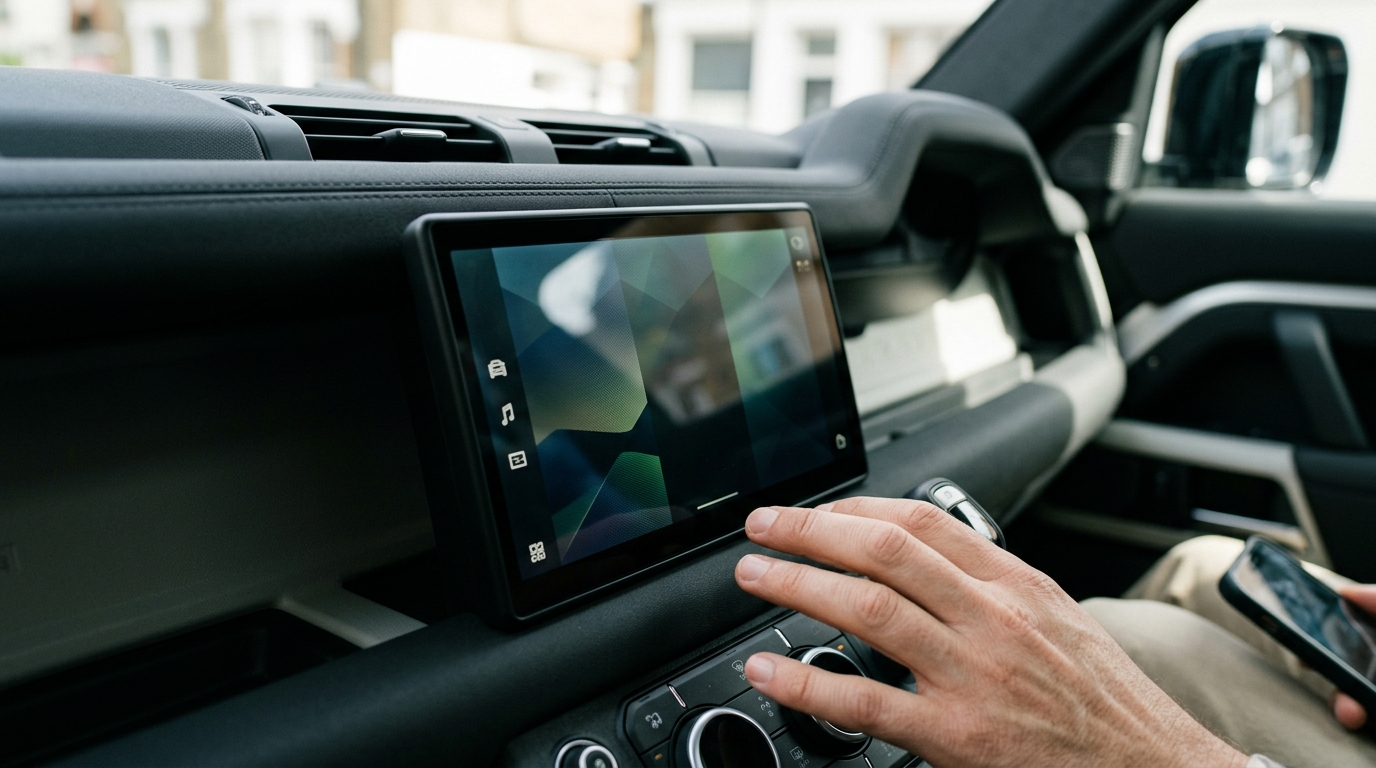
Apple has brought ChatGPT to CarPlay, and the tech press is treating it like a triumph of innovation. It is not. Putting a conversational AI chatbot in a car dashboard — even one limited to voice interaction — is a spectacularly bad idea dressed up in a slick interface, and the fact that ChatGPT CarPlay launched the same week NHTSA quietly closed its Tesla Actually Smart Summon investigation tells you everything about where regulatory priorities currently sit. Nowhere useful.
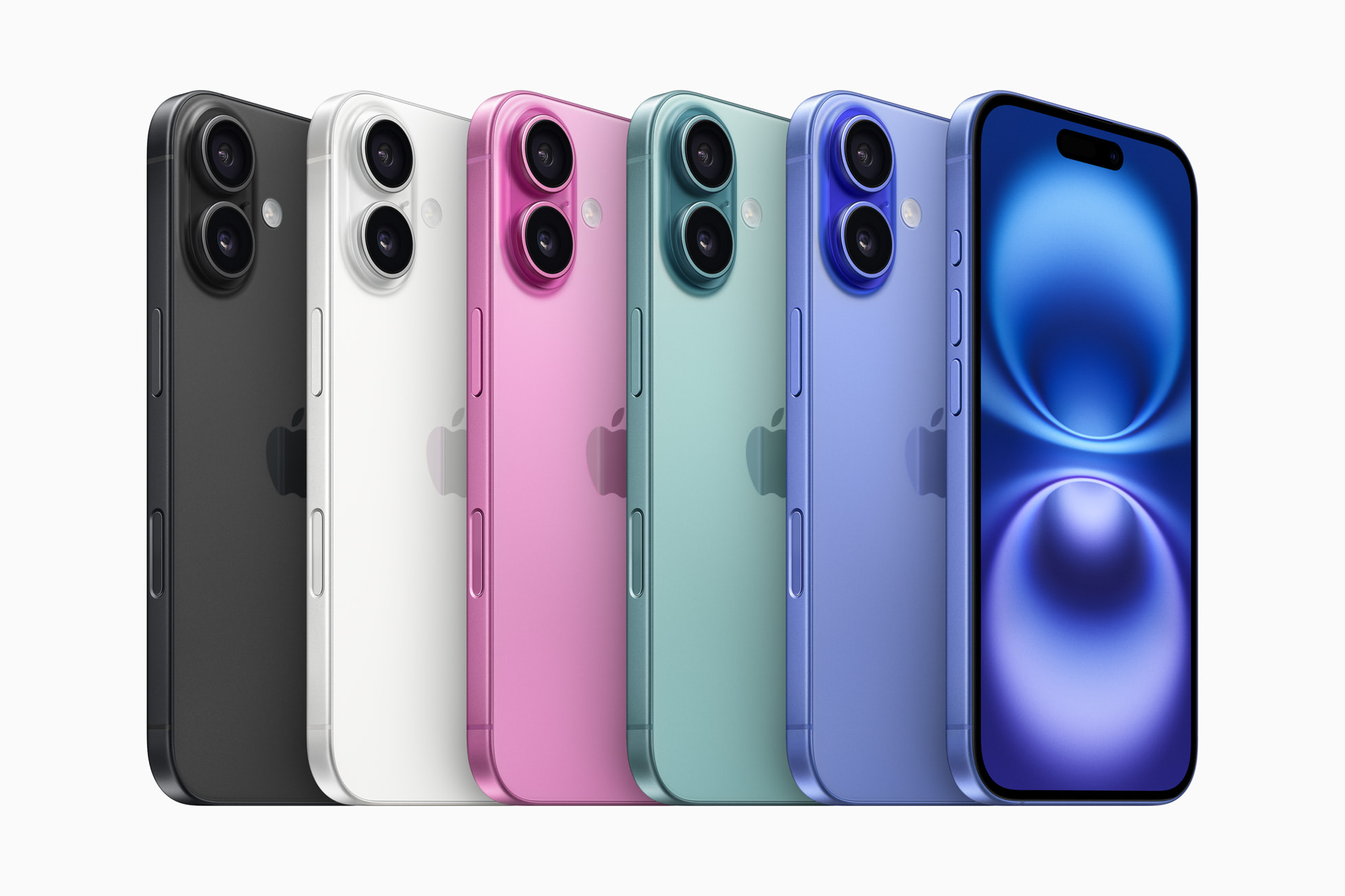
- OpenAI released ChatGPT for Apple CarPlay on 31 March 2026, the first AI chatbot available via Apples in-car platform, requiring iOS 26.4 or later.
- The integration is voice-only – no text UI is shown in the car, no wake word is supported, and the assistant cannot control vehicle systems.
- Apple Voice Control templates in iOS 26.4 also let Claude, Gemini and (from May 2026) Grok run on CarPlay, putting four AI assistants on the dashboard.
- Why it matters: UK drivers are about to face a fragmented AI assistant choice in-car that does nothing to address driver-distraction and data-handling concerns regulators have already flagged.
How ChatGPT CarPlay Actually Works
Let us be fair about the implementation before tearing it apart. ChatGPT on CarPlay is audio-first by design. Apple’s CarPlay framework blocks rich visual chatbot responses — no scrolling text walls, no code blocks, no image generation results on your infotainment screen. You launch the app manually (there is no wake word integration with Siri, at least not yet), ask a question by voice, and get a spoken response. It is, in Apple’s framing, no more distracting than asking Siri for directions or dictating a text message.
That framing is doing a lot of heavy lifting. Siri interactions are typically short, transactional, and predictable: “Navigate to Tesco.” “Call Mum.” “Play Radio 4.” ChatGPT interactions are, by their nature, open-ended, conversational, and cognitively demanding. You do not ask ChatGPT a yes-or-no question; you ask it to explain something, brainstorm something, or debate something. The mental engagement required to process and respond to a ChatGPT answer is categorically different from hearing “Turning right in 300 metres.”
The Distraction Problem Nobody Wants to Quantify
Decades of research on driver distraction have established a clear hierarchy: visual distraction (eyes off road) is the most dangerous, followed by manual distraction (hands off wheel), followed by cognitive distraction (mind off driving). Voice-only interfaces eliminate the first two categories, which is why hands-free calling is legal nearly everywhere. But they do absolutely nothing about the third — and cognitive distraction is the hardest to measure, the easiest to underestimate, and the one regulators consistently ignore.
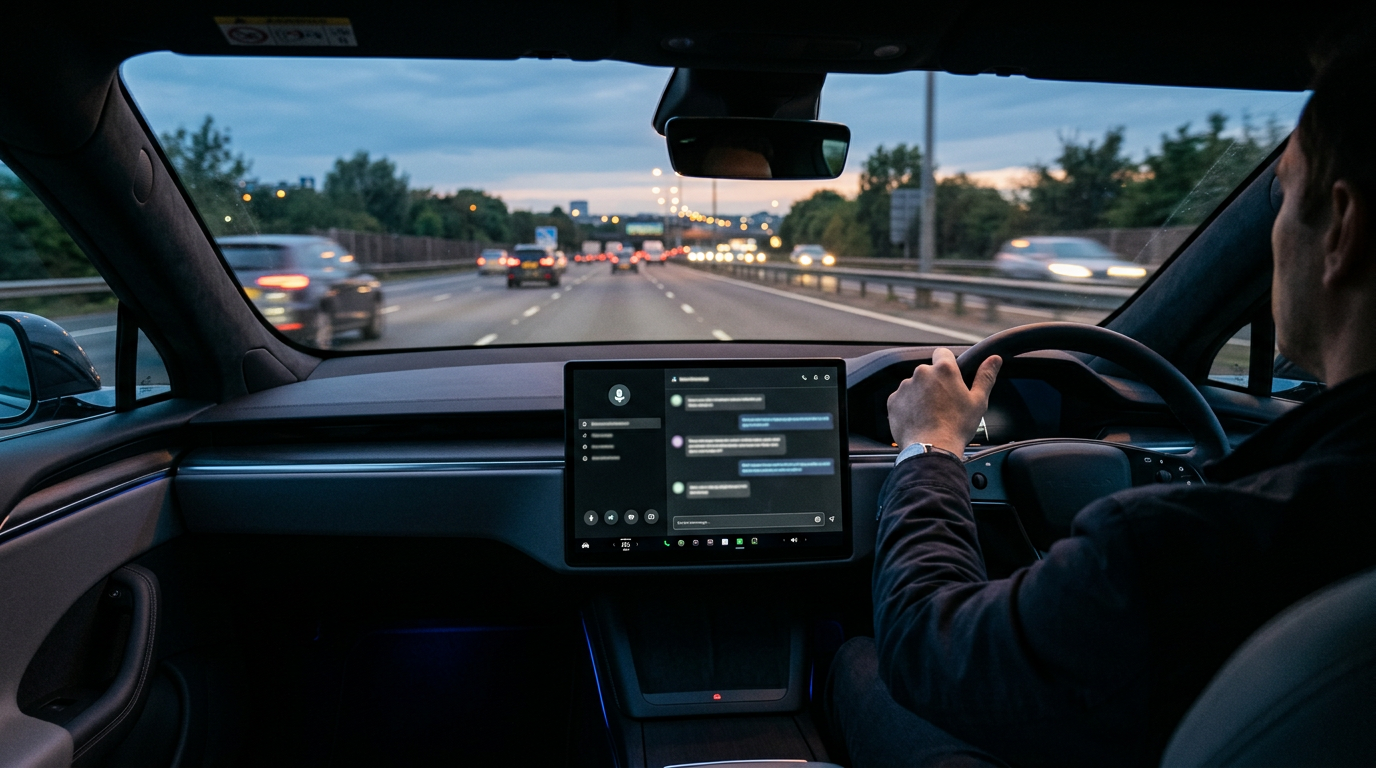
A 2023 study from the University of Utah found that voice-based interactions with AI assistants produced cognitive distraction levels comparable to moderately complex maths problems. Drivers maintained lane position and speed but showed significantly delayed reaction times to unexpected hazards. In other words, you look like you are driving normally right up until the moment a child steps into the road and your brain is half a second too slow because it was busy processing ChatGPT’s explanation of the Krebs cycle.
NHTSA’s Tesla Decision Sets a Dangerous Precedent
The timing of the ChatGPT CarPlay launch is uncomfortably convenient. NHTSA has just closed its investigation into Tesla’s Actually Smart Summon feature, which covered 2.59 million vehicles and found only “minor property damage” incidents. The agency concluded that the system did not present an unreasonable risk to safety. Set aside your feelings about Tesla for a moment and consider what that decision signals to every other company putting AI in cars: unless people are visibly getting hurt, regulators will not intervene.
That is the regulatory environment into which ChatGPT CarPlay launches. Apple does not need NHTSA approval for a voice-based app on CarPlay. There is no pre-market safety review, no distraction testing requirement, no obligation to prove the interaction model is safe at motorway speeds. Apple simply ships it, and the implicit argument is: “Voice calls are legal, Siri is fine, therefore ChatGPT voice is fine.” The logic is superficially sound and fundamentally wrong.
The Counter-Argument Deserves a Hearing
In fairness, the case for ChatGPT in CarPlay is not absurd. Voice-based AI could genuinely be useful on long motorway drives: summarising emails you missed, helping you think through a work problem, or even just providing more interesting companionship than FM radio. If you accept that hands-free phone calls are safe enough to be legal — and they are legal in virtually every jurisdiction — then you have to explain why a voice conversation with an AI is materially different from a voice conversation with your mate Dave.
The honest answer is that it might not be, in aggregate. Most ChatGPT CarPlay interactions will probably be mundane and brief. The risk is in the tail: the moment when the conversation becomes genuinely absorbing, when the AI says something surprising or wrong and your brain locks onto the problem instead of the lorry braking ahead of you. Dave might do that too, but Dave can see the road and shout “Watch out!” ChatGPT cannot.

Someone Will Get Hurt Before the Rules Change
Here is the uncomfortable truth about automotive safety regulation: it is almost entirely reactive. Seatbelt laws came after decades of preventable deaths. Airbag mandates followed years of crash data. Distracted driving laws only passed after mobile phone use was conclusively linked to fatal accidents. The pattern is depressingly consistent — the technology ships, people get hurt, the data accumulates, and eventually the rules catch up. For more, see our Apple coverage. You might also read AI Scribes Are Making Your Doctor Visits More Expensive and Nobody Wants to Fix It.
ChatGPT CarPlay will follow the same arc. The technology works. Apple’s implementation is as responsible as a CarPlay chatbot can be. But the regulatory framework has not caught up to the idea that cognitive distraction from an AI conversation is a distinct and measurable risk. Nobody is going to ban it proactively, because the political will does not exist and the crash data has not accumulated yet. So we will wait. And someone, somewhere, will rear-end a vehicle because they were too deep in a conversation with a language model to notice the brake lights. And then, maybe, the rules will change. That is not a prediction born of hysteria — it is just how automotive safety regulation has always worked, and there is no reason to believe this time will be different.
Related reading on MTW
- Cala’s kIQ Plus Is the Wearable That Finally Makes the Consumer Medical Argument Properly
- AGIBOT’s G2 Launch Is the Humanoid Robot Pitch That Actually Sells Into a Factory
- Volkswagen’s ID.3 Neo Refresh Is the Apology Europe’s EV Buyers Actually Needed
Source: OpenAI ChatGPT.
If the in-dash experience is steering your next car choice, Car Deal Expert covers the UK buying and running-cost side in its EV and company-car guides.
MMTW Editorial
Buyer action
Where to buy or check next
Use this as the final check before ordering a phone, changing network or trusting a headline monthly price.











Reader discussion
Leave a comment
Comments are moderated. Keep it useful, accurate, and on topic.