Choosing the best home EV chargers UK buyers can install in 2026 is no longer optional, it is the single most important decision you make after picking the car itself. The three-pin plug that came in the boot will add roughly 20 miles of range per hour. A dedicated 7kW wallbox adds up to 30 miles per hour and, on the right tariff, costs as little as eight pounds to fill a battery that covers 200-plus miles. If you are still using a granny cable, you are wasting money every single night.
Why a Home Charger Matters — the best home ev chargers uk angle
Public charging in the UK averages 60 to 79p per kWh at rapid chargers, depending on the network. Home charging on a smart tariff like Octopus Intelligent Go drops that to 7.5p per kWh between midnight and half five in the morning. Over a year of average driving (roughly 8,000 miles) the difference is well over a thousand pounds. A home charger pays for itself inside twelve months.
There is a legal angle too. Under the Electric Vehicles (Smart Charge Points) Regulations 2021, which came into force on 30 June 2022, every new domestic charge point sold in the UK must be a smart charger by law, capable of connecting to an electronic communications network, responding to grid demand signals, and scheduling sessions outside peak hours. You cannot buy a dumb wallbox even if you wanted one. The upside is that app control, tariff integration, and energy monitoring now come as standard.
What to Look For in a Home EV Charger — the best home ev chargers uk angle
Charging speed. The vast majority of UK homes run on a single-phase electricity supply, which limits you to 7kW (sometimes listed as 7.4kW). That is fine, it will fill most EV batteries from 20 to 80 per cent overnight. 22kW chargers exist but require a three-phase supply, which is rare in British residential properties and expensive to retrofit. Unless your home already has three-phase power, 7kW is the correct choice.
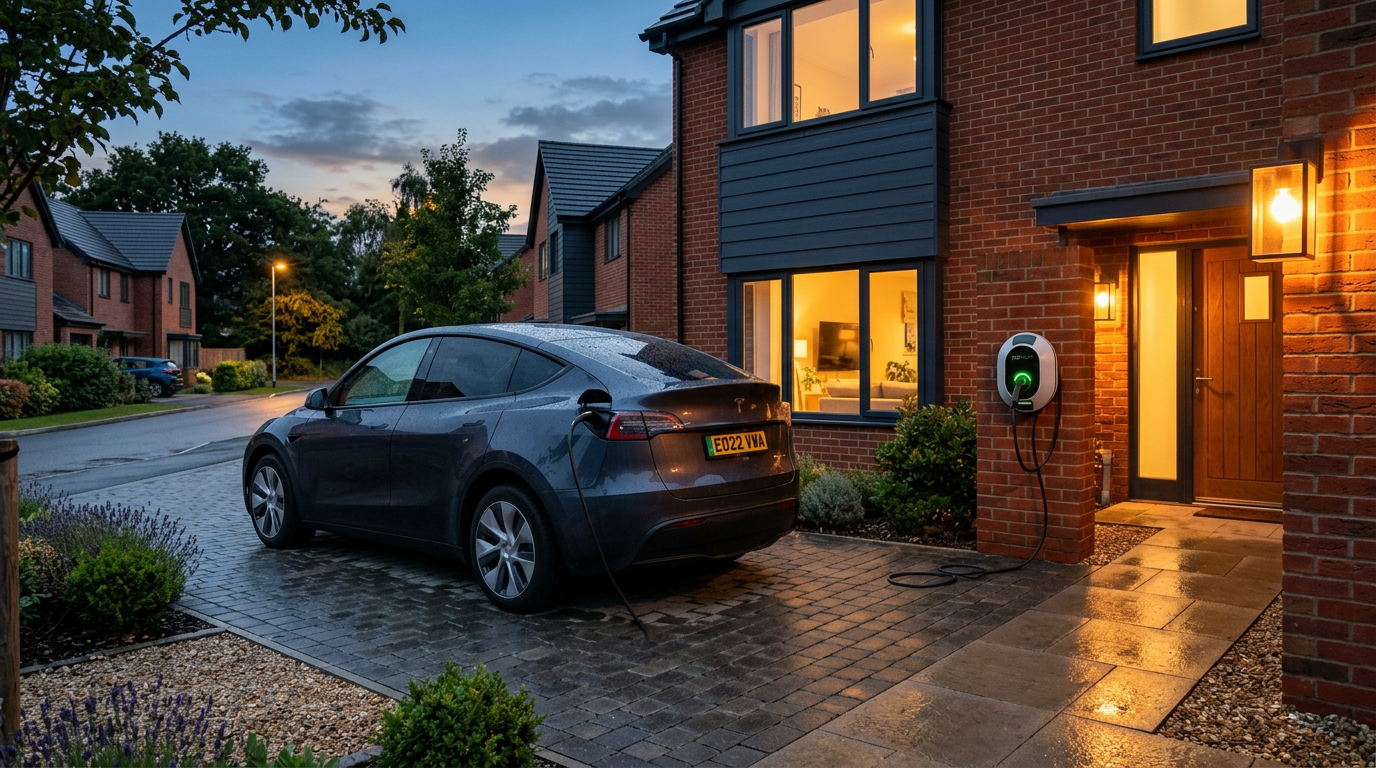
Smart features and app quality. Every charger ships with an app, but they are not all equal. The best apps let you set charging schedules, integrate with dynamic energy tariffs, track energy consumption in kWh and cost, and push notifications when a session completes. Ohme and myenergi (Zappi) have the strongest apps on the UK market. Pod Point’s app is functional but basic.
Cable length. Most chargers ship with a 5-metre tethered cable. If your charger mounts on a garage wall and the car parks on a driveway, that may not reach. A 7.5-metre cable is worth the small premium and saves you wrestling with extension leads that void your warranty.
OZEV grant eligibility. The UK government’s Electric Vehicle Chargepoint Grant, administered by the Office for Zero Emission Vehicles, increased from 1 April 2026 to up to £500 per socket (it was £350 before then). It is available to renters, landlords, and flat owners. Homeowners in detached or semi-detached houses are no longer eligible. The charger and installer must both be OZEV-approved to qualify. All three of the chargers recommended below meet that requirement.
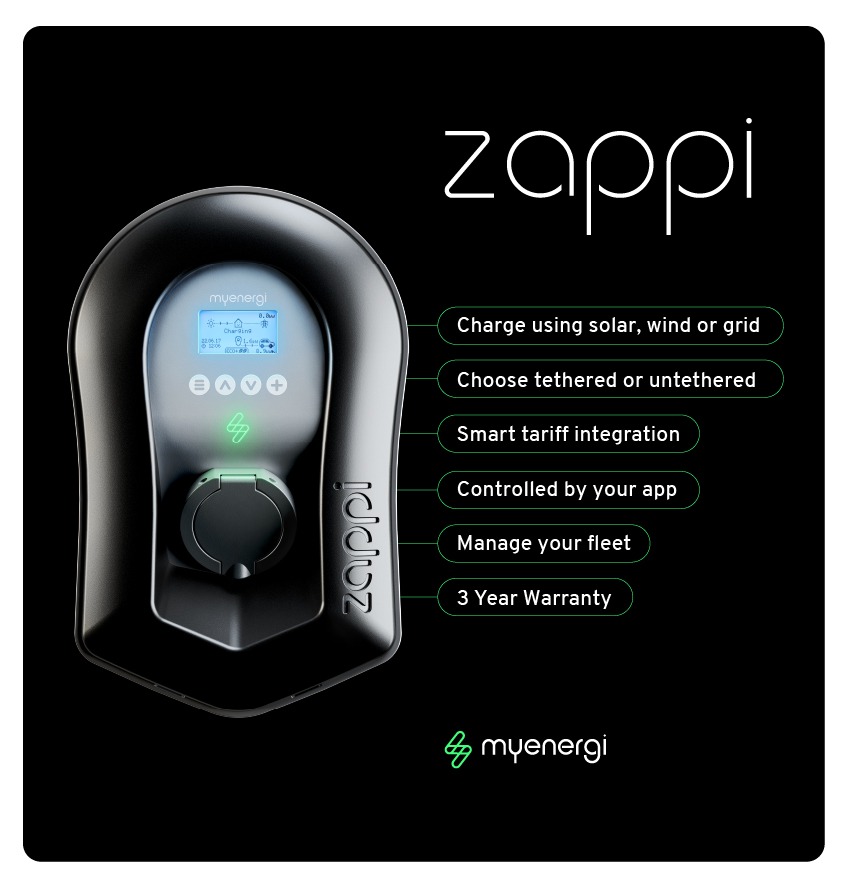
Installation. A qualified OZEV-approved installer handles the full job in two to four hours. Costs vary depending on cable routing and whether your fuse board needs an upgrade, but budget 800 to 1,000 pounds total before the grant.
Best Overall: Ohme Home Pro
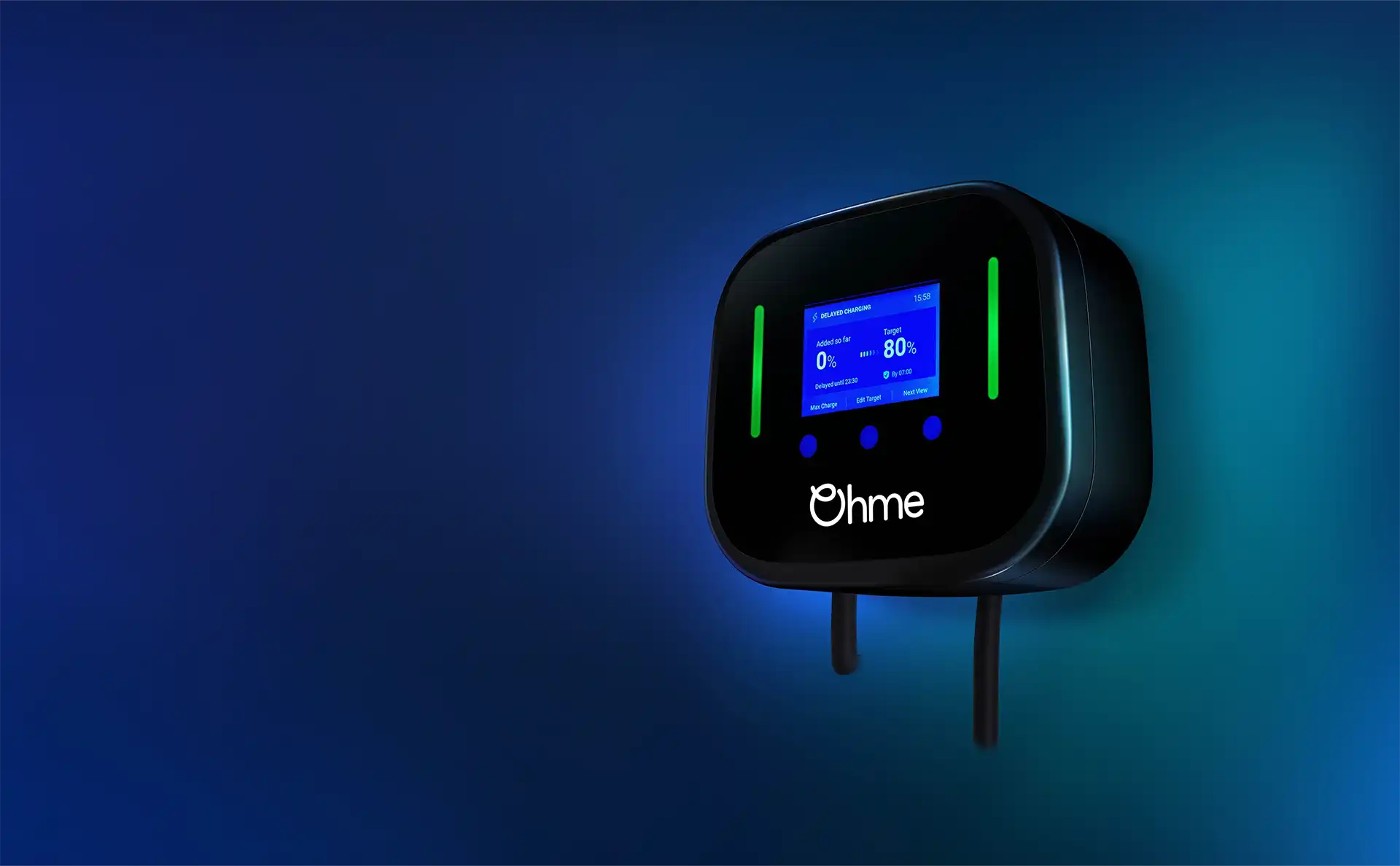
The Ohme Home Pro is the best home EV charger for most UK households. It delivers 7.4kW, connects directly to Octopus Energy’s Intelligent Go tariff, and automatically schedules charging during the cheapest half-hourly slots. Set your departure time in the app, tell it how much charge you need, and the Ohme handles the rest. On Intelligent Go you pay 7.5p per kWh overnight, roughly eight to ten pounds for a full battery and 200-plus miles of range.
The app is the best in class: real-time charging speed, session cost, historical data by week and month, multiple vehicle support, and Alexa and Google Home integration. Build quality is solid, the unit is compact, and the LED ring gives a clear visual status from across the driveway. At around 899 pounds installed before the OZEV grant, it is competitively priced. If you are on a smart tariff or plan to switch to one, this is the charger to buy.
Best for Solar Owners: Zappi v2
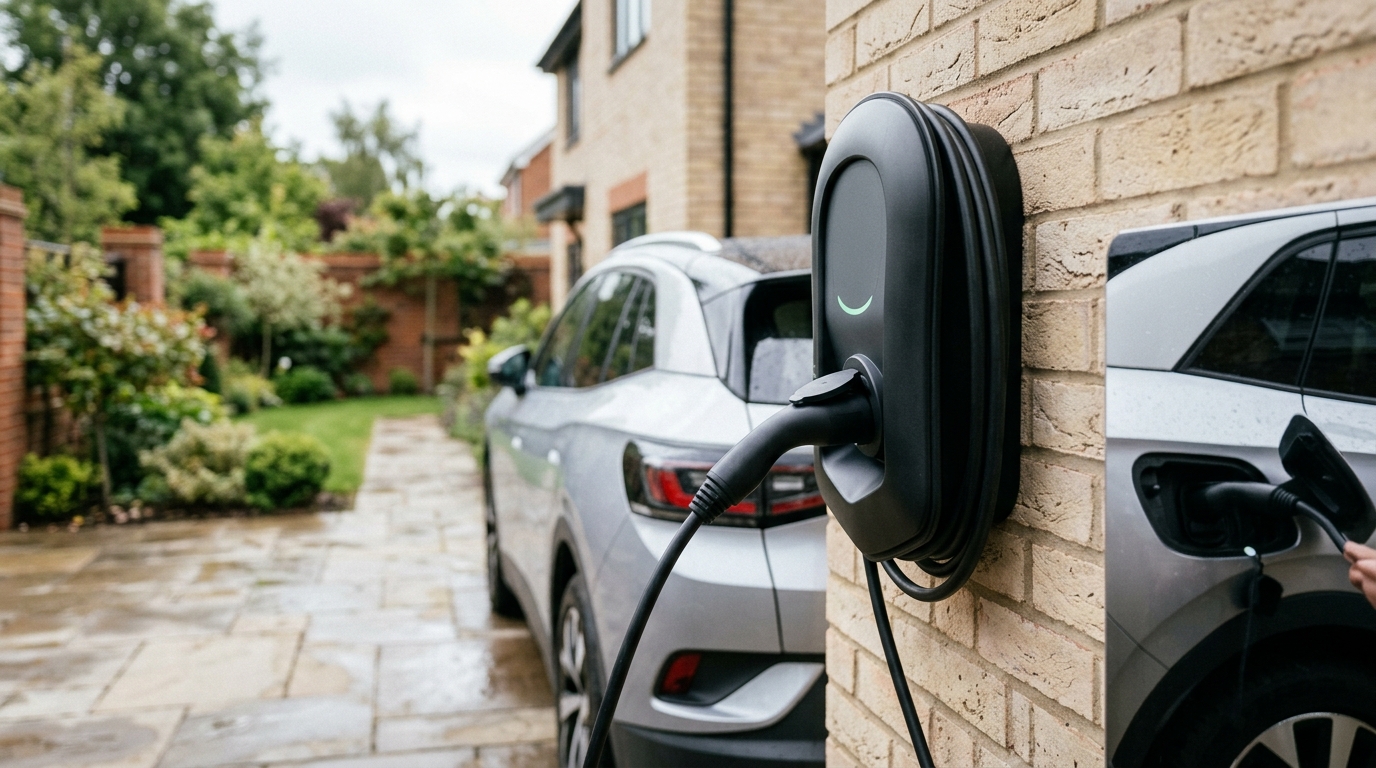
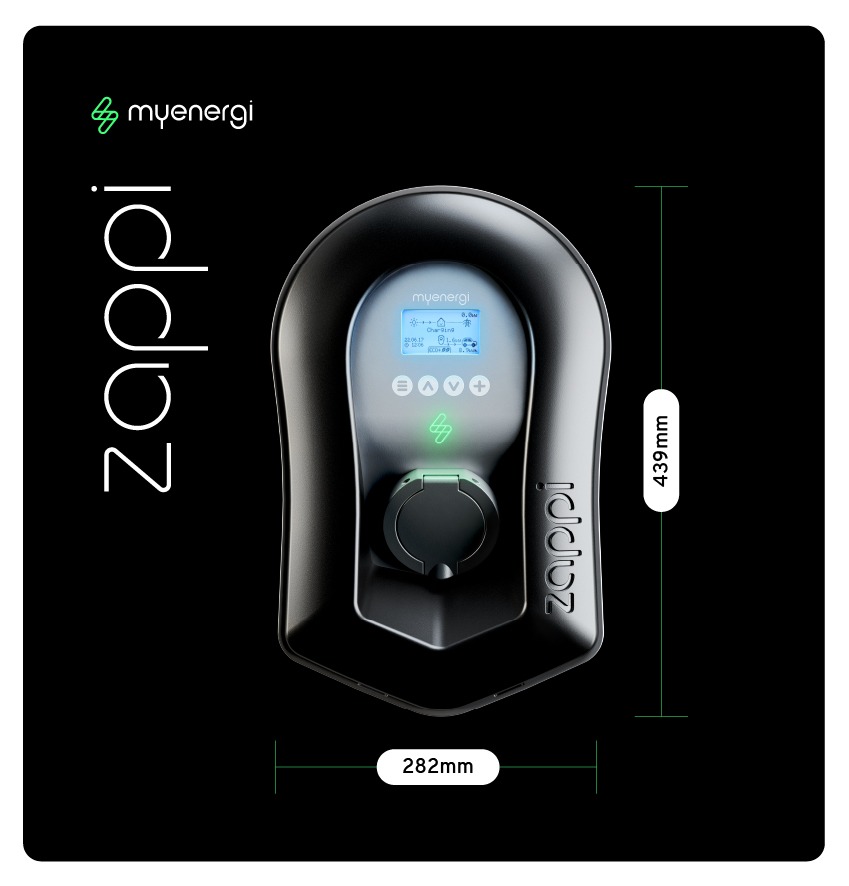
If you have solar panels on your roof, the Zappi v2 from myenergi is the only charger that makes full use of them. Its solar diversion feature routes surplus energy from your panels directly into your car instead of exporting it to the grid at a fraction of the rate. In Eco mode, the Zappi blends solar and grid power to maintain a steady charge. In Eco+ mode, it charges exclusively from solar, zero grid electricity, zero cost.
A typical 4kW solar array in southern England generates roughly 3,400kWh per year. Route a third of that into your car via the Zappi and you save 300 to 400 pounds annually at current grid rates. The charger pays back its premium inside two to three years. The myenergi app now offers solid scheduling, energy monitoring, and integration with the Eddi hot water diverter. At around 949 pounds installed, it costs more than the competition, but for solar households no other charger comes close.
Best Budget: Pod Point Solo 3
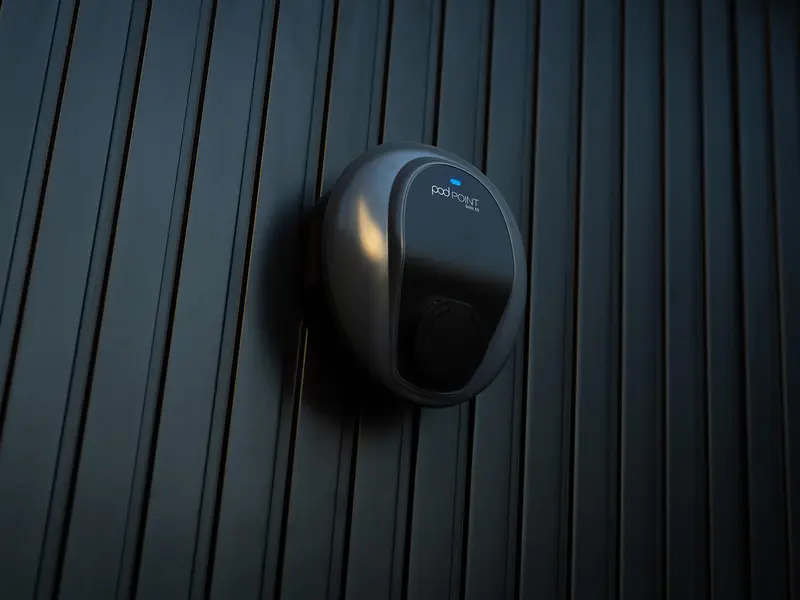
Not everyone needs smart tariff integration or solar diversion. If you want a reliable 7kW charger that works every time you plug in, the Pod Point Solo 3 is the one to buy. Pod Point has been in the UK market longer than almost any competitor, and the Solo 3 reflects that experience: well-built, attractively designed, OZEV-approved, and backed by a nationwide installer network with strong customer service.
The app is basic (scheduling and energy tracking, not much else) but it does what most people need. Pod Point’s reliability track record is excellent and the unit requires essentially no maintenance. At approximately 799 pounds installed before the grant, it is the most affordable quality option on the market. For buyers who want to plug in and forget about it, the Solo 3 delivers.
Honourable mentions. The Wallbox Pulsar Plus (around 850 pounds installed) is a strong all-rounder with a premium feel and good power-sharing features for multi-EV households. The Tesla Wall Connector works brilliantly with Tesla vehicles but lacks some smart tariff integrations available on Ohme, and non-Tesla owners may find the ecosystem limiting.
Bottom Line
Buy the Ohme Home Pro if you want the smartest charger with the best app and tariff integration. Buy the Zappi v2 if you have solar panels and want to charge for free. Buy the Pod Point Solo 3 if you want proven reliability at the lowest price. All three are OZEV-approved, all three are installed in under four hours, and all three will cut your running costs dramatically compared to public charging or a three-pin plug. For more, see our Ev coverage. You might also read Best Fitness Trackers and Smartwatches Under £200 in 2026.
On Octopus Intelligent Go at 7.5p per kWh, a full charge costs eight to twelve pounds and covers 200 miles or more. Over a year, that is a fraction of what you would spend at a public rapid charger, and a fraction of what you spent on petrol. A home charger is not a luxury. For any UK EV owner with off-street parking, it is the most cost-effective upgrade you can make.
Related reading on MTW
How we pick
Buyer action
Where to buy or check next
Use this as the final check before ordering a phone, changing network or trusting a headline monthly price.













Reader discussion
Leave a comment
Comments are moderated. Keep it useful, accurate, and on topic.