
UPDATED · News · 4 Jun 2026 · Daniel Reid
WWDC 2026 UK coverage starts here: Apple has confirmed that its Worldwide Developers Conference returns the week of 8 June 2026, with the headline keynote on Monday 8 June and the software that will shape iPhone, iPad and Mac for the next year. This preview separates what Apple has officially announced from what reports and rumours suggest, so UK readers can plan when to watch and decide whether to buy an Apple device now or wait until the autumn.
Key facts: what Apple has actually confirmed
The confirmed part is short and worth stating plainly before any speculation. Apple has announced that WWDC 2026 runs 8 to 12 June 2026 and that the event is once again free and online for developers worldwide. The keynote takes place on Monday 8 June, and Apple says more than 1,000 developers, designers and students will gather in person at Apple Park for the opening day, while the main content streams to a global audience. Everything else circulating about specific features, names and release dates is, at this stage, expectation rather than fact.
That distinction matters more for a software preview than for a product launch. WWDC is a developer conference, not a hardware unveiling, so the centre of gravity is the next versions of Apple’s operating systems and how its on-device intelligence features develop. For UK readers the practical questions are simpler: when can you watch, what is genuinely likely to be shown, and does any of it change the maths on a purchase you are weighing up right now. We work through each below, and the buying advice ties into our wider view on the best iPhone alternative for UK shoppers who are not wedded to the platform.
How UK viewers watch the keynote on 8 June
Apple has confirmed the keynote will be available to stream on apple.com, in the Apple TV app and on the official Apple YouTube channel, with on-demand playback following the livestream. So no ticket, no app download and no developer account are needed to watch the main event. If you have ever followed an Apple launch before, the routine is identical: open the events page on apple.com a few minutes early, or queue up the YouTube stream, and the broadcast begins on time.
On timing, Apple states the keynote starts at 10 a.m. PDT on 8 June. Converting that to British Summer Time, which is UTC+1 in June, places the start in the early evening UK time, at 6 p.m. BST. We would still treat the official events page on apple.com as the single source of truth on the day, because Apple occasionally adjusts the published schedule, and the on-screen countdown there is the version that counts. If you cannot watch live, the full replay appears on the same platforms shortly afterwards, so there is no need to stay up or rearrange your evening around it.
One UK-specific note for households that share devices: if you plan to watch on a shared Apple TV or hand the iPad to family members during the stream, it is worth having your accounts tidy beforehand. Our Family Sharing iPhone UK setup guide walks through the steps so that purchases, screen time and downloads behave the way you expect across a household once any new software arrives.
The software that anchors every WWDC
WWDC always opens with the next generation of Apple’s operating systems, and 2026 will follow that pattern. Expect the keynote to introduce the next major releases of iPhone, iPad, Mac, Apple Watch and Apple TV software, with developer betas the same day and a public beta usually arriving a few weeks later. We are deliberately not printing version numbers here, because Apple has not announced them and guessing helps nobody. What we can say with confidence is that the structure is predictable: a software-first keynote, betas for developers immediately, and a general release bundled with new hardware in the autumn.
For most UK readers, the betas are a look-ahead rather than something to install. Early developer builds are unfinished by design, they can drain battery, break apps and behave unpredictably, and they belong on a spare device rather than the phone you rely on for banking, work and your daily commute. The sensible path is to watch the keynote for the headline features, then wait for the polished general release that ships later in the year. If a particular feature genuinely changes how you would use your device, that is the moment to factor it into a buying decision, not the beta.
It is also worth setting expectations on scope. A keynote highlights a handful of marquee features, but the bulk of the work shown at WWDC is for developers building apps, and many announcements never surface as visible changes for everyday users. When the dust settles, the practical question for a UK buyer is narrower than the keynote makes it feel: will the device you own, or the one you are about to buy, actually receive the headline features, and when. We return to that below.
Apple Intelligence and the UK availability question
The feature area UK readers ask about most is Apple Intelligence, Apple’s suite of on-device and cloud-assisted features. Reports suggest WWDC 2026 will expand this set further, but we want to be clear that the specifics are not confirmed by Apple, and we will not state unannounced capabilities as fact. What is reasonable to expect, based on how Apple has handled these features so far, is more emphasis on the assistant, writing and image tools, and tighter integration across apps.
The harder issue for British buyers is timing and availability. Apple Intelligence features have historically rolled out by region and language in stages, and UK English support has not always arrived on day one alongside US English. So even if the keynote demonstrates an exciting capability, the honest answer to “when do I get it in the UK” is often “later, and check the supported-languages note.” We strongly advise treating any AI feature shown on 8 June as something to verify against Apple’s own UK availability information before it influences a purchase. If your main interest is AI writing help rather than the wider platform, our comparison of the best AI writing assistant for UK users looks at how Apple’s tools stack up against the dedicated alternatives.
There is a broader principle here that we apply to every platform, not just Apple. Buying a device today on the promise of a feature shown at a keynote is a gamble until that feature actually ships in your region and language. The same caution applies on Android, which is why we have argued before that you should not buy a new phone for an AI upgrade alone. The discipline is identical on iPhone: judge the hardware on what it does today, and treat future software as a bonus rather than the reason to spend.
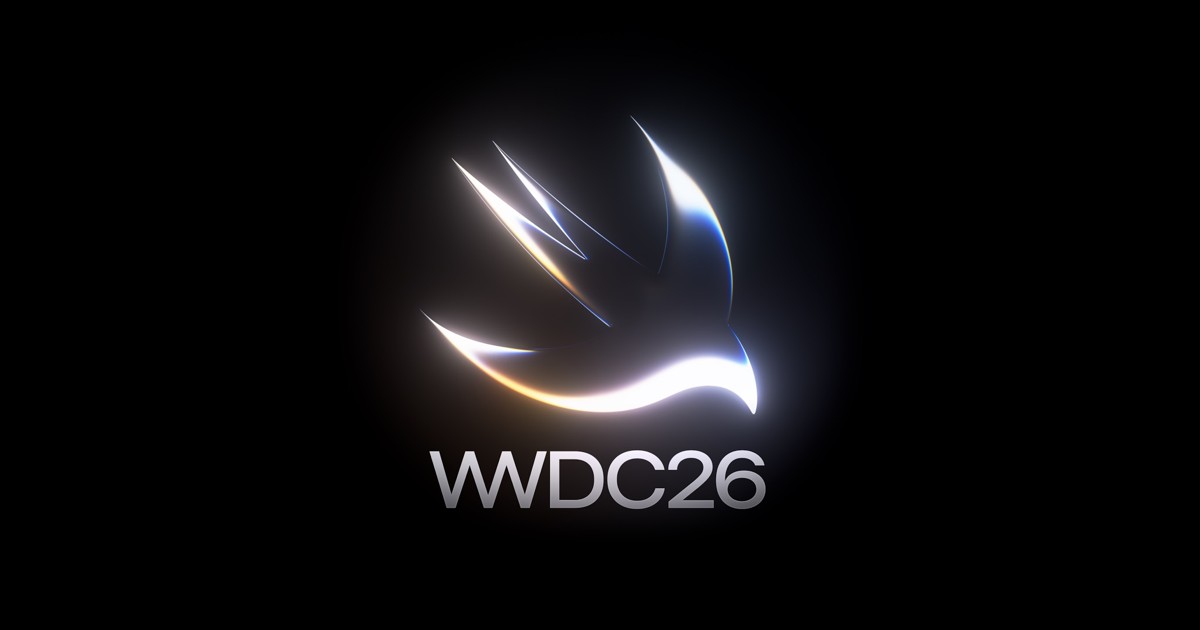
Apple’s own teaser video for the event sets the tone but, true to form, reveals nothing concrete about features. That is normal for a WWDC trailer and a useful reminder that the marketing build-up tells you when to watch rather than what to expect. Keep your expectations anchored to the confirmed date and platforms, and let the keynote itself fill in the detail.
Could there be hardware at WWDC 2026?
WWDC is primarily a software event, but Apple has occasionally used the keynote to show hardware, particularly Macs aimed at developers. Reports each year float the possibility of new machines, and 2026 is no different, but Apple has not confirmed any product launch for this date. We would categorise any hardware talk as a possibility rather than an expectation, and certainly not something to bank on. If a new Mac does appear, it is far more likely to be a pro-focused machine than a mainstream consumer device.
For the vast majority of UK shoppers, the bigger consumer hardware moment remains the autumn, when Apple typically reveals new iPhones alongside the general software release. That seasonal rhythm is the single most useful thing to understand about Apple’s calendar, because it tells you that a phone bought in June is only a few months away from being superseded. If you are cross-shopping the current flagships, our head-to-head on the iPhone 17 Pro Max versus the Galaxy S25 Ultra in the UK lays out where each one earns its price, and our Pixel 10 Pro versus iPhone 17 Pro comparison does the same at the next tier down.
What it means for UK buyers: buy now or wait
This is the question the keynote really turns on for most people, and the answer depends on which device you are considering. For iPhone, the calendar argues for patience unless you have a pressing need. New iPhones traditionally arrive in the autumn, so buying a current model in early June means paying full price for a phone that is roughly a season from replacement, and you will not get the new software’s headline features any sooner than owners of older eligible phones. If your current handset still works, waiting until the autumn lets you compare the new models against discounted outgoing stock.
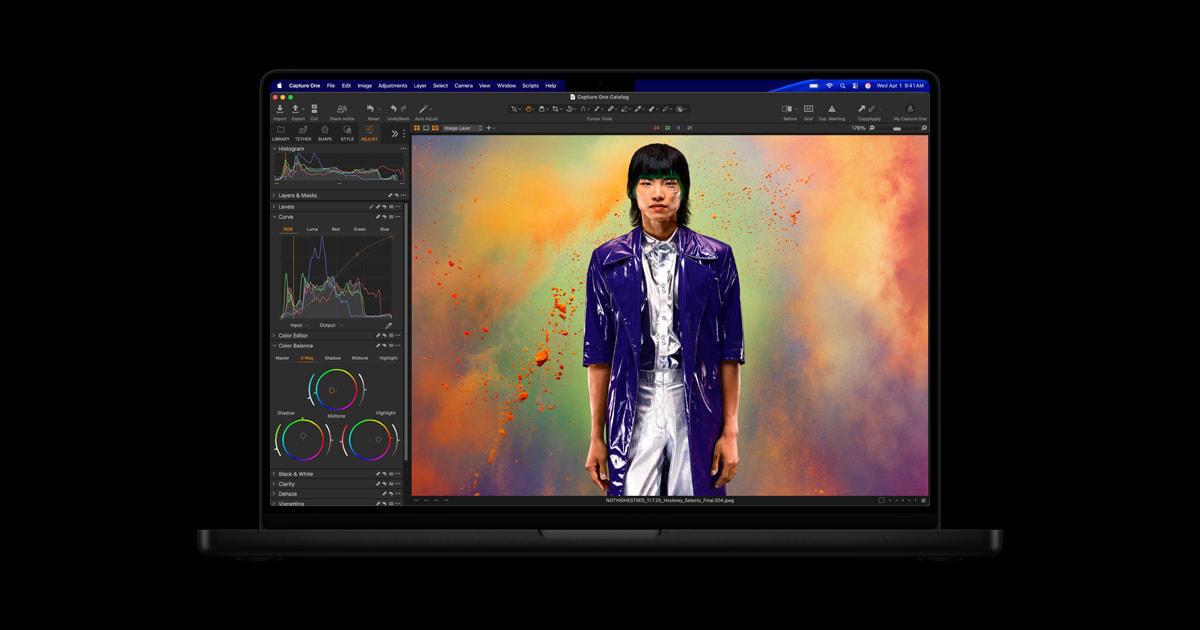
For Mac and iPad, the logic is different because those lines do not follow the same tight September cadence, and a strong machine bought today will still feel current for years. If you need a laptop or tablet now, WWDC is not a reason to delay, because the keynote is about software your existing or newly bought device will receive anyway. The one caveat is to check eligibility: confirm on Apple’s UK site that the specific model you are buying will receive the next software version, because the oldest devices in each line eventually drop off the update list. For power users weighing the thinnest iPhone in the range, our look at why the iPhone Air still misses the mark for UK power users is worth reading before you commit.
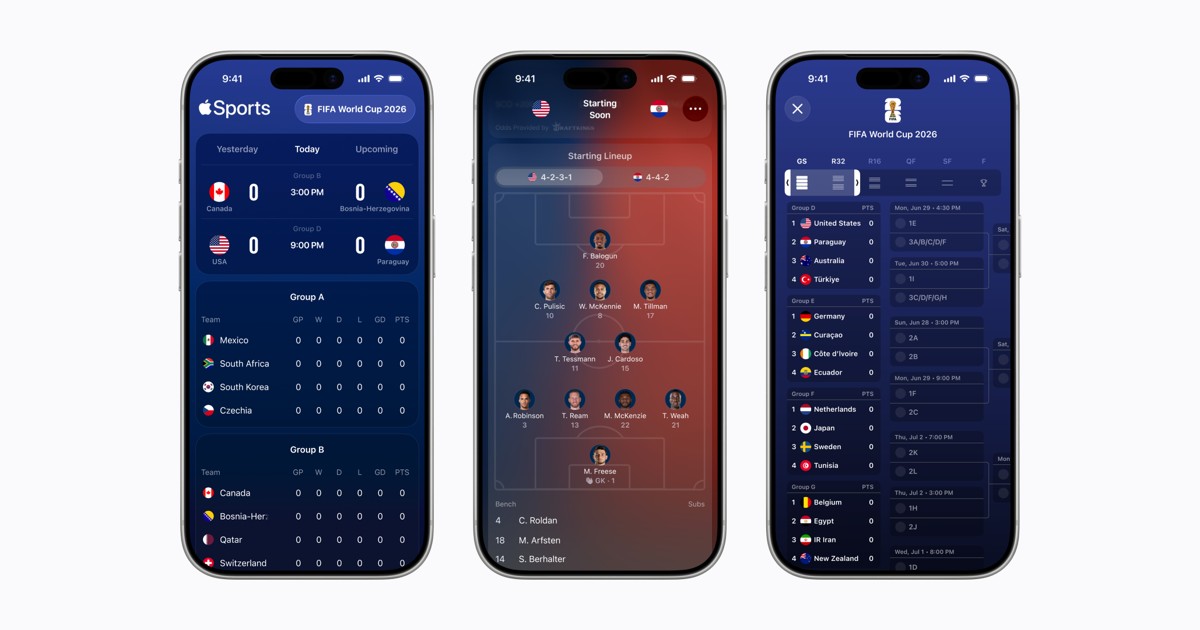
UK pricing context helps frame the decision without us inventing figures. Apple sets its own UK recommended prices, and major retailers frequently undercut them or add value through trade-in, interest-free credit or bundled accessories. Outgoing models tend to see the sharpest reductions once a successor is announced, so the period after the autumn launch is historically the best window for a deal on last year’s flagship. Accessories follow their own cycle too: the recent Apple Pride Sport Loop in the UK shows how Apple times smaller releases around its software updates.
Key takeaways at a glance
| Item | Detail |
|---|---|
| Event dates | 8 to 12 June 2026, confirmed by Apple |
| Keynote | Monday 8 June, 10 a.m. PDT (about 6 p.m. BST) |
| Where to watch | apple.com, Apple TV app, Apple YouTube channel, free |
| Format | Free and online for developers worldwide; in-person opening day at Apple Park |
| Confirmed focus | Next versions of Apple’s operating systems |
| Apple Intelligence | Expansion expected; UK availability and language support to be verified |
| Hardware | Possible but unconfirmed; main consumer hardware usually arrives in autumn |
Treat the left column as settled and the AI and hardware rows as the parts most likely to shift on the day. We will update our coverage once Apple has actually shown what is coming, with UK availability confirmed rather than assumed.
Where to buy or check next in the UK
If the keynote nudges you towards a purchase, a handful of UK retailers cover most situations, and each is worth checking for a different reason. The starting point is the Apple UK store at apple.com, which offers the full range, trade-in valuations and education pricing, and is the place to confirm whether a specific model will receive the next software version. It is rarely the cheapest, but it is the most complete on configuration and returns.
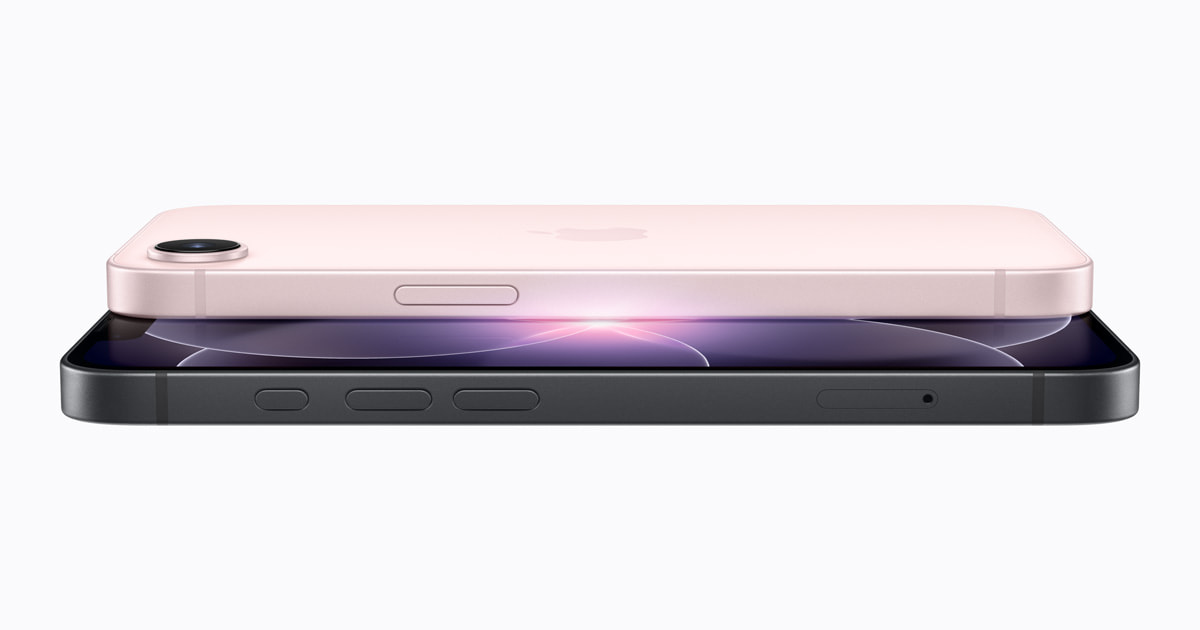
Among the big-box options, Currys and John Lewis are the two to weigh first. Currys at currys.co.uk regularly runs trade-in and network bundles and is strong for in-store collection, while John Lewis at johnlewis.com typically adds a longer guarantee on many products, which is worth pricing in if you keep devices for years. Argos suits same-day collection when you want a device today, Amazon UK is the place to compare third-party prices and watch for short-lived discounts, and Very and AO.com are worth a look if spreading the cost on credit matters to you. Always check delivery dates, the returns window and whether the warranty is Apple’s standard cover or a retailer extension before you commit.
Before you commit on the strength of the keynote, weigh how much of what Apple shows on 8 June will actually reach you. Headline features tend to ship in stages, and UK English support has historically lagged the US launch, so a polished stage demo rarely matches what lands on your phone in week one. Our coverage of the Apple Intelligence features still missing after the Siri settlement is the clearest guide to how far the gap between announcement and delivery has run, and it is worth reading before you treat any WWDC reveal as a reason to buy today.
Our view is that WWDC 2026 is a date to watch rather than a reason to spend. The keynote on 8 June will tell you where Apple’s software is heading for the next year, and that knowledge is genuinely useful, but it is not by itself a buying trigger. For iPhone specifically, we would wait: new models are a season away, the new software reaches your existing eligible phone regardless, and the best deals on current stock land after the autumn launch, not before it.
For Mac and iPad buyers with a real need today, we see no reason to delay, because those lines do not move on the iPhone calendar and the software shown at WWDC will arrive on a well-specified machine bought now. The one thing that would change our recommendation is a confirmed Apple Intelligence feature with same-day UK English support that genuinely improves how you work, but until Apple states that availability plainly we treat every AI demo as a promise rather than a delivered feature. Watch the keynote, enjoy it, and let the autumn, not June, decide your next iPhone.
| What we like | What we’d watch |
|---|---|
| Confirmed date and free, open streaming on apple.com, Apple TV and YouTube | Apple Intelligence UK availability and English language support timing |
| Clear software-first focus that benefits existing eligible devices | Whether your specific model stays on the supported-updates list |
| No need to buy hardware to get the headline software features | Any hardware claims, which remain unconfirmed until the keynote |














Reader discussion
Leave a comment
Comments are moderated. Keep it useful, accurate, and on topic.