Apple Intelligence delay is the year-long pattern that the 5 May 2026 Siri settlement only sharpened, and the editorial UK iPhone buyers need before any iOS 27 marketing arrives. Apple announced Apple Intelligence at WWDC 2024 as the single most ambitious AI rollout in iPhone history; nearly two years on, a forensic audit of the feature list shows roughly half of what was demonstrated on stage still has not shipped to UK users.
- Apple Intelligence delay covers personal-context Siri, on-screen awareness and richer App Intents originally promised “later in 2024” at WWDC 2024.
- Apple formally confirmed indefinite Siri delay in March 2025 after pulling the Bella Ramsey “More Personal Siri” advertising campaign.
- A £200 (about $250)m US class-action settlement reached on 5 May 2026 covers millions of iPhone 16 series and iPhone 15 Pro buyers; UK buyers are excluded.
- iOS 26.5 reached its second release candidate on 8 May 2026 with encrypted RCS and Maps Suggested Places, and is expected to ship to all users the following week – but still does not enable personal-context Siri.
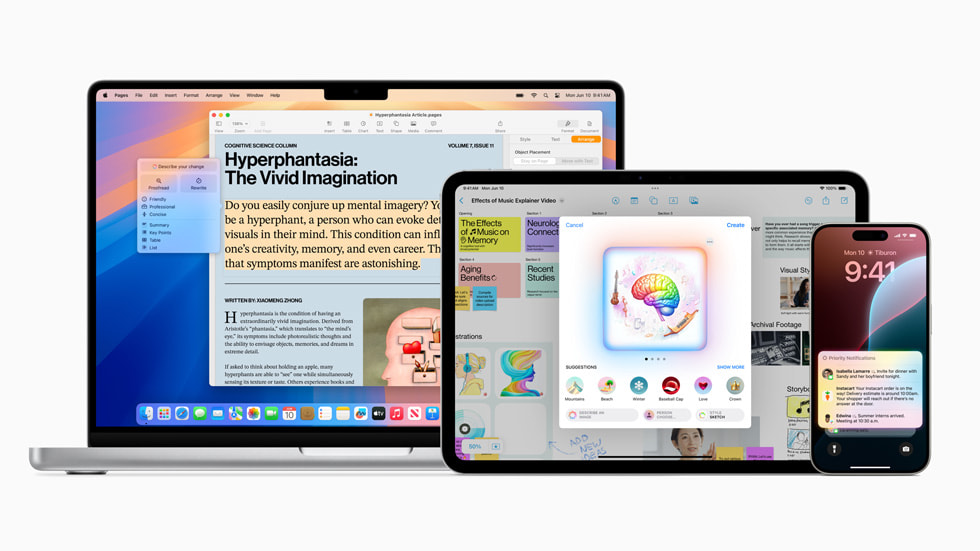
- Apple Intelligence Writing Tools, Image Playground, Genmoji, ChatGPT-in-Siri and Visual Intelligence did ship through 2024 and 2025; the missing pieces are concentrated in the Siri “agent” tier.
Apple Intelligence delay: every feature still missing in May 2026
The Apple Intelligence delay is not a single missed feature; it is a partial rollout where the easy parts shipped and the hard parts did not. Writing Tools, Image Playground, Genmoji, ChatGPT integration in Siri, Visual Intelligence on iPhone 16 Pro, system-wide notification summaries and the early Apple Intelligence Reduce Interruptions Focus mode all shipped between October 2024 and December 2024 in iOS 18.1 through 18.2. That part of the keynote was honest. The Siri-as-agent tier – on-screen awareness, personal-context retrieval, in-app actions, App Intents that can chain across third-party apps – never reached the public iOS 18 release and is still not in the iOS 26.5 release candidate a year and a half later.
The Apple Intelligence delay matters more than any one missing feature because it was the central pitch of WWDC 2024. Apple did not market the iPhone 16 around camera improvements or chip benchmarks; it marketed the iPhone 16 around “Apple Intelligence”, and inside that umbrella the talking point that drove the demos was a Siri that could see what was on your screen and act on your behalf. That Siri has not arrived. The £200 (about $250)m class-action settlement filed on 5 May 2026 is the legal acknowledgement that this gap is consumer-facing, material, and tied to identifiable iPhone purchases. Read the £200 (about $250)m Siri settlement editorial for the headline news; this audit is the bigger picture behind it.
What did ship, and what the Apple Intelligence delay actually broke
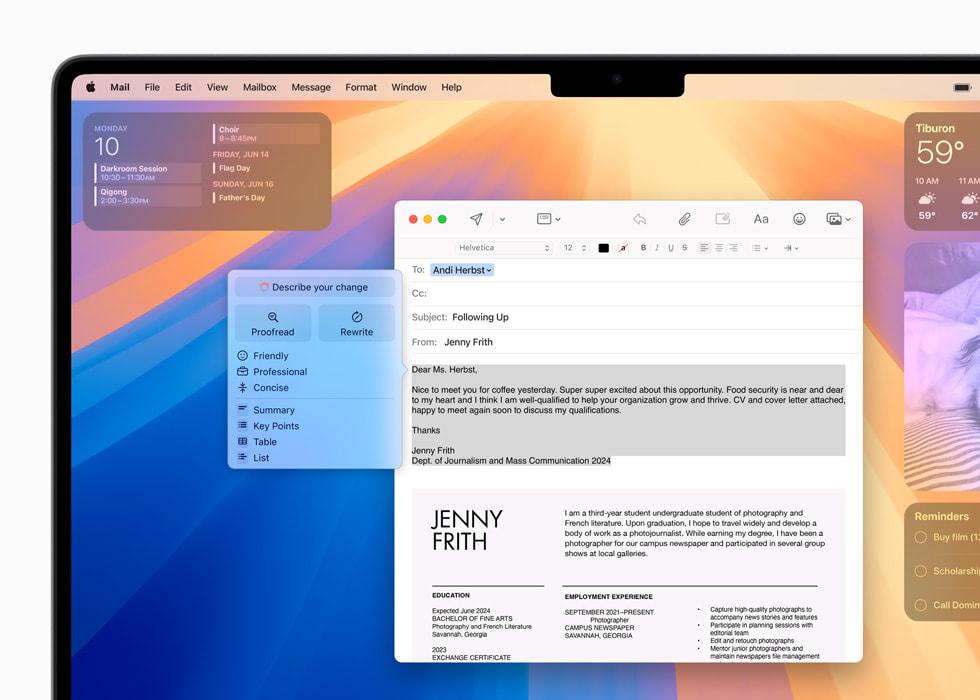
Writing Tools is the most visible Apple Intelligence feature that did ship on schedule, and it is also the most useful: it works across Mail, Messages, Notes and third-party apps that adopted the system-wide tone API. Image Playground and Genmoji are visible everywhere a Messages thread runs, even if their generated outputs remain culturally awkward. ChatGPT-in-Siri shipped with iOS 18.2 and has carried the bulk of the genuinely useful “ask the assistant a hard question” flow ever since; that is OpenAI’s model doing the work, not Apple’s. Visual Intelligence on iPhone 16 Pro – press-and-hold Camera Control to identify things in view – ships, works, and is shockingly underused outside the keynote demo.
What did not ship is everything that required Apple to build a model that could read application state. Personal-context Siri promised to remember the email your mum sent on Tuesday, surface the flight number from a third-party booking confirmation, and chain a calendar action through it. None of that exists in the iOS 26.5 release candidate. The April 30 Apple Q2 earnings call hinted at a partial enablement bundled with iOS 27 later in 2026, but Apple did not put a name on the feature, did not demo it, and did not commit to a region rollout. UK buyers should read that as another year of waiting. The iPhone 17 Q2 record proved the iPhone does not need agentic Siri to keep selling, which is precisely why Apple is in no hurry.
Apple Intelligence delay scorecard: shipped vs missing
| WWDC 2024 feature | Status May 2026 | MTW read |
|---|---|---|
| Writing Tools (rewrite, proofread, summarise) | Shipped iOS 18.1 | The genuine success story. |
| Image Playground and Genmoji | Shipped iOS 18.2 | Works; cultural fit debatable. |
| ChatGPT in Siri | Shipped iOS 18.2 | Useful, but it is OpenAI’s model. |
| Visual Intelligence (iPhone 16 Pro) | Shipped iOS 18.2 | Underused but works. |
| Notification summaries | Shipped, then partially rolled back after news-headline errors | Trust damaged. |
| Reduce Interruptions Focus | Shipped iOS 18.1 | Quietly excellent. |
| Personal-context Siri (knows your data) | Missing. Delayed indefinitely March 2025. | The central settlement issue. |
| On-screen awareness Siri | Missing. | Was the loudest demo at WWDC. |
| Cross-app App Intents Siri | Missing. | No public timeline. |
| Priority Mail summary in Inbox | Partially shipped (basic summary only) | Less than promised. |
What the Apple Intelligence delay means for UK iPhone buyers
The first practical implication is the marketing literacy lesson. When Tim Cook stands on stage at WWDC 2026 on 8 June and demonstrates anything labelled “coming later this year”, that timing language now carries a known multiplier of two to never. Apple has paid £200 (about $250)m in the US to settle the consequences. UK buyers should treat any keynote claim with no firm shipping date as marketing, not engineering. The hardware in front of you on launch day is what you bought; the software bullet points are aspirations. That logic frames the entire iPhone 18 decision in autumn 2026 – and the iPhone 18 Pro leaks suggest Apple is preparing another AI-heavy launch.
The second implication is competitive. Google has been deliberate about closing the gap. Gemini Nano on Pixel 10 already reads on-screen context, summarises notifications, and acts on third-party app data in ways the Apple Intelligence keynote promised but did not deliver. Samsung Galaxy AI does similar work through a different stack. The Apple Intelligence delay has turned what was supposed to be Apple’s defensible AI lead into a parity story at best, and on Siri specifically into a gap. UK buyers debating whether to switch should read our iPhone-to-Android switch guide; the Apple Intelligence delay is now a genuine argument for the switch rather than a hypothetical one.
The third implication is regulatory. UK consumer-protection rules under the Digital Markets, Competition and Consumers Act 2024 have a lower bar than the US class-action standard. The Bella Ramsey “More Personal Siri” advertising ran on UK television through late 2024 and the iPhone 16 was sold here on those promises. The fact that no UK action has yet been filed does not mean none is coming, and the Competition and Markets Authority would not need a US-scale claimant pool to act. The Apple Intelligence delay is now a documented, Apple-funded admission that the original advertising overshot what shipped; the next year will tell us whether the CMA notices.
MTW verdict
The Apple Intelligence delay is the most expensive promise Apple has made in years and the lesson runs further than the £200 (about $250)m settlement. Buy iPhones for hardware that ships on day one; treat every “coming later this year” Apple feature as optional. The personal-context Siri Apple sold in June 2024 is still not on UK iPhones in May 2026, and that is the only fact that should guide your iPhone 18 decision.
MMTW Editorial
Buyer action
Where to buy or check next
Use this as the final check before ordering a phone, changing network or trusting a headline monthly price.







Reader discussion
Leave a comment
Comments are moderated. Keep it useful, accurate, and on topic.