UPDATED · News · 3 Apr 2026 · Claire Bennett
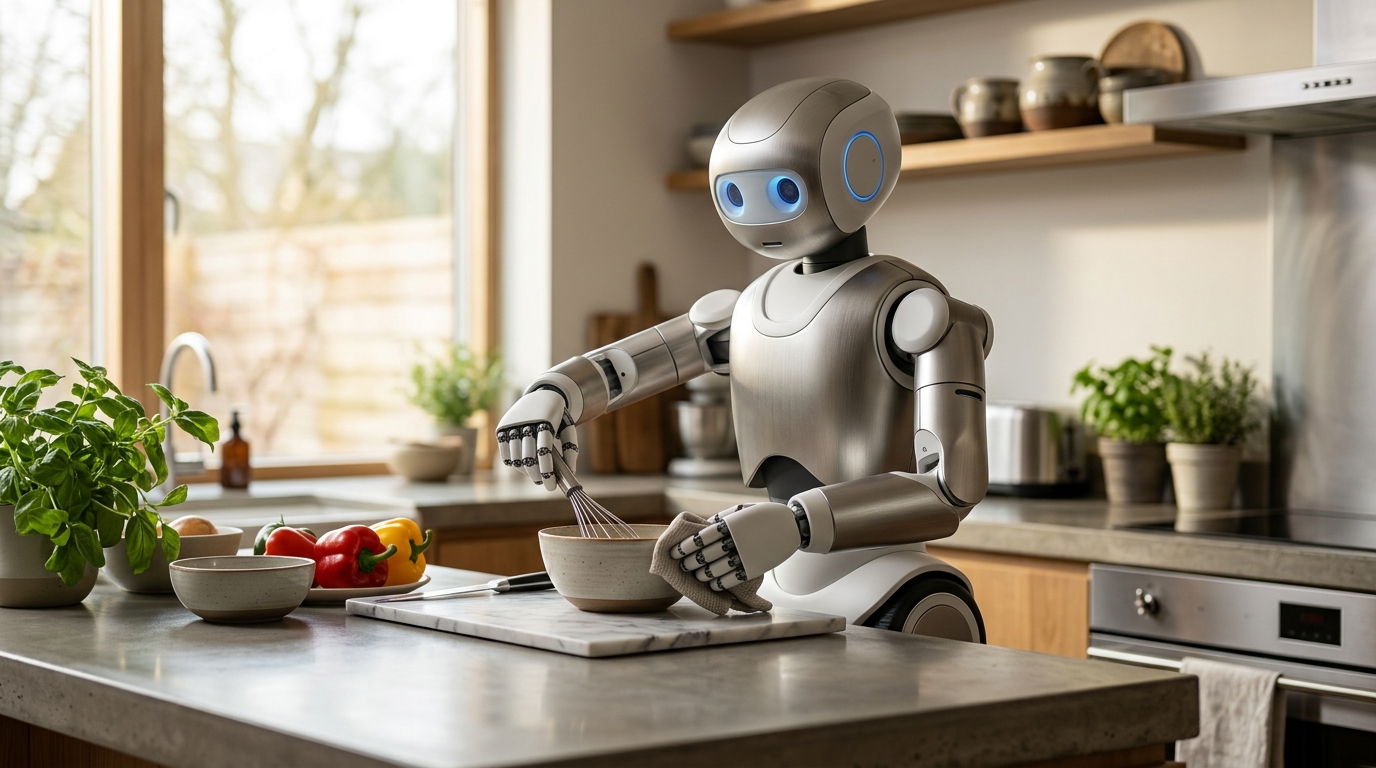
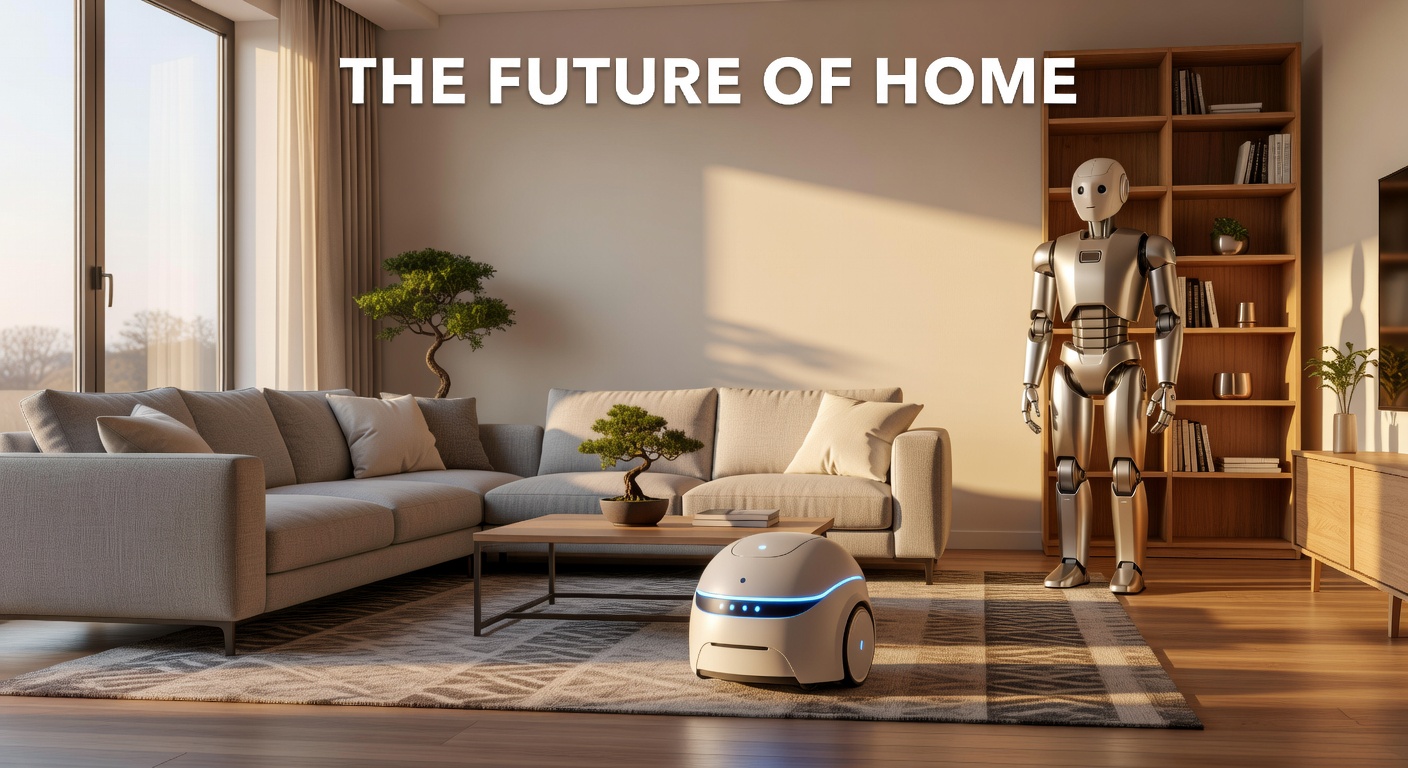
For decades, the promise of AI home robots handling your housework sat firmly in the realm of science fiction. Not any more. In 2026, AI home robots are walking into real homes, folding real laundry, and cooking real meals. The White House just rolled out the red carpet for one. You can pre-order another for the price of a used car. And a Chinese company has already deployed them as a consumer service in Shenzhen. The AI home robots revolution is not coming, it has arrived.
Melania Trump Walked a Robot Into the White House — the ai home robots angle
On 25 March 2026, First Lady Melania Trump made global headlines when she walked side-by-side with Figure 03, an AI home robot built by Figure AI, into the East Room of the White House for the Fostering the Future Together Global Coalition Summit. The AI home robot strolled in on two legs, addressed the room, and, as CNN reports, delivered welcomes in 11 different languages with flawless pronunciation. It was the first time a humanoid robot had appeared at a White House event, and the symbolism was unmistakable: AI-powered household robots have the official stamp of approval from the most powerful address in the world.
Figure 03, introduced in October 2025, is designed specifically for domestic use. It can fold laundry, load dishwashers, clean surfaces, and perform basic cooking tasks. Figure AI, founded by billionaire tech entrepreneur Brett Adcock in Sunnyvale, California, has positioned it as the first truly capable household humanoid. The White House appearance was a publicity masterstroke, but the AI home robots technology behind it is very real.
1X NEO: The First of the AI Home Robots You Can Actually Buy
While Figure AI grabbed the headlines, Norwegian startup 1X Technologies quietly opened pre-orders for NEO , the world first consumer-ready humanoid robot, with deliveries starting in 2026. At $20,000 (around £16,000) for early access or $499 (around £400) per month on subscription, NEO is not cheap, but it is the first time anyone has been able to buy a walking, talking, task-performing humanoid for their home.
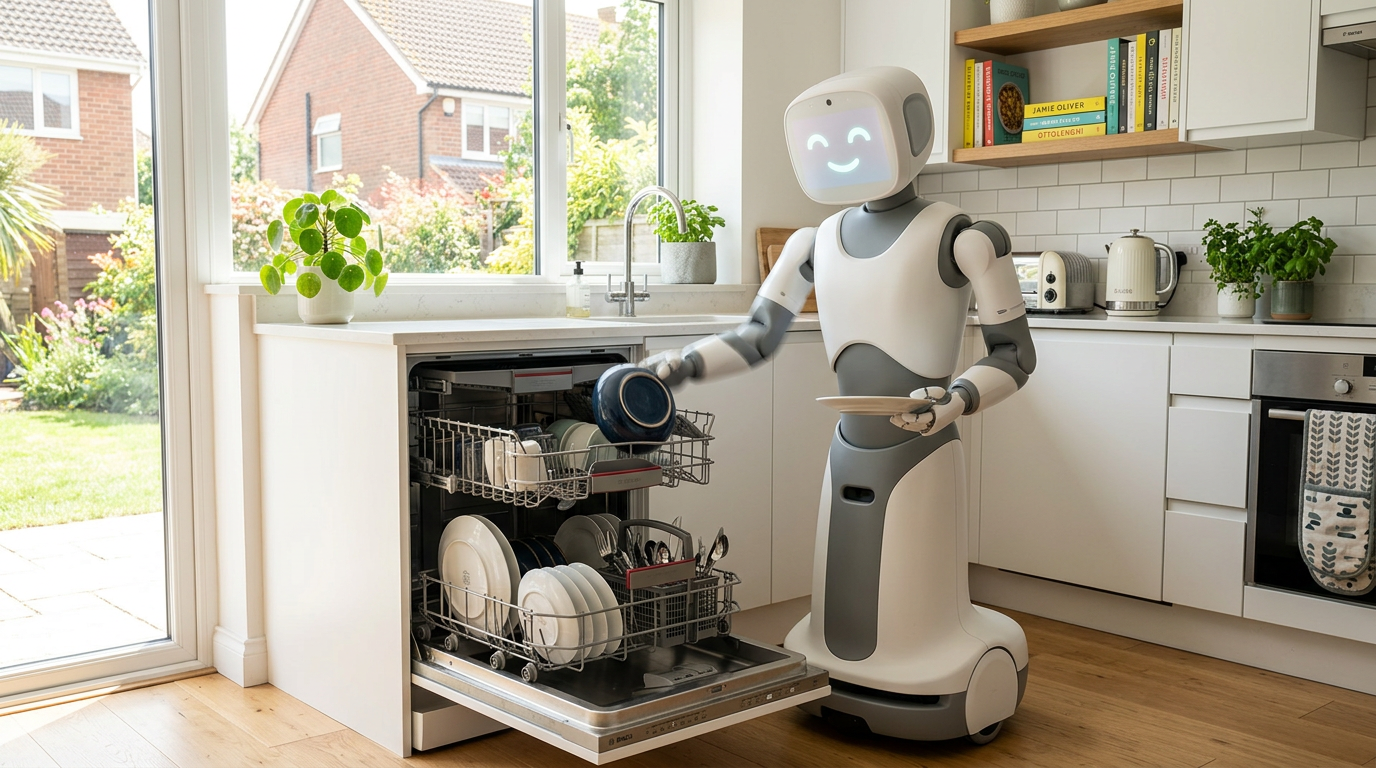
NEO stands at human height, weighs just 30 kilograms, and can lift over 68 kilograms. It is wrapped in a soft knit suit made from custom 3D lattice polymer, making it safe to be around children and pets. At 22 decibels, it is quieter than a refrigerator. From day one, NEO can open doors, fetch items, turn off lights, and perform basic tidying. With each software update, its capabilities will expand , 1X has built it as a platform that learns and improves over time.
The real magic is in the hands. NEO features 22 degrees of freedom in its fingers, giving it human-level dexterity for handling objects, folding clothes, and operating appliances. Combined with a built-in large language model, you can simply tell NEO what you need in plain English and it will figure out the rest.
LG CLOiD and Samsung Ballie: The Tech Giants Join In
The household robot race is not limited to startups. LG unveiled CLOiD at CES 2026 , a humanoid with dual seven-degree-of-freedom arms, five-fingered hands, and what LG calls “Affectionate Intelligence.” During live demonstrations, CLOiD planned personalised meals for a four-person household, folded laundry, loaded a dishwasher, and monitored the wellness of elderly family members. LG vision is the “Zero Labour Home,” and CLOiD is the centrepiece.
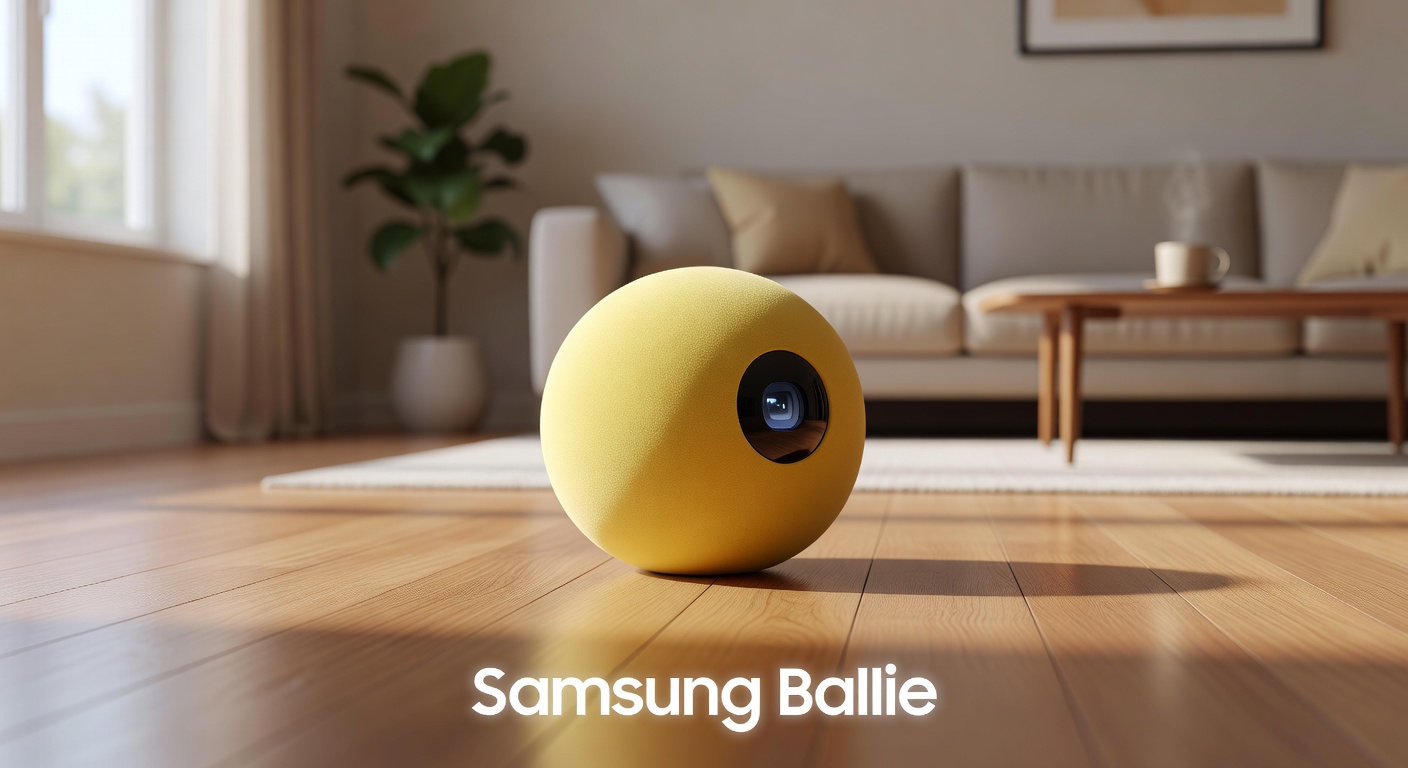
Samsung, never one to be left behind, is preparing to launch Ballie , a spherical rolling AI companion that can project screens onto walls, control smart home devices, and act as a mobile security camera. While less ambitious than a full humanoid, Ballie represents Samsung bet that home robots do not need to look human to be useful. A mid-to-late 2026 launch is expected, though pricing remains unconfirmed.
Meanwhile in China, X Square Robot has already deployed autonomous cleaning robots as a consumer service in Shenzhen, partnering with 58.com to offer home-cleaning robots on demand. It is the world first commercial home AI home robots maid service, and it is live right now.
Should You Buy a Home Robot in 2026?
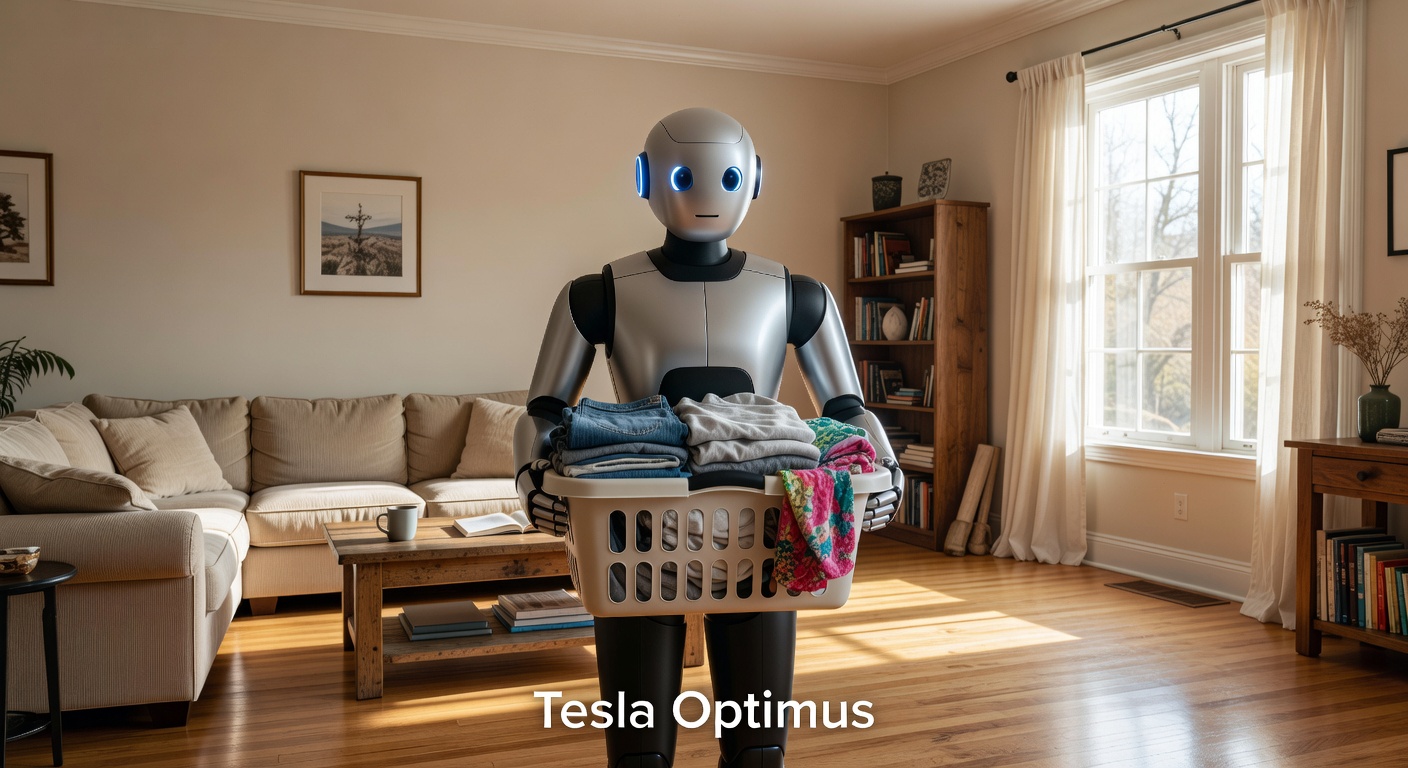
Let us be honest: at $20,000 (around £16,000), the 1X NEO is a luxury item. The $499 (around £400) monthly subscription makes it more accessible, but it is still a significant commitment. The technology is genuinely impressive, but first-generation consumer products always come with caveats. Battery life, task reliability, and the sheer novelty factor mean early adopters should set realistic expectations.
That said, the trajectory is unmistakable. Within five years, household robots will be as common as robot vacuum cleaners are today. The combination of advanced AI, improved battery technology, and mass manufacturing will drive prices down rapidly. What costs $20,000 (around £16,000) today will cost $5,000 (around £4,000) by 2028 and $2,000 (around £1,600) by 2030.
The Bigger Question Nobody Is Asking
The technology is exciting, but the societal implications deserve serious thought. What happens to millions of domestic workers worldwide when robots can clean a house for $499 (around £400) a month? How do we handle privacy when a robot with cameras and microphones lives inside your home 24 hours a day? And what does it mean for human relationships when a machine can anticipate your needs, manage your household, and never complain?
These are not hypothetical questions any more. The robots are here. They are real. And they are walking into homes right now. The only question left is whether you are ready for one.
Related reading on MTW
Buyer action
Where to buy or check next
Use this as the final check before ordering a phone, changing network or trusting a headline monthly price.








Reader discussion
Leave a comment
Comments are moderated. Keep it useful, accurate, and on topic.