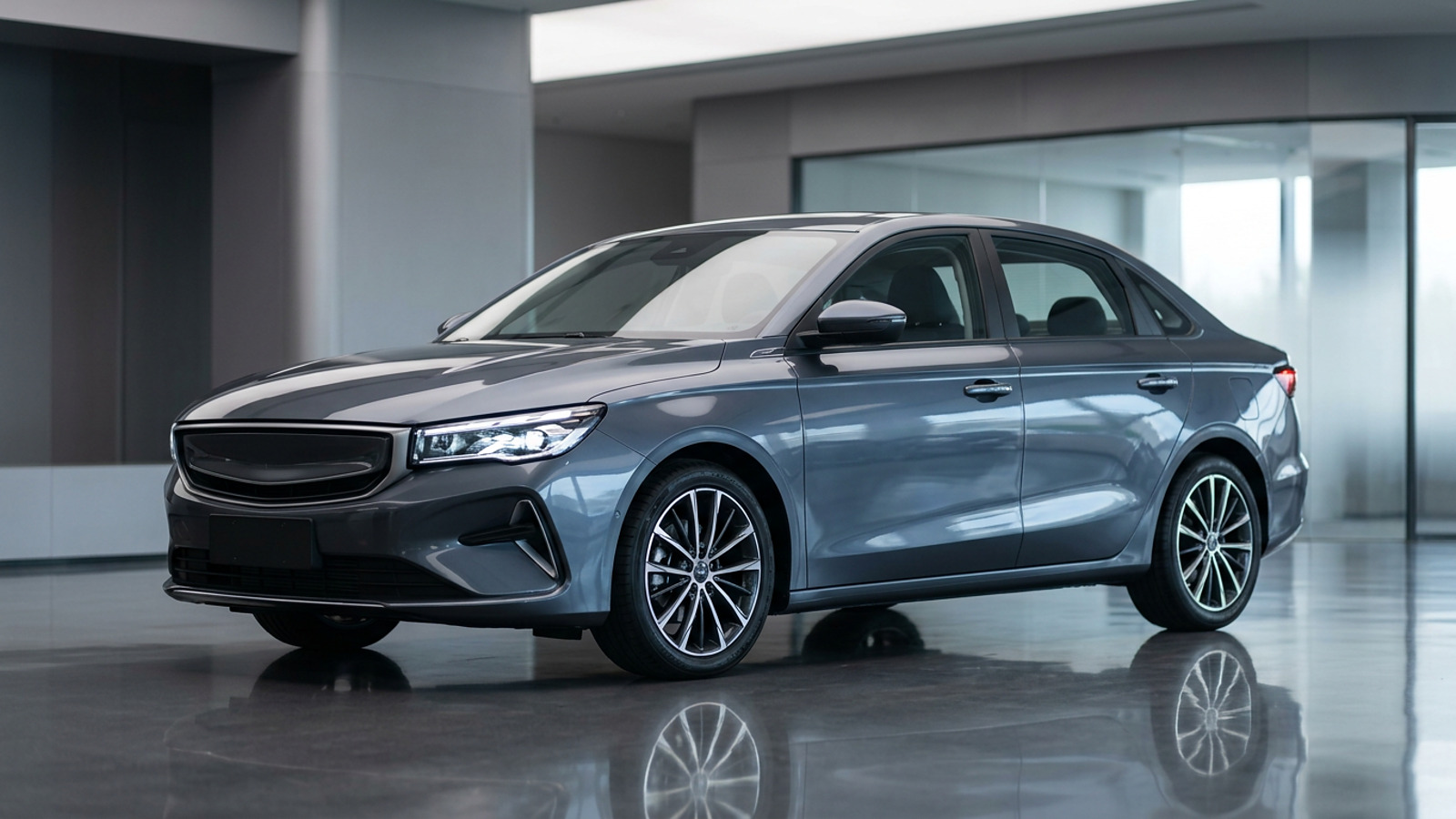
The Geely i-HEV DHT 2.0 update on April 14 is the clearest signal yet that the hybrid is no longer a transitional embarrassment. Geely i-HEV DHT 2.0 is positioned as a serious decade-long product line, with real-world economy figures honest enough to take into a showroom.
- Geely announced its i-HEV intelligent hybrid system on 13 April 2026, claiming 48.41% engine thermal efficiency and measured fuel use of 2.22 L/100 km.
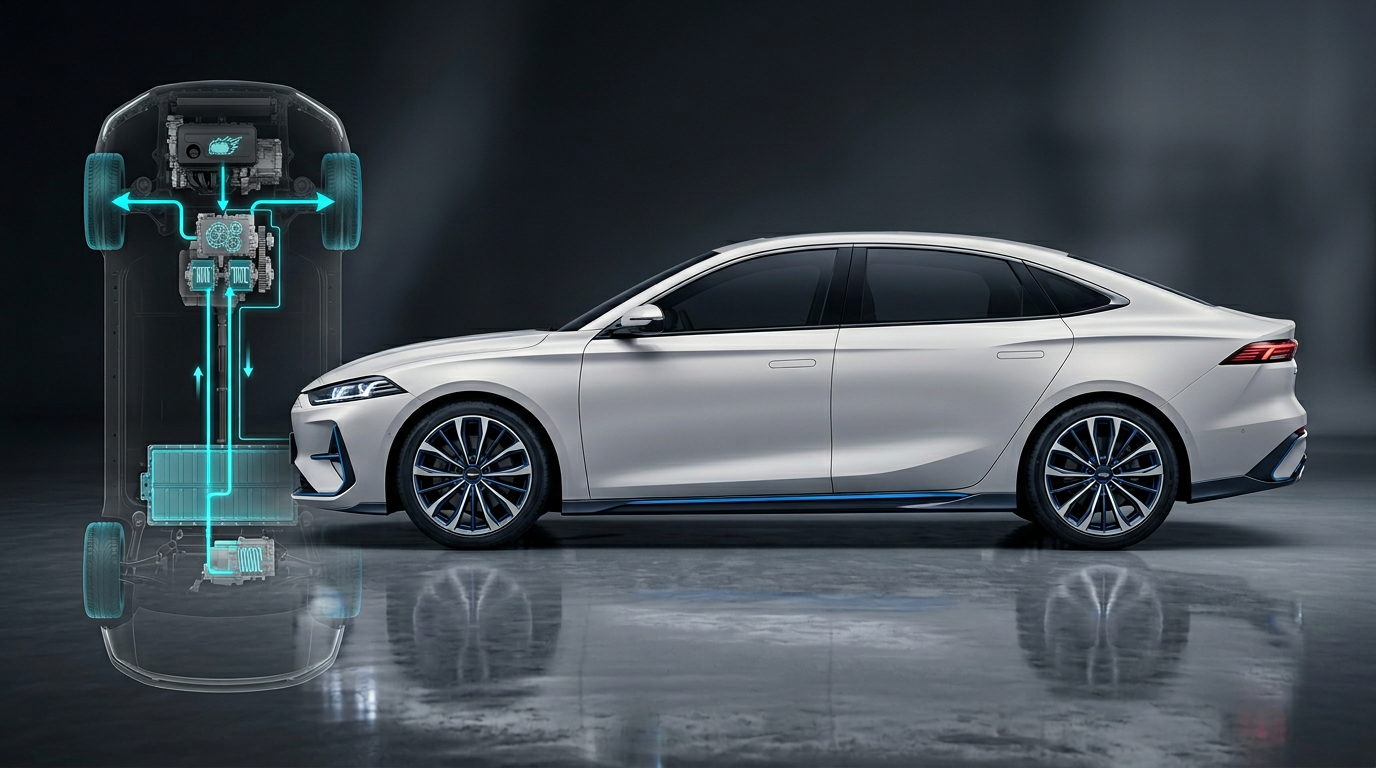
- The architecture is built around the BHE engine family (1.5, 1.5TD or 2.0TD) and an 11-in-1 single-speed dedicated hybrid transmission integrating the e-motor.
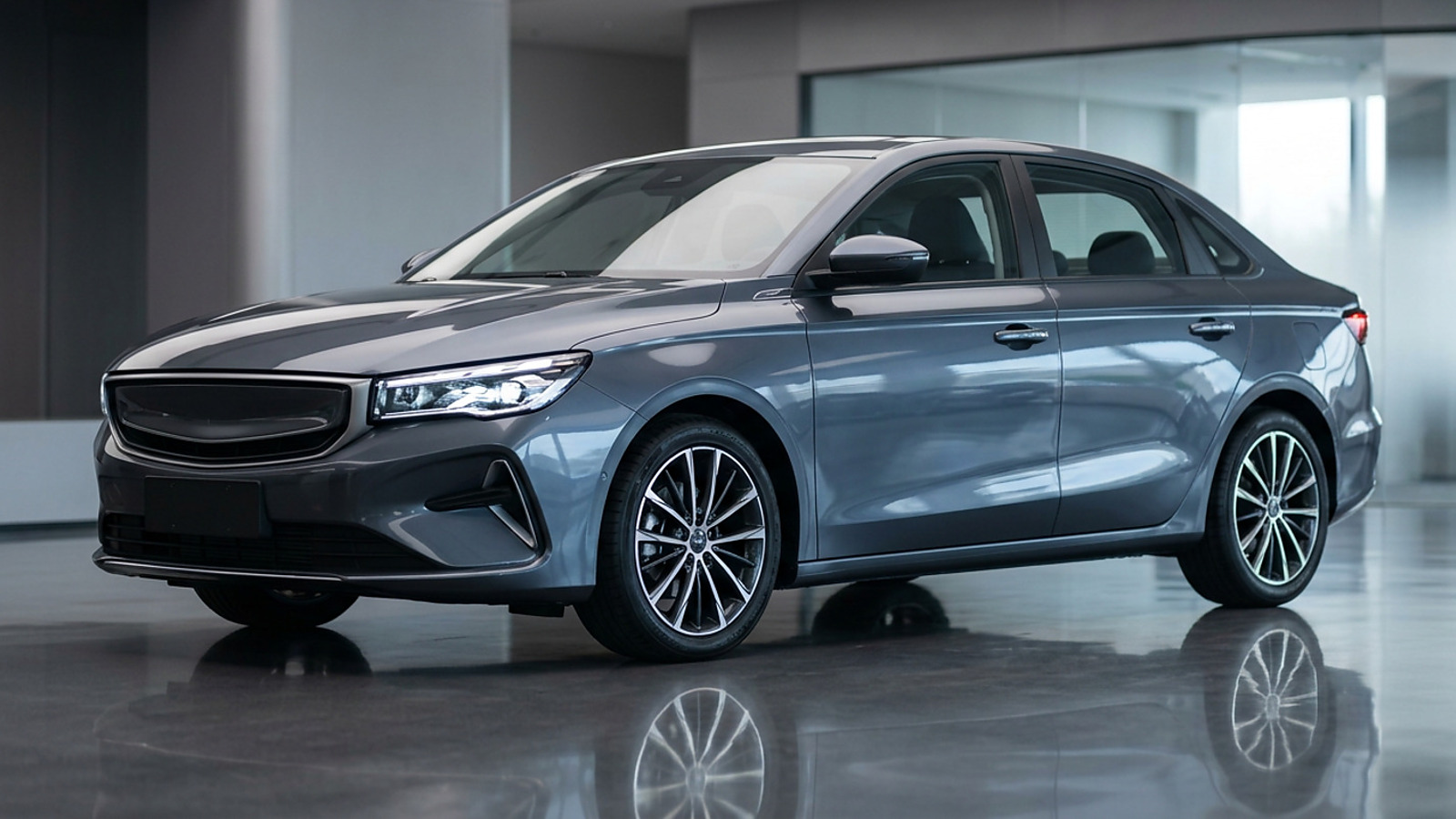
- First rollout models are the Geely Preface i-HEV (3.98 L/100 km WLTC, from approx USD 15,600) and Monjaro i-HEV (4.75 L/100 km, from approx USD 19,600); China sale began April 2026.
- Why it matters: this is the first credible Chinese conventional-hybrid pitch that out-specs Toyota on paper and arrives as the EU and UK move 2035 ICE ban dates around.
That framing matters. Buyers who do not yet live in cities with ample home charging are being told for the first time in a while that they are not a problem to be solved. They are a segment to be designed for. That is more honest than the marketing has been on this topic for years.
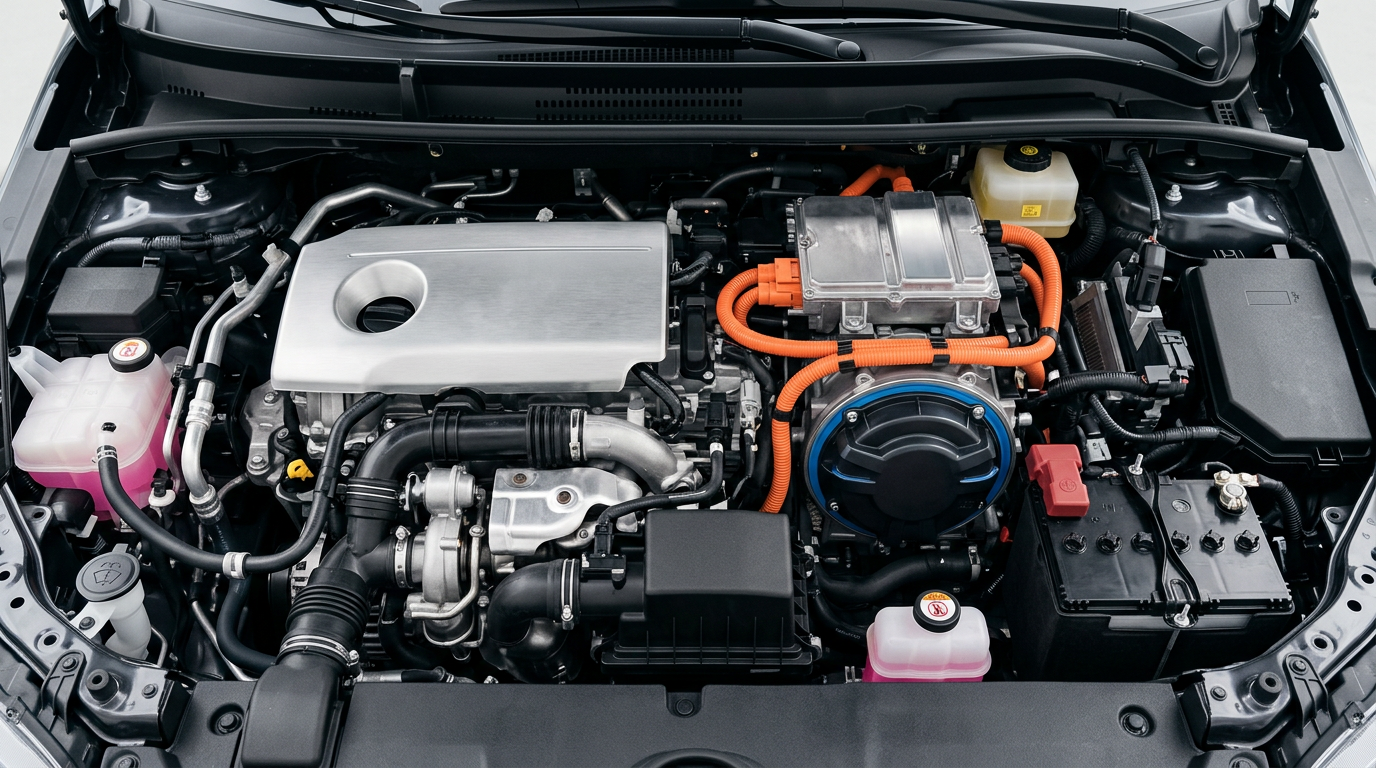
Why Geely i-HEV DHT 2.0 is about efficiency, not novelty
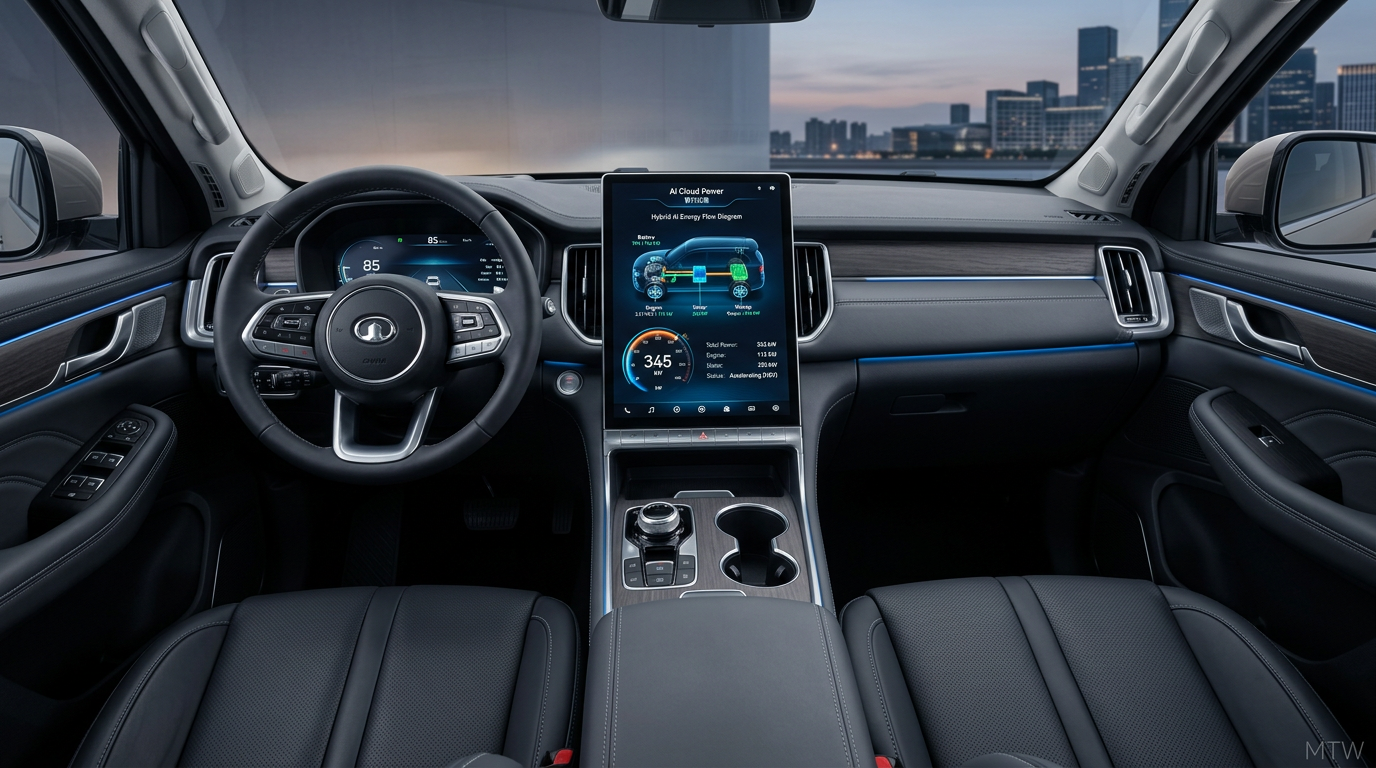
The new i-HEV system claims a peak thermal efficiency of 48.41%, a record-low 2.22L/100km fuel figure, and a new “AI Cloud Power” energy manager that uses real-time weather, altitude and driving data to decide when to fire the petrol engine. None of that is a keynote headline. All of it is what actually moves the WLTP numbers and, more importantly, the real-world numbers customers experience in traffic. The pitch is less about 0 to 100 and more about the unglamorous 7 litres per 100 km becoming a 4.
Why the market is more ready than people admit
Pure EVs have captured new-build households, tech early adopters and urban driveways. What they have not captured is the buyer who lives in a block of flats without assigned parking, or the regional commuter who routinely drives 400 km in a day without wanting to plan charging stops. That buyer is enormous, unsentimental and actively being sold to by every Chinese and Japanese manufacturer. Geely is slightly ahead of the pack on pricing and slightly behind on brand recognition in Europe. The April 14 push is clearly aimed at both gaps.
The cabin experience is no longer an afterthought
Geely’s updated cockpit finally matches the level of integration its pure-EV cars have been shipping for two years. That is a useful corrective. The hybrid had been serving as a value product with an older-feeling dashboard, which kept scaring off middle-market buyers comparing hybrids to EV-first rivals on infotainment UX. The new DHT 2.0 trims do not shortcut that experience any more, and that will matter in showrooms.
What the numbers should actually look like
Early figures for the first i-HEV cars show the Geely Preface i-HEV opening pre-sales in China at 3.98L/100km fuel economy and roughly 15,600 USD, with the larger Monjaro i-HEV from 19,600 USD. Those are not exotic numbers in isolation. What is notable is the price point Geely is claiming, which lands distinctly below the premium-badged European hybrid sedans and slightly above the last-generation mid-market options. That is the sweet spot the category has been missing since 2022.
| Dimension | Legacy hybrid | Geely i-HEV DHT 2.0 |
|---|---|---|
| Positioning | Stepping stone | Long-term product |
| Cabin | Value-grade | EV-parity |
| Real-world economy | 5 to 6 l/100km | About 4 l/100km |
| Target buyer | Reluctant EV avoider | Informed efficiency buyer |
Where Europe’s incumbents should be worried
Volkswagen, Stellantis and Renault all still need a strong hybrid answer that does not feel like penance for failing to electrify fast enough. Geely is filling that gap for them at a price that European manufacturing cost structures do not respect. If the current policy environment wobbles further on EV timelines, Geely’s i-HEV range becomes an awkward reference point in a lot of European boardrooms.
Verdict
The April 14 i-HEV DHT 2.0 announcement is not flashy. It is, however, one of the strongest signals this year that the hybrid is not a transitional awkwardness but a proper mainstream product line. Geely has read the market correctly, priced it aggressively, and upgraded the cabin to match. That is a completed argument, not a preview.
Related reading on MTW
Buyer action
Where to buy or check next
Use this as the final check before ordering a phone, changing network or trusting a headline monthly price.














Reader discussion
Leave a comment
Comments are moderated. Keep it useful, accurate, and on topic.