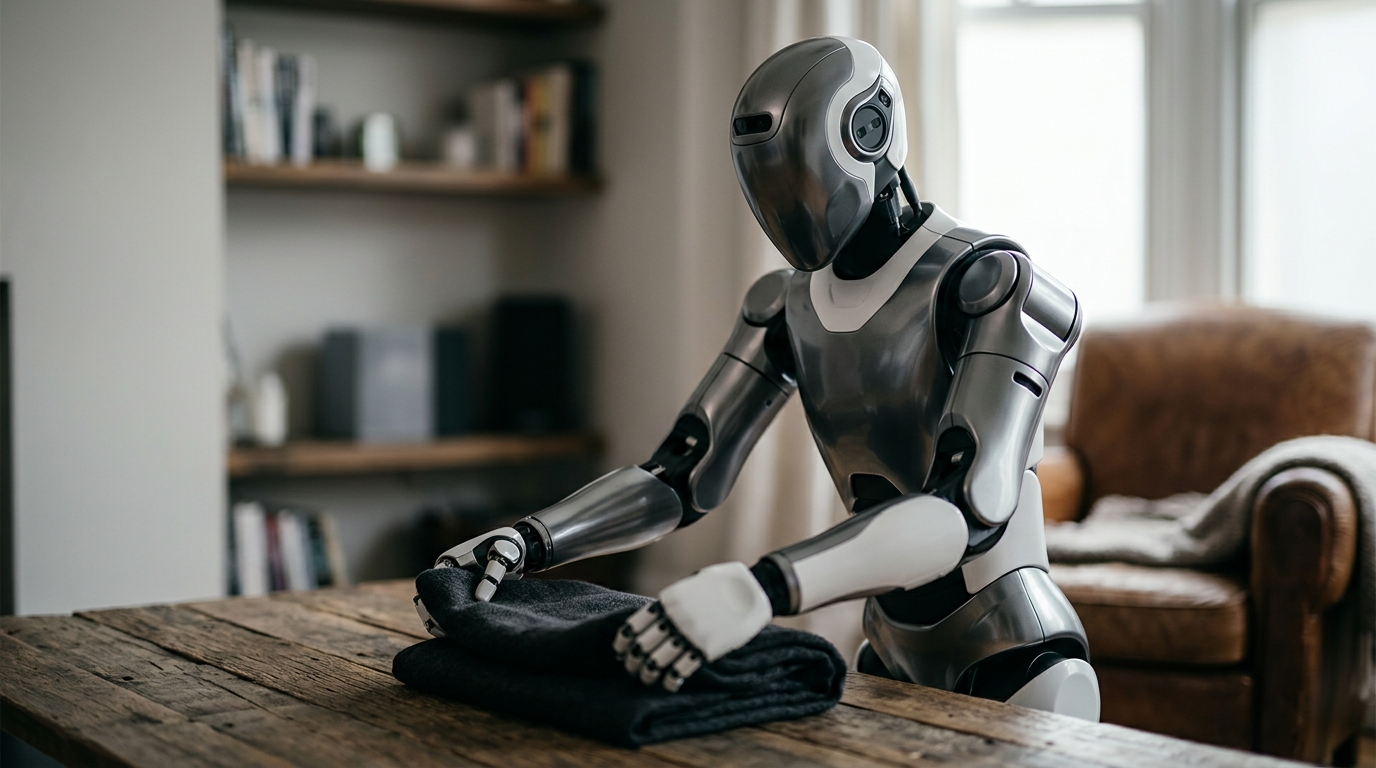
UniX AI Panther is the most grown-up home humanoid launch of the year. Rather than chasing the usual stage-demo theatrics, UniX AI Panther leads with what the robot will not do and pitches the constraints as the reason it will actually ship to households that do not look like a Boston Dynamics clean room. UniX AI’s own launch release frames Panther as “the world’s first service humanoid robot to enter real household deployment”.
Panther is a wheeled dual-arm humanoid rather than a biped, weighs 80 kg, stands around 1.6 m tall and runs up to 12 hours on a charge, according to Live Science. It is deliberately constrained in its mobility envelope, and tuned for chores that can be described in two sentences. The value proposition is not “it can do everything”. It is “it will do a small set of things reliably, in homes that do not look like a lab”.
Why UniX AI Panther goes smaller and narrower for 2026 — the unix ai panther humanoid robot angle
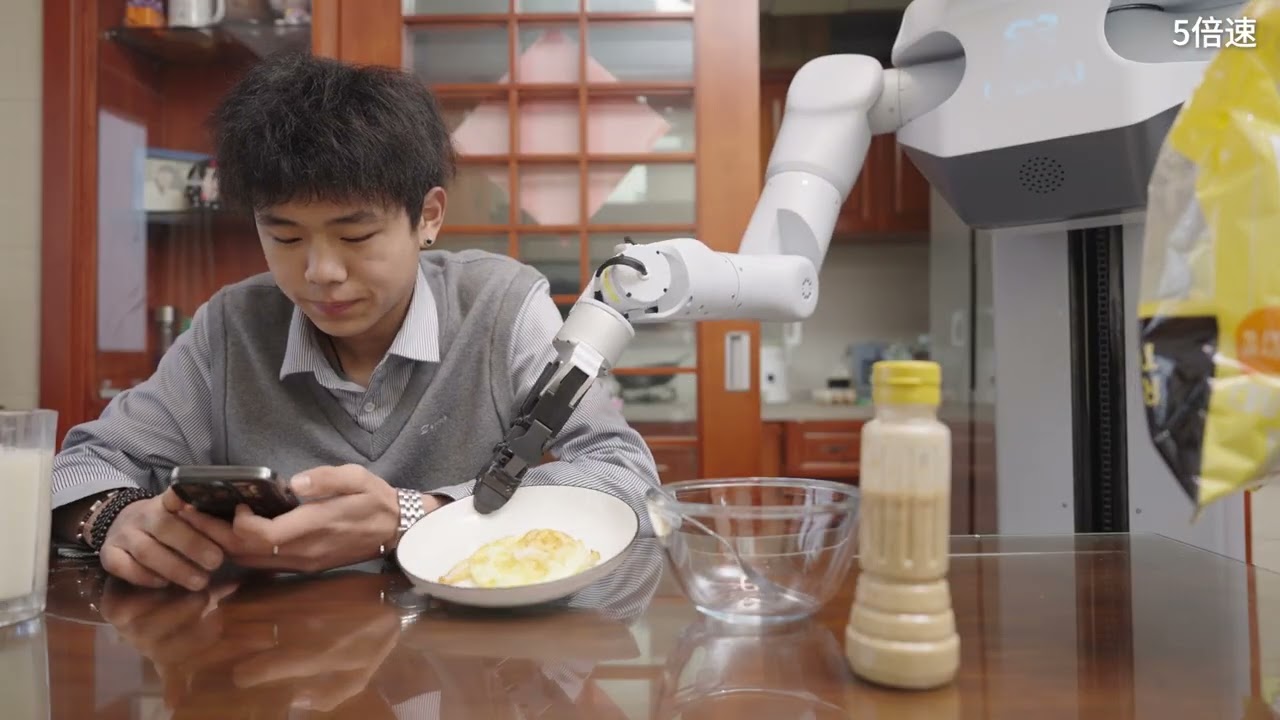
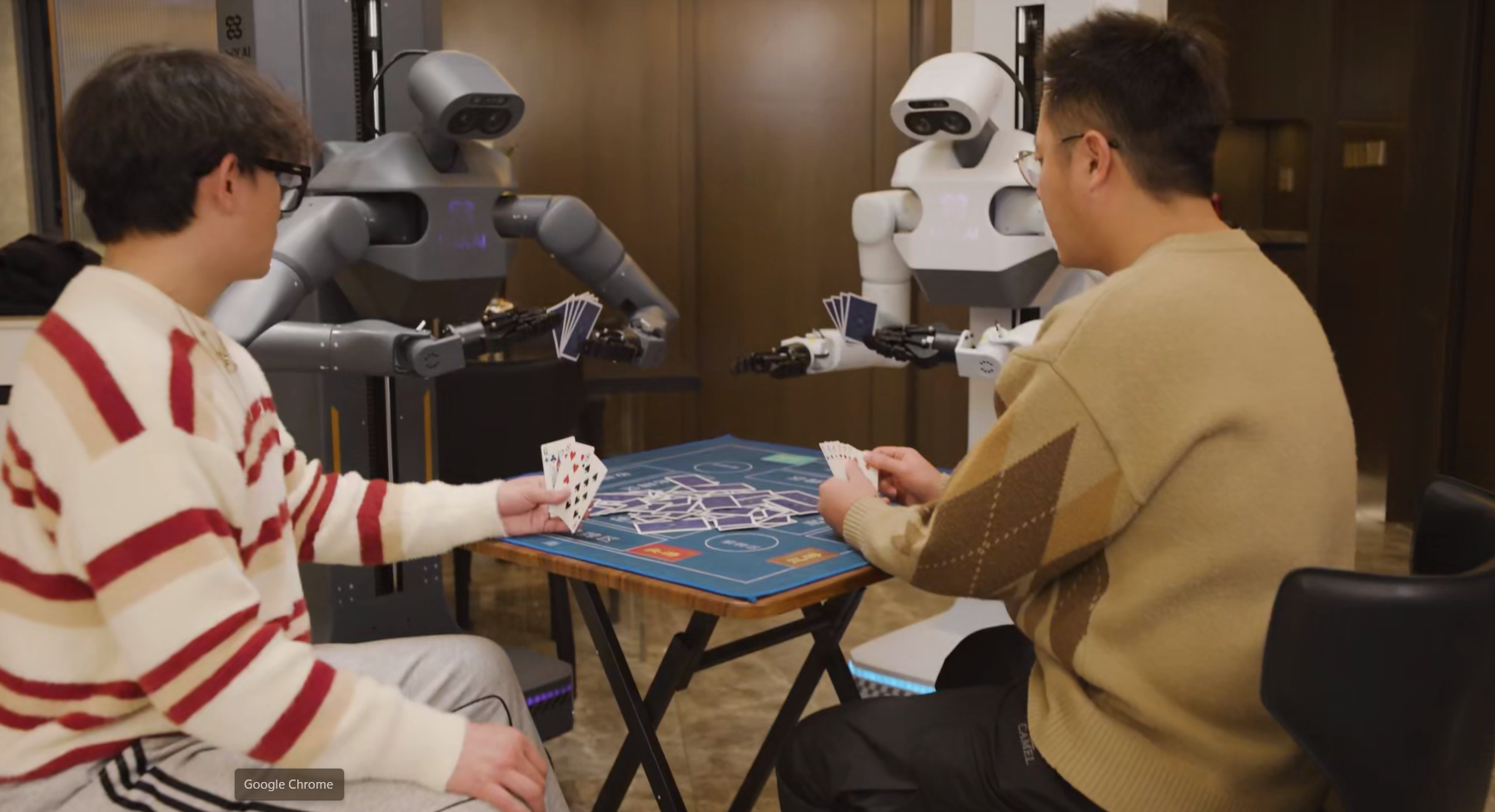
The industry is clinging to the fantasy of a general-purpose humanoid that replaces a live-in helper. That robot is decades away. What the next two years will actually reward is the opposite: robots that commit to a small number of repeatable household tasks and nail them in ordinary homes. UniX AI Panther fits that profile. It is not trying to lift children. Its demonstrated tasks are things like making beds, preparing breakfast, whole-home cleaning and tidying, performed end-to-end in unmodified household environments.
The safety story is the marketing — the unix ai panther humanoid robot angle
Home humanoids have a particular safety surface that industrial ones do not. They share a floor with pets, children, elderly relatives and visitors. Panther’s launch framing, with explicit force limits, audible status cues and a restrained operating envelope, is the safety choreography the category needs. Other humanoid makers have talked about safety as an afterthought. UniX AI is treating it as the pitch.
Where the software argument gets interesting
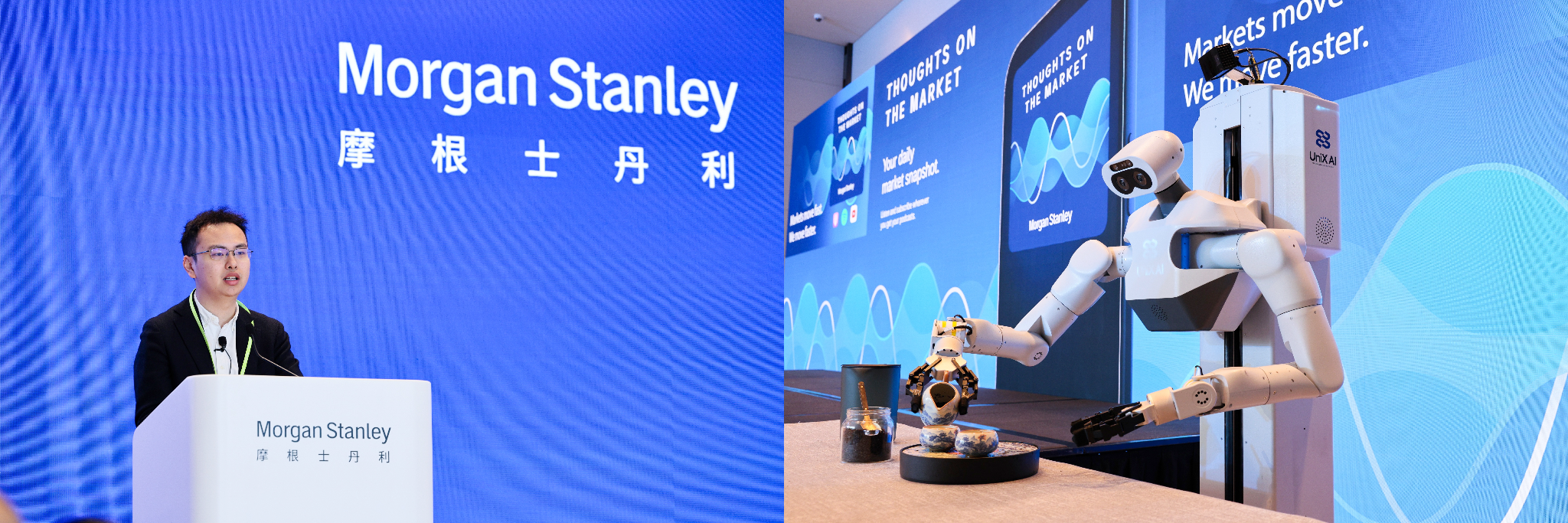
Hardware differentiation in humanoids will collapse fast. Motors, actuators, battery chemistries and cameras are converging. The real moat is software: manipulation policies that generalise to unseen objects, failure recovery that does not require a reset button, and on-device inference that respects privacy. Panther is pitching a version of all three, running on 8-DoF bionic arms, an adaptive intelligent gripper and a four-wheel-steer, four-wheel-drive chassis that the company says is backed by an established mass-production pipeline. Whether UniX AI’s own policy training is ahead of its peers will only become clear in the first real deployments.
| Strategy | Legacy humanoid demos | UniX AI Panther |
|---|---|---|
| Scope | General-purpose | Small chores, well-bounded |
| Safety framing | Footnote | Launch headline |
| Home context | Lab or stage | Living rooms and hallways |
| Recovery | Operator reset | Graceful failure behaviours |
What could still go wrong
Home humanoid robotics is still a category that makes extravagant promises and under-delivers. Reliability will define Panther’s first year, not capability demos. If the robot sulks every time the rug is moved, or if the learned behaviours do not cross-domain from the tester’s flat to a family home in Sheffield, the industry’s credibility problem will still be UniX AI’s problem. The team has made the right bet; the hard part is the thousand little failures that do not get captured in marketing video.
Verdict
UniX AI Panther is not the home robot that replaces anyone. It is the home robot that is honest about not replacing anyone. That is the correct position for 2026, and it is one of the first times a major humanoid programme has taken it. The next twelve months will decide whether UniX AI has the discipline to keep saying no to feature creep. If it does, Panther could be the first home humanoid that actually lasts.
Related reading on MTW
- AGIBOT G2: the humanoid that sells into a factory
- Gemini Robotics-ER 1.6: the real embodied AI test
- NVIDIA’s Physical AI push: robotics is investable now
Why the Panther’s pragmatism is the real story
The home humanoid category has spent four years promising machines that fold laundry, load dishwashers and look after elderly relatives. Almost none of it has shipped. UniX AI’s contribution is to stop pretending the hard problems are already solved, and to ship a Panther aimed at narrower, repeatable tasks where reliability is the entire selling point. That is unglamorous work that has nothing to do with viral demo reels, and it is exactly the discipline this industry has been missing.
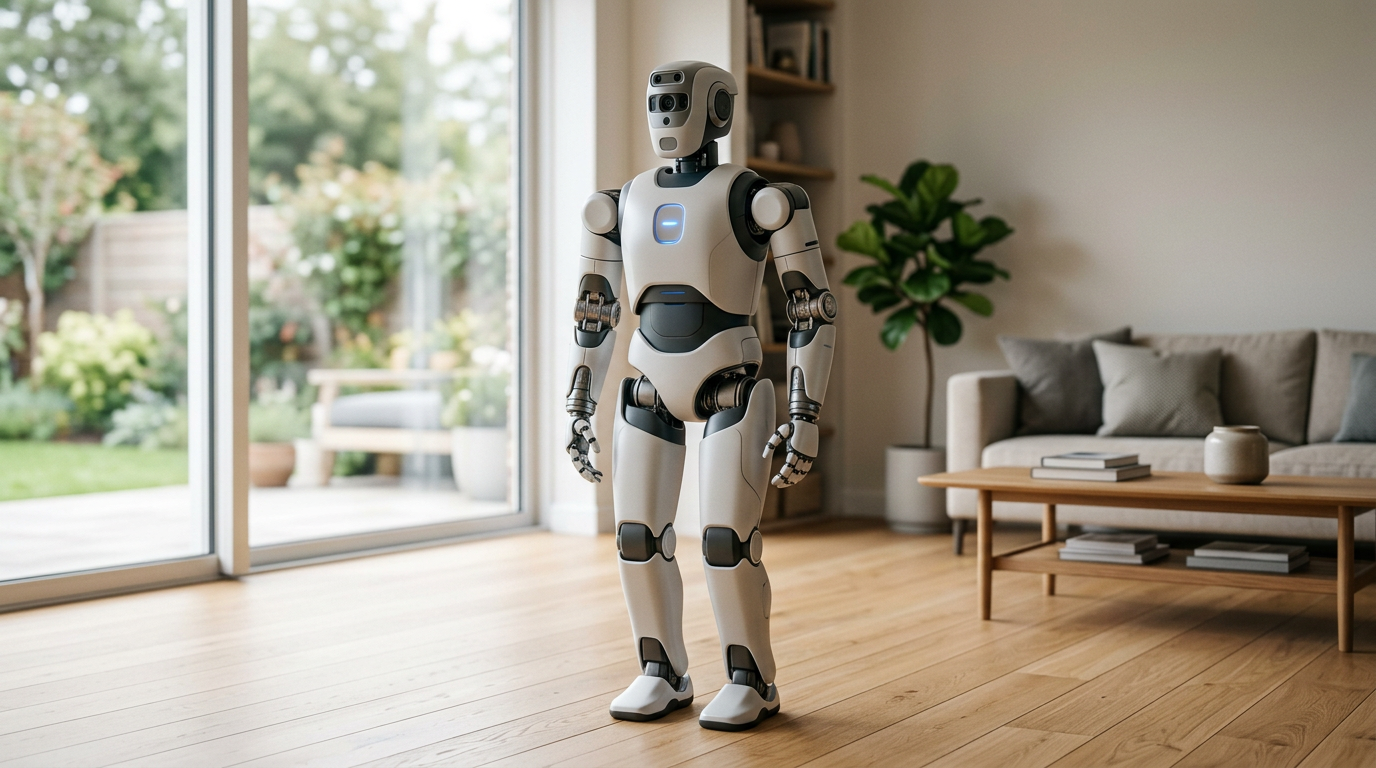
For UK households, this matters in two ways. First, pricing: a humanoid that does five things very well is far more likely to land in a UK home at a believable price than one promising twenty things badly. Second, support: an honest scope means real warranty terms, real spare parts and real after-sales service rather than vapourware refunds when an over-promised feature quietly disappears in a software update. None of that gets the keynote slot, but it is the bit that makes the difference between a niche curiosity and a category that actually matures.
MMTW Editorial
Buyer action
Where to buy or check next
Use this as the final check before ordering a phone, changing network or trusting a headline monthly price.







Reader discussion
Leave a comment
Comments are moderated. Keep it useful, accurate, and on topic.