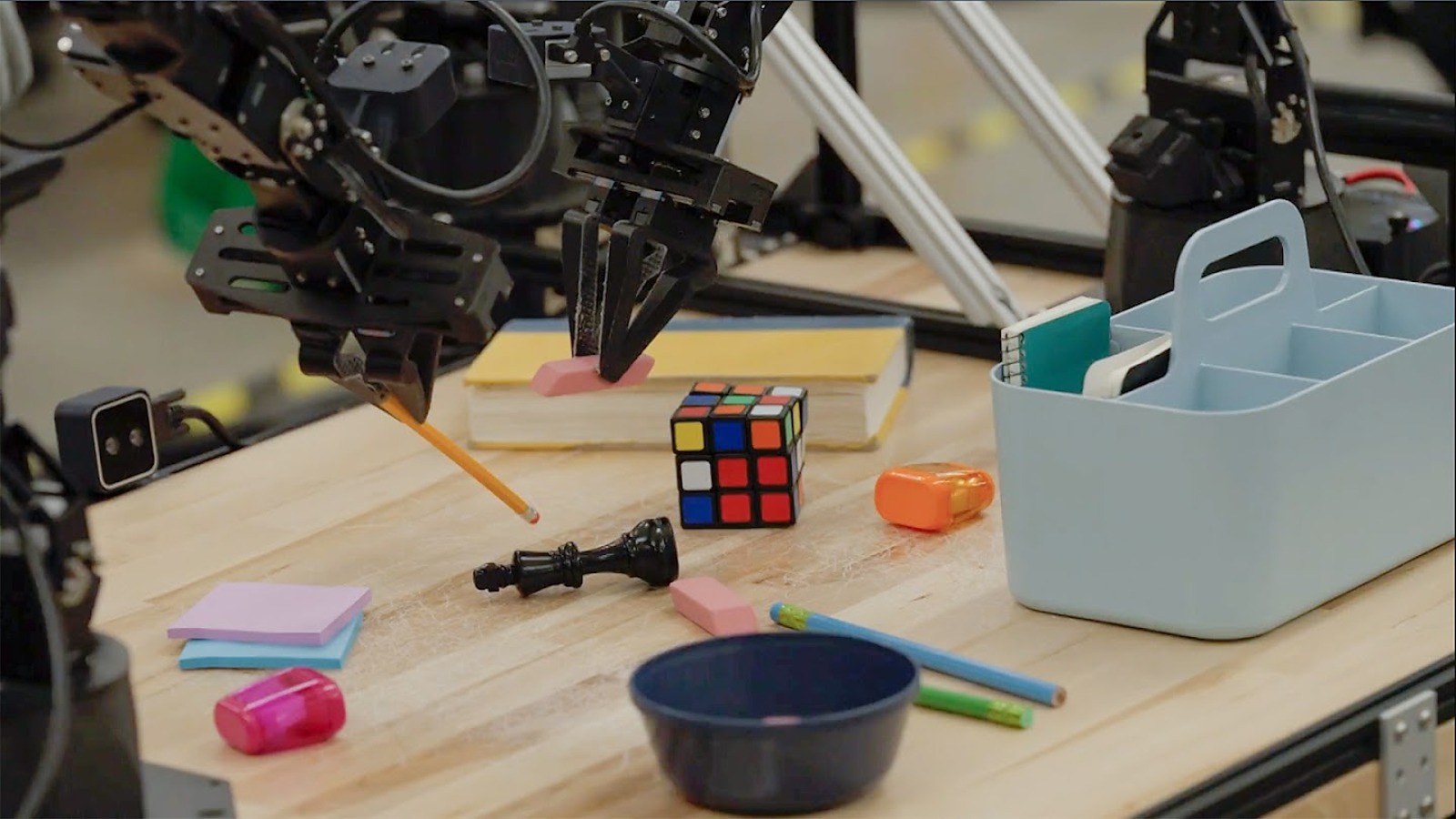
Gemini Robotics-ER 1.6 is Google DeepMind’s quiet admission that the chatbot leaderboards stopped mattering some time ago. The April 14 release of Gemini Robotics-ER 1.6 puts embodied reasoning, multi-view perception, counting and task decomposition back at the centre of what ‘better AI’ actually means.
- Google DeepMind released Gemini Robotics-ER 1.6 on 14 April 2026 via the Gemini API and Google AI Studio.
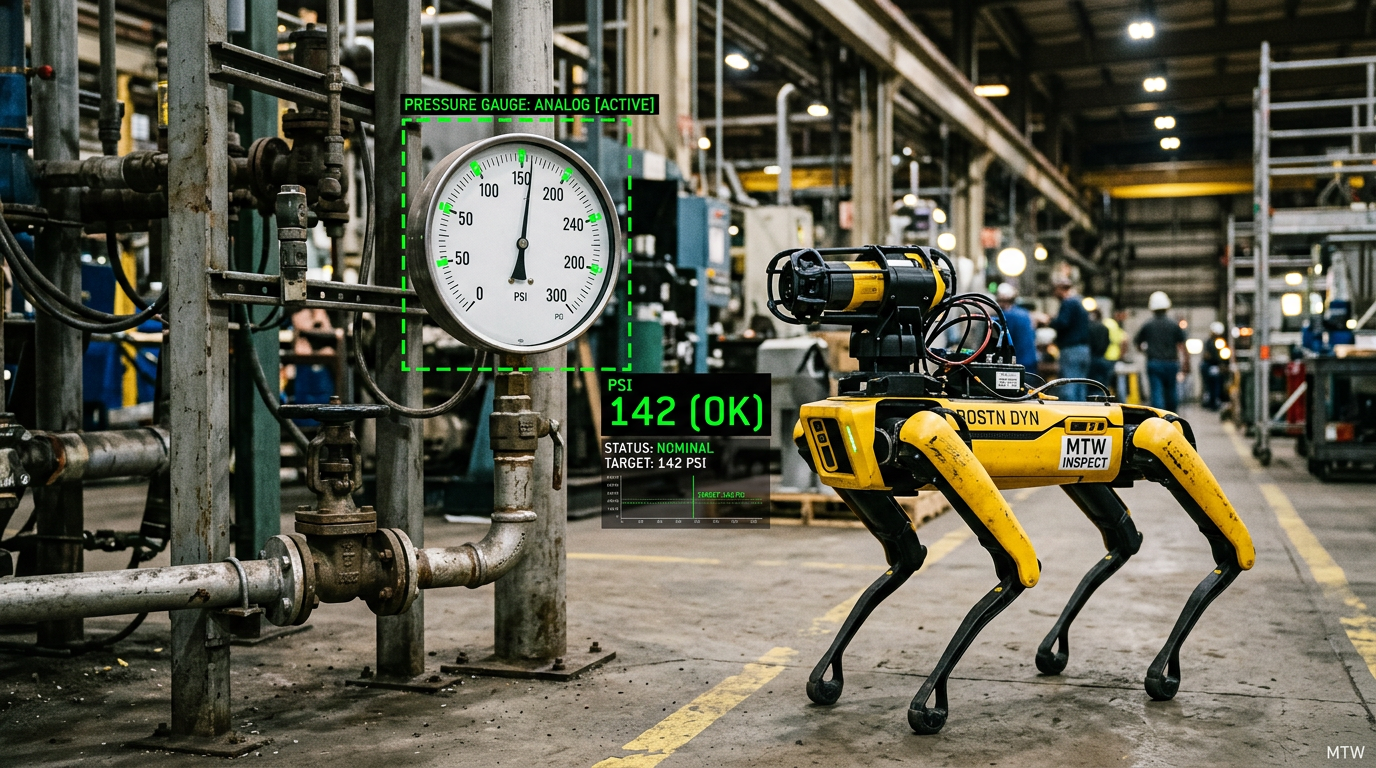
- Headline jump: instrument-reading accuracy on analogue gauges rises from 23% in ER 1.5 to 93% in ER 1.6, developed with Boston Dynamics.
- ER 1.6 improves spatial reasoning, multi-camera fusion, pointing, counting, success detection and physical-safety instruction following over its predecessor.
- Why it matters: a frontier embodied-reasoning model that any developer can call sits squarely behind UK industrial robotics startups that have been waiting for usable embodied AI.
Gemini Robotics-ER 1.6 pushes multi-view scene understanding, fine-grained counting, step-by-step task decomposition and manipulation prediction in one family of models. It is not a general robot brain yet, and DeepMind does not pretend it is. It is a clean step up in the specific capabilities that make robots less useless in unstructured environments, and that alone puts it ahead of most of what robotics AI has actually delivered this year.
Why Gemini Robotics-ER 1.6 is where embodied reasoning gets tested
Asking a model to write a cover letter is low-stakes. Asking it to identify the one blue mug on a crowded shelf so a robot can grasp it without knocking the others over is not. You cannot hallucinate a plausible answer when a joint is about to collide with a table. ER 1.6’s incremental wins in perception and reasoning translate directly into fewer catastrophes, and that is the only benchmark robotics customers actually care about.
Counting, of all things, is the telltale
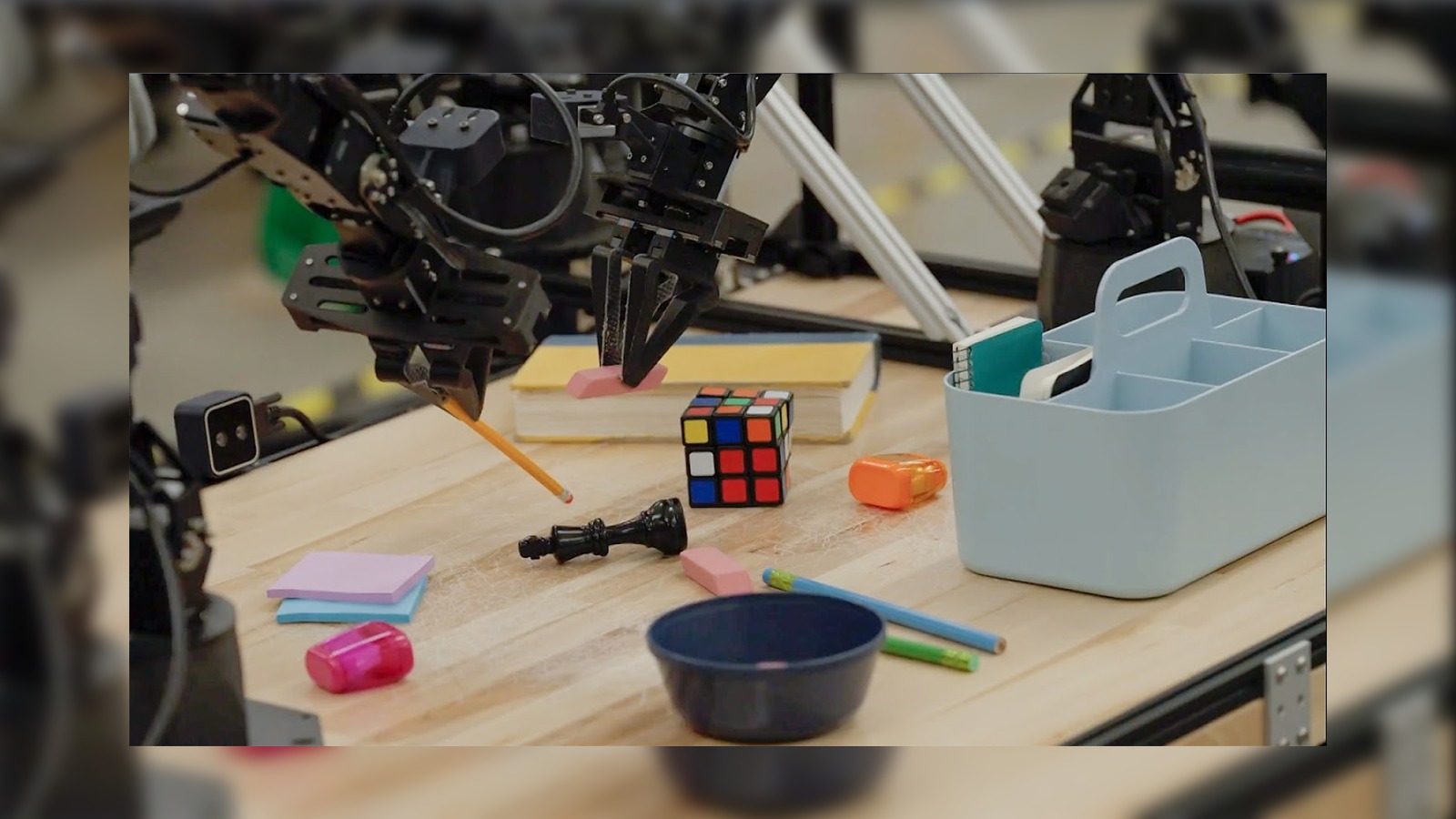
One of the less flattering truths about general-purpose multimodal models is that they are often bad at basic counting. That is a serious problem when a robot is supposed to pick up three apples and not four. ER 1.6 explicitly leans into counting as a first-class task. It is an unglamorous capability to highlight at launch, which is exactly why it is worth noticing. The models that win embodied tasks will be the ones that take these basics seriously.
Multi-view is where DeepMind’s advantage shows up
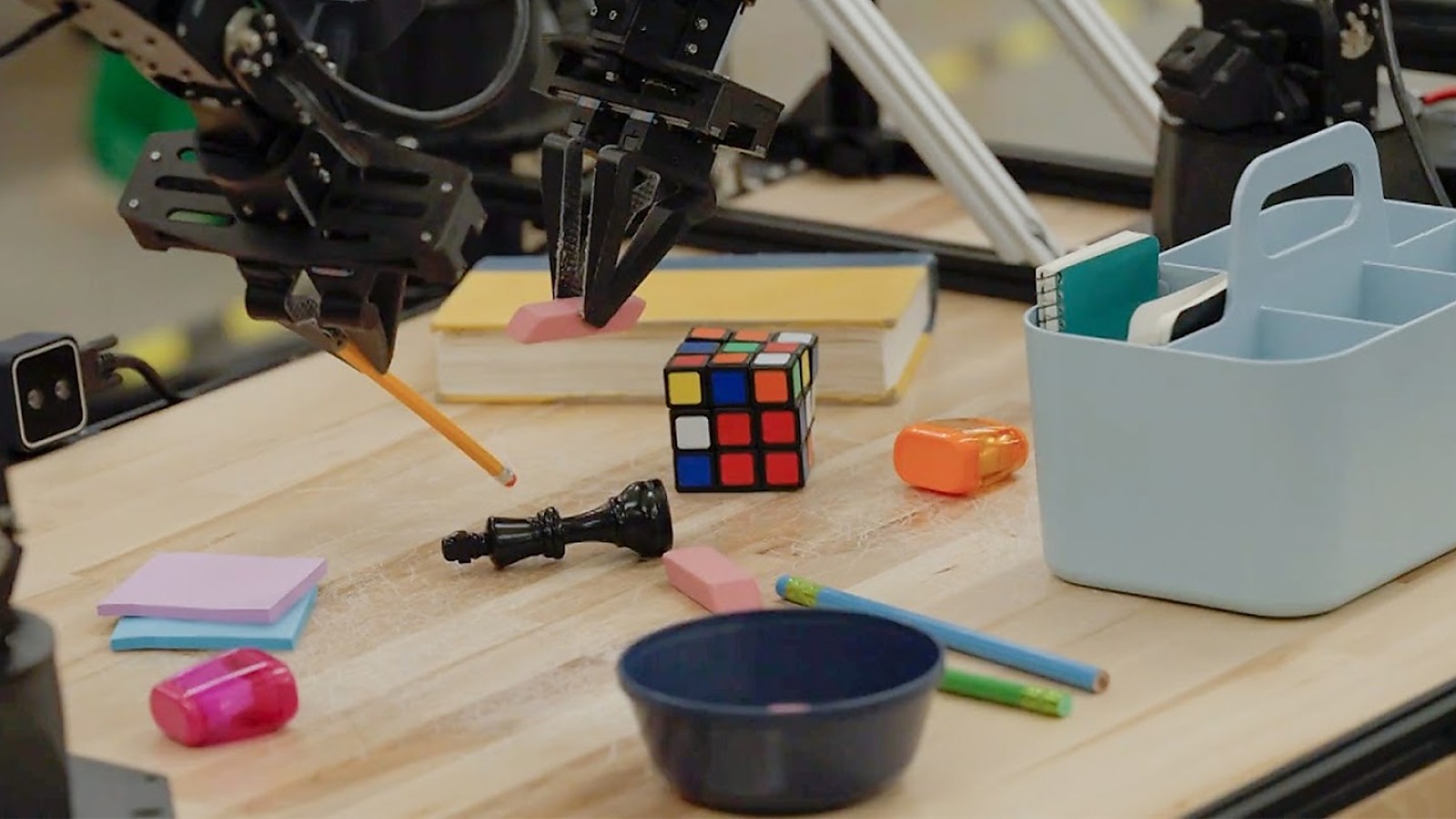
Robots almost never see a scene from a single camera. They see it from the wrist, the head, the ceiling, and possibly a lidar. ER 1.6 is explicitly built for fusing those views into one coherent scene understanding, with a temporal model of how it changes as the robot moves. That is closer to how production robot platforms actually gather information, and it is why this release will end up in more pilot programmes than the previous ER line.
What it changes for real robot products
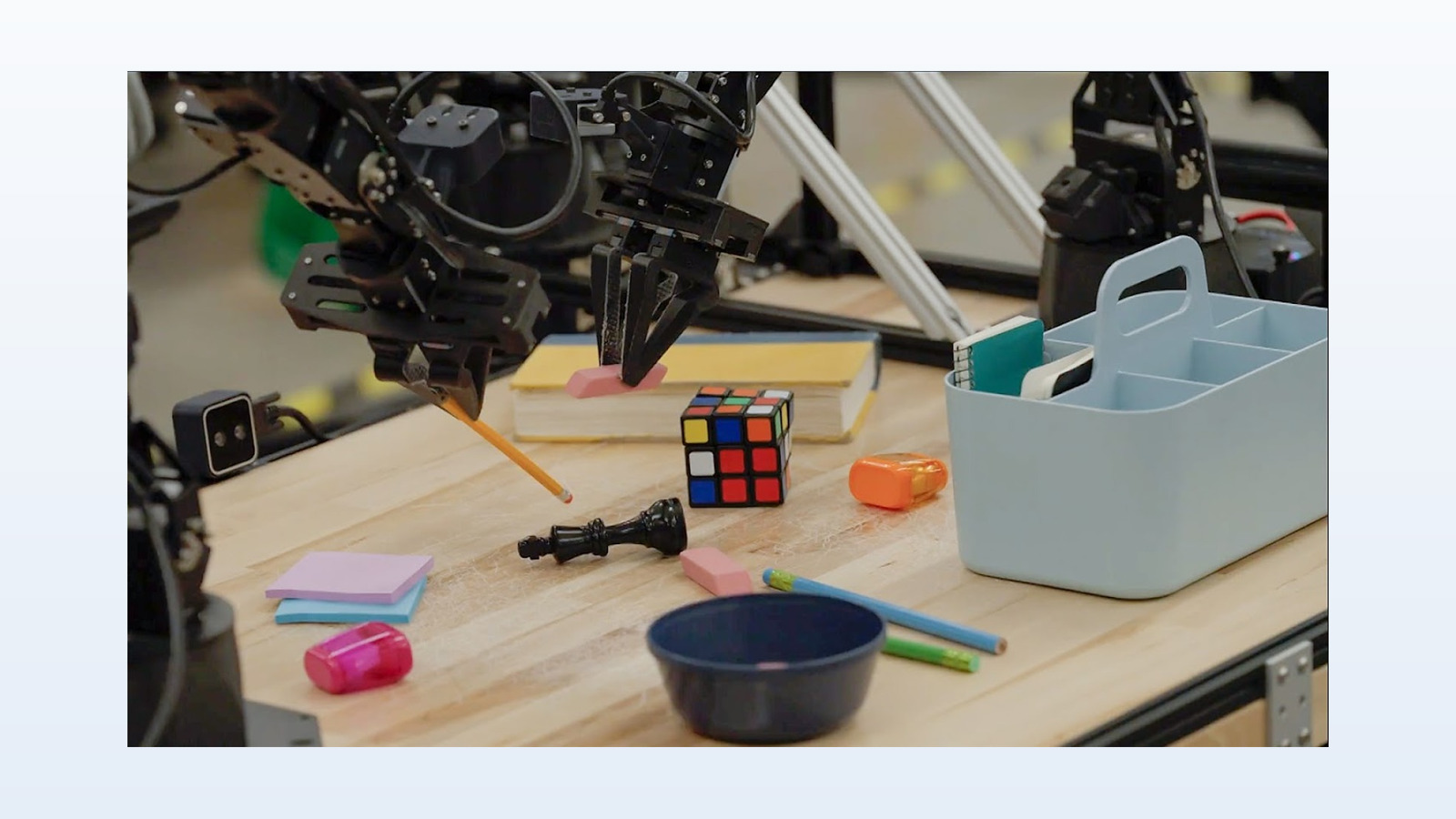
Warehouse picking, home chore robots, surgical assistants and retail stocking all depend on reliable scene reasoning. None of them need a model to write poetry. All of them will measurably benefit from a backend that can decompose ‘put the blue mug on the shelf between the jar and the book’ into a sequence of perceptions and actions that survive the robot walking into a real scene. Gemini Robotics-ER 1.6 is pitched at exactly those workloads.
Where the hype still runs ahead of reality
Nothing here is general-purpose home robotics. The release is a better toolbox, not a finished robot. Anyone reading this and expecting to buy a consumer robot in 2026 that can confidently clean an arbitrary kitchen is going to be disappointed. What ER 1.6 will do is unlock a generation of narrower, more reliable robots, which is the honest path to consumer-grade systems.
| Capability | Older robotics models | Gemini Robotics-ER 1.6 |
|---|---|---|
| Perception | Single view | Multi-view + temporal |
| Counting | Unreliable | First-class task |
| Task decomposition | Brittle scripts | Flexible plans |
| Deployability | Labs and demos | Pilot programmes |
Verdict
Gemini Robotics-ER 1.6 is not the release that makes robots smart. It is the release that makes a particular corner of robotics reliably less stupid. That is more useful than almost anything else shipped in AI this month. Robotics is the test AI cannot cheat, and DeepMind has just put a better answer on the table than most of the field.
Related reading on MTW
Buyer action
Where to buy or check next
Use this as the final check before ordering a phone, changing network or trusting a headline monthly price.










Reader discussion
Leave a comment
Comments are moderated. Keep it useful, accurate, and on topic.