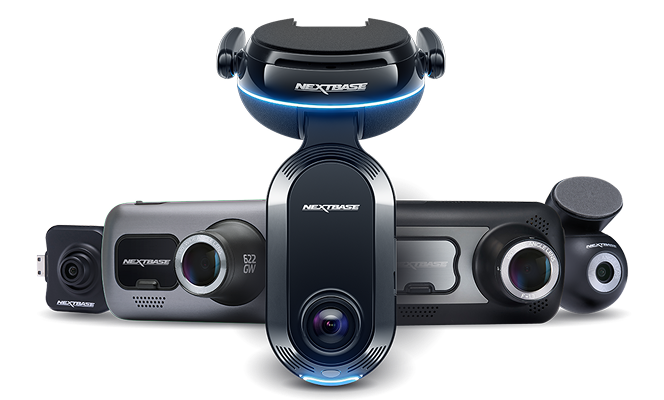
Dash cams and electric vehicles are a natural pairing, but the combination introduces a few wrinkles that petrol car owners never have to think about. Parking mode power draw, battery health concerns, and the question of whether a built-in system like Tesla Sentry Mode is good enough all factor into the decision. We have tested several options across different EVs, and here are the best dash cams for EV owners in 2026, whether you drive a Tesla, a BMW, or anything else with a plug.
Dash Cams for EV Owners: Contents
- Tesla Sentry Mode: Is the Built-In Option Enough?
- Nextbase 622GW: Best All-Round Option
- Viofo A139 Pro: Best for Multi-Camera Coverage
- BlackVue DR970X Plus: Best for Remote Monitoring
- EV-Specific Considerations: Power and Installation
- Which Dash Cam Should You Buy?
Tesla Sentry Mode: Is the Built-In Option Enough?
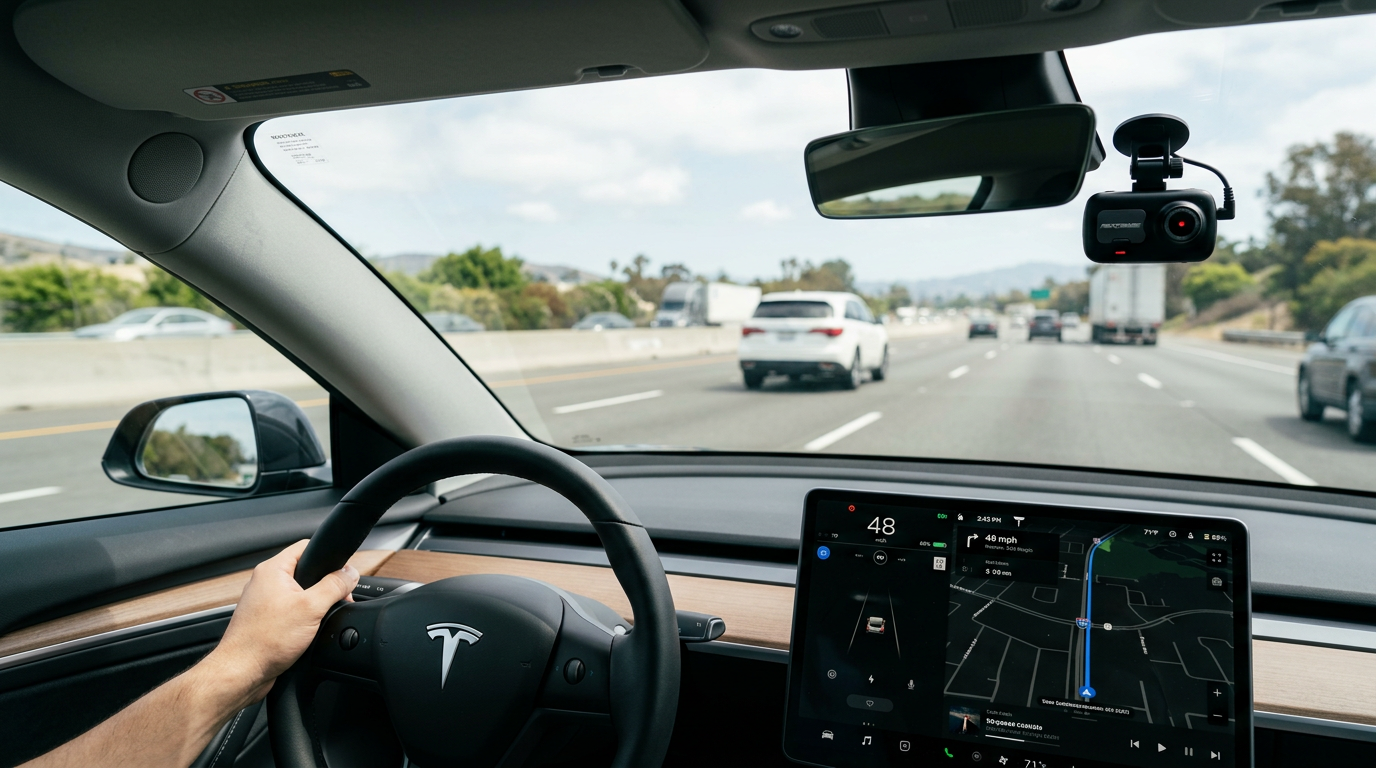
If you drive a Tesla, you already have a dash cam system. Sentry Mode uses the vehicle’s external cameras to record when the car detects a threat while parked, and the dashcam function records continuously while driving. The footage is saved to a USB drive or SSD in the glovebox. It is convenient, it is free (the hardware is already there), and the footage quality from the newer camera hardware is respectable, roughly 1080p from most angles.
However, Sentry Mode has limitations. The interior camera only offers a limited view, and the footage compression can be aggressive. Power draw used to be a serious concern, but Tesla’s 2024.38 software update cut Sentry Mode energy use by roughly 40%, and owners now typically report around 1 mile of range lost per hour rather than the older 2 mile figure, according to independent coverage of the update. That still adds up if you leave the car parked all day. There is also no rear-facing dashcam view while driving, which is a notable gap. For Tesla owners who want better quality footage or a dedicated rear camera, an aftermarket dash cam is still worth considering. If you are managing your EV charging with apps, keeping an eye on Sentry Mode’s power draw becomes part of the routine.
Nextbase 622GW: Best All-Round Option
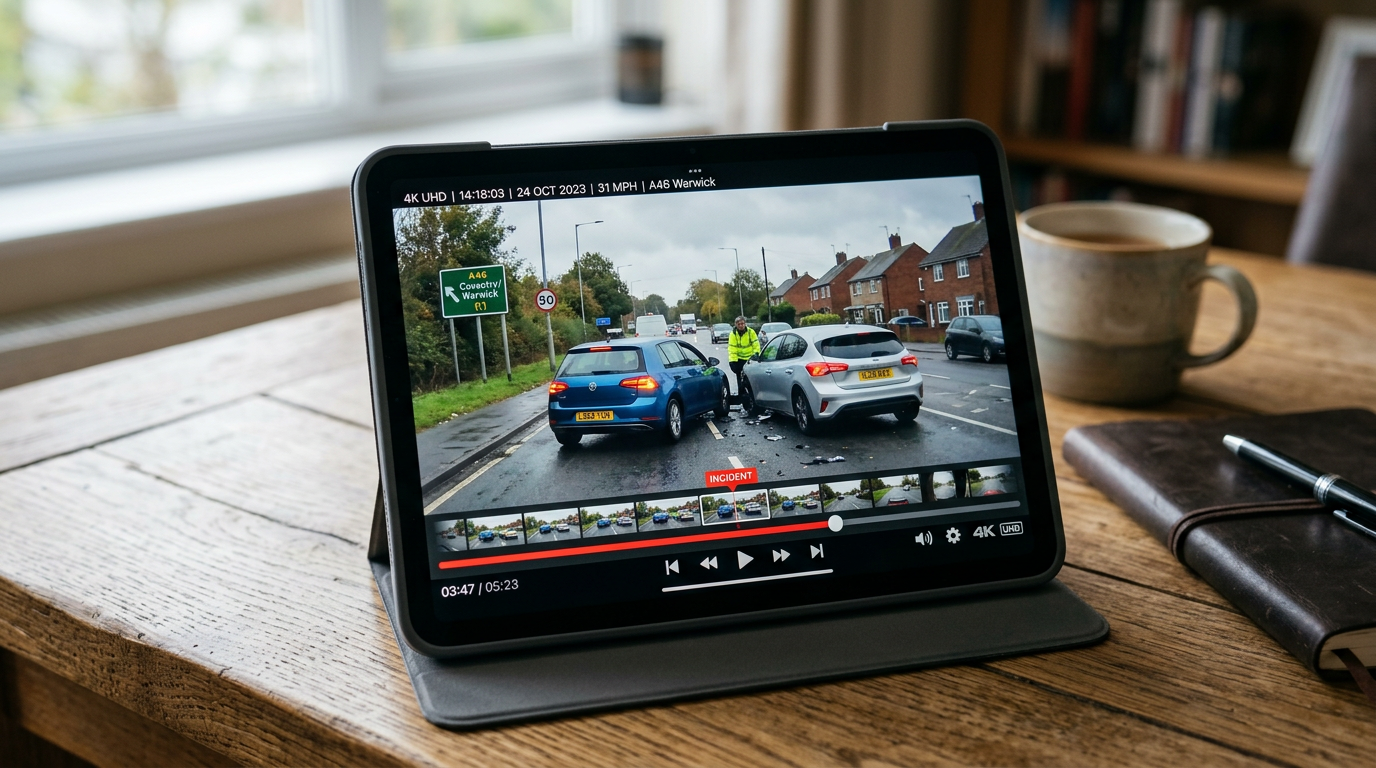
The Nextbase 622GW remains one of the finest dash cams you can buy, and it works well in EVs. The headline feature is true 4K recording at 30fps, which captures number plates with remarkable clarity even at motorway speeds. Image stabilisation is built in, and the Emergency SOS feature can automatically alert emergency services in the event of a serious collision.
For EV owners, the key advantage is the Nextbase’s efficient power management. When hardwired using the Nextbase hardwire kit (around £25 extra), the camera draws minimal power in parking mode and can be configured to shut off when the car’s battery voltage drops below a set threshold. This is particularly important for EVs, where the 12V auxiliary battery is smaller than in most petrol cars. The Nextbase 622GW sits around £249 on the official site and supports an optional rear camera module. The app is polished, allowing you to review and download footage directly to your phone over Wi-Fi.
Viofo A139 Pro: Best for Multi-Camera Coverage
The Viofo A139 Pro 3CH is a three-channel system covering front, interior and rear with the Sony STARVIS 2 IMX678 sensor on the front. That interior camera matters for ride-share drivers or anyone who wants interior recording alongside road coverage. Installation is more involved than a single-camera system, but the Viofo hardwire kit includes a low-voltage cutoff that protects your EV’s 12V battery. UK retailers list the three-channel kit from roughly £300 depending on bundle. The app is functional rather than beautiful, but it gets the job done for reviewing and exporting clips.
BlackVue DR970X Plus: Best for Remote Monitoring
For drivers who want to check on their car from anywhere, BlackVue’s cloud-connected DR970X Plus family is the obvious pick. The newer Plus II versions use the Sony STARVIS 2 sensor for 4K front recording plus a 1080p rear, with bitrates now up to 60MB/s for finer detail. Pair it with the optional LTE module (or the built-in LTE on the Plus II LTE version) and you can pull live views, receive motion alerts and auto-back-up parking incidents to the cloud. BlackVue’s own DR970X-2CH Plus II product page has the full spec breakdown. It is the most expensive of the three picks, but if you frequently park in public places it earns its money.
EV-Specific Considerations: Power and Installation
The single biggest concern with fitting a dash cam to an EV is power management during parking mode. Most EVs have a smaller 12V auxiliary battery than traditional cars, and this battery manages the dash cam, lights, and various vehicle electronics. Drawing too much power in parking mode can flatten the 12V battery, which, depending on the vehicle, can prevent the car from starting or trigger warning messages.
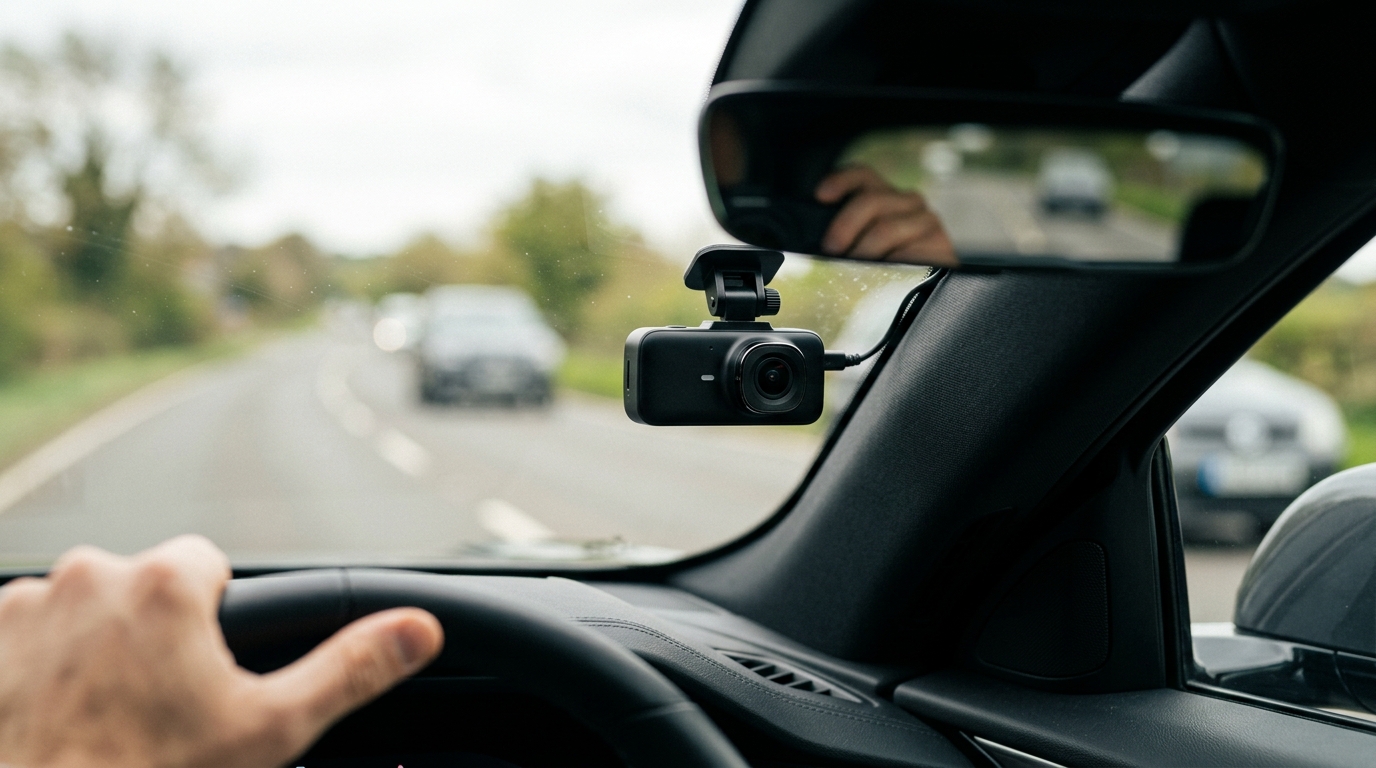
The solution is straightforward: always use a hardwire kit with a voltage cutoff. All the options above support this either natively or via an accessory. Set the cutoff voltage to around 12.0 to 12.2V, and the camera will shut off before it causes any issues. Some Tesla models also offer a glovebox USB port that provides persistent power for dashcam and Sentry storage, and BMW iX owners typically hardwire to an ignition-switched fuse in the rear fuse panel for a clean install.
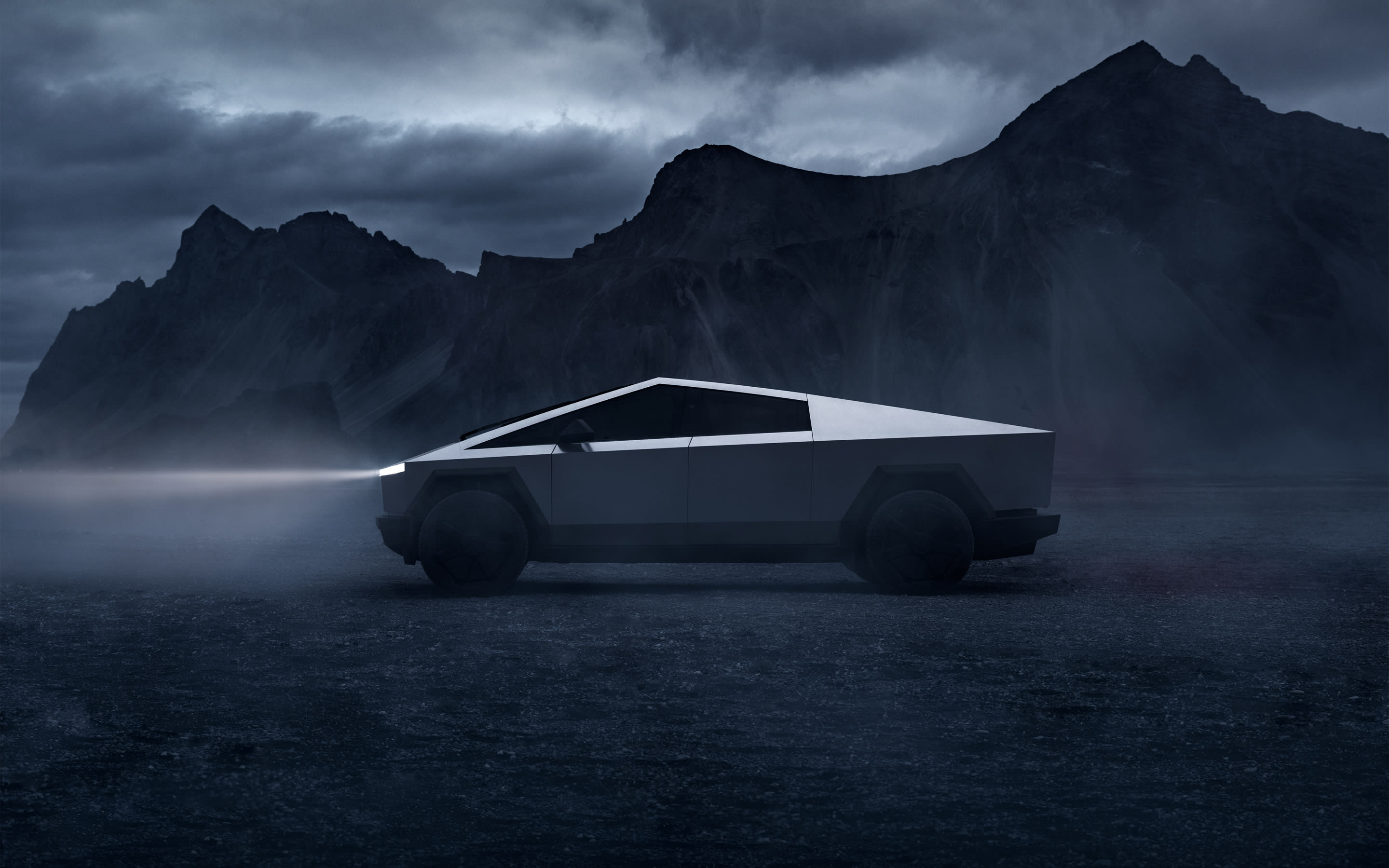
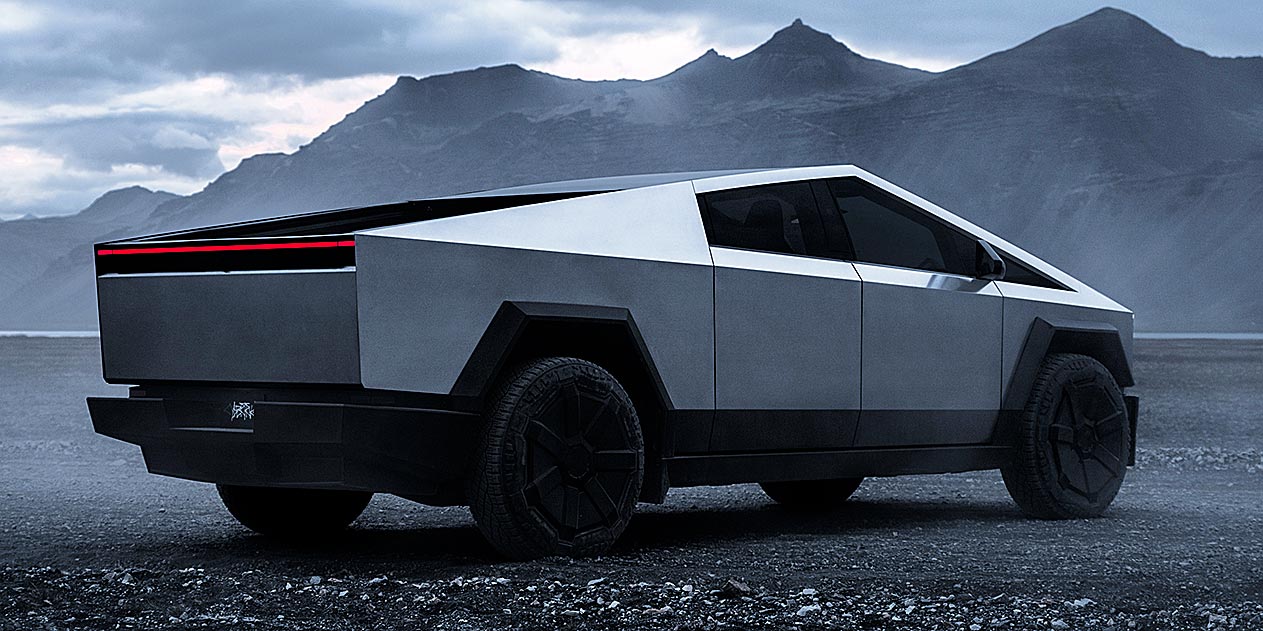
For owners of the Tesla Cybertruck or other vehicles with built-in systems, an aftermarket cam still adds value as a secondary, independent record that is stored on your own hardware rather than the manufacturer’s servers.
Which Dash Cam Should You Buy?
For most EV owners: The Nextbase 622GW offers the best balance of quality, features, and ease of use. It is simple to install, the app is excellent, and 4K footage captures every detail you might need.
For maximum coverage: The Viofo A139 Pro’s three-camera system provides unmatched recording angles at a competitive price, with superb night performance.
For remote monitoring: The BlackVue DR970X Plus II’s Cloud features let you check on your car from anywhere, making it ideal for drivers who park in public spaces frequently.
For Tesla owners on a budget: Sentry Mode is genuinely useful and free. Pair it with a rear-facing aftermarket camera if you want fuller coverage without replacing the entire system.
Whichever option you choose, the reassurance a quality dash cam gives you is well worth the investment, especially when your vehicle costs as much as most EVs do.
Speccing a dash cam for a premium EV? Car Deal Expert also covers buying those cars used — see its used Porsche Taycan CPO guide.
How we pick
Buyer action
Where to buy or check next
Use this as the final check before ordering a phone, changing network or trusting a headline monthly price.






Reader discussion
Leave a comment
Comments are moderated. Keep it useful, accurate, and on topic.