I am not upgrading my smartwatch in 2026, and neither should you
The smartwatch upgrade most UK owners weigh in 2026 is not worth it: 2025's watches are iterative, and a battery service costs far less than a new one.
I have decided against a smartwatch upgrade in 2026, and after a fortnight of staring at the spec sheets I think most British owners should make the same call. My everyday watch is now into its third year, it still does everything I ask of it, and the 2025 models I would replace it with add almost nothing I would actually feel on my wrist on a wet Tuesday in Manchester. The wearable industry would dearly like you to believe otherwise, because a £349 watch sold every two years is a tidy business. The honest position, looking at what Google, Samsung and Apple shipped last autumn, is that the annual smartwatch has quietly stopped improving in any way that justifies the spend.
Key facts
The current models are the Pixel Watch 4 (announced 20 August 2025), Galaxy Watch 8 (July 2025) and Apple Watch Series 11 (announced 9 September 2025); all three were reviewed as iterative updates.
No NHS App integration exists for any of these watches today; the wearable-data ambition in the Government’s 10-Year Health Plan is targeted at the NHS App from 2028, not now.
The EU Battery Regulation only forces user-replaceable batteries from 18 February 2027, and the UK has no equivalent rule for wearables at all.
The case against a smartwatch upgrade in 2026
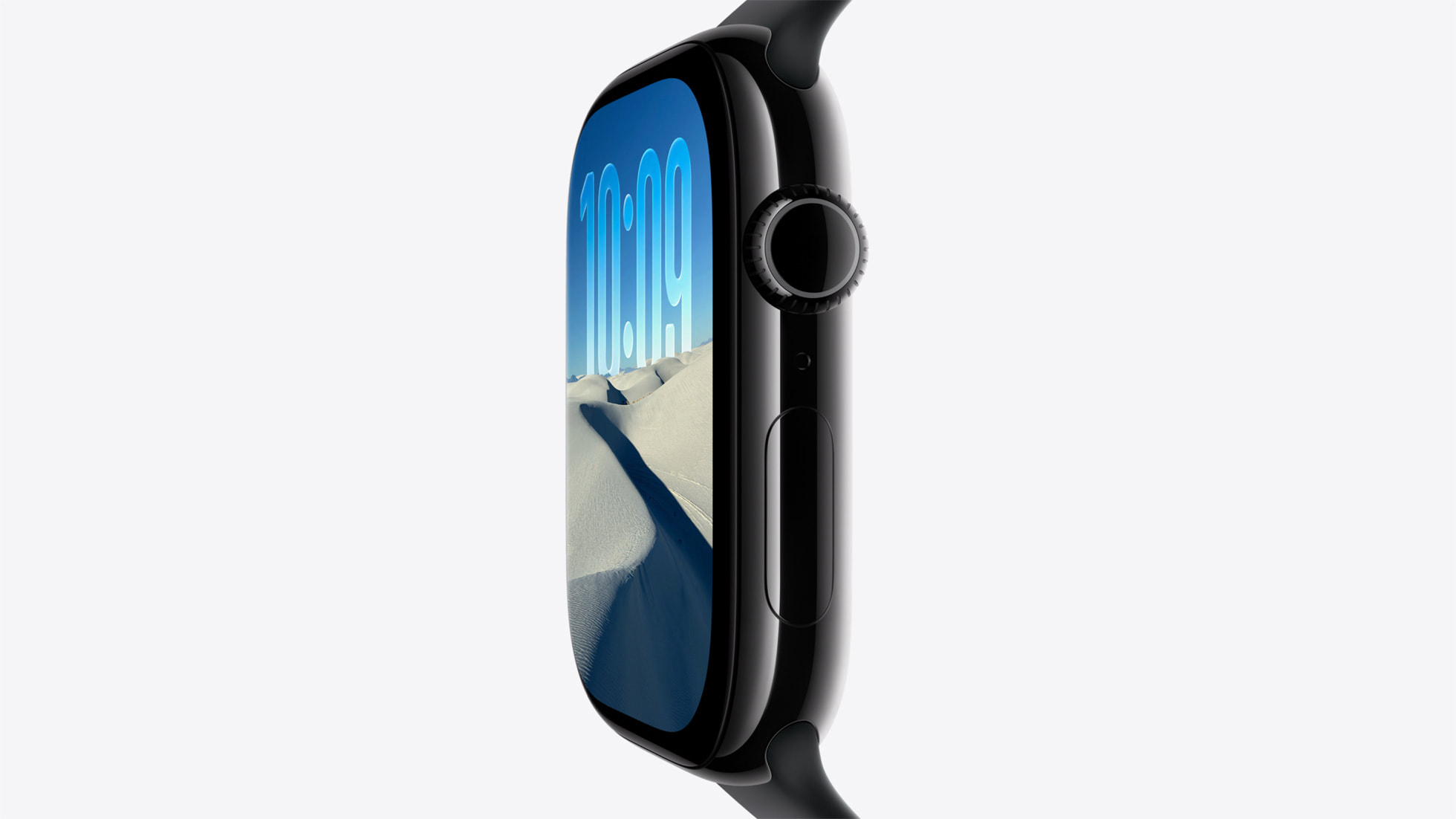
Start with what the reviewers actually said. When AppleInsider tested the Series 11, Oliver Haslam wrote that it “still feels like an Apple Watch Series 10. It’s the same, but better,” and concluded plainly: “If you already own a 2025 Apple Watch, I see little reason to upgrade this time around.” That is the flagship of the most polished line on the market describing its own newest model as barely distinguishable from the one before. Samsung’s recent watches have drawn the same verdict generation after generation, and Android Central summed up the Pixel Watch 3 by noting it had “more in common than it has differences” with the Pixel Watch 2. When the people paid to find the upgrade story cannot find one, the smart money keeps its wallet shut.
The deeper reason is that the category has matured. A 2023 watch already has a bright always-on display, multi-day-ish battery, GPS, an optical heart-rate sensor, an ECG, blood-oxygen readings on most models, NFC payments and offline maps. The 2025 additions are real but marginal: a slightly domed screen here, a satellite SOS feature there, an on-wrist AI assistant that mostly reads you your calendar. None of that is the leap from a 2016 fitness band to a proper smartwatch. If you are weighing the newest hardware, our own Pixel Watch 4 price and buyer guide and the Galaxy Watch 8 versus Apple Watch Series 11 comparison spell out exactly what the extra money buys, and it is not much.
Image: Apple
Software support is the number that should decide it
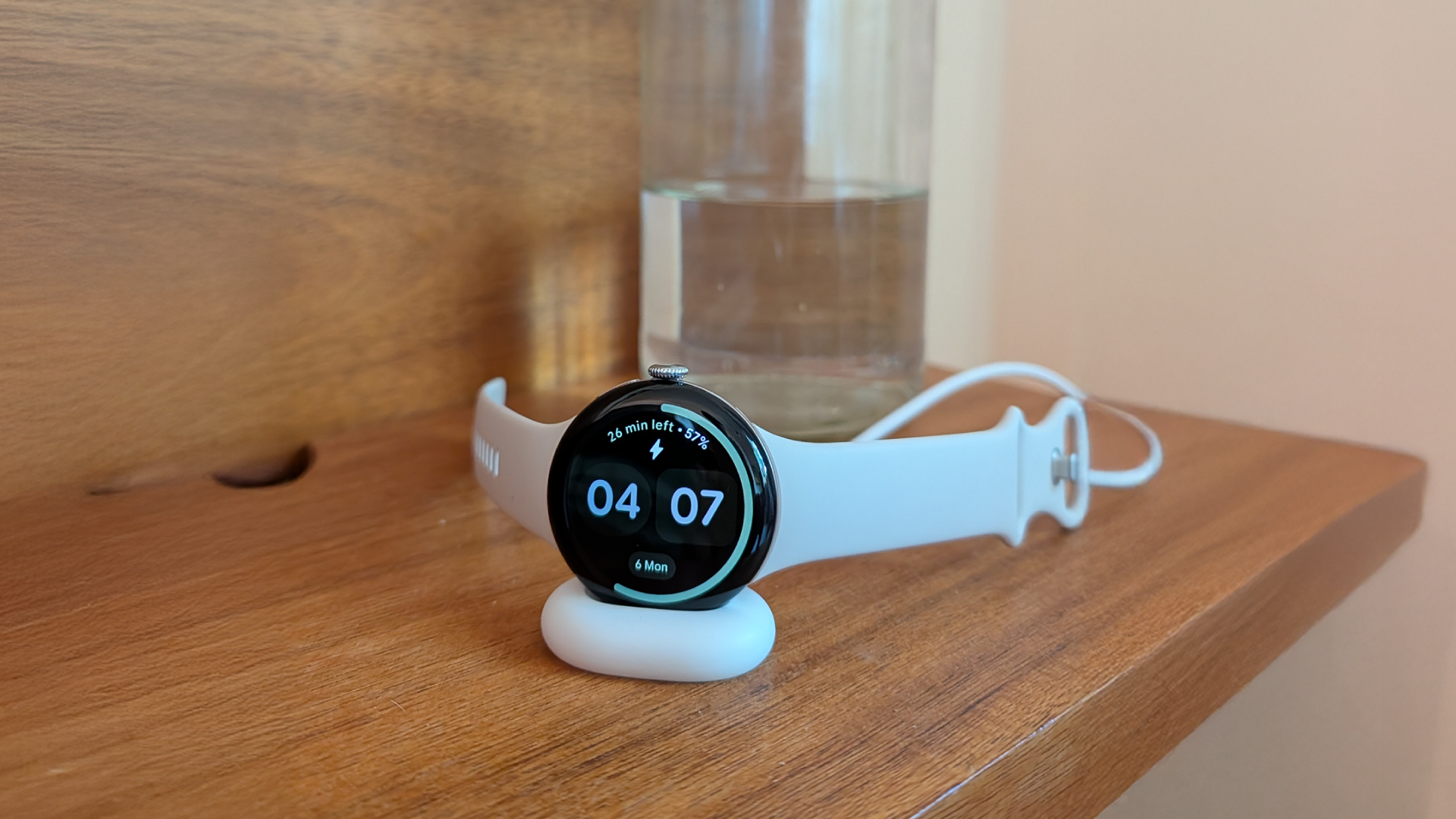
If a single figure should govern your decision, it is how long the watch keeps getting updates, because that is what determines when it stops being safe and supported rather than when it stops being fashionable. Here the brands diverge sharply, and not in the direction the marketing implies. Apple is the standout: watchOS 26 still officially supports the Series 6 from 2020, which is roughly six years of software life. Samsung commits to four years of updates on the Galaxy Watch 8, so a watch bought now should see software into about 2029. Google, despite positioning the Pixel Watch as the Android answer to Apple, guarantees only three years from the device’s launch on its store.
Read those numbers the right way round and the upgrade logic inverts. A two-year-old Apple Watch has years of support left, so replacing it now is throwing away paid-for longevity. A Pixel Watch bought in 2023 is closer to the end of its window, which argues for replacing it with something other than another three-year Pixel. The lesson is not “buy the newest watch”; it is “buy the watch with the longest runway and then keep it for the whole runway.” That is precisely the argument I made about phones in our piece on why you should skip the upgrade and buy last year’s flagship, and it travels straight across to the wrist.
Buy the watch with the longest software runway, then keep it for the whole runway. That single rule beats every annual upgrade pitch.
Image: Google
Your battery is replaceable for less than a new device
The honest reason most people retire a working watch is the battery, which fades after a few hundred charge cycles until a full day no longer lasts a full day. For years that was a near-unfixable problem, because these watches were glued shut. That is finally changing. The Pixel Watch 4 is the first of the trio designed to come apart: iFixit gave it a provisional 9 out of 10 and called it “the most repairable smartwatch on the market,” with a screw-and-gasket build and a battery you can swap without solvents. Samsung and Apple still route you through a service centre, but a battery service is a fraction of a new watch, and on Apple’s hardware an AppleCare plan covers a free replacement once capacity drops below 80 per cent.
Regulation is about to push the whole industry the same way. The EU Battery Regulation requires portable batteries to be user-replaceable from 18 February 2027, and the European Commission’s 2025 guidance makes clear that a water-resistance rating alone will not let a smartwatch dodge the rule. The catch for us is that the UK has not copied it, and the EU’s smartphone repairability label scheme explicitly excludes wearables. So the right-to-repair tide is rising, but slowly, and unevenly. For now, the practical move is to treat a battery service costing tens of pounds as the upgrade, not a £349 watch.
Health data is the lock-in nobody mentions
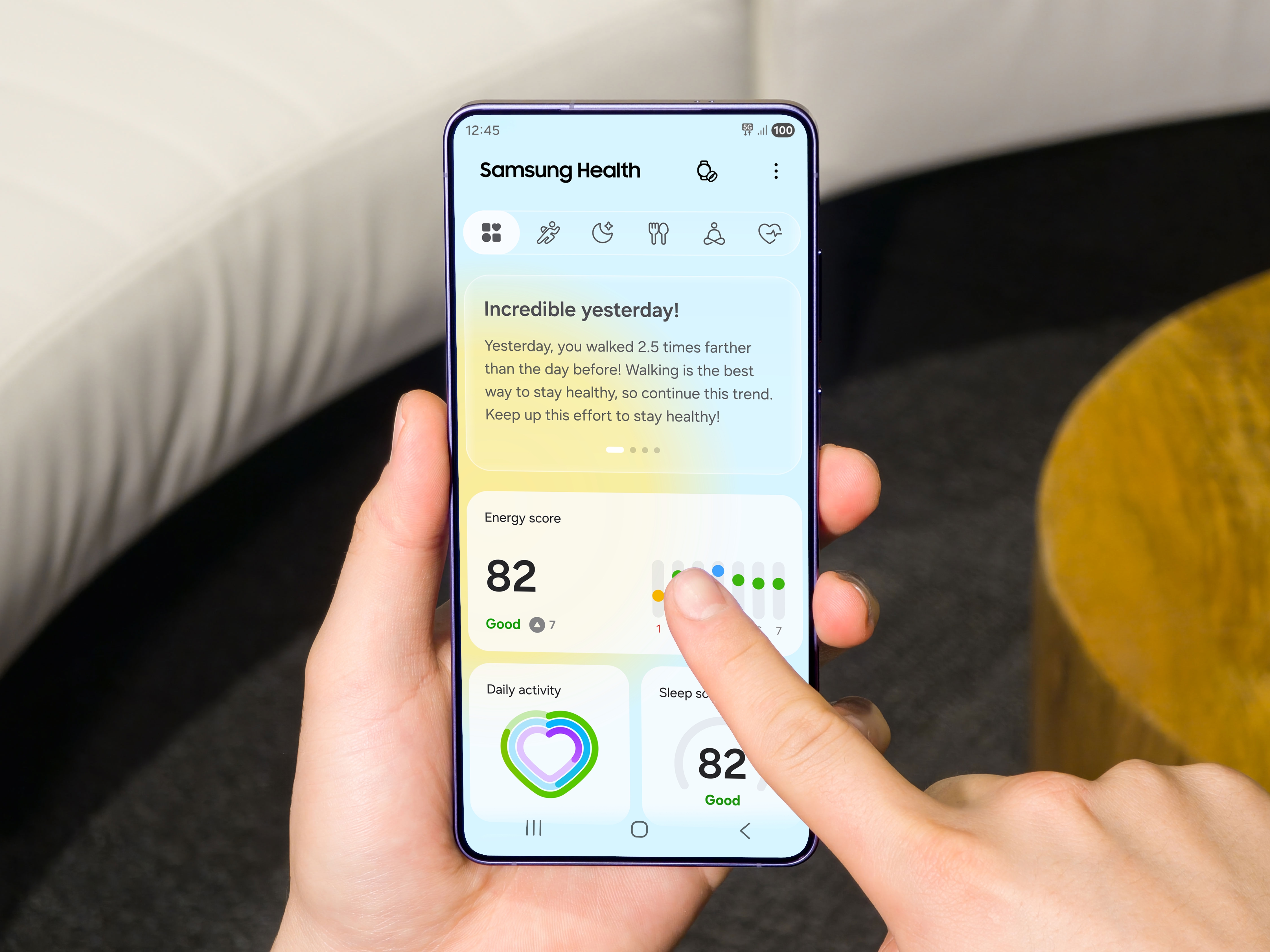
The argument I find most persuasive for staying put has nothing to do with hardware. It is your history. Years of resting heart rate, sleep stages, cardio fitness and workout logs live inside Apple Health, Samsung Health or Fitbit, and there is no clean, official way to move that record between them. Apple exports an XML archive, Fitbit offers a data export through Google Takeout, but the formats do not interoperate and some figures, including ECG traces and each vendor’s proprietary readiness scores, simply do not transfer. Switch brands and you are not upgrading; you are starting your health baseline again from zero. That is a genuine cost the spec sheets never list.
Image: Samsung
There is also a tempting but false reason to upgrade: the idea that a newer watch plugs into the NHS. It does not. There is no integration between any of these watches and the NHS App today, and the App’s own help pages list prescriptions, appointments and records with no mention of wearables. The Government’s 10-Year Health Plan, published in July 2025, sets an ambition for the NHS App to read clinically validated wearable data through a single patient record from 2028, but that is a future target, not a feature you can buy this weekend. If continuity of your own data matters to you, the surest way to protect it is to keep the watch and the account you already have, a point we made in our long-term Pixel Watch review and again in the Galaxy Watch fainting-detection explainer.
Video: Made by Google
What the new features really cost in pounds
Put the maths on the table. The Pixel Watch 4 starts at £349 for the 41mm Wi-Fi model and £399 for the 45mm, with LTE adding £100. The Galaxy Watch 8 opens at roughly £319, the Galaxy Watch Ultra sits near £599, and the Apple Watch Series 11 starts at £369 on Apple’s UK store, with the cheaper SE 3 at £219. Against any of those, a battery service on the watch you own runs in the low tens of pounds. So the real question is not “is the new watch good,” it is “is a domed screen, a satellite SOS feature I hope never to use, and a wrist-based chatbot worth roughly £300 of delta over fixing what I have.” For the overwhelming majority of UK owners, it plainly is not.
Image: Samsung
The AI features deserve particular scepticism, because they are the headline justification for 2025’s prices and they are also the most replaceable. On-wrist Gemini and its rivals are early, cloud-dependent and frequently slower than just pulling your phone out of your pocket. They are also exactly the kind of capability that arrives later as a free software update to last year’s hardware, the way most Pixel Drop and One UI Watch features do. Paying a hardware premium today for an AI assistant you will likely get for nothing next spring is the worst trade in the catalogue. If a phone-side assistant is what you are really chasing, our piece on the Android AI upgrade that does not need a new phone applies to watches just as well.
The few genuine reasons to buy a new one
I am not pretending the answer is never. There are a handful of real triggers, and they are specific rather than seasonal. The clearest is leaving the platform: if you have switched from an iPhone to a Pixel, your Apple Watch becomes a paperweight and a new watch is unavoidable. The second is genuine sensor need. If you have a clinical reason to want the latest blood-pressure or sleep-apnoea notifications, or you are an endurance athlete who will use dual-band GPS and multi-day battery, the newest hardware earns its place. Battery degradation past the point where a service helps is a third, as is a cracked screen on a model where repair costs approach a replacement.
Image: Apple
The other honest exception is the buyer who never had a smartwatch and wants one now. That is not an upgrade, it is a first purchase, and the calculus is entirely different. For that reader the support window I keep banging on about becomes the buying criterion: stretch for the platform that will still be patched in 2029, not the one with the flashiest launch reel. And if a ring rather than a watch suits your life, our Galaxy Ring long-term review and Oura Ring 5 coverage are worth your time, while value hunters should read the Huawei Watch GT 6 verdict before assuming the big three are the only options.
Our position is unambiguous: if your two or three-year-old smartwatch still holds a usable day’s charge and still receives updates, do not replace it in 2026. The year’s new models are iterative by their own reviewers’ admission, the headline AI features will reach older hardware for free, your health history is locked to the account you already own, and a battery service costs a fraction of a new device. Check one thing before you decide: your watch’s official update window. An Apple Watch from 2020 onward and a Galaxy Watch from 2022 onward almost certainly have support left, which settles it. The only things that would flip our recommendation are a platform switch, a genuine clinical sensor need, or battery degradation that a service cannot fix. Short of those, keep the watch, book the battery service if you need it, and put the £300 somewhere it will actually improve your week.
Keeping your watch in 2026: frequently asked questions
How many years of updates does each smartwatch get?
Apple is the most generous: watchOS 26 still supports the Apple Watch Series 6 from 2020, roughly six years of software life. Samsung commits to four years of updates on the Galaxy Watch 8, so a watch bought now should be covered into about 2029. Google guarantees the Pixel Watch only three years from its store launch. Because that window decides when a watch stops being safely supported rather than merely unfashionable, it is the single most useful figure when judging whether to keep or replace.
Can I replace my watch battery instead of buying a new one?
Increasingly, yes. The Pixel Watch 4 was redesigned to come apart and iFixit rated it the most repairable smartwatch on the market, with a swappable battery. Samsung and Apple still handle it through a service centre, but a battery service typically costs in the low tens of pounds, far below a £300-plus replacement. On Apple hardware, an AppleCare plan covers a free battery replacement once capacity falls under 80 per cent, so it is always worth pricing a service before assuming you need new hardware.
Do these watches connect to the NHS App?
No. As of June 2026 there is no integration between the NHS App and the Apple Watch, Galaxy Watch or Pixel Watch, and the App’s help pages make no mention of wearables. The Government’s 10-Year Health Plan, published in July 2025, sets an ambition for the NHS App to read clinically validated wearable data through a single patient record from 2028, but that is a future target. Do not buy a 2026 watch expecting it to talk to NHS records yet, because none of them do.
Will I lose my health history if I switch brands?
Largely, yes, and this is the most underrated cost of switching. Apple Health, Samsung Health and Fitbit each store years of heart rate, sleep and workout data in their own formats. Apple exports an XML archive and Fitbit offers an export through Google Takeout, but the files do not interoperate and some readings, including ECG traces and each platform’s proprietary scores, do not transfer at all. Moving brands means rebuilding your baselines from scratch, which is a strong reason to stay within the ecosystem you already use.
Are the 2025 watches actually worth the money in the UK?
For most existing owners, no. The Pixel Watch 4 starts at £349, the Galaxy Watch 8 at about £319 and the Apple Watch Series 11 at £369, while the watch on your wrist can often be revived with a battery service costing tens of pounds. The new features, a domed screen, satellite SOS and on-wrist AI, are real but marginal, and the AI parts usually reach older models for free. The premium makes sense only if you are switching platforms or have a specific sensor need.
When does the right to a replaceable battery actually arrive?
The EU Battery Regulation requires portable batteries to be user-replaceable from 18 February 2027, and the European Commission has confirmed that a water-resistance rating alone will not exempt a smartwatch. The UK, however, has not adopted an equivalent rule, and the EU’s separate smartphone repairability scheme deliberately excludes wearables. So genuine right-to-repair protection for watches is coming, but only in the EU, and not until 2027. Until then, treat a paid battery service as your repair route rather than waiting for a legal guarantee.
If I do need a new watch, which one should I pick?
Let the support window decide. If you live in Apple’s ecosystem, the Series 11 or the cheaper SE 3 will be patched the longest. On Android, weigh the Galaxy Watch 8’s four-year window against the Pixel Watch 4’s three years and its better repairability. If a ring suits you better, the Galaxy Ring and Oura Ring 5 are worth comparing, and value buyers should look at the Huawei Watch GT 6. Whichever you choose, plan to keep it for the full support window rather than upgrading again next year.
Does an older watch still get new software features?
Often, yes. Both Google’s Pixel Drops and Samsung’s One UI Watch updates regularly bring new capabilities to hardware that is one or two generations old, and Apple’s watchOS releases reach back several years. Many of 2025’s headline additions, particularly the AI assistant features, are software-led and tend to arrive on older supported models within months. That is precisely why paying a hardware premium for a feature you will likely receive for free is rarely the smart move while your watch remains within its update window.
We use cookies to make this site work, measure how it is used, and (with your consent) personalise advertising. Strictly necessary cookies always run. Analytics and advertising cookies run only if you accept. See our Cookie Policy and Privacy Policy.
MobileTechWorld Ltd — Companies House registration 16224011. Independent UK technology publisher since 2009.












Reader discussion
Leave a comment
Comments are moderated. Keep it useful, accurate, and on topic.