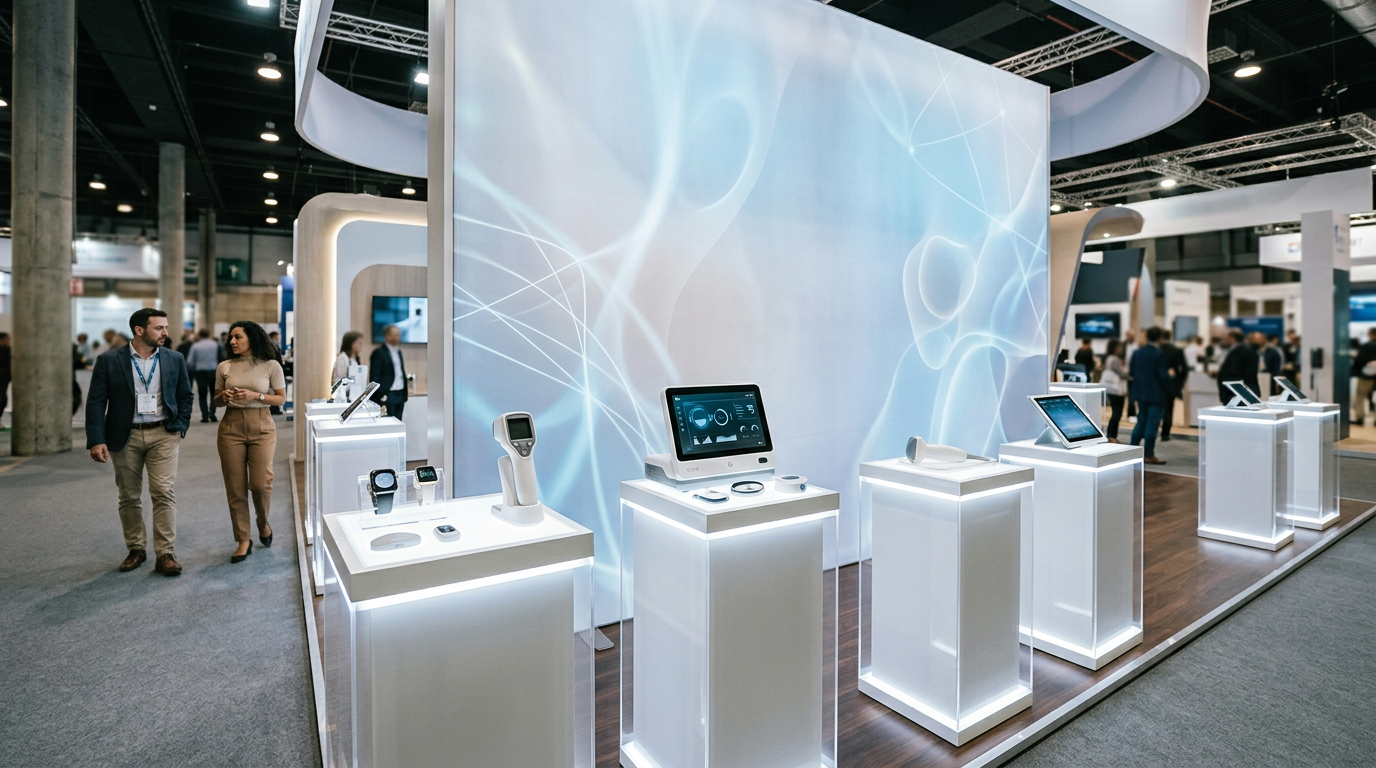
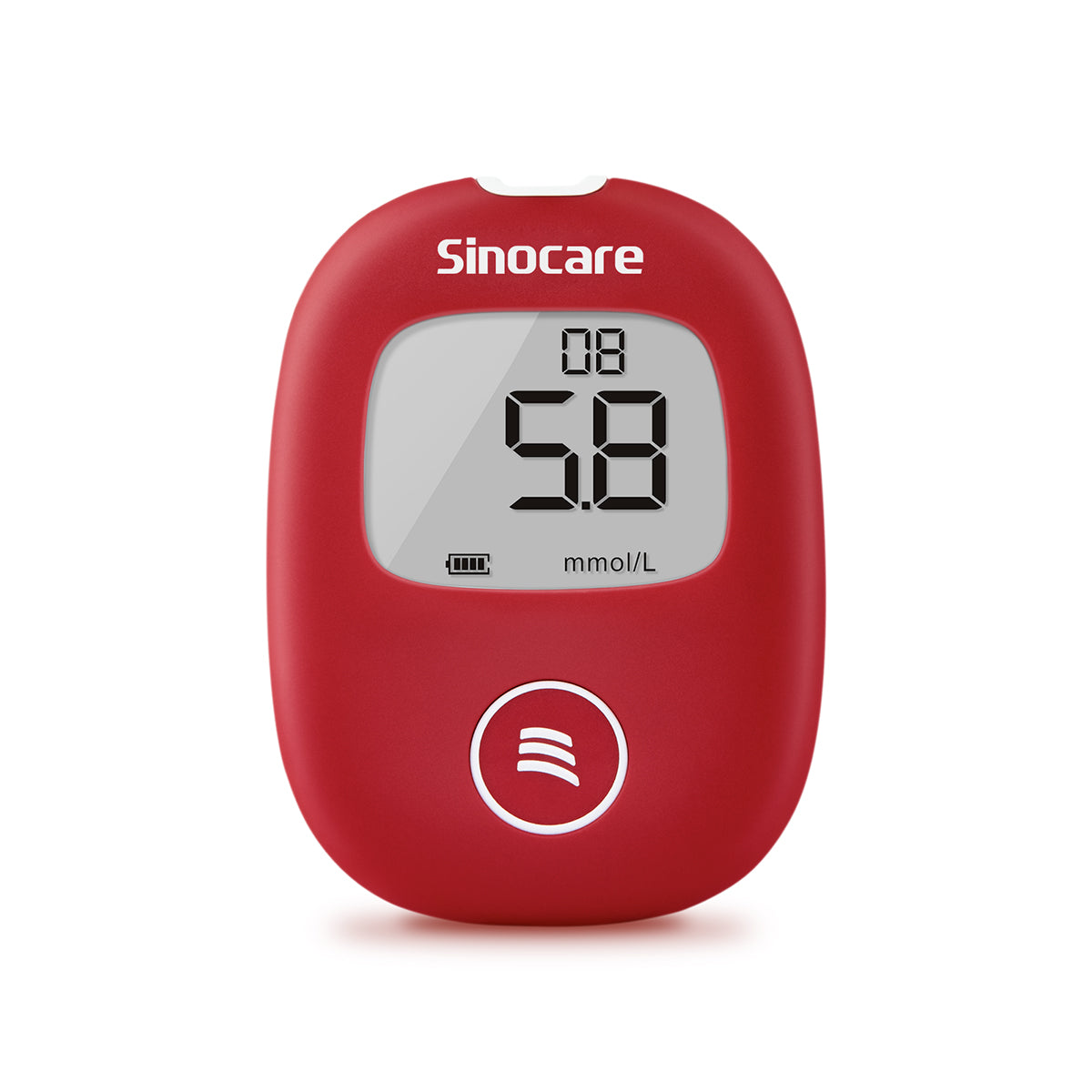
Sinocare CMEF is the most credible chronic disease AI launch of the year. At the 93rd China International Medical Equipment Fair, Sinocare unveiled a digital ecosystem spanning wearables, home monitoring, primary care and clinical settings, led by a continuous glucose monitoring portfolio with up to 15-day wear and AI-driven predictive alerts. The hardware refresh frames Sinocare CMEF as clinical infrastructure rather than yet another retail glucose meter, and that reframing is what finally moves the category out of streak-counter territory and into procurement-grade tools hospitals will actually deploy.
- Sinocare announced its 93rd CMEF presence on 11 April 2026 under Leading Digital Healthcare For Global Health.
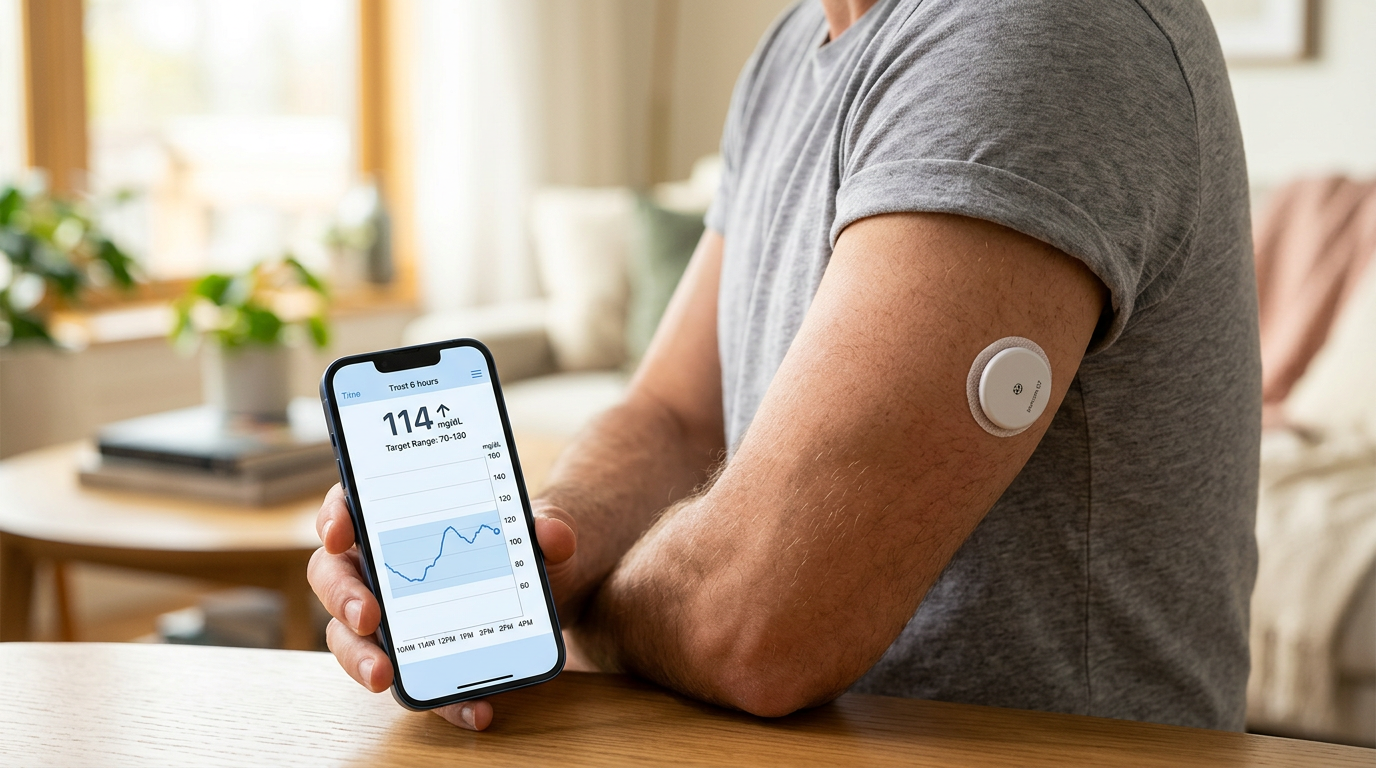
- Headline kit: third-generation CGM biosensor for 15-day real-time monitoring; the Personal Palm Lab portfolio covering glucose, blood pressure, uric acid, lipids and ketones with AI-driven risk alerts.
- AGEscan non-invasive diabetes screening, portable multi-function analysers and HbA1c systems target community clinics and pharmacies.
- Why it matters: Sinocare ranks among the top four global blood glucose meter companies and now treats chronic disease management as infrastructure rather than a single-device sale – a model UK and EU integrated care boards will look at.
Why Sinocare CMEF targets the clinic, not the home
Sinocare knows the retail glucose meter market is crowded and commoditised. CMEF is a hospital trade show. The audience is endocrinologists, hospital IT, and health insurers. The launch framing is about fleet-level deployment, integration with electronic medical records, and AI-assisted triage for patient cohorts. That is the right move for a company that already ranks among the world’s top four blood glucose meter makers, serving more than 25 million users across 187 countries, and now wants chronic disease to be a platform, not a product line.
Why AI in chronic disease finally has teeth
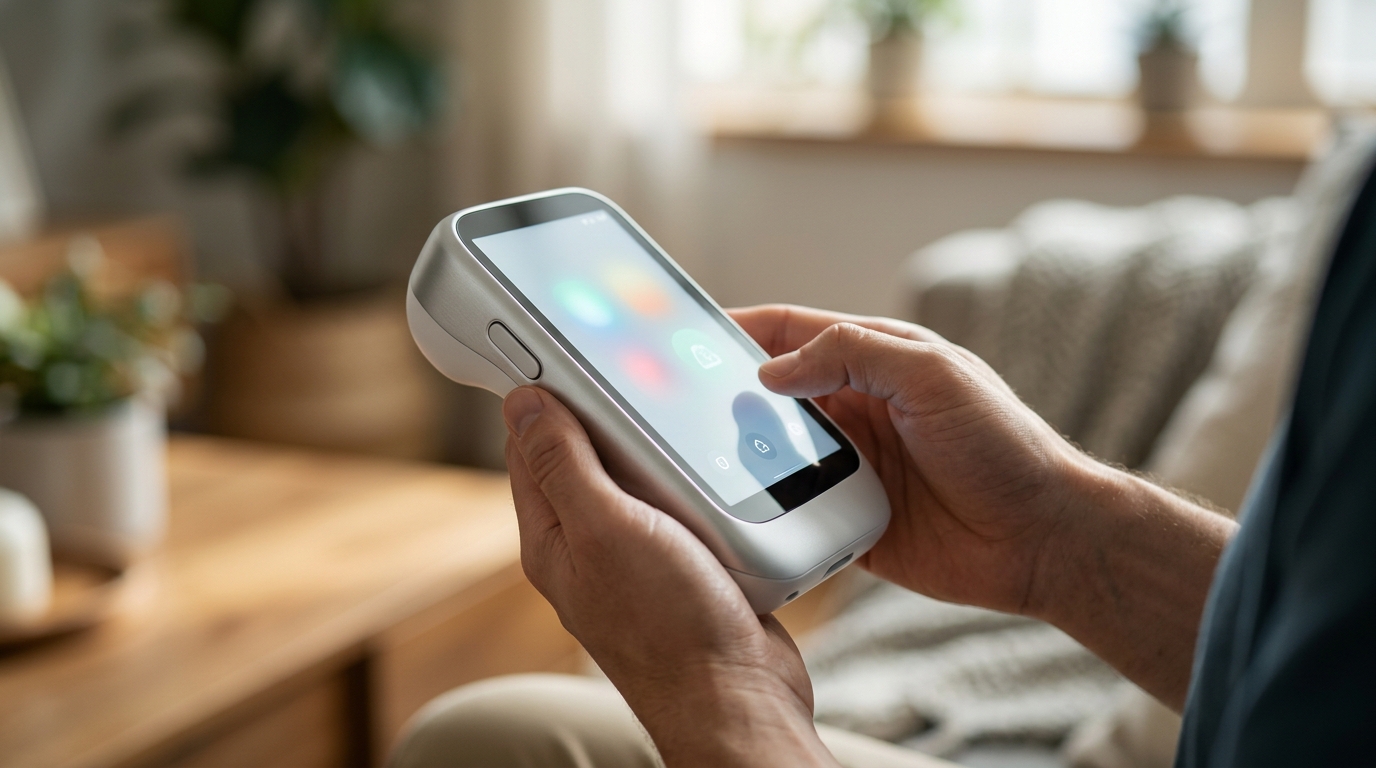
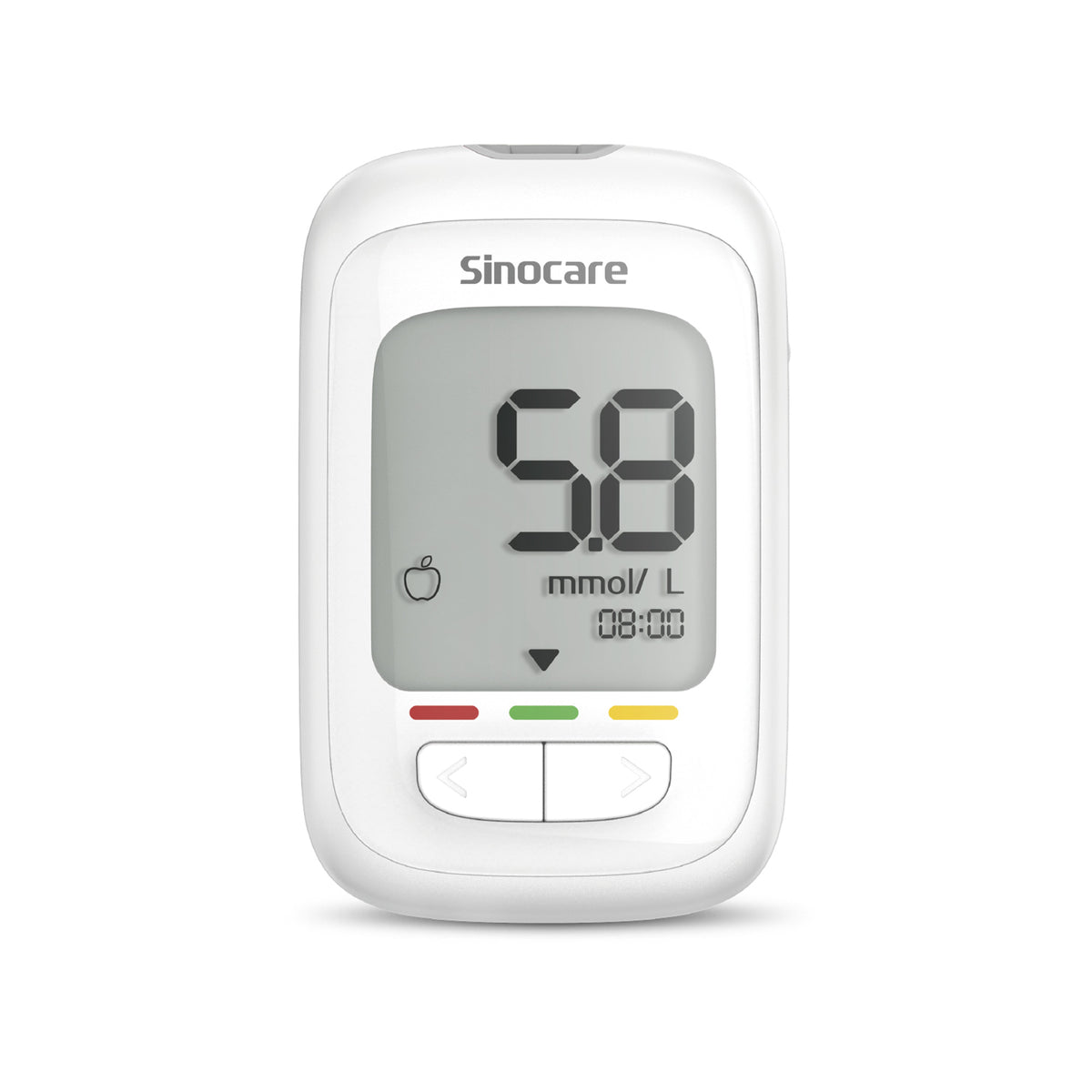
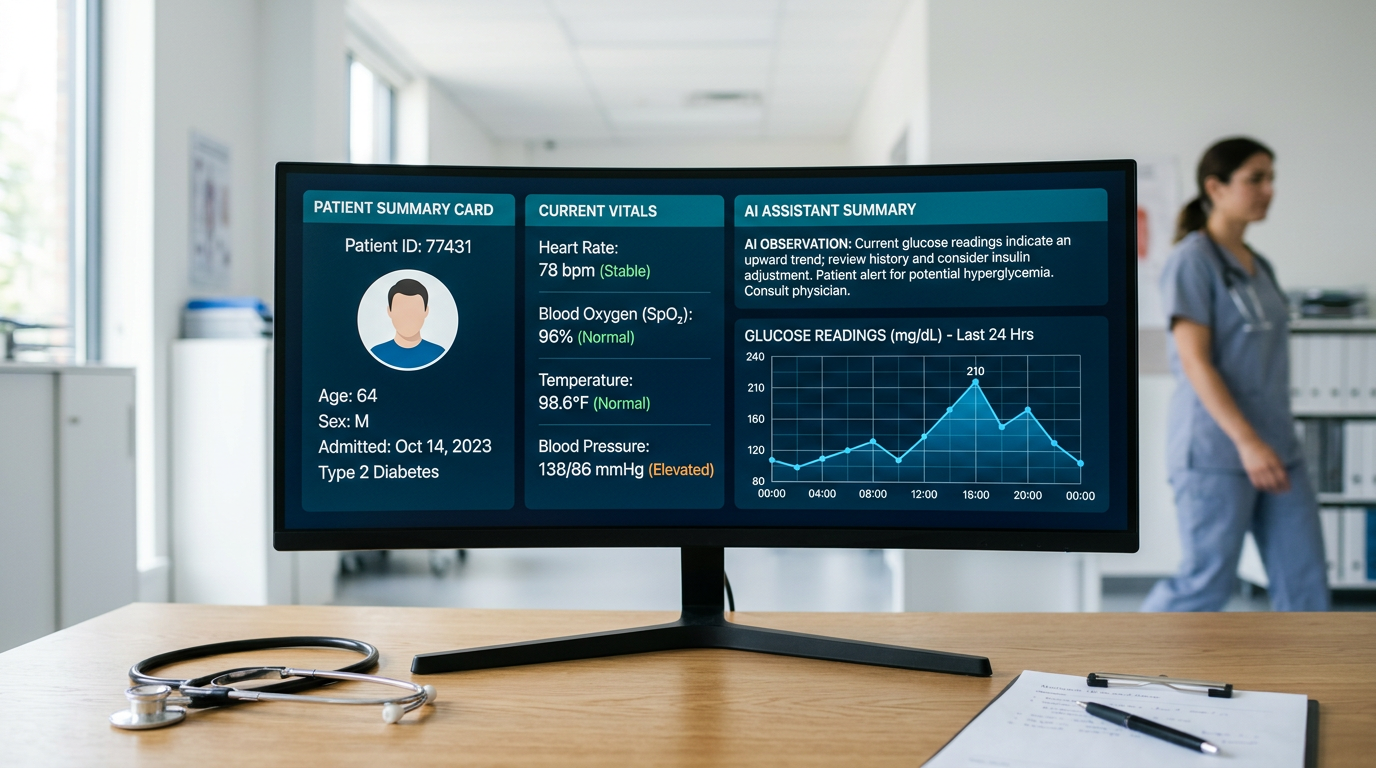
For years, AI in diabetes care meant a basic alert when readings spiked. The 2026 version is fundamentally more ambitious: long-horizon trend analysis, drug-response modelling, behavioural prompts tuned to individual patients, and predictive flagging of complications before a clinician would catch them. Sinocare’s CMEF line-up ties all of that to a “Personal Palm Lab” that also measures blood pressure, uric acid, lipids and ketones, with AI-enabled data integration and automated risk alerts for continuous home management, plus clinic-ready tools like the AGEscan non-invasive diabetes risk screen.
The hard part is safety framing, not model accuracy
Accuracy matters, of course. But clinical AI lives and dies on its safety posture. Sinocare is pitching explicit clinician-in-the-loop workflows, override paths, audit trails and retention policies. The interesting subtext is that Sinocare has decided to compete on clinical safety rigour rather than consumer flashiness. That is a meaningful change from the streak-oriented apps that dominate the category at retail.
Where the business case becomes obvious
Chronic disease is the single largest cost pool in most healthcare systems. Anyone who can reduce acute events by even a few percent is going to be valuable to payors. The Sinocare CMEF AI push is pointing squarely at that argument: fewer admissions, better adherence, earlier complications detection, cheaper overall cost-of-care. That is not a consumer pitch. That is a reimbursement pitch. And it is the correct one for 2026. Sinocare has also confirmed tie-ups with JD Health and Meituan Healthcare to route patients between testing, treatment and repurchase, which is the kind of distribution work that makes a clinical AI product stick.
| Dimension | Consumer glucose tech | Sinocare CMEF AI |
|---|---|---|
| Primary buyer | Retail consumer | Clinician and payer |
| Integration | App silo | EMR-native |
| AI signal | Spike alert | Trend, risk, adherence |
| Safety posture | Disclaimer | Clinician-in-the-loop |
Where it could still get stuck
Integrating with an electronic medical record is the hardest job in health tech. Sinocare’s CMEF claims about workflow fit will be tested in countries where EMR vendors are notoriously territorial. Execution here is a multi-year problem, not a launch problem, and the company’s China-first footprint does not automatically translate into Western hospital IT departments.
Verdict
Sinocare at CMEF looks like one of the cleanest statements of where chronic disease tech needs to go: less gadget, more infrastructure, clinician-first, with AI doing the quiet unglamorous work of reducing harm. It will not dominate Amazon listings. That is the point. The category needs fewer streak counters and more procurement-grade tools.
Why CMEF is the right venue for this pivot
Most consumer health-tech launches happen at CES or IFA and target retail buyers. CMEF is different. It is a hospital and clinical procurement show, and it is the right venue for a brand trying to convince payors and integrators that it deserves a place inside the medical record. Sinocare’s decision to make this announcement at CMEF rather than at a consumer event is itself a signal of how the company sees the next phase. The audience for this pitch is not the diabetic shopping for a new meter on Amazon. It is the hospital network buying a five-year monitoring platform, and the insurance company writing reimbursement policy. That changes how the product should be built, priced and supported, and Sinocare is leaning into that change rather than dodging it.
Related reading on MTW
Buyer action
Where to buy or check next
Use this as the final check before ordering a phone, changing network or trusting a headline monthly price.







Reader discussion
Leave a comment
Comments are moderated. Keep it useful, accurate, and on topic.