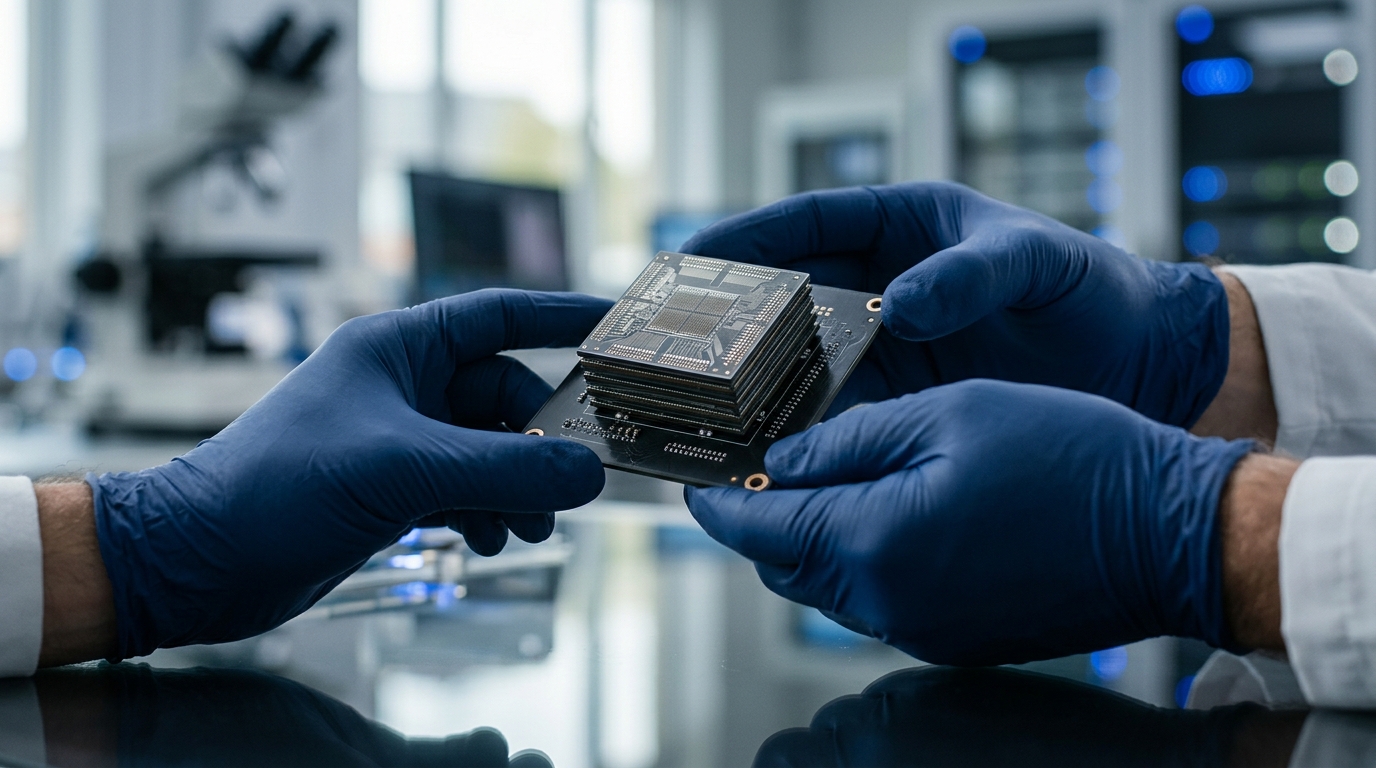
Samsung trillion dollar valuation is the AI-era milestone nobody quite predicted: Samsung Semiconductor confirmed commercial HBM4 shipments in February, and on 6 May 2026 the company’s share price jumped roughly 15% in Seoul to push its market capitalisation past £1 (about $1) trillion. The Samsung trillion dollar valuation is now the second by any Asian company after TSMC, and the rally has done what years of phone launches could not.
- Samsung Electronics shares jumped up to 15% on 6 May 2026, lifting market cap past £1 (about $1) trillion to roughly 1,500 trillion won.
- Samsung becomes the second Asian company after TSMC to cross the £1 (about $1) trillion mark.
- Q1 2026 operating profit hit 57.2 trillion won (around £31 (about $39.4) billion), more than the entire 2025 full-year profit of 43.6 trillion won.
- The Kospi index surged above 7,000 for the first time, closing at a record 7,384.56 (intraday high 7,426.60), lifted by the Samsung rally.
Why the Samsung trillion dollar valuation is an AI story
The Samsung trillion dollar valuation is not a phone story. It is a memory chip story. AI training and inference at scale eat high-bandwidth memory faster than anyone imagined two years ago, and Samsung happens to make more memory than any other company on the planet. HBM4 stacks sit alongside Nvidia’s Blackwell-class GPUs and provide the data throughput those GPUs need to keep their compute units fed. The maths is brutal: more AI capacity means more HBM, more HBM means tighter supply, tighter supply means higher margins, and higher margins mean Samsung is suddenly the same shape of company as TSMC.
Samsung’s first-quarter operating profit of 57.2 trillion won (around £31 (about $39.4) billion) is the part that should make every smartphone OEM nervous. Samsung earned more in three months than it did in all of 2025. Whatever the Galaxy phone or Galaxy Book business looked like in Q1 2026, none of it explains those numbers. Memory and foundry are now the centre of gravity, and the implications travel back down the supply chain. UK phone buyers should expect that the DDR5 RAM price doubling we covered in April is not a glitch but a structural shift, with HBM pulling all memory pricing upward.
How the Samsung trillion dollar valuation reshapes the AI hierarchy
For the last two years, the AI compute conversation has been Nvidia first, everyone else fighting for second. The Samsung trillion dollar valuation marks the moment the memory tier joined the conversation as a co-headline. The trillion-dollar club now contains Apple, Microsoft, Nvidia, Tesla, TSMC and Samsung. Three of those six are now AI infrastructure plays in some form, and Samsung’s entry is the one that connects mobile phones to hyperscale AI: the same HBM lines that ship to Nvidia also feed the on-device AI accelerators in the next generation of Galaxy phones running Gemini.
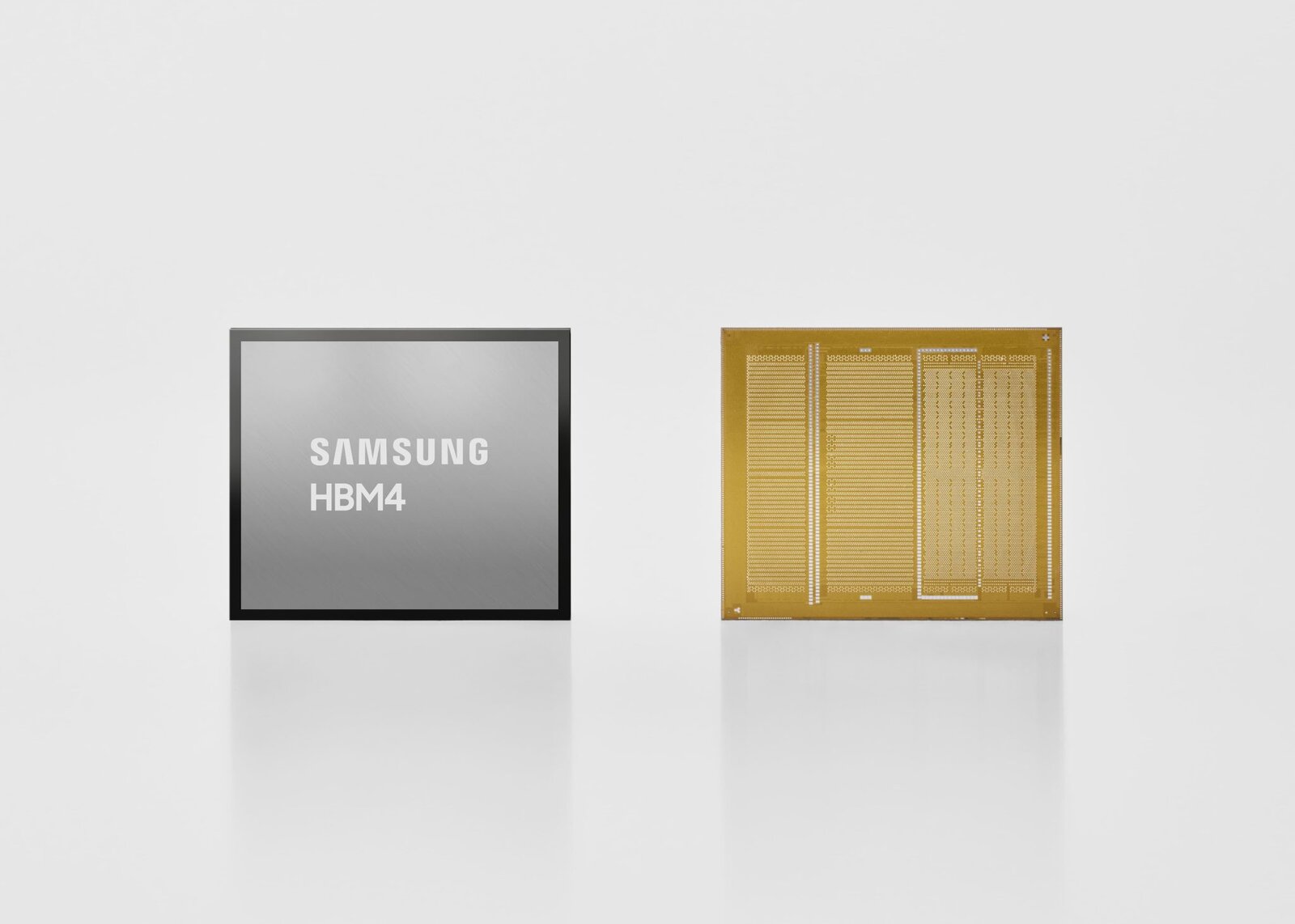
The narrower story is the Samsung-SK Hynix-Micron race for HBM4 and HBM4E share. SK Hynix has been the established HBM3E leader and won most of the Nvidia H200 and B200 socket. Samsung began HBM4 mass production in February 2026, became the first company to ship commercial HBM4, and used Nvidia GTC 2026 to preview HBM4E. The Samsung trillion dollar valuation is partly a market verdict that Samsung has finally caught up after lagging in HBM3E, and partly a bet that HBM4E and the next round of Nvidia accelerators will tilt back toward Samsung.
What the Samsung trillion dollar valuation means for the Kospi
South Korea’s Kospi index broke through 7,000 for the first time on 6 May, closing at a record 7,384.56 (intraday high 7,426.60) on the back of the Samsung rally. That is the kind of single-stock concentration that economists worry about: when one company moves an entire benchmark by more than six percent in a day, the index stops being a market signal and starts being a Samsung signal. CNBC’s broader AI-chip concentration analysis is now flagging the same risk in the Taiwan market with TSMC. For long-term UK investors holding Asia-Pacific ETFs, this is the structural change to understand: the Asian growth story is now an AI memory and foundry story bolted onto two single-name champions.
| Samsung 2026 moment | Detail | MTW read |
|---|---|---|
| HBM4 commercial shipping | February 2026 | Closed the gap with SK Hynix. |
| Q1 2026 operating profit | 57.2 trillion won | More than all of 2025 combined. |
| Market cap milestone | £1 (about $1) trillion on 6 May | Second Asian company after TSMC. |
| Kospi peak | 7,384.56 (close) | Single-stock concentration risk. |
Samsung’s other strategic move is the rumoured Apple talk. Bloomberg reported earlier in 2026 that Apple has held exploratory discussions with Samsung and Intel about manufacturing iPhone chips in the United States, diversifying away from TSMC’s Arizona fab as the only US option. If anything concrete emerges from those talks, Samsung’s foundry business gains a second hyperscale customer to sit alongside Nvidia and Qualcomm, and the Samsung trillion dollar valuation looks like a low ceiling, not a high one. The conditional matters because Samsung’s foundry yields have historically lagged TSMC, but the political pressure on Apple to spread risk is genuine.
What UK consumers should take from the Samsung trillion dollar valuation
The first thing British shoppers should absorb is that the Samsung trillion dollar valuation has very little to do with whether the next Galaxy phone is good. Samsung’s mobile division is now a side business in financial terms, even though it remains commercially huge. The second thing is that memory price pressure is structural. Anyone planning a PC build or a phone upgrade in 2026 should expect RAM-heavy SKUs to stay expensive, and should prioritise enough RAM at purchase over the assumption that it will get cheaper later. We have already seen that play out in the wider UK budget phone market in 2026, where 6GB and 8GB RAM models hold value better than they did a year ago.
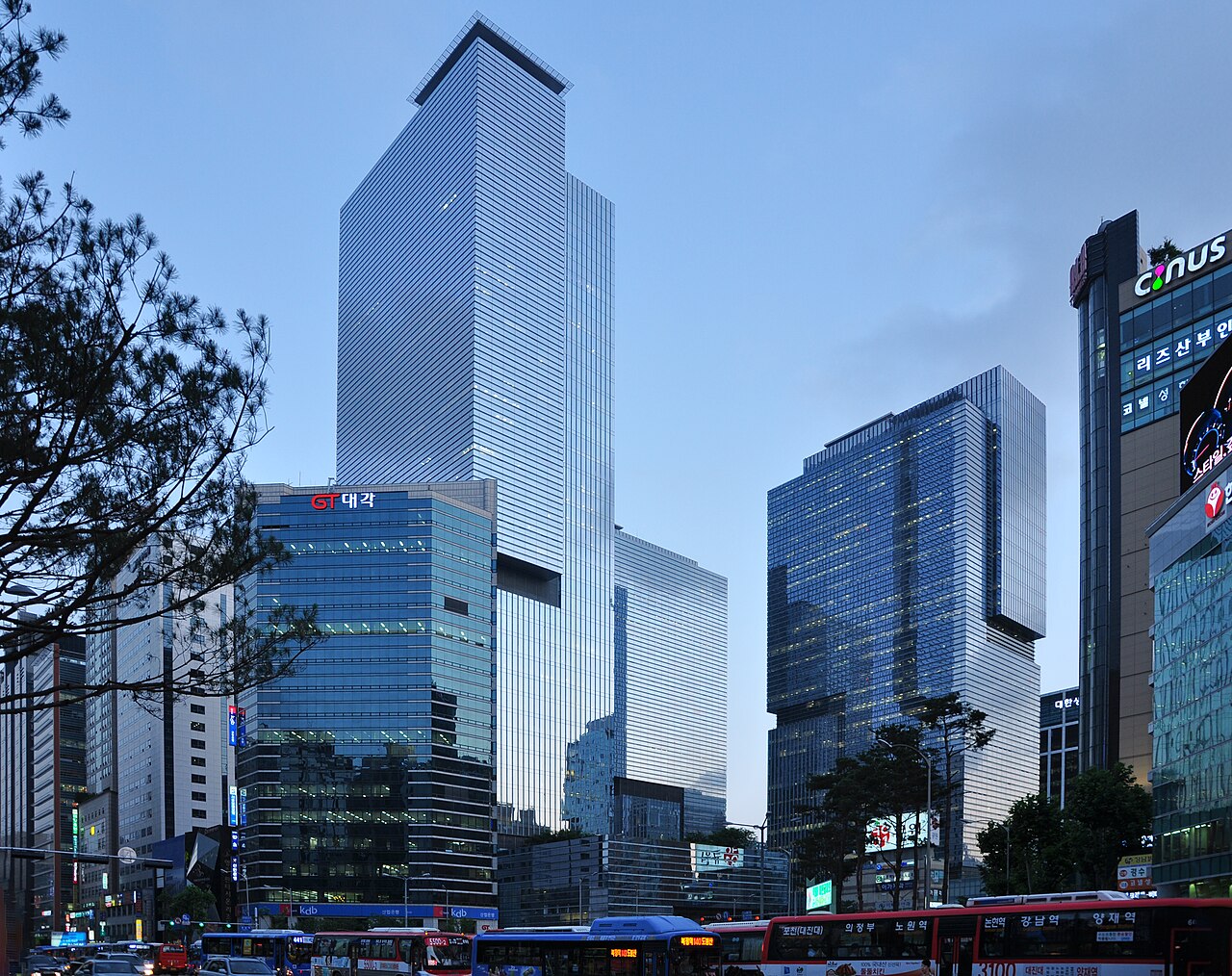
The third takeaway is corporate. Samsung’s narrative pivot from gadget conglomerate to AI memory power has been quick, and it is the clearest signal that traditional tech taxonomies (phones, TVs, appliances, semiconductors) are no longer how investors price the company. The 800-million-Gemini-device strategy and the HBM4 ramp are now read as a single play, and that should worry anyone who assumed Samsung’s mobile and chip divisions could keep pulling in different strategic directions.
The Samsung trillion dollar valuation is not the end of a story. It is the marker that the AI compute era has decided who its second tier of winners are, and Samsung is now permanently in that group. The next test is whether Samsung holds that position once HBM4E ramps competitive responses from SK Hynix and Micron, and whether the foundry business can convert Apple curiosity into actual orders. For now, the Samsung trillion dollar valuation is the most consequential corporate milestone of the AI cycle so far that did not involve Nvidia, OpenAI or Anthropic.
MTW verdict
The Samsung trillion dollar valuation is the AI memory story finally getting market credit. UK consumers should stop expecting RAM prices to fall in 2026, and Samsung phone buyers should accept that mobile is no longer the strategic centre of the company.
MMTW Editorial
Buyer action
Where to buy or check next
Use this as the final check before ordering a phone, changing network or trusting a headline monthly price.










Reader discussion
Leave a comment
Comments are moderated. Keep it useful, accurate, and on topic.