UPDATED · News · 21 Apr 2026 · Hannah Foster
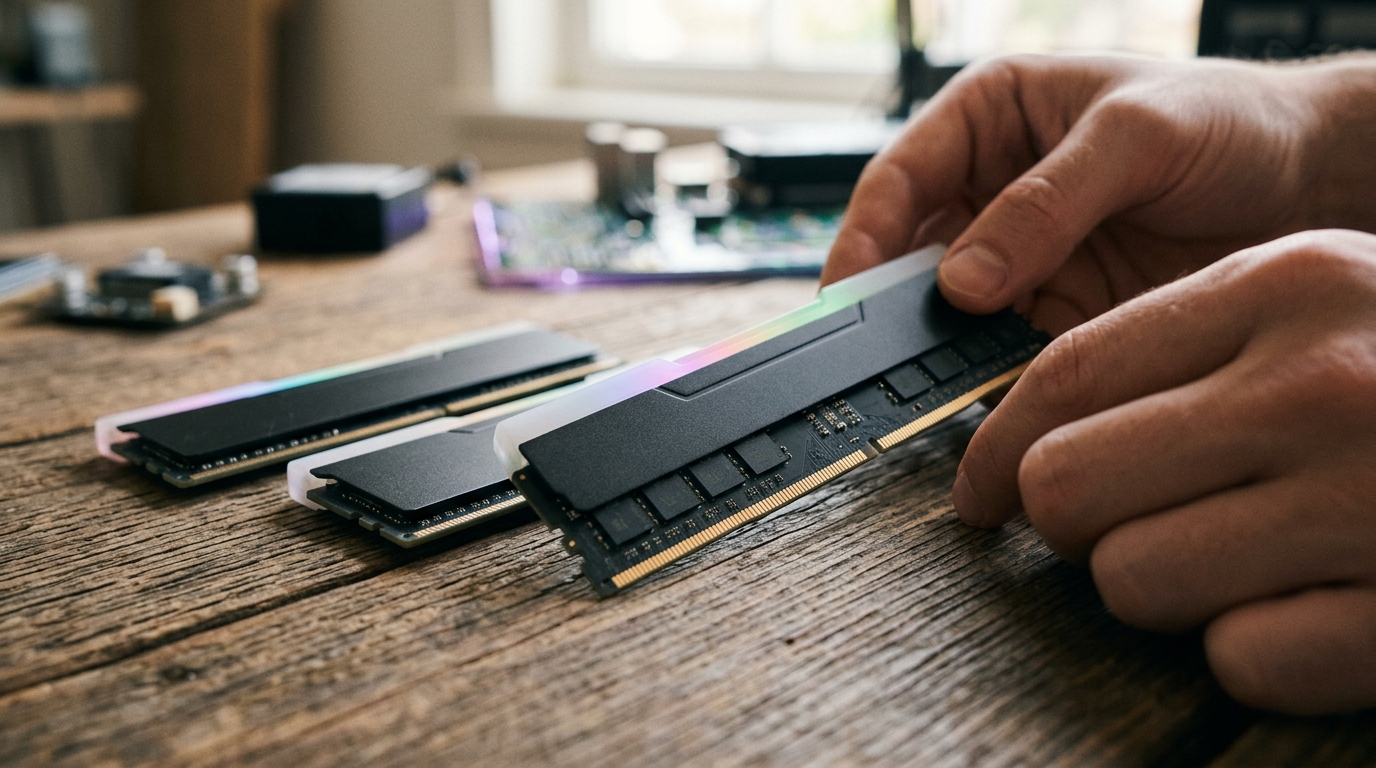
If you priced a 32GB kit of DDR5 last autumn and decided to wait, the 2026 market has been unpleasant. DDR5 prices in the UK are volatile, and the safest way to read the spike is through supply pressure rather than one retailer screenshot. TrendForce says AI server demand is pushing memory suppliers toward HBM and server applications, while contract pricing is rising again in Q2 2026. That matters to UK PC builders, mini PC buyers and laptop upgraders because consumer DDR5 has to compete with higher-margin AI infrastructure demand.
Table of Contents
Table of contents — the ddr5 ram price uk 2026 angle
TL;DR: the DDR5 price shock in plain numbers — the ddr5 ram price uk 2026 angle
- Prices are up 80% to 130% on most popular DDR5 kits in the UK since September 2025.
- AI server demand is the cause: Anthropic just signed a £79 (about $100)bn AWS compute deal that will absorb yet more memory.
- Delay if you can; if you cannot, target older B-die kits or step back to a quality DDR4 platform.
- No real relief expected until H2 2026, with another 30% to 50% rise possible per quarter in the meantime.
- Hardest hit: mid-range gaming PC buyers, mini PC upgraders and anyone shopping for a memory-heavy laptop.
What DDR5 actually costs in the UK right now
UK DDR5 pricing was volatile around publication, especially for 32GB DDR5 6000 CL30 kits, the bread-and-butter enthusiast spec. Check live prices at Scan, Amazon UK, Overclockers, CCL and Box before buying, because this is one of the fastest-moving PC component categories of 2026. The confirmed macro point is that memory analysts expect continued DRAM price pressure from AI server demand and long-term cloud supply deals.
Higher-capacity kits are the danger zone because gamers, creators and compact workstation buyers are all trying to avoid buying twice. The practical advice is to price the exact SKU you need on the day you buy, then compare it with a DDR4 platform or a prebuilt system if your upgrade is not urgent.
Why AI capex broke the consumer RAM market
DDR5 and the HBM stacks used in AI accelerators come off the same DRAM fabs. Every wafer assigned to high-bandwidth memory for Nvidia, AMD or AWS Trainium chips is a wafer that does not become a stick of consumer DDR5. Samsung, Micron and SK Hynix have all publicly tilted production toward HBM and server DDR5 because the margins are extraordinary. The consumer market pays the difference.
The latest gut-punch is the Anthropic-AWS £79 (about $100)bn compute commitment, earmarking up to 5GW of new capacity around Trainium2 and Trainium3. That single order book locks up vast HBM and server DDR5 for years, and similar multi-billion deals from Microsoft, Google and Meta pile on. The AI gold rush we covered in our Cloudflare Agents Week analysis needed plumbing, and the plumbing is memory.
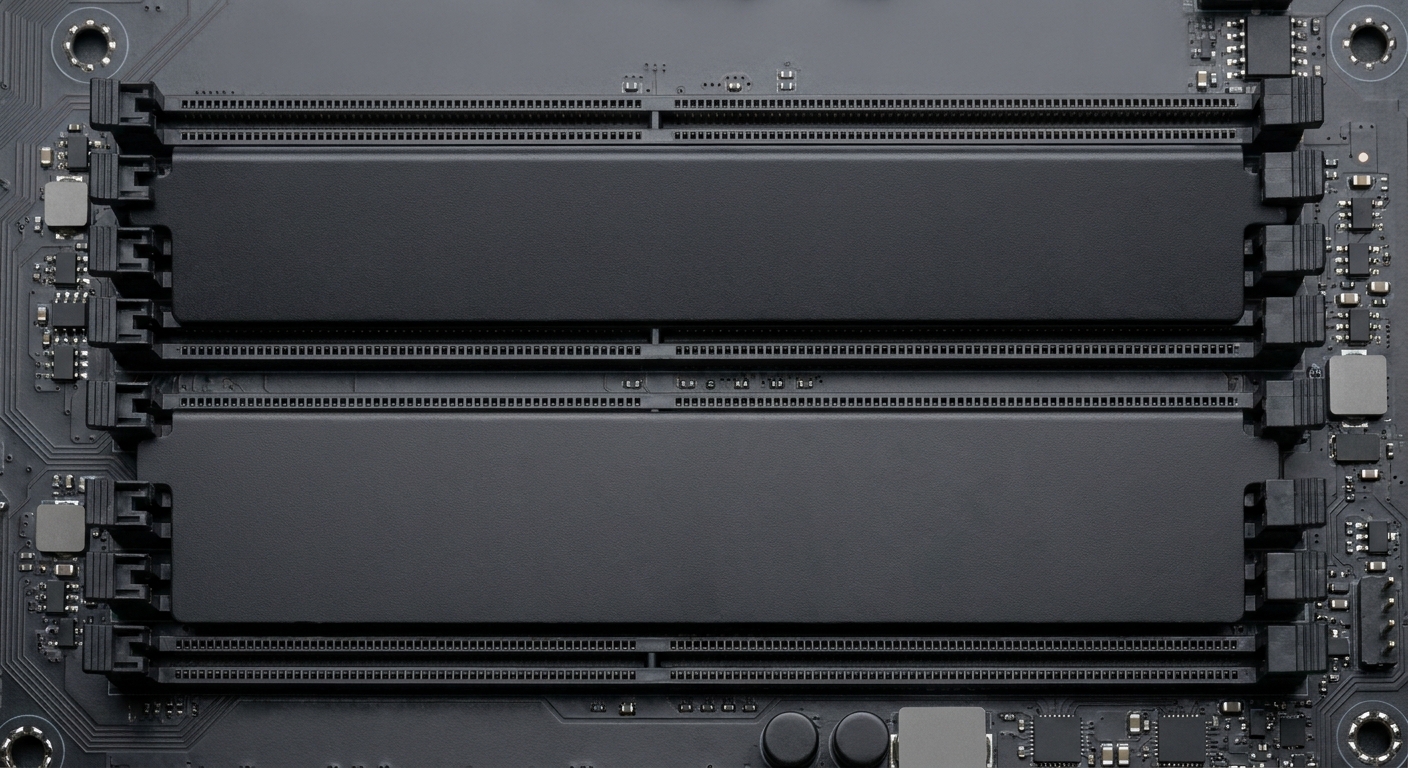
DDR5 yields on the latest 1-gamma node are still maturing, and binning toward higher-frequency, low-CL kits is poor. So the SKUs UK enthusiasts actually want, 6000 to 6400 with tight timings, are the rarest of the lot.
Which laptops and mini PCs are getting hit hardest in UK retail
RAM prices do not just hit DIY builders. They walk into the BOM of every laptop, mini PC and handheld PC sold by Currys, John Lewis, Argos and Amazon UK, and manufacturers do not absorb that for long.
First, mid-range Windows laptops with 16GB or 32GB LPDDR5X are creeping up by £40 to £120 at retail, with bigger configs taking the heaviest hit. Second, mini PCs from Beelink, Minisforum and Geekom (huge sellers last Christmas at £400 to £700) are quietly relisting with smaller default RAM or higher prices on the same SKU. Third, handheld gaming PCs (ROG Ally X follow-ups, Lenovo Legion Go 2, Steam Deck successors) sit on LPDDR5X and are about to look less of a bargain. We flagged the same dynamic in why budget buyers get hit hardest by component price hikes; laptops and mini PCs are now in that same trap.
Apple is not immune either. As we covered in our piece on the Mac Studio M5 and MacBook Pro UK delay, the next Mac Studio refresh has reportedly slipped from a summer 2026 window to around October because of memory and storage component shortages, with MacRumors reporting the touch-screen MacBook Pro likely pushed into early 2027. Whether that lands as a quiet launch slip or as wider apple.com/uk price increases, the buyer pays either way.
What to do if you’re upgrading this quarter
Our default advice is delay. If your current rig still does its job, sit out Q2 2026 and revisit in late summer. Most of the people emailing us asking whether to “buy now before it goes higher” are looking at panic, not need. That said, here is the practical playbook if you genuinely cannot wait.

- Buy used DDR4 if your platform supports it. A 32GB DDR4 3600 CL16 kit still sits under £70 on the UK used market. AM4 and LGA 1700 boards are plentiful on eBay UK and CeX.
- Target specific kits, not brands. The Corsair Vengeance 6000 CL30, G.Skill Trident Z5 Neo 6000 CL30 and Kingston Fury Beast 6000 CL30 restock most often at Scan and Overclockers. Set price alerts.
- Watch retailers beyond the obvious two. Box.co.uk and CCL Computers occasionally hold older RRP stock. Amazon UK third-party sellers are a minefield; stick to “Sold by Amazon” or known UK shops.
- Avoid grey imports. A US Newegg listing £80 cheaper looks tempting, but UK VAT, HMRC import duty and courier handling fees wipe out the saving, and a faulty stick is your problem to ship back.
- Buy the right capacity once. Do not split orders. A 2x16GB kit you upgrade to 64GB later in 2026 will cost more than buying 2x32GB today.
When the price relief realistically arrives
The consensus from UK distributors and memory analysts is uncomfortable. Industry forecasts expect another 30% to 50% rise per quarter through H1 2026. The earliest realistic softening is H2 2026, and even that needs three things to line up: HBM yields improving so fewer wafers are diverted to AI memory, hyperscaler capex pausing for breath, and Samsung or Micron actually expanding fab capacity rather than rebadging existing lines.
Black Friday is the wildcard. UK retailers will lean on RAM as a doorbuster category in November because they need the traffic, but discounts will come off freshly inflated RRPs, not pre-spike pricing. We expect a “best price of the year” 32GB kit somewhere around £230 to £270 during Black Friday week, still nearly triple what it cost a year earlier. Budget any new gaming PC build with that number in mind.
The mobile angle matters. As we explained in our look at on-device AI with Gemma 4, phones and laptops are loading up on RAM to run models locally. That is a structural demand floor on top of the data centre spike. Do not bet on a 2027 price collapse.
Our verdict
This is the first time the AI boom has shown up on a UK consumer’s till receipt, and it will not be the last. DDR5 was meant to be the cheap, easy upgrade of 2026. Instead it is the most painful line item in any build, and the pain is structural, not cyclical. Our position: do not panic-buy, do not chase grey imports, and do not let a Black Friday banner convince you that £270 for 32GB is a steal because it sat at £600 the week before. If you must upgrade, target one of the three kits we named, set retailer alerts, and accept the AI tax. If you do not, spend the money on storage or a better monitor and wait until late 2026. The DDR5 RAM market in the UK this year will improve, but not before Christmas, and almost certainly not back to last year’s numbers.
Frequently asked questions
Related reading on MTW
Buyer action
Where to buy or check next
Use this as the final check before ordering a phone, changing network or trusting a headline monthly price.












Reader discussion
Leave a comment
Comments are moderated. Keep it useful, accurate, and on topic.