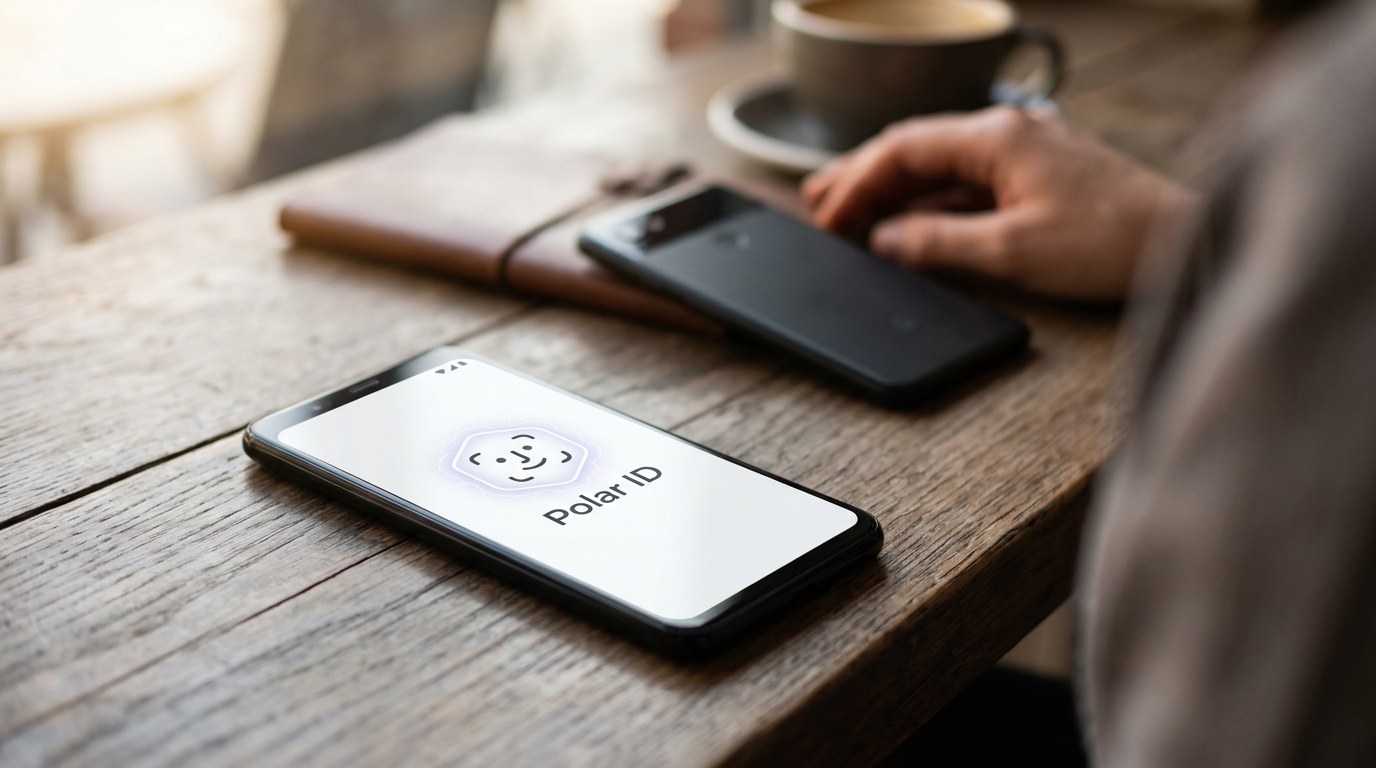
Pixel 11 face unlock is the 4 May story that should worry anyone who hoped Google would finally match Apple’s Face ID this year. Multiple leaks reported on 4 May that Google has dropped the rumoured “Project Toscana” under-display face unlock from the Pixel 11 lineup, leaving the August flagship with the same camera-based unlock as the Pixel 10 – and Metalenz’s rival Polar ID tech is now positioned to overtake it.
- 4 May 2026 reports confirm Google’s “Project Toscana” IR face unlock has been dropped from the Pixel 11 family.
- The same day, leaks detailed the Pixel 11 series’ Tensor G6 (1+4+2 ARM C1 cores, MediaTek M90 modem, PowerVR GPU) but no class-leading face authentication hardware.
- Metalenz’s Polar ID, in mass production via UMC, is now targeted at smartphones and laptops in 2027, with an under-display variant in 2028.
- Pixel 11 launch expected August 2026; Google has not officially commented on the face unlock change.
Why Pixel 11 face unlock is the most important leak this week
Pixel 11 face unlock was supposed to be the spec line that finally let Google argue its phone could be trusted for banking, payments and corporate logins on the same level as Face ID on iPhone. The 4 May reports point in the opposite direction: Google has reportedly dropped the dedicated IR face unlock hardware from the Pixel 11 family before launch, leaving the August flagship dependent on the same camera-based unlock the Pixel 9 and Pixel 10 use. That is the second Pixel generation in a row where Google has built up expectations and then quietly removed the feature.
The reason this matters is competitive. Android phones competing against the iPhone 17 Pro can match Apple on cameras, battery and connectivity, but biometric authentication has been the one area where Face ID has remained unmatched. The other 4 May story – Metalenz’s Polar ID rollout plan, which targets first-wave smartphone and laptop adoption in 2027 – means Google’s Pixel 11 face unlock retreat hands the Android face-unlock crown to whichever rival ships Polar ID first. Samsung is the most obvious candidate, given the existing Pixel 11 design language arrives before Samsung’s Galaxy S26 cycle and Polar ID uses Samsung’s ISOCELL Vizion image sensor as its light engine.
What the 4 May leaks actually say about Pixel 11 face unlock
The 4 May reporting is unusually specific. According to leaked spec sheets from Mystic Leaks via 9to5Google, the Pixel 11 line – Pixel 11, Pixel 11 Pro, Pixel 11 Pro XL and Pixel 11 Pro Fold – all run on the Tensor G6 (1+4+2 ARM C1 configuration with a PowerVR GPU and a MediaTek M90 modem). The display story is solid: a 6.3-inch 1080×2424 panel at 120Hz on the base Pixel 11, a 6.3-inch 1280×2856 on the Pro, a 6.8-inch 1344×2992 on the Pro XL, and dual displays on the Pro Fold. There is even a new “Pixel Glow” LED feature borrowing from Nothing’s Glyph. But the temperature sensor disappears from Pro models, and crucially the dedicated face unlock hardware is gone.
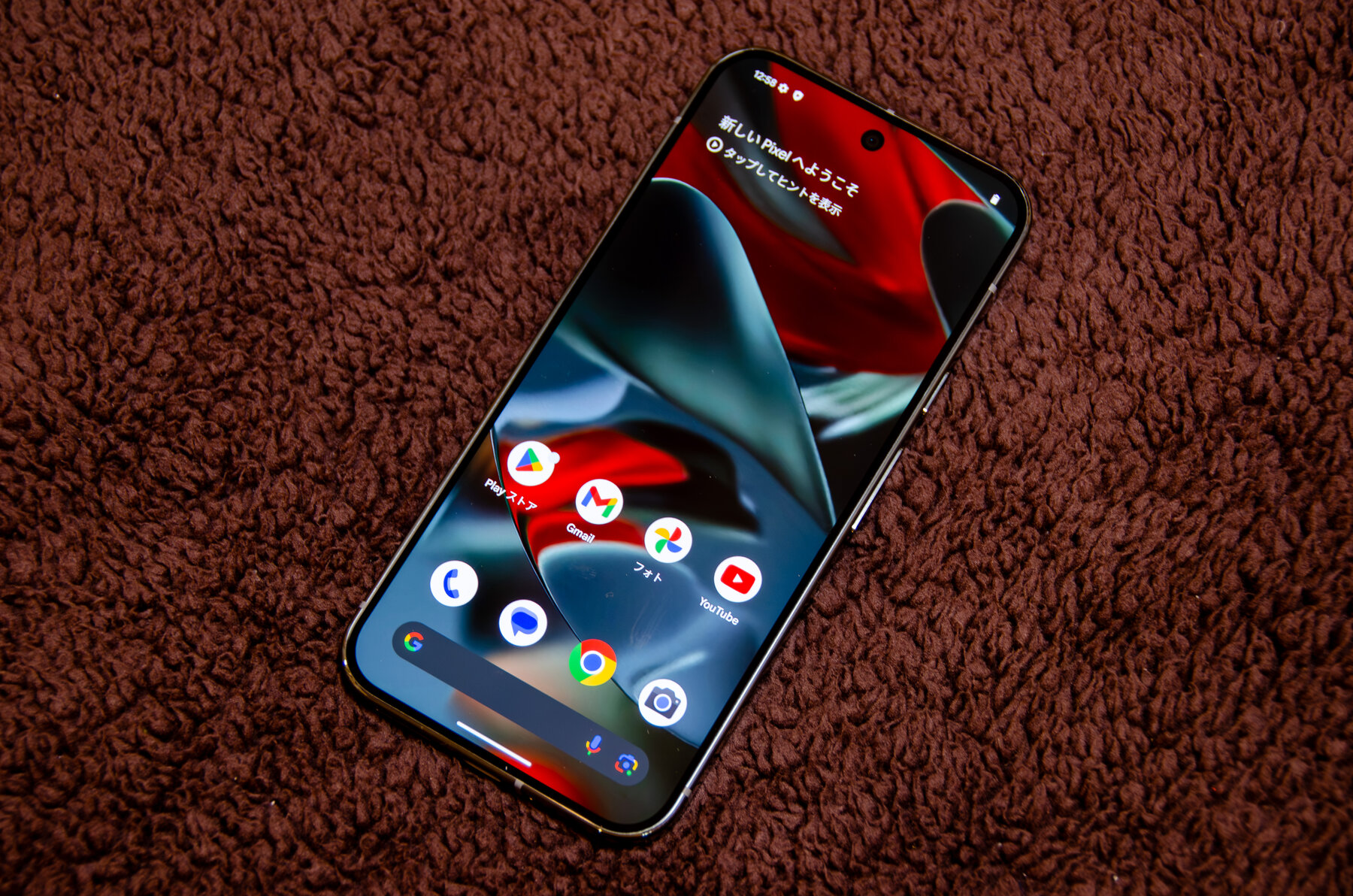
That is a difficult message for Google. The Pixel 11 will be one of the first phones on TSMC’s 2nm node, with an ARM C1-Ultra core at 4.11GHz and seven cores total, but it ships without the one biometric trick competitors have been waiting for. The Tensor G6 is reportedly powerful on CPU but uses a five-year-old PowerVR GPU design – the same trade-off pattern Google has been making for years. For UK buyers comparing the Pixel 11 against an iPhone 18 or a 2026 Galaxy S26, the absence of a credible face unlock is going to be the headline downside in early reviews this autumn.
Pixel 11 face unlock versus the Polar ID alternative
Metalenz’s Polar ID is the alternative Android needs. The system uses a flat polarisation-based metalens lens to capture optical polarisation data, which reveals how light bounces off surfaces. That means it distinguishes human skin from photo masks and 3D models. Crucially, Polar ID works in the dark without a separate IR projector, and Metalenz says only a “thinned out” section of the OLED display is needed to deploy it under-display. That fixes the biggest reason Samsung’s Galaxy Z Fold display cameras have looked terrible: existing under-display sensors are hostages to display quality, while Polar ID’s polarisation data is not.
| Face unlock | Approach | MTW read |
|---|---|---|
| Apple Face ID | Dedicated IR dot projector + TrueDepth camera | Still the benchmark. |
| Pixel 11 face unlock (rumoured base) | Front camera only | Convenient – not secure enough for banking. |
| Metalenz Polar ID | Polarisation metalens + Samsung ISOCELL Vizion sensor | The Android answer to Face ID – shipping in 2027. |
Metalenz has a Qualcomm partnership going back several years, and Polar ID is in mass production via UMC. The roadmap targets initial smartphone and laptop rollout in 2027, with the under-display version arriving in 2028. The reason this matters for Pixel 11 face unlock is timing. If a Samsung Galaxy S27 or a OnePlus 14 ships Polar ID in early 2027, Google will be selling the Pixel 11 against a class-defining authentication feature it does not have. The phone Google is launching in August 2026 will need to age into a 2027 buying landscape where rivals have moved past camera-only face unlock.
What UK Pixel buyers should do before August
For Android fans following the AI side, the Pixel 11 still benefits from Google’s broader on-device AI advances – including the Gemma 4 open-weights release that Android OEMs have been waiting for. If you are a UK buyer planning to pick up a Pixel 11 at launch, the Pixel 11 face unlock retreat does not necessarily kill the case. The Tensor G6 brings real CPU improvements, the displays are class-competitive, and Pixel cameras continue to set the Android computational-photography benchmark. The question is whether you need biometric security strong enough for banking, work logins and Google Wallet payments – if you do, the Pixel 11 will still rely on a fingerprint sensor for secure auth, and a less-secure camera face unlock for convenience.
The smart play for security-conscious Android buyers is to wait, watch what Samsung does with Polar ID in the Galaxy S27 cycle, and consider the Pixel 11 as a strong but compromised camera phone rather than a full Face ID rival. Google still has a story to tell on the Tensor G6 and the new Pixel Glow lighting concept, plus the new Pixel 11 Pro Fold’s specs look credible. But on biometrics, Google has now reportedly stepped back twice. The Pixel 11 face unlock retreat is the single biggest Android question for the second half of 2026, and the May 4 leaks settle it in a way no one was hoping for.
MTW verdict
The Pixel 11 face unlock retreat hands the Android biometrics crown to whichever rival ships Polar ID first – most likely Samsung. Pixel 11 will still be a great camera phone in August. But it will be the last Pixel that cannot answer Face ID, and that absence will hurt it more in 2027 than at launch.
MMTW Editorial
Buyer action
Where to buy or check next
Use this as the final check before ordering a phone, changing network or trusting a headline monthly price.






Reader discussion
Leave a comment
Comments are moderated. Keep it useful, accurate, and on topic.