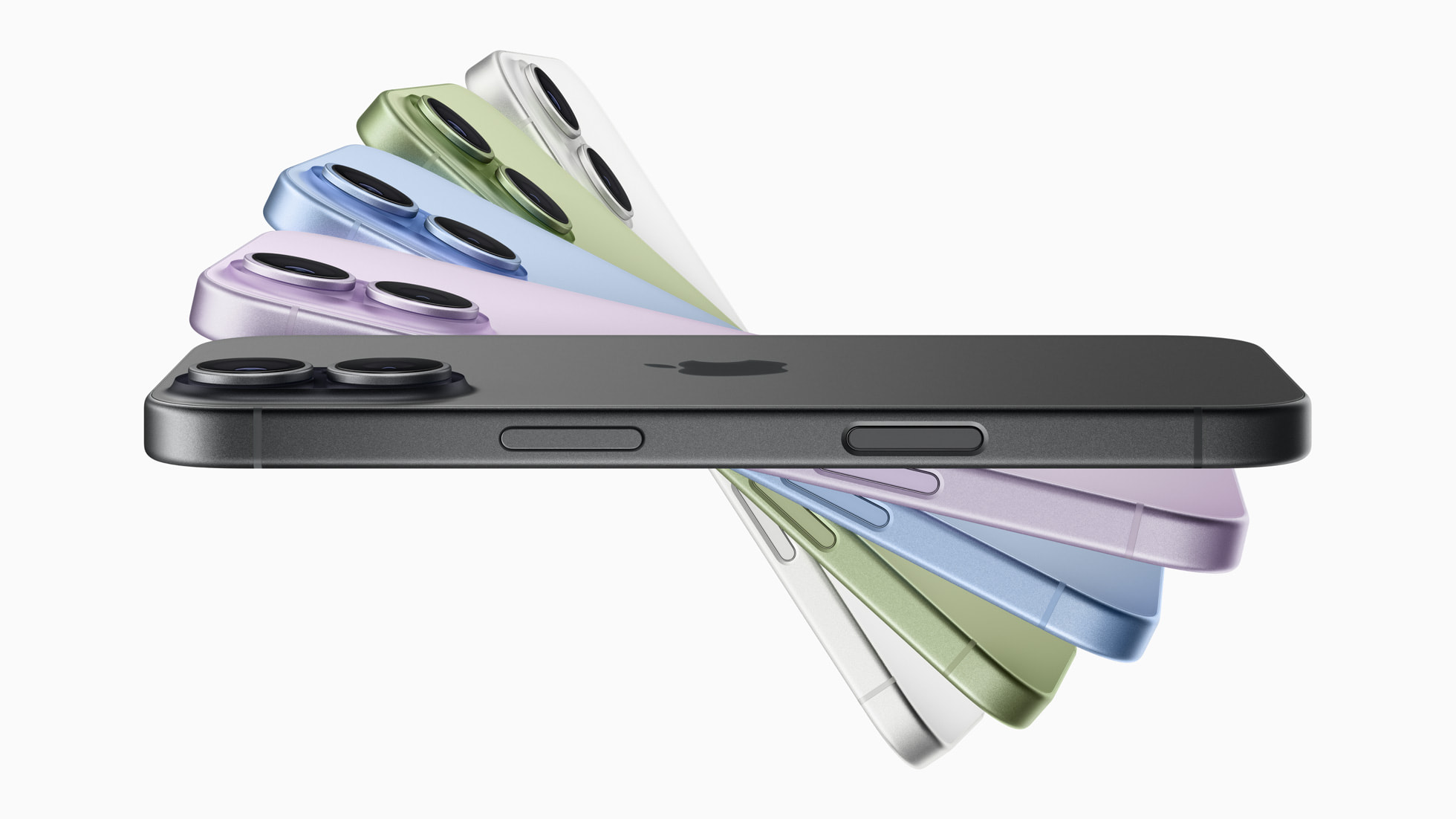
iPhone US market share is the Q1 2026 story that UK Android buyers should actually read carefully. Counterpoint Research published its US Q1 2026 numbers on 12 May 2026: Apple grew iPhone sales 1.3% year-on-year against an overall US market that contracted 5.7%, Android shipments collapsed 14.4%, and at the big three US carriers iPhones made up 75% of phone sales.
- US smartphone market contracted 5.7% YoY in Q1 2026; iPhone US market share grew 4 percentage points and iPhone US sales increased 1.3%.
- At Verizon, AT&T and T-Mobile combined, iPhones made up 75% of Q1 2026 phone sales, up from 72% a year earlier; Verizon alone hit 77% iPhone share.
- Overall Android sales fell 14.4% YoY, with Google Pixel the only major Android brand still growing at US carriers alongside Motorola’s prepaid push.
- Samsung delayed the Galaxy S26 launch to mid-March, creating a January-February premium vacuum Apple’s iPhone 17 lineup walked straight into.
What iPhone US market share actually means for UK Android buyers
The iPhone US market share data does not directly determine what UK shoppers see in Currys, but it shapes the global pipeline of phones and services more than most buyers realise. When Apple captures 75% of carrier sales in the US, three things happen in the UK within a quarter or two. First, Samsung’s marketing budget shifts further into the Galaxy S26 Ultra at the expense of mid-range Galaxy A — UK A57 buyers see fewer promotions, weaker bundles, less retail visibility. Second, Google increases Pixel spending across Europe to compensate for its US weakness, which is why the Pixel 10a launch felt unusually well-supported in UK retail. Third, the entire Android ecosystem doubles down on China-only flagships that never quite make it here.
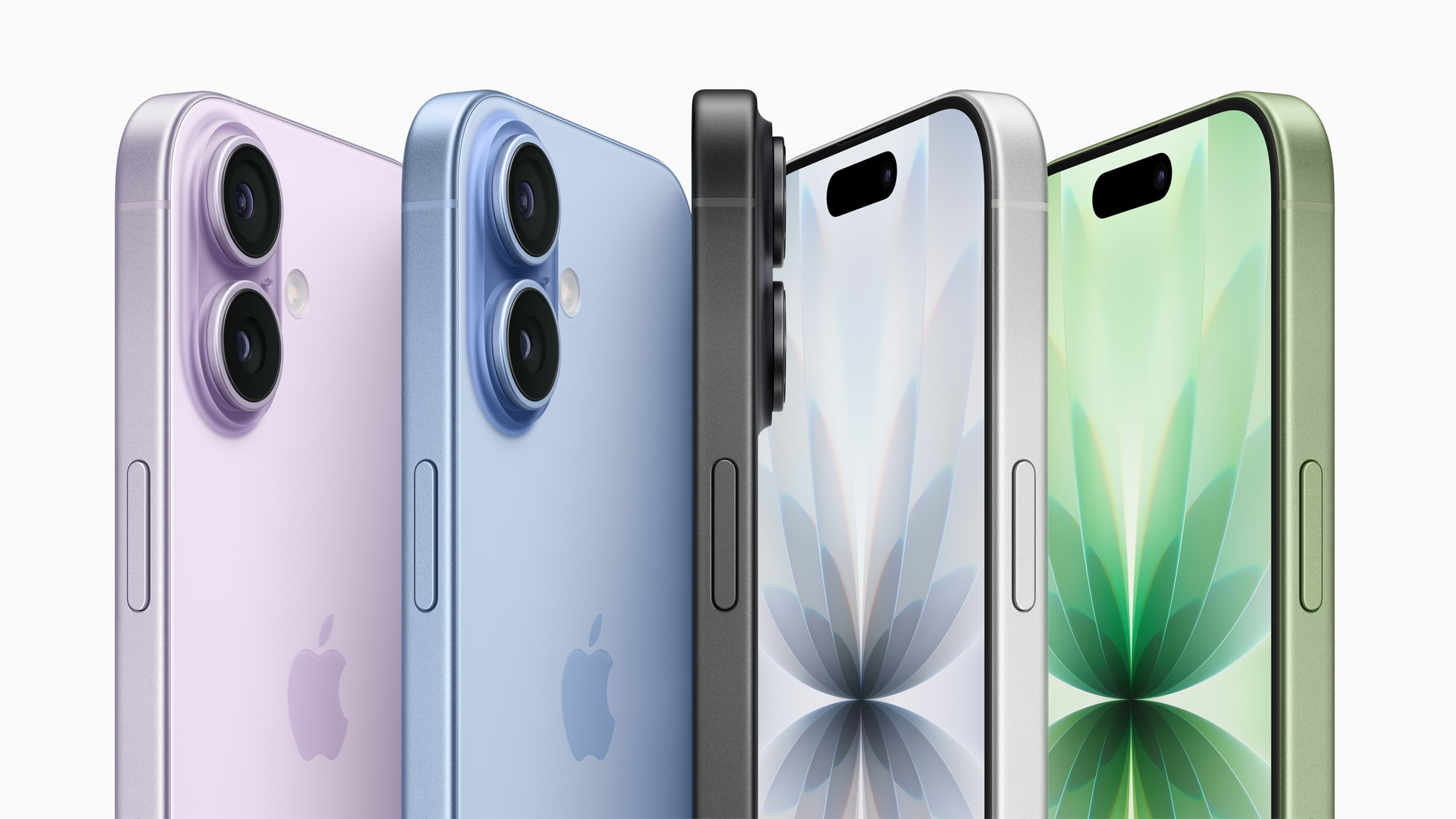
Counterpoint attributes Apple’s growth to two specific factors: the iPhone 17 lineup with higher base storage and the camera and ProMotion upgrades, and Samsung’s delayed Galaxy S26 series. Samsung pushing the S26 to mid-March left a January-February premium vacuum that Apple’s autumn 2025 phones walked straight into. The iPhone US market share story is partly a Samsung mistake. UK buyers should treat this as a warning sign: Samsung’s confidence is wobbling at exactly the moment Galaxy S26 Ultra needs to defend a £1,249 starting price.
The Android collapse and the Pixel exception inside iPhone US market share data
The 14.4% drop in Android US sales is a worse number than the 5.7% market contraction, but the inside of that figure has nuance. Samsung carried most of the loss because of the S26 delay and a deliberate reduction in promotional spending. Motorola held up reasonably well in prepaid and retail (32% share of that channel) thanks to aggressive marketing. Google Pixel was the only Android brand that grew meaningfully at carriers and Best Buy in Q1, according to Counterpoint, though the US report does not break out a specific Pixel growth percentage. Pixel’s relative success comes from a combination of Gemma 4 on-device AI, the Pixel Camera’s reputation and Google’s increased advertising spend in Q1 — exactly the opposite of Samsung’s posture.
The Pixel data point matters for UK buyers because Google has been spending equivalent marketing pounds in Britain for the past two quarters. Currys, Argos and EE have all been more aggressive on Pixel 10 and Pixel 10 Pro promotions than at any point since the Pixel 7 era, and the iPhone US market share trend gives Google a reason to keep that spending up rather than pull back. UK Android shoppers should expect Pixel deals to remain strong through Q3 2026, with Pixel 11 launch promotions likely to be heavily subsidised given Google’s appetite to defend the only Android brand growing in the US.
iPhone US market share by carrier and what it tells us about iPhone 17 demand
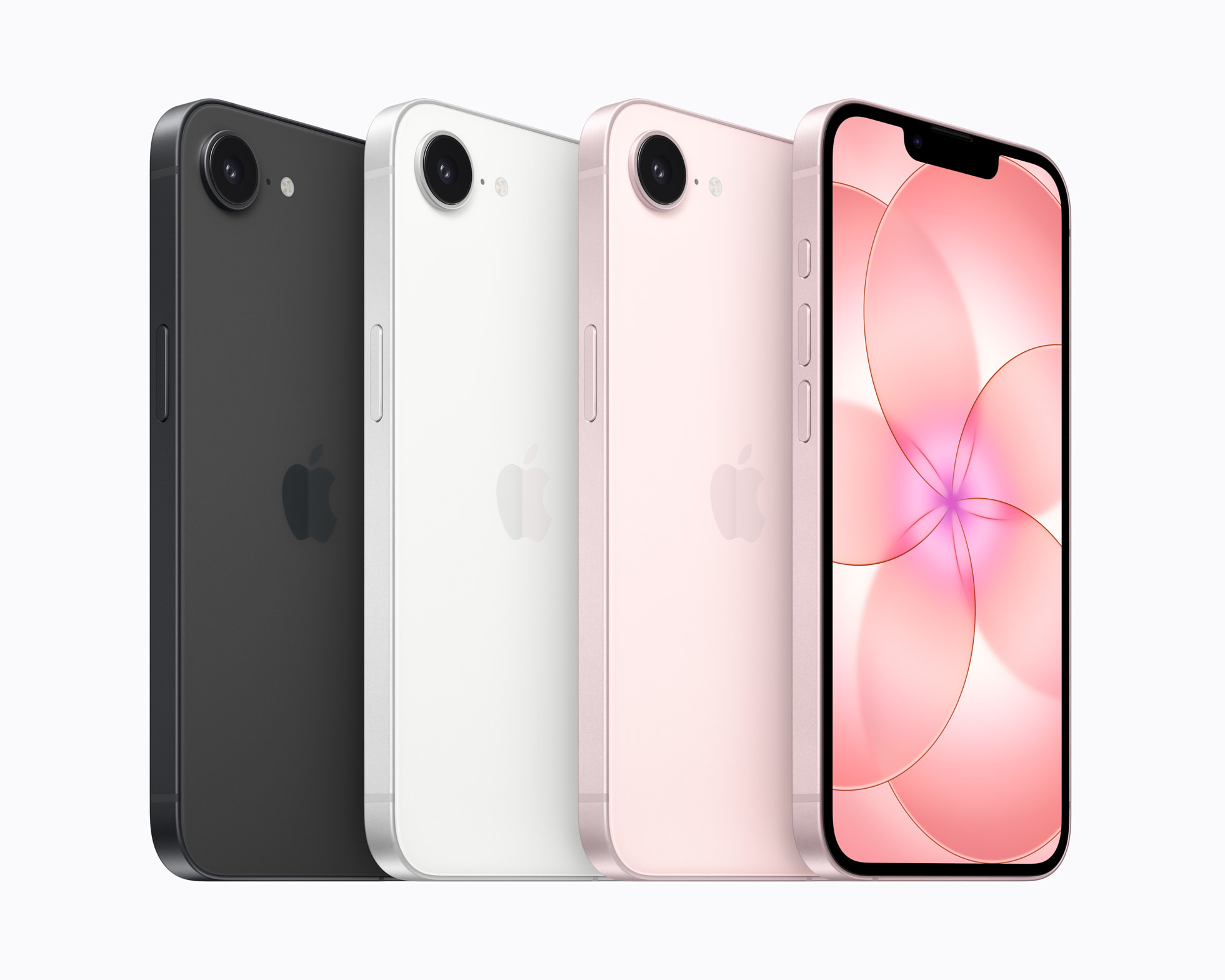
The carrier numbers are the cleanest read on iPhone demand. Verizon hit 77% iPhone share. Across Verizon, AT&T and T-Mobile combined, Apple sat at 75%. Counterpoint highlights that the base iPhone 17 specifically saw higher than expected demand, prompting Apple to recalibrate its production mix. The iPhone 17e, the cheaper March 2026 model, registered 15% higher sales in its first three calendar weeks than the iPhone 16e managed in its launch window, according to a separate Counterpoint Research note from April 2026. The pattern is consistent: the iPhone 17 lineup is selling deeper into the value tiers than Apple’s usual flagship-heavy mix.
| Q1 2026 US smartphone metric | Counterpoint figure | MTW read for UK buyers |
|---|---|---|
| Overall US market YoY | -5.7% | Memory crunch and delayed launches; UK saw similar softness. |
| Apple iPhone YoY | +1.3% | iPhone 17 momentum carries straight into UK Q2 sales. |
| Android YoY | -14.4% | Watch Samsung’s S26 promo response — bigger discounts likely. |
| iPhone share at Big 3 carriers | 75% (up from 72%) | UK carriers will follow with iPhone-first marketing in summer. |
| Google Pixel US trend | Only growing Android brand at carriers | Pixel UK deals should stay aggressive through Pixel 11 launch. |
Apple’s pricing posture is the other lesson. Where Samsung and most Android OEMs raised prices to absorb DDR5 and component cost shocks — see our coverage of why DDR5 UK prices doubled — Apple held the iPhone 17e at £475 (about $599) starting and doubled base storage to 256GB. That is a deliberate share-grab move and it is working. UK buyers can expect Apple to repeat the trick in autumn 2026 with iPhone 18 pricing, particularly the new entry tier. Samsung’s response should be aggressive S26 FE pricing and a more visible Galaxy A series push.
What UK buyers should do about the iPhone US market share lead
If you are buying a flagship phone in the UK in the next three months, the iPhone US market share story should change your timing rather than your brand pick. Samsung is now the brand most likely to discount aggressively into Q3 to defend Galaxy S26 Ultra share — expect 12-month contract bundles to improve at EE and Vodafone, particularly around July. Google will keep pushing Pixel hard, so UK Pixel 10 and Pixel 10 Pro deals through summer should hit the best prices we have seen for current-gen Pixels. Apple is the brand least likely to discount — iPhone 17 demand is strong enough that UK carriers do not need to subsidise it.
For Android loyalists tempted to switch, the data does not actually justify a panic move. Google Pixel is still growing in the US while every other Android brand contracts, against Apple’s 1.3% — Android is consolidating around a smaller number of brands, but those brands are getting stronger, not weaker. The honest takeaway for UK buyers is that iPhone US market share data is best used as a timing signal: wait for Samsung to discount, jump on Pixel promotions, and only buy an iPhone 17 outright if you specifically want one. The Q1 2026 numbers say Apple is winning a memory-constrained market on the back of a strong product cycle. The same dynamic does not necessarily favour Apple in the UK, where the iPhone 17 Pro Max vs Galaxy S26 Ultra contest is genuinely close on real-world value.
MTW verdict
iPhone US market share at 75% of carrier sales is a Samsung problem, not an Android problem. UK buyers should expect aggressive Samsung discounting through summer 2026 — wait for the deals before swapping the brand on your contract.
MMTW Editorial
Buyer action
Where to buy or check next
Use this as the final check before ordering a phone, changing network or trusting a headline monthly price.








Reader discussion
Leave a comment
Comments are moderated. Keep it useful, accurate, and on topic.