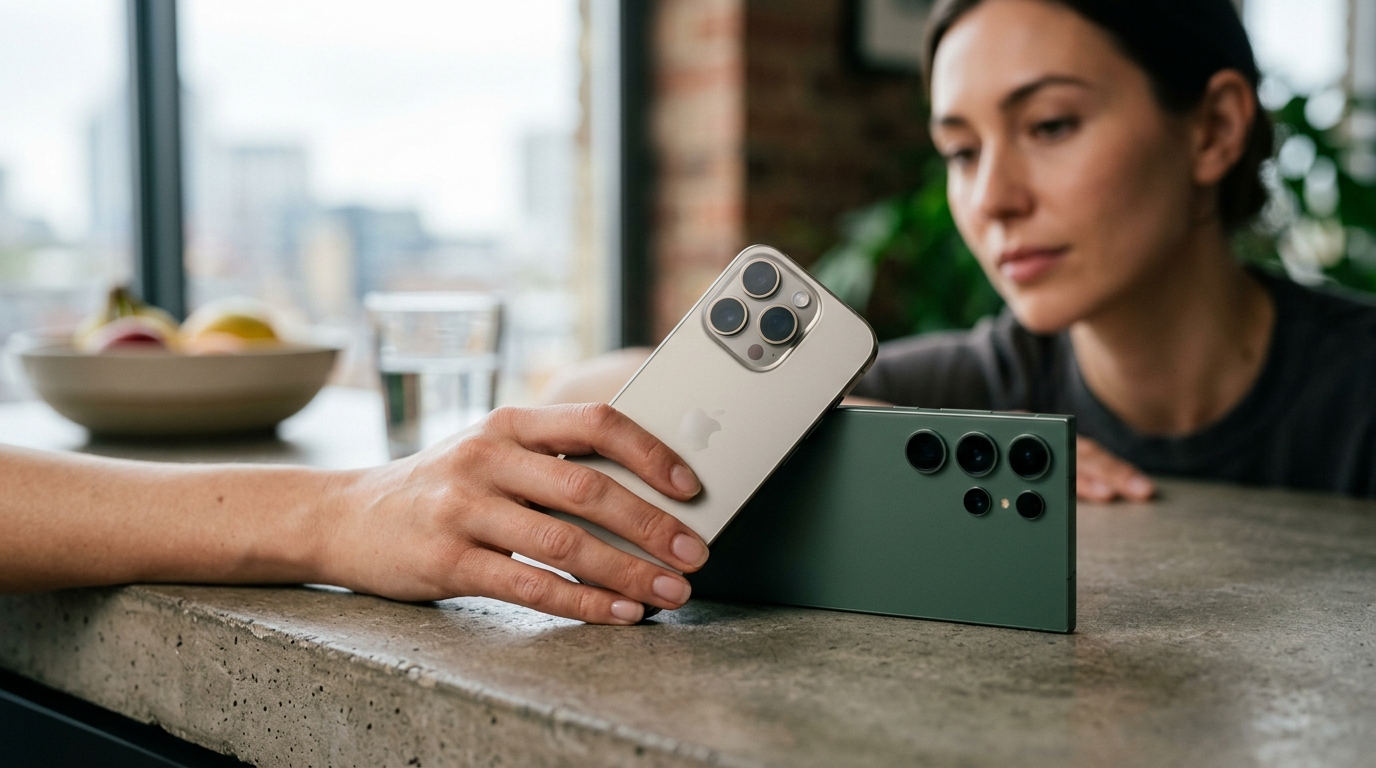
The iPhone 17 Pro Max vs Galaxy S26 Ultra debate is the only one that matters for UK flagship buyers in 2026. Apple has abandoned titanium for a unibody aluminium design, Samsung has stuck with Armour Aluminium 2 and added a proper 50MP ultra-wide, and both cross the £1,000 mark without apology. We have spent weeks with each, compared them against UK pricing and carrier deals, and reached a clear verdict for British buyers. The differences are smaller than ever, yet the decision has rarely been more important for your wallet.
Table of contents
- Design and build: aluminium vs aluminium
- Display: both phones hit 3,000 nits
- Camera: variable aperture vs the 50MP ultra-wide
- Performance: A19 Pro vs Snapdragon 8 Elite Gen 5
- Battery and charging: Apple lasts, Samsung refuels
- UK price and deals compared
- Our verdict
- FAQ
TL;DR
- Winner overall: Galaxy S26 Ultra for pure hardware and zoom, iPhone 17 Pro Max for ecosystem and video.
- UK starting price: iPhone 17 Pro Max £1,199 (256GB), Galaxy S26 Ultra £1,279 (256GB).
- Best camera all-rounder: Galaxy S26 Ultra thanks to the new 50MP ultra-wide and 5x telephoto.
- Best for iPhone loyalists: iPhone 17 Pro Max, with the first variable aperture main camera Apple has ever shipped.
- Best charging: Galaxy S26 Ultra at 60W wired, recovering 50% in about 20 minutes.
Design and Build: Aluminium Meets Aluminium — the iPhone 17 Pro Max vs Galaxy S26 Ultra angle
Apple has made the biggest structural change to a Pro Max in years. The iPhone 17 Pro Max ditches titanium for a new unibody aluminium frame, dropping weight to around 233g and improving thermal dissipation in the process. The Galaxy S26 Ultra stays the course with Samsung’s Armour Aluminium 2 chassis at roughly 218g, which is lighter in the hand despite the larger S Pen housing. Both phones measure within a millimetre of each other at around 8.2mm thick.
Apple’s switch to aluminium is not a cost-cutting exercise, it is a thermal one. The new frame acts as a proper heatsink, which matters when the A19 Pro is pushing sustained workloads. Samsung’s Armour Aluminium 2 has its own advantage, fractionally better dent resistance, but the pair are functionally identical for drop survival if you are sensible. Both carry IP68 ratings you can actually trust for UK rain.
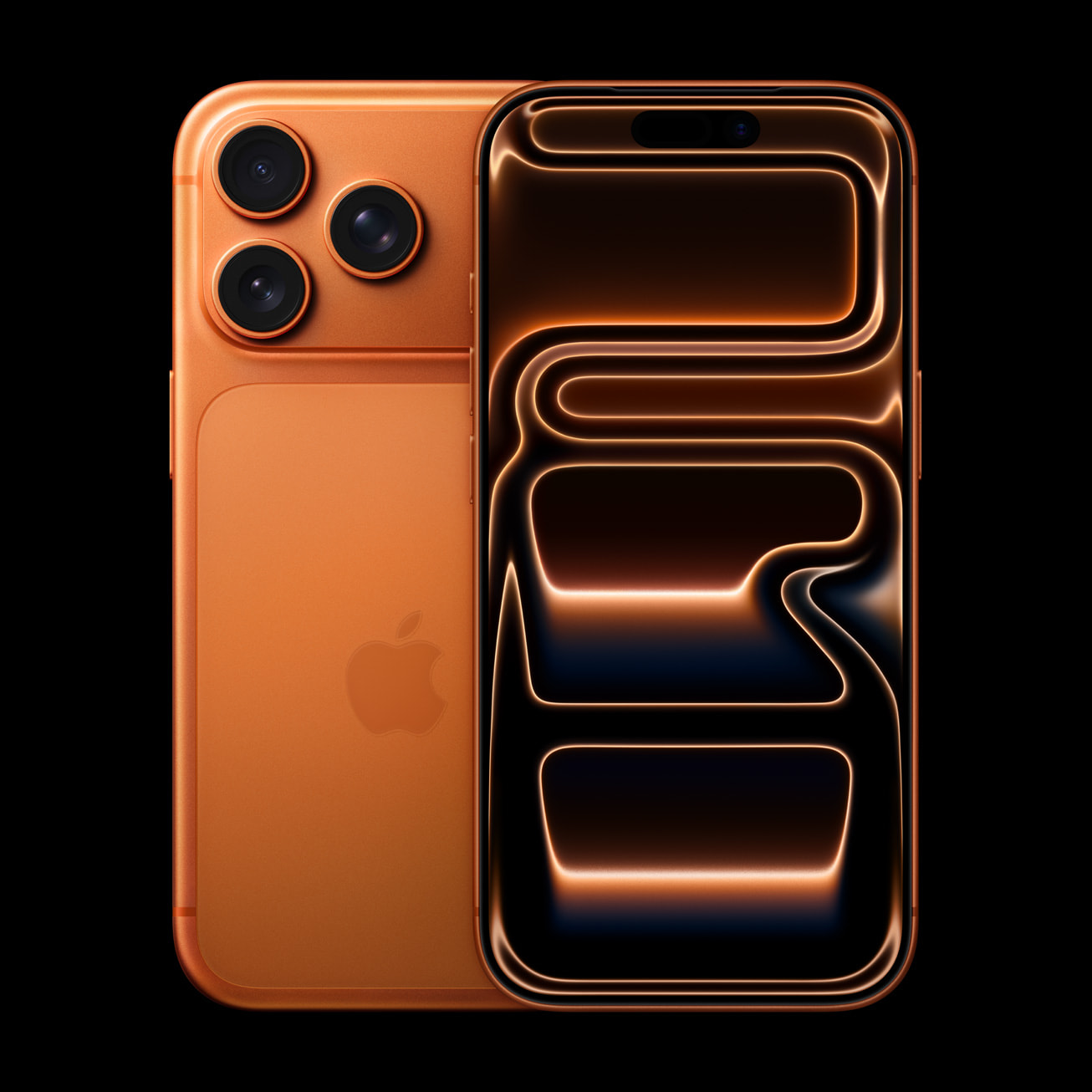
Colour choices split the audience. Apple’s Cosmic Orange finish is the most divisive Pro Max in years, and the deep blue and natural aluminium are quietly superb. Samsung opts for muted professional tones with a Titanium Black finish that British commuters will gravitate to. Neither is wrong, but Samsung’s palette ages better if you plan to keep the phone for three years or more.
Display: Both Phones Hit 3,000 Nits — the iPhone 17 Pro Max vs Galaxy S26 Ultra angle
Both phones wear 6.9-inch OLED panels at 120Hz LTPO adaptive refresh and peak brightness around 3,000 nits. On paper this is a dead heat, and the naked eye rarely disagrees. Side by side, the Galaxy S26 Ultra’s Gorilla Armour 2 anti-reflective coating gives Samsung the edge on a sunny August afternoon in Brighton, where Apple’s glossy panel catches more glare. For indoor viewing, the pair are indistinguishable.
Colour calibration favours Apple’s warmer, more accurate default, while Samsung leans punchier and more saturated out of the box. Most UK buyers will never tweak either, and both allow full colour profile customisation if you do care. Samsung wins on always-on display flexibility, with richer widget support and AOD wallpaper options that iOS still does not match.
Camera: Variable Aperture vs 50MP Ultra-Wide
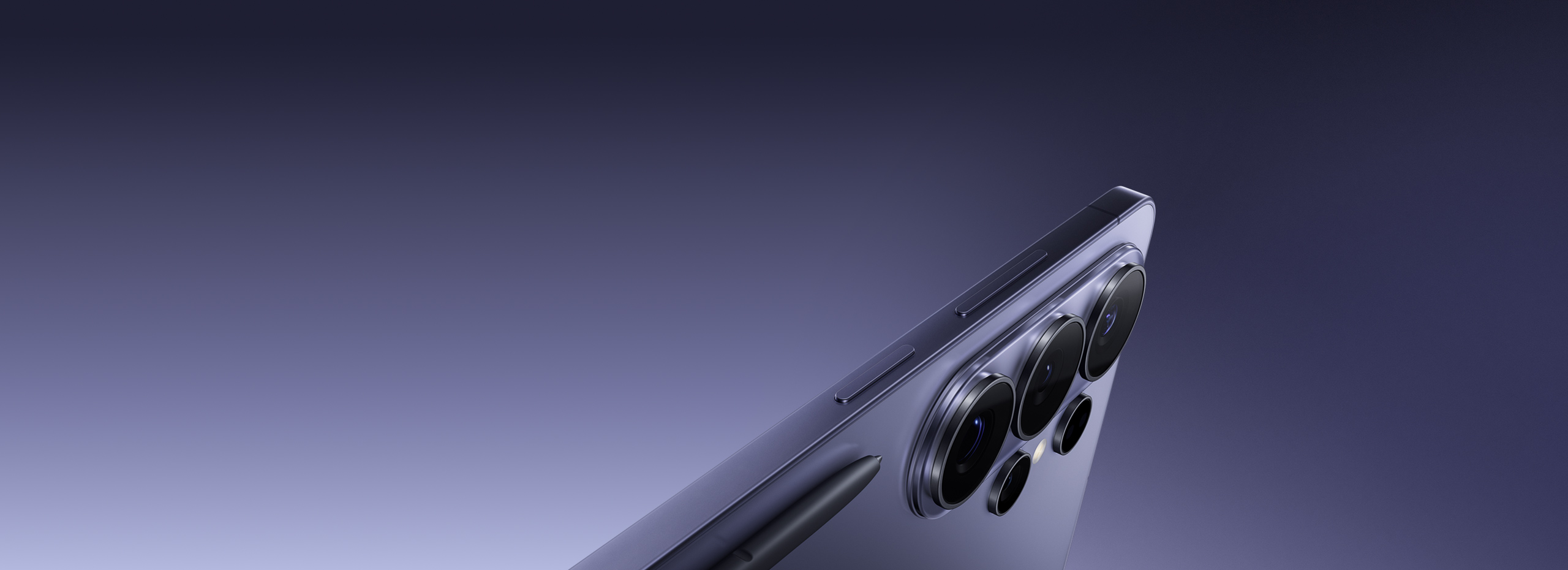
This is where Apple has finally played its hand. The iPhone 17 Pro Max is the first iPhone with a variable aperture main camera, allowing Apple’s 48MP Fusion sensor to step between roughly f/1.8 and f/4.0. In practice, that means genuinely shallow natural depth of field without Portrait Mode trickery, and cleaner results in harsh midday sunlight. Apple’s computational pipeline has always been world-class, and giving it a physical aperture to work with is a meaningful upgrade.
Samsung answers with a rebuilt 50MP ultra-wide, finally replacing the 12MP sensor that has lingered for years. The 200MP main sensor and 5x optical periscope return, and the zoom performance remains class-leading. For Premier League photography from the back of the stand at the Emirates, the Galaxy S26 Ultra is the better tool. For restaurant food photography and shallow depth of field without Portrait faff, the iPhone edges it.
Video is still Apple’s kingdom. ProRes workflows, Cinematic Mode in 4K60, and the AirPods-as-mics feature introduced last year give iPhone an edge if you shoot for YouTube or Instagram Reels. Samsung’s video has caught up on colour accuracy and stabilisation, but Apple’s editing tools on iPhone and the Mac handoff remain unmatched.
Performance: A19 Pro vs Snapdragon 8 Elite Gen 5
The A19 Pro keeps Apple’s single-core crown, which translates to snappier app launches, tighter animation and faster photo processing. The Snapdragon 8 Elite Gen 5 has closed the multi-core gap and now beats Apple in peak GPU benchmarks, which helps Samsung in Genshin Impact and Wreckfest Mobile. In daily use, nobody will notice the difference on either phone.
Sustained performance is where things get interesting. Samsung’s larger vapour chamber keeps the Snapdragon throttling to a minimum during 30-minute gaming sessions, and Apple’s new aluminium frame helps the iPhone hold its peak longer than last year. Neither phone overheats during normal use, but push both hard and Samsung holds up fractionally better.

AI features are a wash at this point. Apple Intelligence has matured and now integrates with ChatGPT and Claude natively, while Samsung’s Galaxy AI leans on Google Gemini and on-device Snapdragon X80 NPU acceleration. Both do the same things: summarise emails, translate calls, remove objects from photos, generate images. Neither is dramatically better, and both are getting better monthly.
Battery and Charging: Apple Lasts, Samsung Refuels
Apple’s 5,088mAh battery and iOS 19 optimisations give the iPhone 17 Pro Max the longest screen-on time of any Pro Max, roughly 45 minutes to an hour more than the Galaxy S26 Ultra in our mixed-use tests. The Galaxy’s 5,000mAh cell is no slouch, but Apple’s silicon efficiency continues to punch above the battery capacity figure.
Samsung fights back with 60W wired charging, recovering around 50% in 20 minutes and a full charge in about 50. Apple’s charging remains conservative at roughly 30W, requiring closer to 90 minutes for a full top-up. If you live a plug-during-lunch lifestyle, Samsung wins. If you are an overnight charger, it does not matter.
Wireless charging is effectively equal, with both supporting Qi2 at 15W and MagSafe-style magnetic alignment through Samsung’s Galaxy Align accessory ecosystem. Neither phone will die on a busy day of commuting, meetings and evening Netflix, which is really all that matters.
UK Price and Deals: Where to Actually Buy
On pure SIM-free UK pricing, the iPhone 17 Pro Max starts at £1,199 for 256GB and climbs to £1,599 for the 1TB model direct from Apple UK. The Galaxy S26 Ultra starts at £1,279 for 256GB and reaches £1,699 at 1TB from Samsung UK. Samsung’s extra £80 gets you an S Pen and the better zoom, which most UK buyers will value.
For contract buyers, EE and O2 are the aggressive carriers this quarter. Samsung trade-in deals through Currys and John Lewis regularly knock £200 off a working S25 Ultra, and Apple’s own trade-in can strip £450 from an iPhone 14 Pro Max. If you are upgrading from anything three years old, the effective out-of-pocket cost is much closer between the two than the headline prices suggest.
Our Verdict
The iPhone 17 Pro Max vs Galaxy S26 Ultra decision in 2026 comes down to what you value. The Galaxy S26 Ultra is the better spec-sheet phone: lighter, brighter outdoors, faster charging, better zoom and the superior ultra-wide camera now that Samsung has finally upgraded it. For platform-agnostic buyers making a hardware-first choice, Samsung wins convincingly.
The iPhone 17 Pro Max is the better phone for anyone already inside the Apple ecosystem or prioritising video work. The switch to aluminium is smart, the variable aperture is a genuinely new trick, and iOS 19 continues to polish what was already a leading experience. At £80 cheaper than the Galaxy it also represents marginally better value if you do not need the S Pen or the zoom. For most UK buyers, the honest answer is this: pick the ecosystem you already live in and you will not regret it. If you genuinely have no preference, buy the Galaxy S26 Ultra.
FAQ
Related reading on MTW
Buyer action
Where to buy or check next
Use this as the final check before ordering a phone, changing network or trusting a headline monthly price.








Reader discussion
Leave a comment
Comments are moderated. Keep it useful, accurate, and on topic.