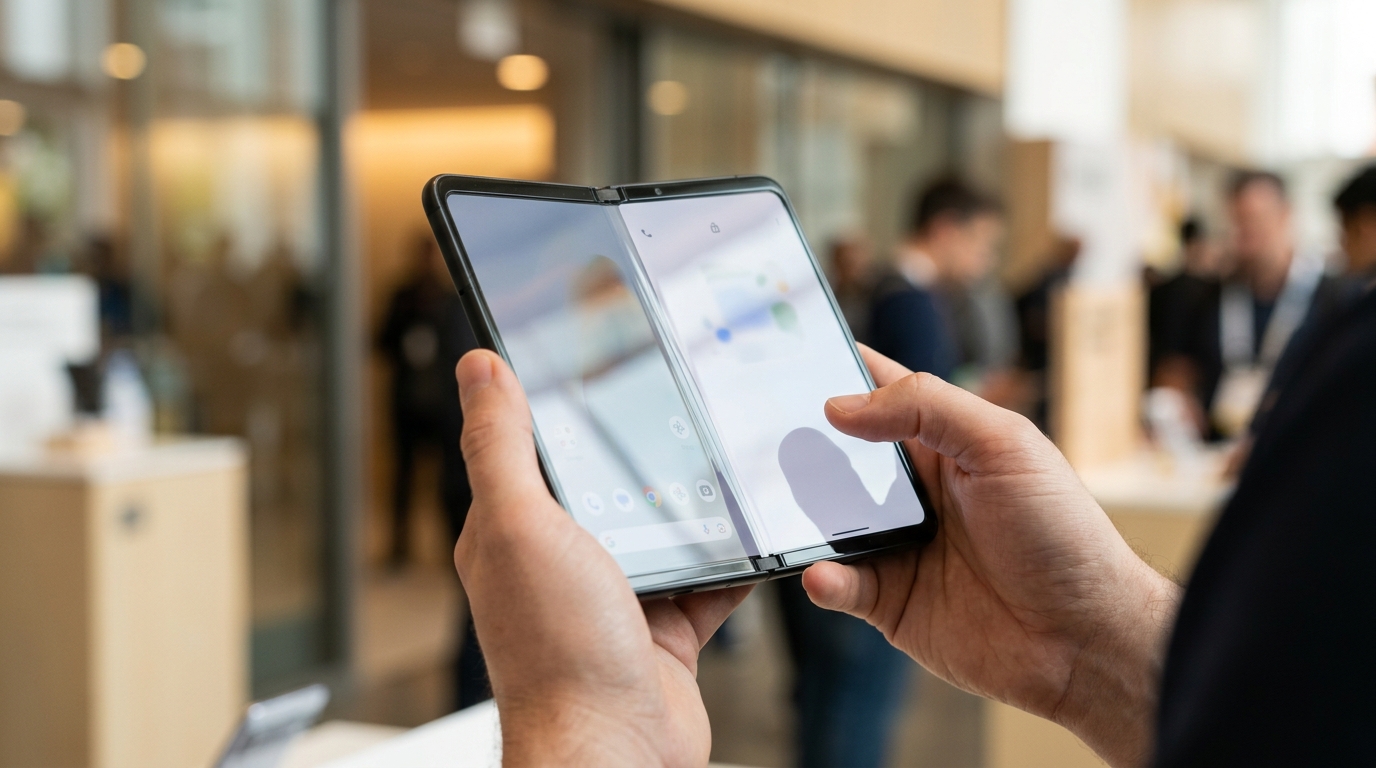
Google I/O 2026 opens on 19 May, and the most revealing thing about it is that the contest it was supposed to settle is already over. CNBC reported on 12 May 2026 that Google is racing to fix Gemini into the centre of Android before Apple’s AI reboot lands — but the race framing flatters Apple. On the evidence available the morning of this editorial, Google I/O 2026 is a victory lap, not a sprint.
- Google I/O 2026 runs 19-20 May 2026 at Shoreline Amphitheatre and online, with the keynote on 19 May (6pm BST).
- At The Android Show on 12 May 2026 Google said it is rebuilding Android around Gemini Intelligence — framing it as moving “from an operating system to an intelligence system”.
- Apple’s revamped, AI-led Siri — first promised for spring 2025 — has slipped to 2026 and a rebuilt “V2” architecture, with the overhaul now tied to WWDC in June.
- Apple settled a class action over the delayed Siri features for $250m (about £198m) on 5 May 2026, an admission of the gap in everything but name.
Why Google I/O 2026 is already won
Google did the decisive thing a week before Google I/O 2026 even started. At The Android Show on 12 May it did not tease Gemini as a feature; it declared that Android itself is being rebuilt around Gemini Intelligence, recasting the platform “from an operating system to an intelligence system”. That is not a keynote demo waiting to be judged — it is shipped strategy, and we argued it was the real story when we covered the Gemini Intelligence Android pivot. By the time the I/O keynote opens on 19 May, the structural bet has already been placed in public.
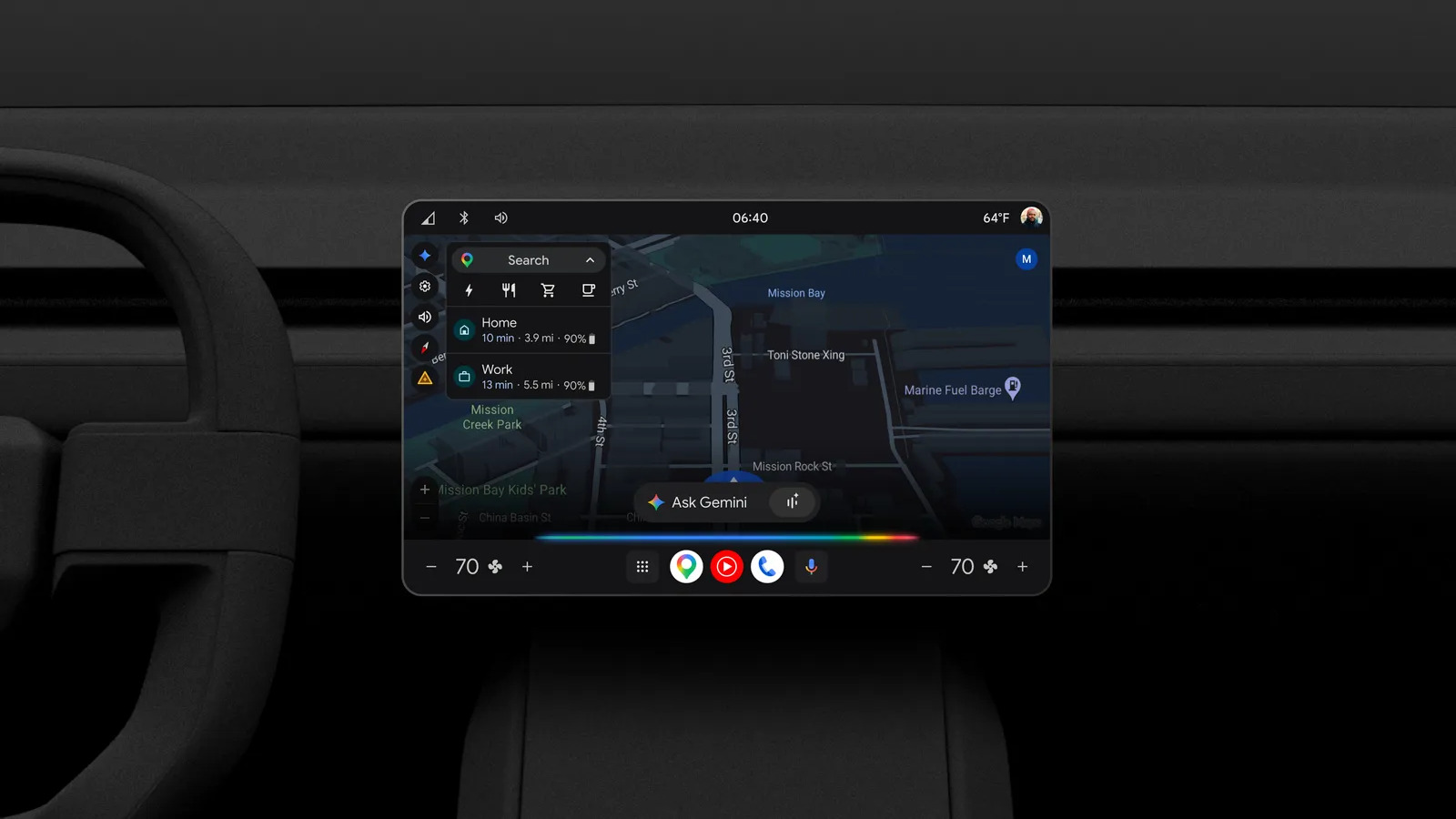
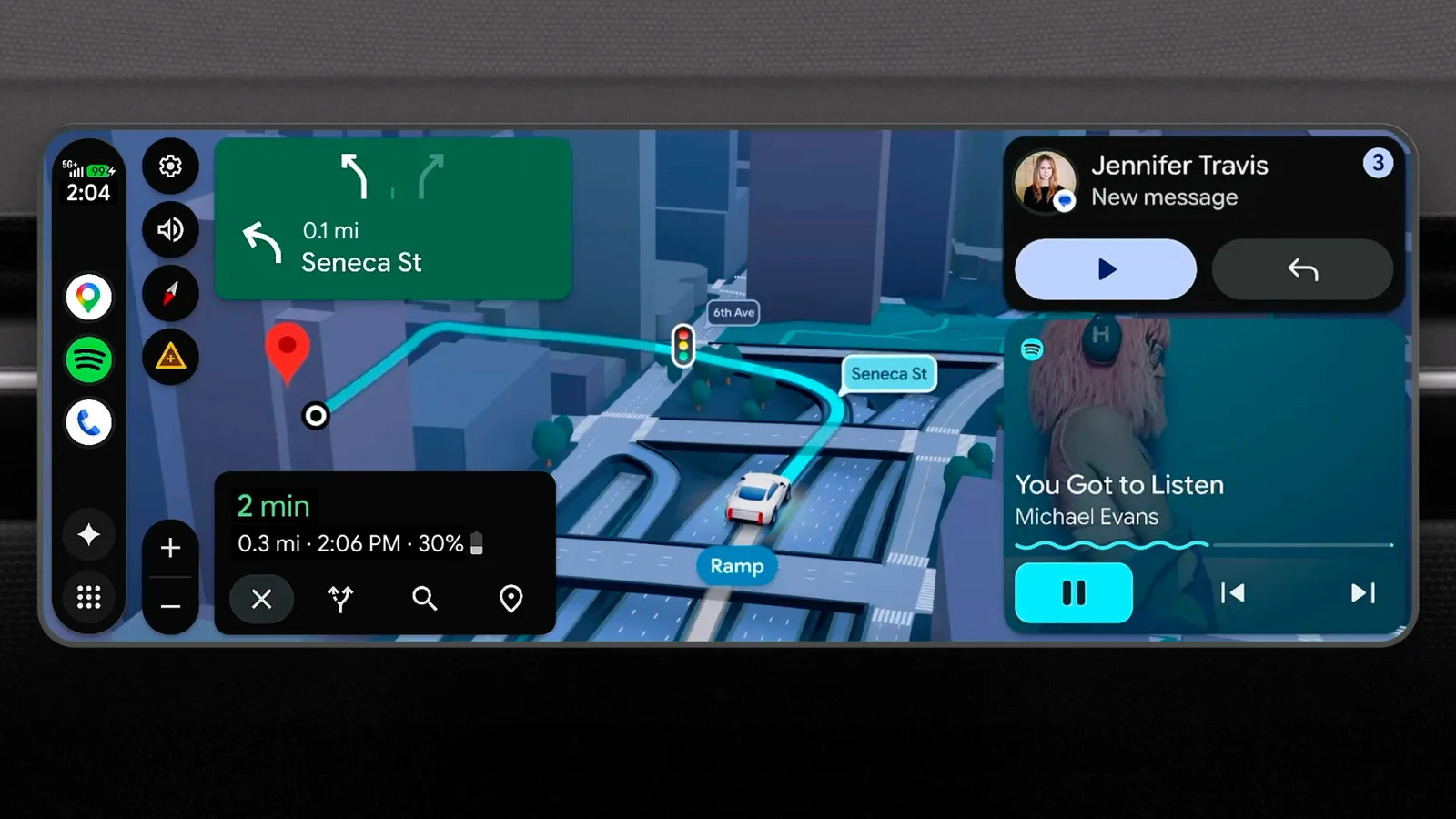
The supporting moves are just as telling. Gemini is being pushed into Chrome on Android, into a redesigned Android Auto across a quarter of a billion cars, and into a new Googlebook laptop class. This is the difference between announcing AI and distributing it. Google I/O 2026 will be Google narrating a position it already holds across phones, cars and laptops — and distribution, not model benchmarks, is what actually wins consumer AI.
Apple walks into Google I/O 2026 already behind
The contrast is brutal. Apple’s AI-led Siri was first promised for spring 2025; it slipped to 2026, then forced a ground-up rebuild onto a new architecture, and the overhaul is now pinned to WWDC in June rather than shipped. We documented the scale of the slippage in our Apple Intelligence delay audit, and the cost became literal when Apple settled the delayed-Siri class action for $250m (about £198m) on 5 May. A company that pays a quarter of a billion dollars to make a promise lawsuit disappear is not about to out-execute the company rebuilding its OS around AI.
Timing seals it. Apple’s answer does not even get its stage until WWDC in June, weeks after Google I/O 2026 has set the narrative and the headlines. In a year when consumers are forming AI habits, ceding the May window to Google is not a scheduling quirk — it is a strategic forfeit. Apple is not racing Google here; it is responding to it, late, on Google’s timetable.
What Google I/O 2026 still has to prove
Declaring victory for Google does not mean the keynote is a formality. There are real tests on 19 May, and they are tests of credibility, not concept. Google has a chronic habit of announcing more than it ships, and a platform recast as an “intelligence system” raises exactly the questions an AI-saturated audience has learned to ask.
| The pitch | The real question | MTW read |
|---|---|---|
| Android as an “intelligence system” | Shipping dates, or another I/O sizzle reel? | Credibility hinges on firm UK rollout dates |
| Gemini everywhere | What it costs, and what it does with your data | The unanswered question from the Android Show |
| Android 17 and on-device AI | Which phones actually qualify | Hardware gating will decide the backlash |
The danger for Google is not Apple; it is Google. If Google I/O 2026 leans on capability it cannot date, or buries the pricing and privacy terms of an AI woven through the OS, the “intelligence system” line curdles into the same overpromise it is currently mocking Apple for. There is precedent: previous I/O cycles produced flagship AI demos that reached UK users months late or in diluted form, and an audience that has watched Apple miss a two-year Siri deadline will extend Google no patience for the same sin. The strategic position is unbeatable this spring. The execution risk is entirely self-inflicted, and 19 May is where we find out which Google turns up.
What UK readers should take from Google I/O 2026
For UK readers the practical signal is simple: watch the dates and the small print, not the demos. The substance the morning of 16 May already favours Google overwhelmingly, and we said as much when we judged that Google’s Android bet was the right one. The keynote on 19 May should be read as confirmation, not revelation — and the parts that matter for British buyers are when Gemini-in-Chrome and the Android Auto overhaul actually reach the UK, and what they cost in data.
The honest call: Apple can still recover at WWDC in June, because a rebuilt Siri done properly is a genuine threat and Apple’s installed base is patient. But it will be a comeback, not a contest of equals, and comebacks start from behind. Google I/O 2026 is the moment the AI-platform race stopped being close — and the only opponent that can still beat Google is Google’s own habit of announcing the future instead of shipping it.
MTW verdict
Google I/O 2026 is a victory lap. Google has already moved Gemini to the centre of Android, the car and the laptop while Apple’s reboot waits until June and arrives wrapped in a $250m (about £198m) settlement. The winner is Google — decisively. The only open question is whether Google ships what it announces on 19 May, because that is the one way it still loses this.
MMTW Editorial
Buyer action
Where to buy or check next
Use this as the final check before ordering a phone, changing network or trusting a headline monthly price.









Reader discussion
Leave a comment
Comments are moderated. Keep it useful, accurate, and on topic.