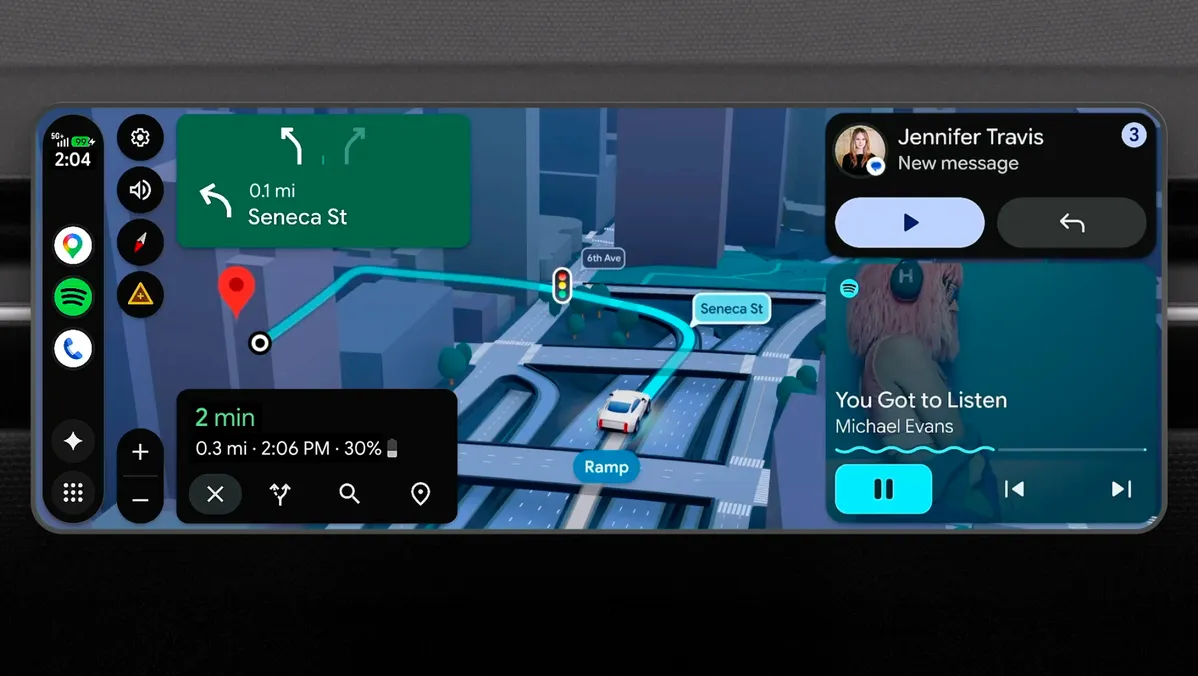
Gemini Intelligence Android editorial: Google’s 12 May Android Show was the loudest sign yet that the phone OS is no longer the product. Google reframed Android as an “intelligence system” with Gemini Intelligence at the centre, rolling out on Galaxy S26 and Pixel 10 this summer before everything else.
- Gemini Intelligence is Google’s umbrella label for advanced AI features on “advanced” Android devices, announced on 12 May 2026.
- First wave summer 2026: Samsung Galaxy S26 and Google Pixel 10 phones.
- Later in 2026: Android watches, cars, glasses and Googlebook laptops join the Gemini Intelligence umbrella.
- Headline features include Magic Pointer on Googlebook, Rambler dictation in Gboard, multi-step task automation across apps, and gen UI widgets you build with a prompt.
Why Gemini Intelligence is a bigger pivot than Google admits
Gemini Intelligence is not a new feature. It is a rebrand that admits Android has finally been pulled inside the AI tent. Google has spent two years adding Gemini to apps, then to a Pixel feature drop, then to a “premium” tier on advanced devices. The 12 May announcement makes it the system layer — the thing Google wants buyers to choose between iPhone, Windows Copilot+ and Android by. That is a bigger pivot than the cheerful Mindy Brooks blog suggests, and it is the right one. The OS-versus-OS debate ended in 2024; the AI-versus-AI debate is the only one left.
The mechanics tell the same story. Gemini Intelligence will land first on the Galaxy S26 family and Pixel 10 this summer, then expand to Android watches, cars, glasses and the new Googlebook laptop later in 2026. That is the exact device list Apple Intelligence has, minus the watch and plus the Android car ecosystem. Google now has the ecosystem and the language to match Apple feature-for-feature. The remaining question is whether the AI itself is good enough — and that is a much narrower question than “which OS do you prefer”.
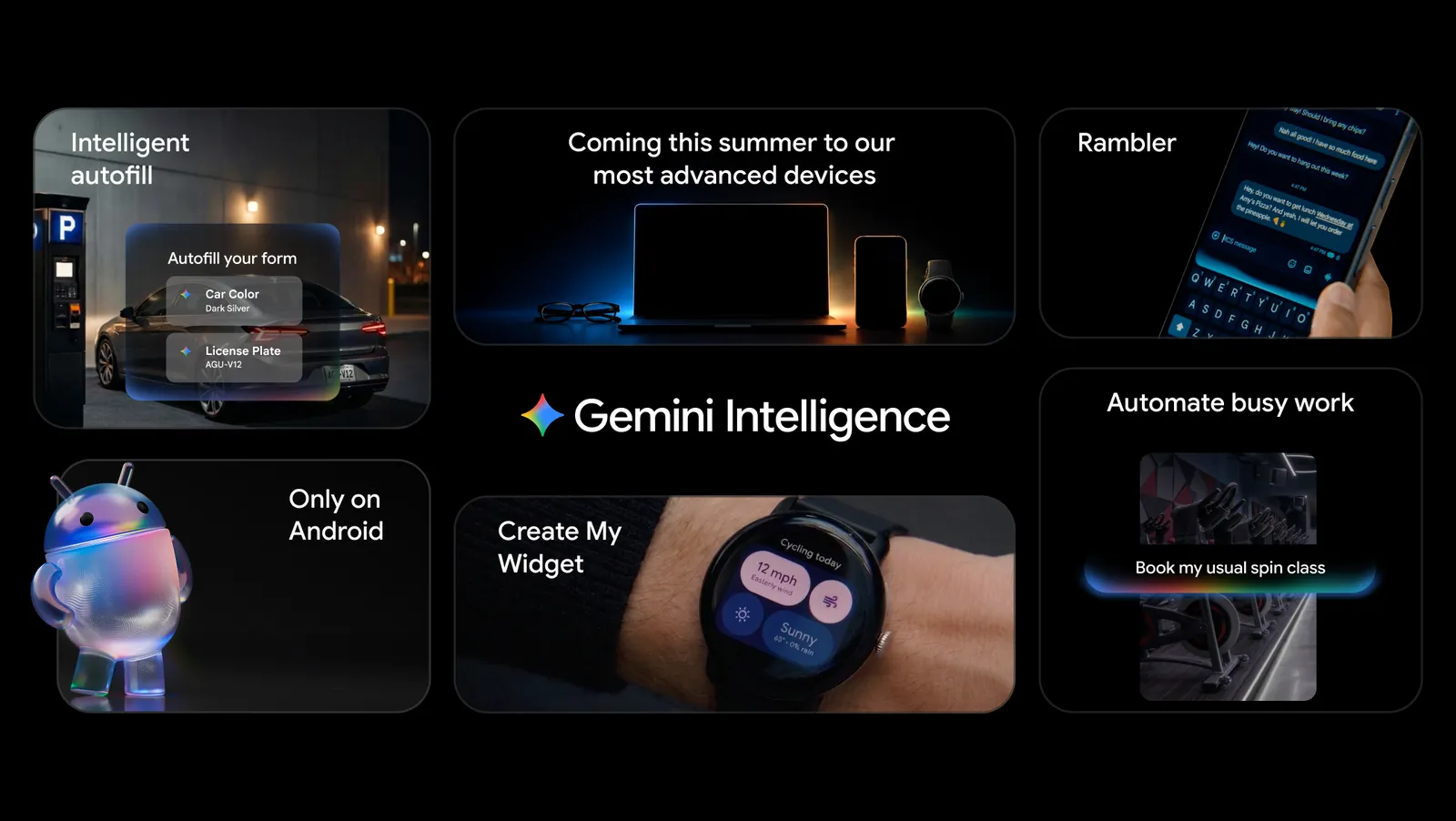
Gemini Intelligence in practice: the four features that justify the rebrand
Four features carry the weight of the Gemini Intelligence story. Multi-step task automation lets Gemini book a ride, place a grocery order or fill in a complicated form across multiple apps without the user switching screens. Rambler in Gboard converts spoken language into polished written text with multilingual handling — the kind of dictation feature that startups have spent millions trying to ship. Magic Pointer on Googlebook brings a Gemini-powered cursor that understands what is on screen. Create my Widget builds a dashboard from a natural-language prompt, pulling from Gmail and Calendar.
Each of those features alone is a competitive answer to something Apple or Microsoft already ships. Stacked together, they suggest Android genuinely intends to win the AI experience layer rather than ship the AI hardware tier and stop. The contrast with Samsung’s earlier Awesome Intelligence framing from April is instructive: Samsung wanted a hardware-bound brand; Google has chosen a feature-bound brand. The latter ages better when Samsung’s Awesome Intelligence eventually ships on Galaxy S26 with Gemini Intelligence underneath anyway.
What Gemini Intelligence does to the rest of Android
The harder editorial question is what Gemini Intelligence does to Android brands that are not Google or Samsung. Oppo, OnePlus, Vivo, Xiaomi, Honor and Motorola each ship their own AI stack on top of Android. With Gemini Intelligence positioned as the system layer, those skins are now competing with Google’s own offering on Google’s own platform. The result is either co-existence (multiple AIs, user picks) or quiet capitulation (OEMs default to Gemini Intelligence and tune their own stack as a feature layer). The most likely outcome is the second, exactly as we argued in April.
| Gemini Intelligence area | First devices | MTW read |
|---|---|---|
| Phones | Galaxy S26 trio and Pixel 10, summer 2026. | The brand stake in the ground. |
| Laptops | Googlebook, autumn 2026. | The new MacBook Air target. |
| Wearables | Android watches and glasses, later 2026. | The Samsung Galaxy Glasses test. |
| Cars | Next-gen Android Auto and Google built-in. | The CarPlay flank that finally has teeth. |
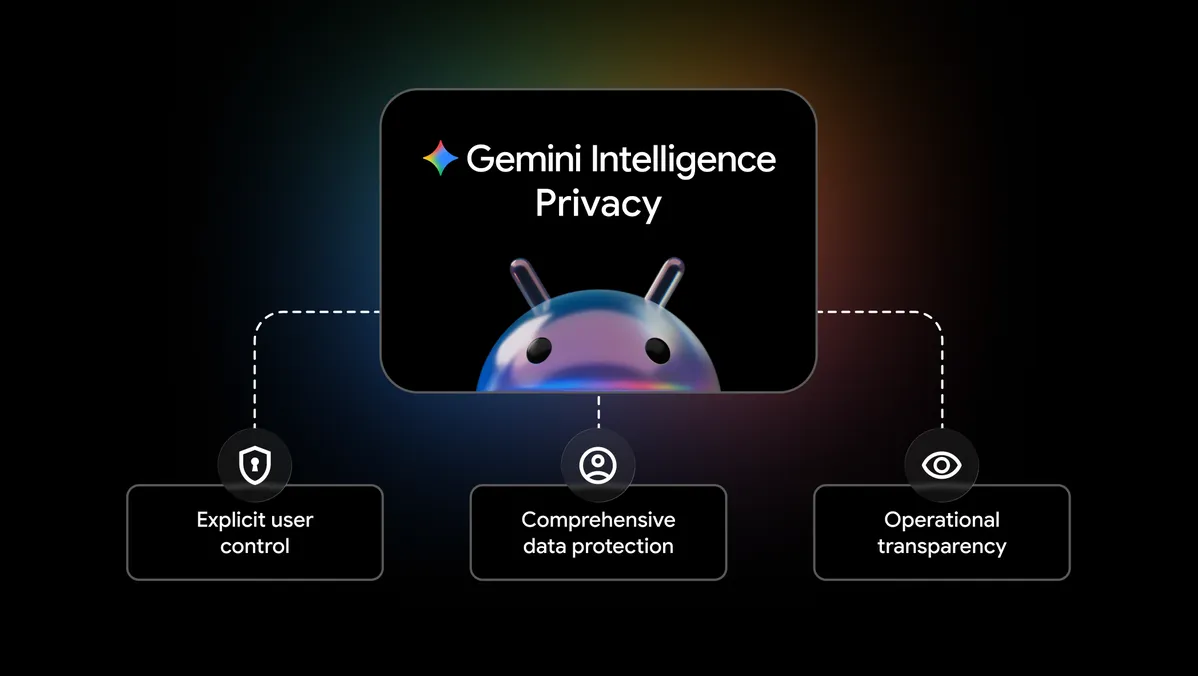
The other significant editorial point sits in Google’s own wording. “Gemini only acts on your command” is Google’s pre-emptive defence against the criticism Apple Intelligence and Microsoft Recall both faced — that proactive AI moves too far ahead of users. That is a meaningful concession to user control, and it is the right framing for the launch year. The fact that Google felt the need to spell it out so prominently tells you how cautious the company is about the next round of regulatory and consumer-trust scrutiny.
The Gemini Intelligence verdict for UK Android buyers
For UK readers, the practical takeaway is short. If you are on a Galaxy S26 or Pixel 10 already, expect Gemini Intelligence to land via Android updates this summer with no extra purchase required. If you are shopping a flagship Android phone right now and care about long-term AI features, restrict the shortlist to the S26 family, Pixel 10 or any handset whose manufacturer has publicly confirmed Gemini Intelligence support. If you are buying a Google Home or Nest device, the Home app community integration teased today is a Gemini Intelligence pre-cursor — useful but not yet headline. If you are buying a laptop in autumn, the Googlebook is the device that ships with Gemini Intelligence built-in from day one.
The bigger Gemini Intelligence editorial bet, though, is that Android’s identity has been redrawn. The OS used to be about choice, fragmentation, and the personality each OEM stamped on top of stock Android. Gemini Intelligence flattens that. It is the same AI fabric across phones, watches, cars, glasses and laptops, ranked by hardware tier rather than software flavour. That is closer to Apple’s model than anything Android has shipped before. Whether buyers find that exciting or claustrophobic is the genuine open question for the rest of 2026.
Either way, the 12 May Android Show is the moment Google stopped pretending Android was about Android. From now on it is about Gemini Intelligence, with Android as the substrate. Apple has been doing this with Apple Intelligence for two years. The difference is Google has a far larger device footprint to drag along, and a far larger AI organisation to ship against. The next twelve months will decide whether Gemini Intelligence becomes the new default — or the new “fine on Pixel, slow everywhere else”.
MTW verdict
Gemini Intelligence is the bigger Android story of 2026 and the 12 May Android Show was its formal coming-out. Buy a Galaxy S26 or Pixel 10 if you want it now; wait on the rest until your OEM publicly commits. Either way, Android’s marketing language has changed for good.
MMTW Editorial
Buyer action
Where to buy or check next
Use this as the final check before ordering a phone, changing network or trusting a headline monthly price.











Reader discussion
Leave a comment
Comments are moderated. Keep it useful, accurate, and on topic.