
UPDATED · News · 27 Mar 2026 · Hannah Foster
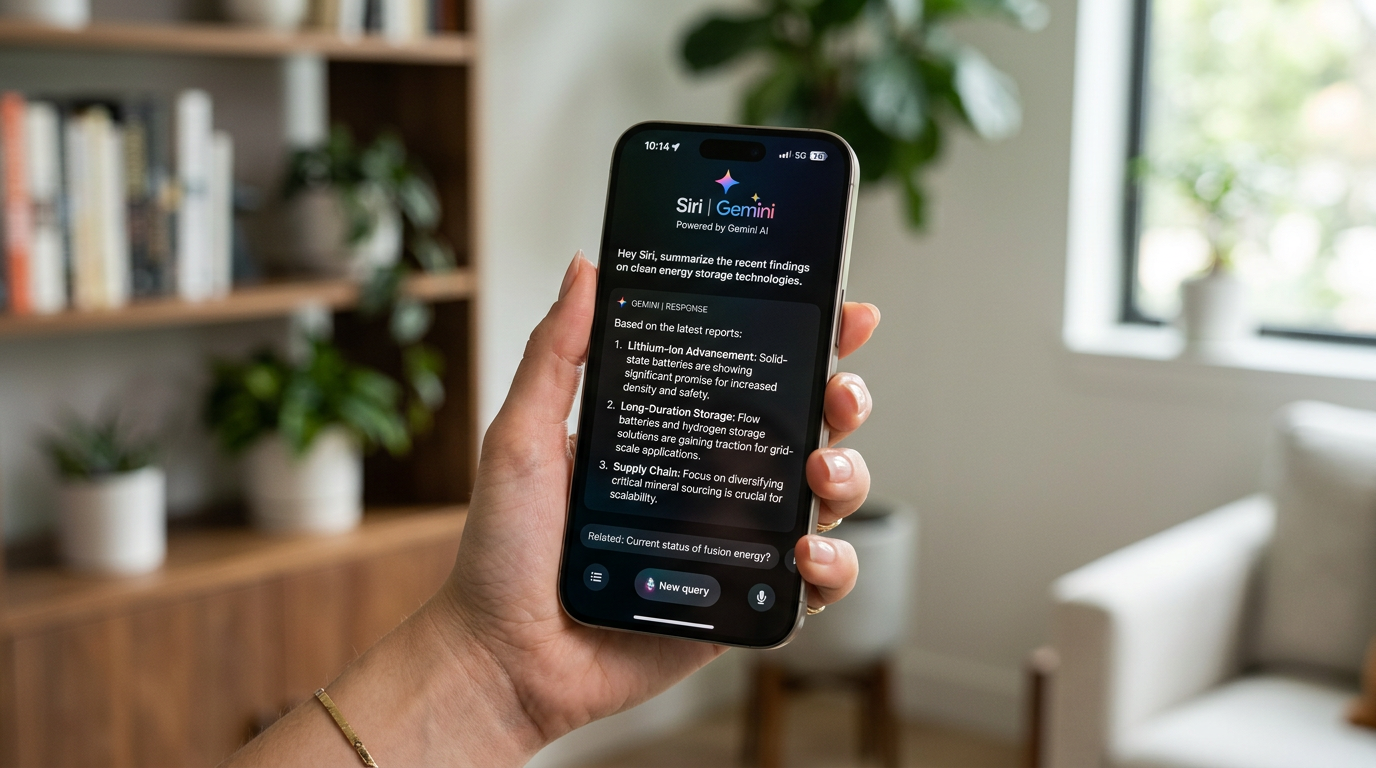
Apple’s partnership with Google, including the Apple Gemini deal, runs deeper than anyone expected. According to a detailed report from The Information covered across the tech press in March 2026, Apple has secured full access to the Google Gemini model within its own data centres, a deal that gives it far more flexibility than earlier reports suggested.
What Happened
- What Model Distillation Actually Means
- The Privacy Angle
- How This Compares to Samsung and Google’s Own Approach
- The Bottom Line
The arrangement means Apple can run Gemini internally and use a technique called model distillation to build smaller, task-specific AI models. Some of these could run directly on iPhones and Macs without needing a cloud connection at all. It is, by any measure, one of the most significant AI partnerships in consumer tech right now, as 9to5Mac reports.
What the Google Gemini Distillation Deal Actually Means
Distillation is the process of training a smaller model to replicate the behaviour of a larger one. Rather than simply copying outputs, the smaller model learns the internal reasoning patterns of its teacher. The result is a compact model that delivers much of the same performance at a fraction of the computational cost, as Daring Fireball summarised from The Information’s reporting.
The Privacy Angle
Running AI on-device is not just a performance decision, it is a privacy one. When models operate locally, user data stays on the device. Apple has built its brand around this principle, and distilled models make it technically feasible at a much lower cost than running a full-scale language model on a phone’s neural engine.
That said, some tasks will still require cloud processing. Complex queries, multi-modal inputs, and tasks requiring access to vast knowledge bases will likely be routed to Apple’s Private Cloud Compute infrastructure or Google’s servers. The key question is where Apple draws that line, and whether users will have visibility into which queries stay local and which do not.
How This Compares to Samsung and Google’s Own Approach
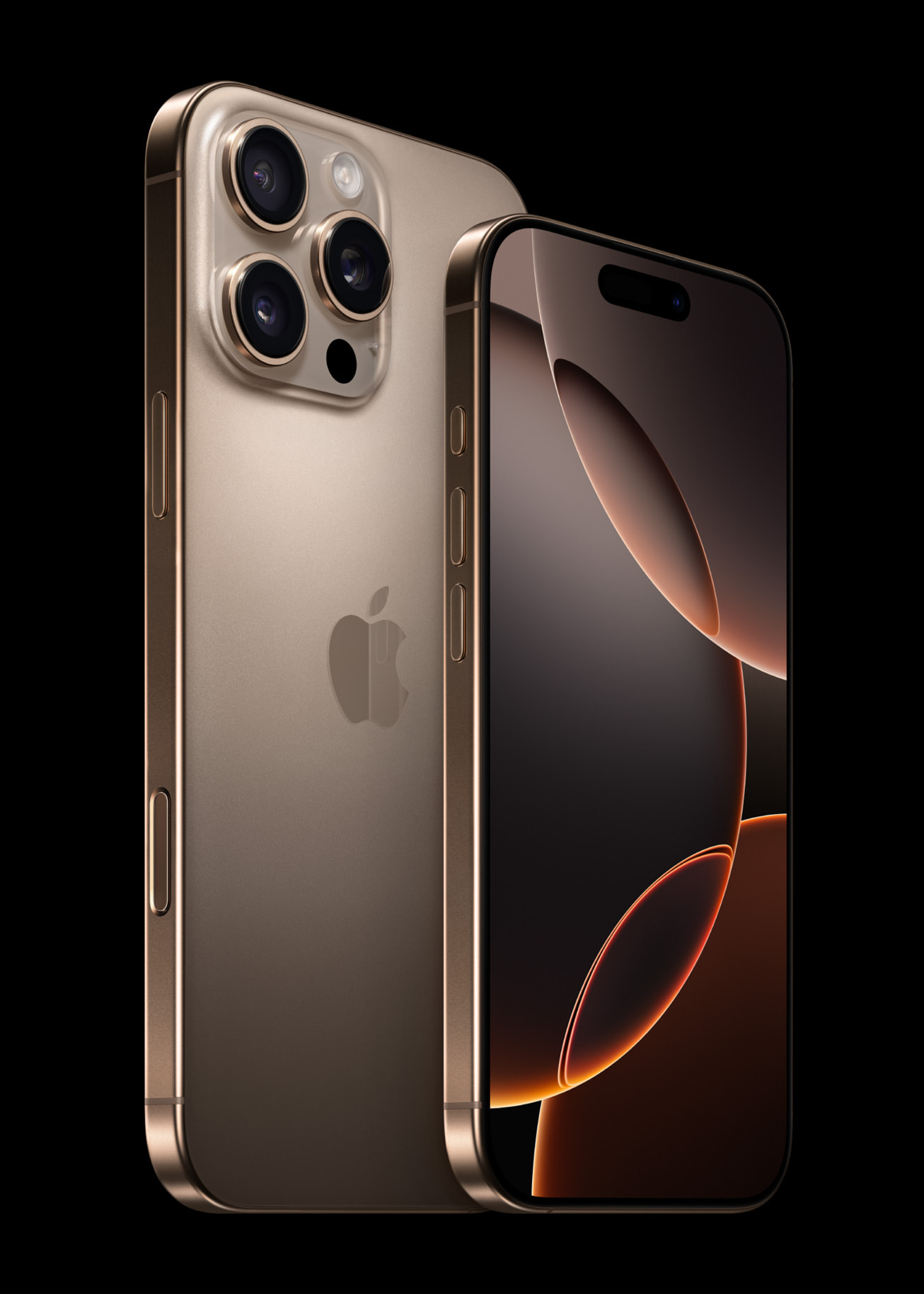
Samsung has taken a different path with Galaxy AI, using Google’s Gemini Nano for on-device tasks such as Scam Detection and Now Brief while routing more complex requests to the cloud. Samsung and Google confirmed at CES 2026 that the partnership will expand to roughly 800 million Galaxy devices, as Samsung’s own Newsroom confirms. Google itself runs Gemini natively across its Pixel devices and services. Apple’s deal gives it something neither competitor has in quite the same way: full access to Google Gemini for internal model building, plus the resources and incentive to create Apple-specific adaptations.

Whether this translates into a better user experience remains to be seen. The technology is there, but execution matters more than architecture in consumer products. Apple has a history of arriving late to features and then doing them better than anyone else. AI could follow that pattern, or it could be the exception that proves the rule. For more, see our news coverage.
The Bottom Line
This deal confirms that Apple is serious about AI in a way that goes beyond marketing. Reports from MacRumors and CNBC peg the annual spend at roughly £1 (about $1) billion, with full Gemini access, model distillation capabilities, and a clear path to on-device deployment. That is a substantial technical foundation. The next milestone is WWDC in June, where Apple will need to show what all this work actually looks like in the hands of users. Until then, the partnership with Google represents the most important AI development in Apple’s recent history.
Why the Apple Gemini deal is the most interesting AI partnership of 2026
On paper the Apple Gemini deal looks straightforward: Apple licences Google’s frontier model, Google gets distribution into a billion-plus active iOS devices, and both companies hedge against OpenAI. The reality is more interesting. The terms reportedly grant Apple full access to Gemini for on-device inference rather than just cloud calls, which is a structurally different deal and a much harder one to negotiate.
Running Gemini on-device on Apple Silicon means Google has had to either ship a distilled variant tuned for Apple’s Neural Engine or licence enough of the architecture for Apple’s own model team to do the optimisation work. Either path is unprecedented in commercial AI partnerships to date, and both imply a level of cross-company engineering integration that goes far beyond a typical API deal.
For users, the Apple Gemini deal should mean meaningfully better Siri responses on the next round of iPhones, with no obvious privacy trade-off relative to the cloud-based fallback Apple uses today. For competitors, it tightens the screw on every other on-device assistant. The bar is no longer ‘as good as the cloud version of ChatGPT’; it is ‘as good as Gemini, running locally, on a phone’.
Buyer action
Where to buy or check next
Use this as the final check before ordering a phone, changing network or trusting a headline monthly price.











Reader discussion
Leave a comment
Comments are moderated. Keep it useful, accurate, and on topic.