UPDATED · News · 10 May 2026 · Daniel Reid
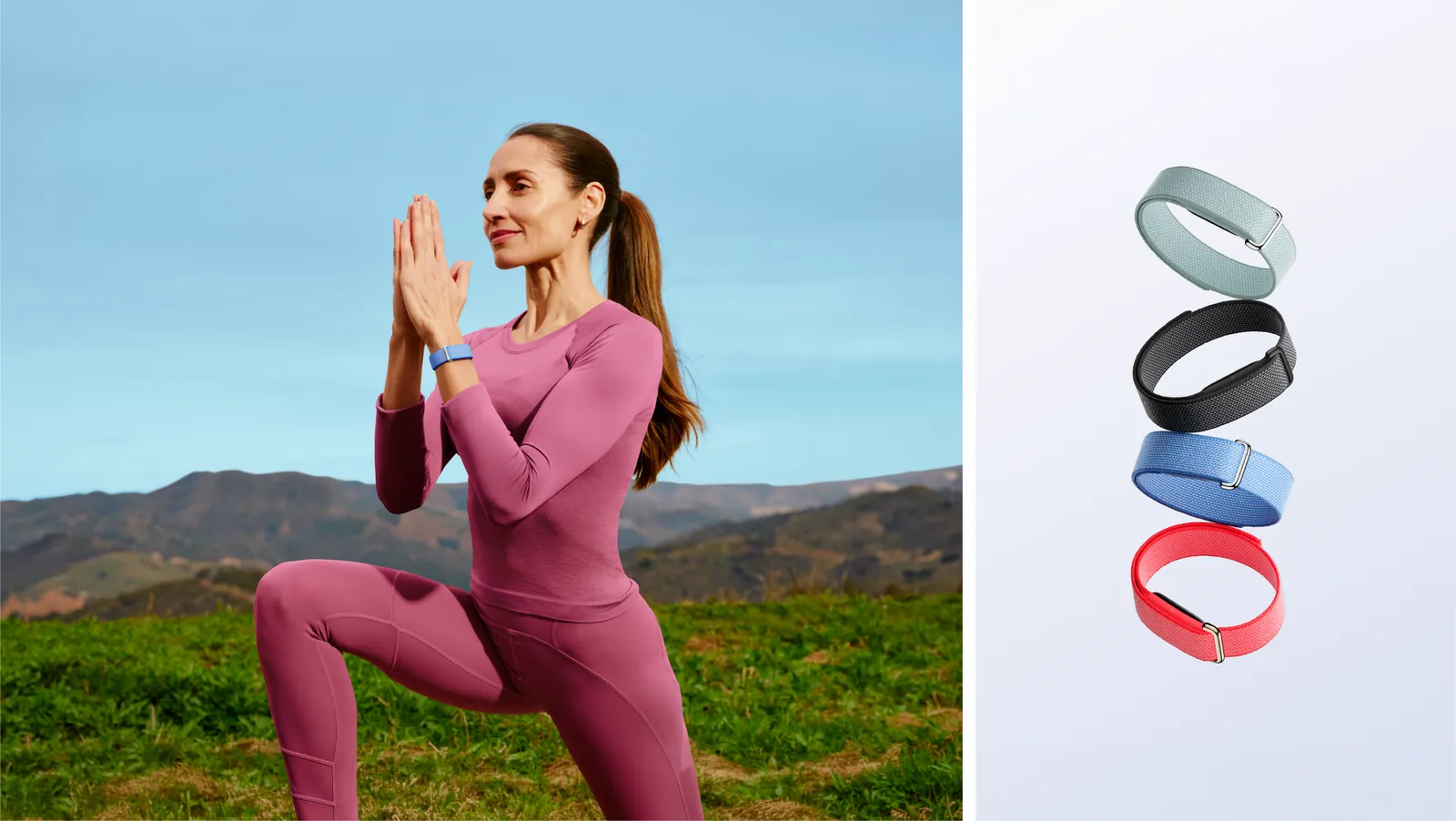
Fitbit Air vs Apple Watch SE is the entry-wearable comparison every UK buyer is running this week, with Google’s £84.99 Fitbit Air announced on 7 May 2026 directly challenging the £219 Apple Watch SE 3 at the low end of the wrist market. Google’s Store page lists the Fitbit Air at £79 (about $99.99) in the US with a three-month Google Health Premium trial, while the Apple Watch SE 3 still anchors the cheap-Apple-Watch line in the UK.
- Fitbit Air vs Apple Watch SE comparison: £84.99 vs £219 RRP, 7-day vs 18-hour battery, screenless pebble vs full smartwatch.
- Both ship AFib alerts, heart-rate monitoring, sleep tracking and SpO2; only Apple Watch SE 3 carries an always-on touchscreen and notifications display. Apple Watch SE 3 does not include the ECG app (Apple restricts ECG to Series 4 and later, excluding SE models).
- Fitbit Air pairs with Android 11+ and iOS 16.4+; Apple Watch SE 3 requires an iPhone 11 or later running iOS 26 or later.
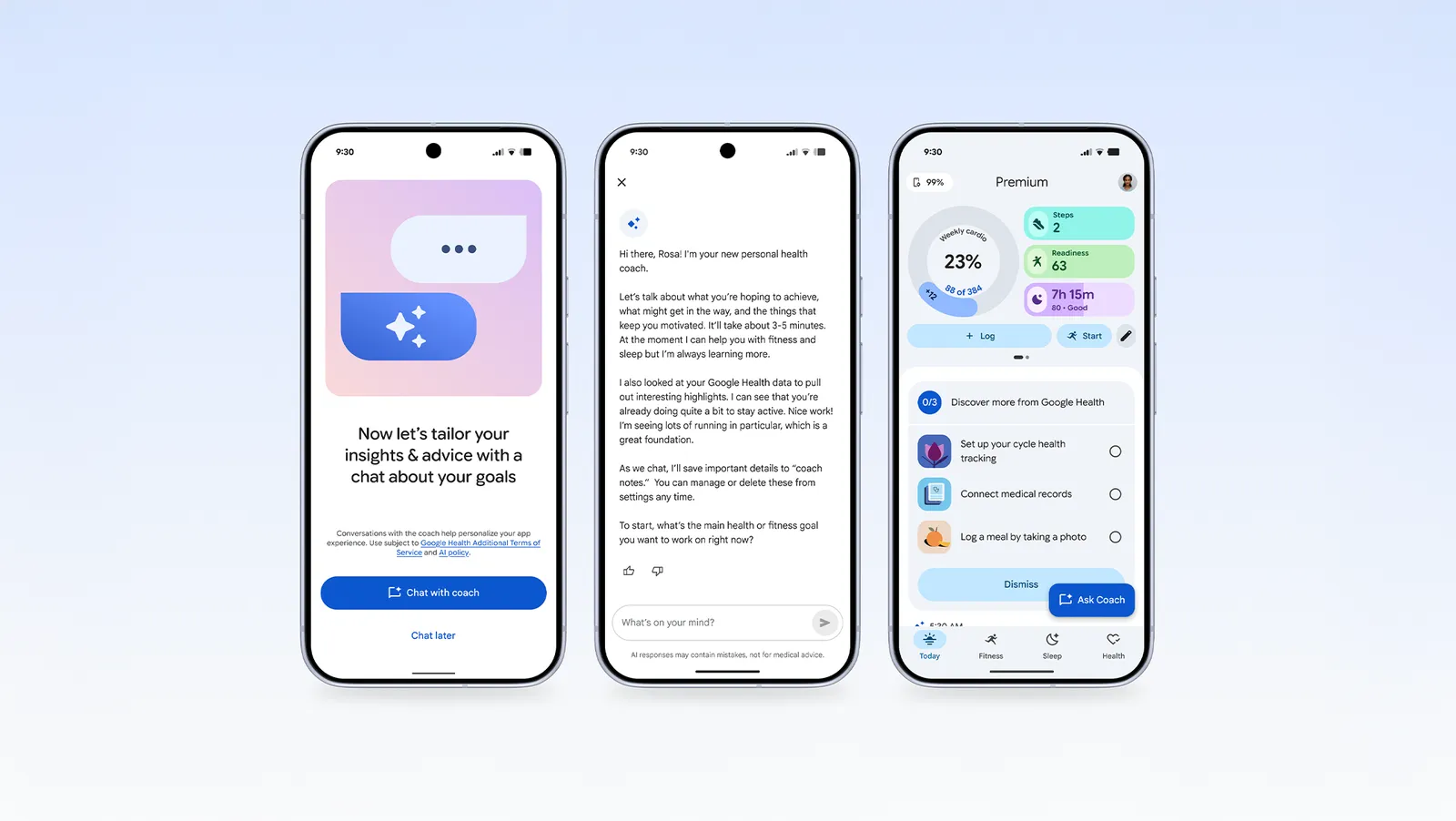
- Subscription stack: Google Health Premium £8.99/mo expected vs Apple Fitness+ £9.99/mo. Apple Watch works without subscription; Fitbit Air leans on Premium for full value.
- Fitbit Air on UK pre-order from 7 May 2026 with general release 26 May 2026; Apple Watch SE 3 available now. The Stephen Curry Special Edition (£105 (about $129.99)) is a limited US-only release on 26 May 2026.
Fitbit Air vs Apple Watch SE: the entry-wearable comparison that actually matters
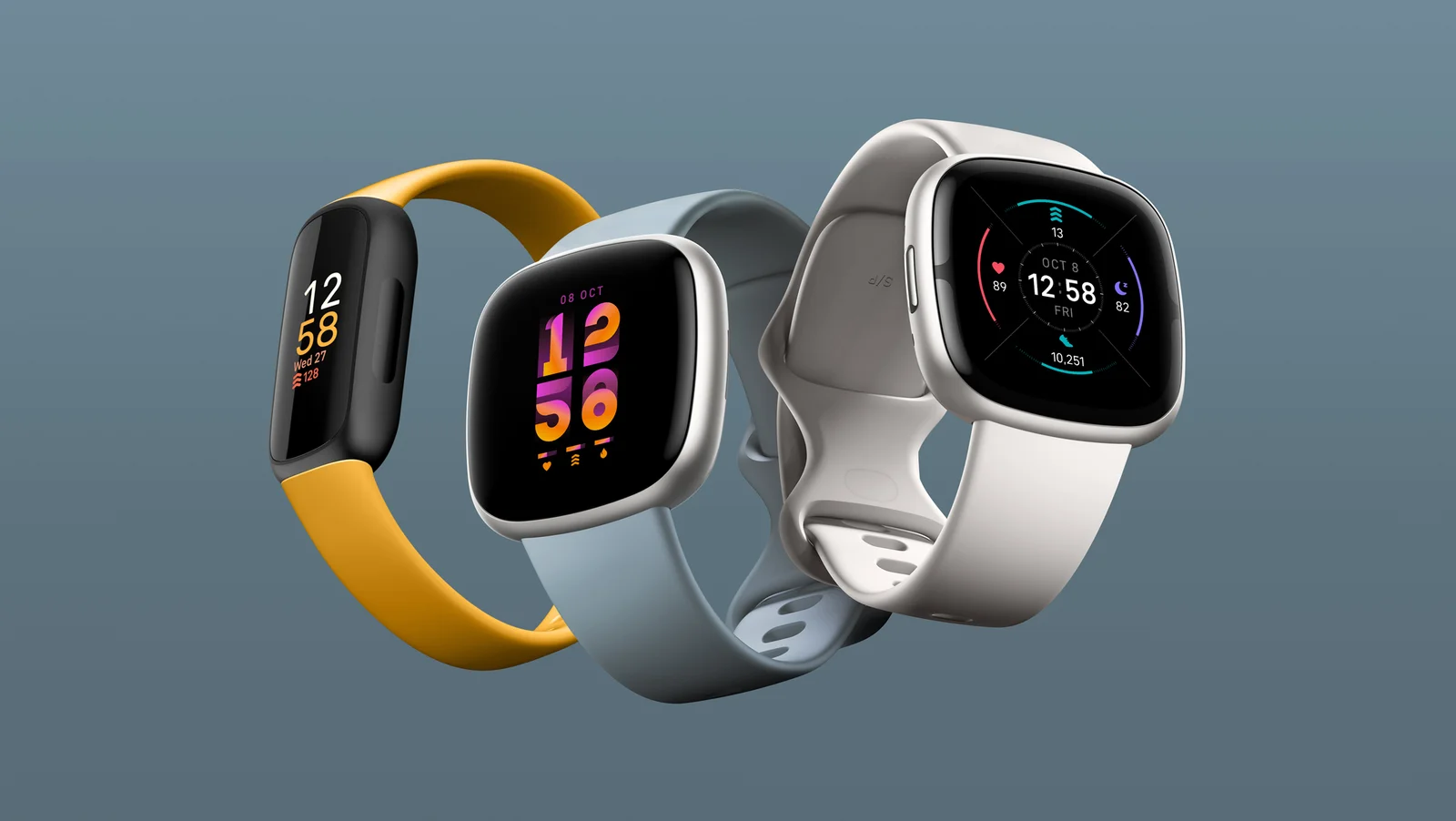
Fitbit Air vs Apple Watch SE is not really a head-to-head comparison; it is a question about what a wearable should be. Apple Watch SE 3 is a full smartwatch with an always-on Retina display in 40mm or 44mm aluminium cases, notifications, contactless payments, third-party apps, GPS, an emergency SOS feature and an 18-hour battery. Fitbit Air is a 5.2g screenless pebble that runs for a week between charges and exists to gather sensor data without ever showing you anything on the wrist. Both cover the core health sensors – heart rate, AFib alerts, SpO2, sleep stages – and both work with Premium subscriptions you can opt in or out of. Note that Apple Watch SE 3 does not include the ECG app: Apple restricts ECG to Series 4 and later, explicitly excluding SE models.
The roughly £134 price gap between Fitbit Air vs Apple Watch SE is the headline split. £84.99 buys you the Fitbit Air outright, a three-month Google Health Premium trial, and three swappable bands. £219 buys you an Apple Watch SE 3 case and one band; cellular bumps the price to £269. The simpler way to read that gap is by output: Apple Watch SE 3 is a notification surface on your wrist; Fitbit Air is a sensor on a strap. If you do not want a screen on your wrist, the comparison ends at the price. Pair this with our best fitness trackers under £200 round-up for the wider market context.
Fitbit Air vs Apple Watch SE: who each device is actually for
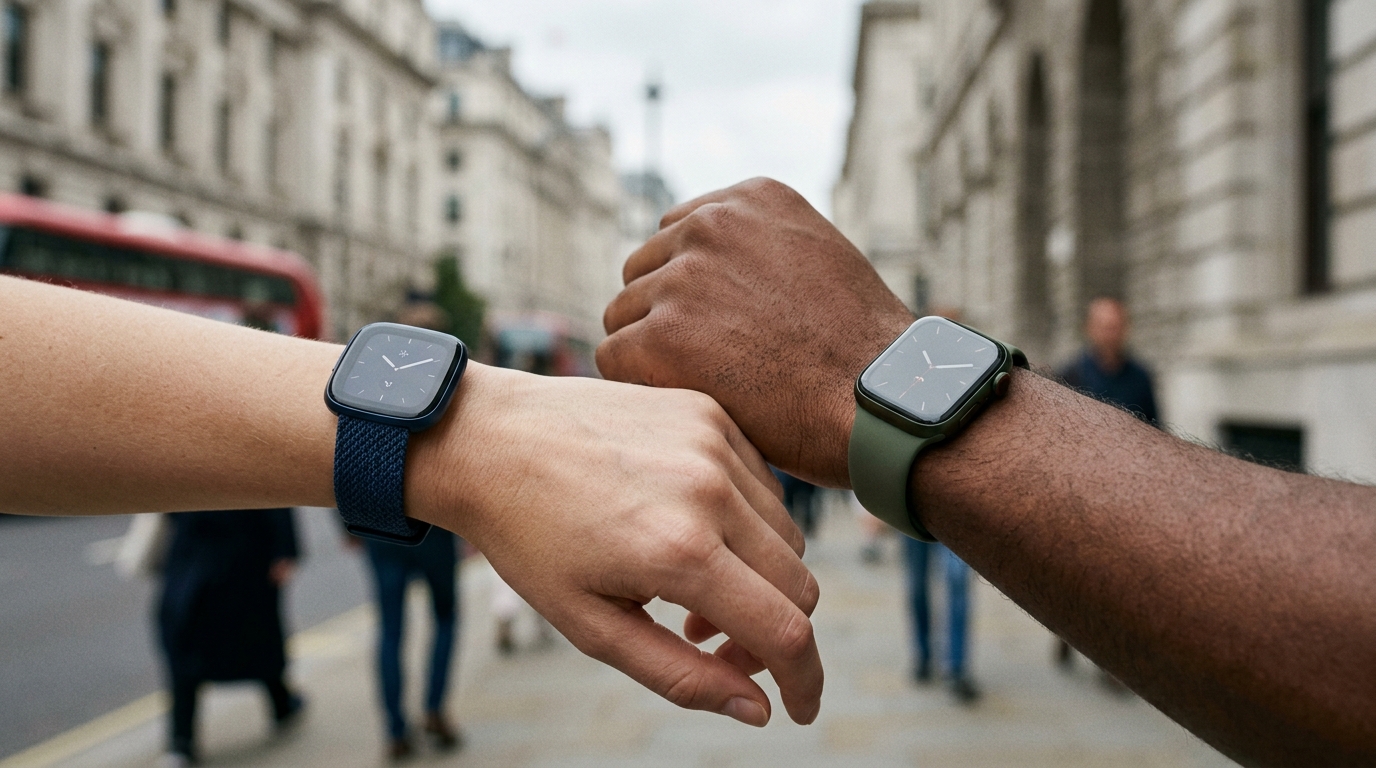
Fitbit Air vs Apple Watch SE splits cleanly by user profile. The Fitbit Air is built for the person who already has a phone in pocket, wants 24/7 health sensing without another notification surface on their wrist, and is happy to read their data once a day in an app. That includes WHOOP refugees, runners who want sleep and recovery scoring without a chunky chronograph, and anyone who has tried an Apple Watch and bounced off the constant taps. The Fitbit Air’s swappable bands let it disappear under a sleeve or a watch on the opposite wrist – that is the point.
Apple Watch SE 3 is built for the person who wants the smartwatch experience at the cheapest defensible Apple price. That includes parents handing a first watch to a teen, iPhone owners switching from a Fitbit Charge or Garmin Forerunner, and anyone who values contactless Apple Pay, on-wrist notifications and a Siri button. Apple Watch SE 3 is the obvious answer if you already live inside the Apple ecosystem – and the Apple Watch Series 11 vs Galaxy Watch 7 comparison shows where the rest of the ladder sits. iPhone users considering the Fitbit Air specifically should note iOS 16.4+ compatibility means almost every recent iPhone qualifies.
Fitbit Air vs Apple Watch SE: spec by spec
| Spec | Fitbit Air | Apple Watch SE 3 |
|---|---|---|
| UK price | £84.99; Stephen Curry edition $129.99 (US-only) | From £219 GPS / £269 GPS + Cellular |
| Display | None (screenless pebble) | Always-On Retina, 40mm or 44mm case |
| Battery | Up to 7 days | Up to 18 hours typical / up to 32 hours Low Power Mode |
| Heart rate, AFib alerts, SpO2 | Yes | Yes |
| HRV and sleep stages | Yes | Yes |
| ECG | No | No (Apple restricts ECG to Series 4 and later, excluding SE) |
| GPS | No (phone-connected) | Yes (built-in) |
| Contactless payments | No | Apple Pay |
| Notifications on wrist | No | Yes |
| Phone compatibility | Android 11+ and iOS 16.4+ | iPhone 11 or later, iOS 26 or later |
| Subscription | Premium £8.99/mo (3 months free) | Optional Fitness+ £9.99/mo |
| Water resistance | 5 ATM (50m) | 5 ATM (50m) |
| Weight | 5.2g (12g with band) | 32-36g |
Fitbit Air vs Apple Watch SE: which UK buyers should pick
The MTW pick depends on whether you want a smartwatch or a sensor. If your priority is health data with the smallest possible device on your wrist and a week of battery life, the Fitbit Air is the right buy. £84.99 is a lower entry than any meaningful smartwatch and the Google Health Premium bundle gives you a coach-style experience for the first three months without further commitment. The Fitbit Air also dodges the “I forgot to charge my watch overnight” problem that still hurts every smartwatch including Apple Watch SE 3. Pair this with our Fitbit Air UK launch piece for the deeper hardware breakdown.
If your priority is a wrist computer with payments, notifications, GPS and a real display, Apple Watch SE 3 remains the best entry to the wider Apple Watch ecosystem. AFib alerts are present on both devices; if you specifically need the ECG app you must step up to Apple Watch Series 11 or Ultra 3, because Apple explicitly excludes the ECG feature from SE models. Contactless Apple Pay is the daily-use feature most owners cite. Apple’s Activity rings and the Fitness+ catalogue are also more visually motivating for users who need a coach on their wrist rather than in an app. The compromise is battery and the price premium over the Fitbit Air.
The third option worth flagging is to own both. A Fitbit Air on the non-dominant wrist for sensor data plus an Apple Watch SE 3 or Pixel Watch on the dominant wrist for notifications is a setup we have seen across athletes and busy professionals in 2026. The Fitbit Air’s slim form factor and 5.2g weight is the lowest-friction “second tracker” any household has had access to. For most readers that is overkill; for runners and shift workers who care about sleep and recovery data without giving up a regular watch, it makes more sense than it sounds. The best wireless earbuds for running guide is a useful companion read.
MTW verdict
Fitbit Air vs Apple Watch SE is settled by what you want on your wrist. Buy the Fitbit Air if you want sensor data with no screen and a week of battery for £84.99. Buy the Apple Watch SE 3 if you want a smartwatch with notifications, payments and a full Retina display for £219; if ECG is non-negotiable, step up to Series 11 or Ultra 3 because Apple excludes ECG from the SE line. WHOOP customers should treat the Fitbit Air as the genuine alternative they have been waiting for; iPhone owners on a budget with an iPhone 11 or later running iOS 26 should still pick Apple Watch SE 3.
Buyer action
Where to buy or check next
Use this as the final check before ordering a phone, changing network or trusting a headline monthly price.


Reader discussion
Leave a comment
Comments are moderated. Keep it useful, accurate, and on topic.