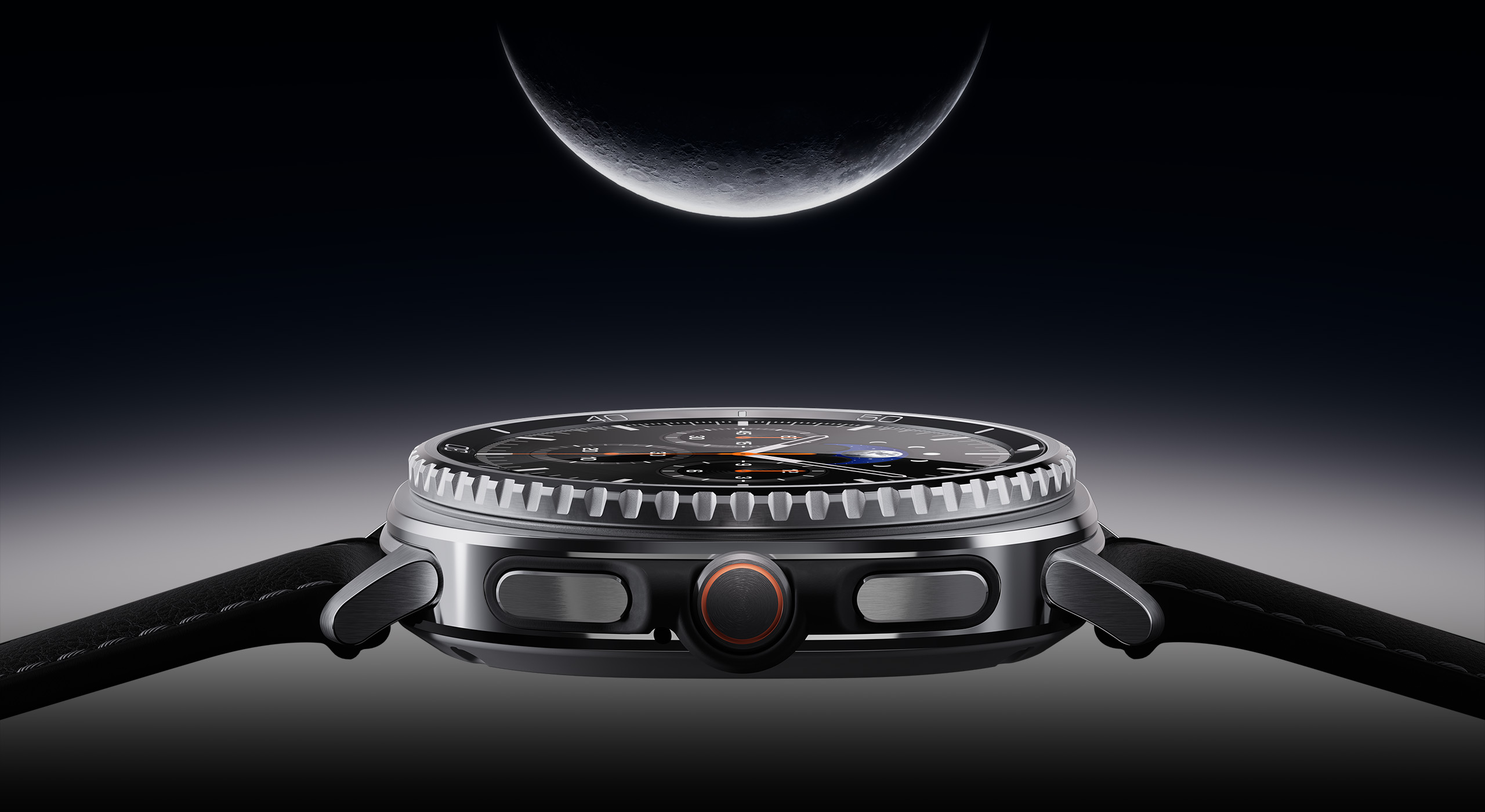
Choosing a smartwatch in 2026 means picking a side, or at least picking the watch that works best with your phone. The Apple Watch Series 11 and Samsung Galaxy Watch 7 are the two dominant players in the mainstream smartwatch market, each offering compelling health features, polished software, and tight integration with their respective ecosystems. But which one deserves your wrist? We break it all down.
Apple Watch Series 11: Contents
- Design and Display
- Health and Fitness Sensors
- Software and App Ecosystem
- Compatibility: The Deciding Factor
- Pricing
- The Verdict
Design and Display
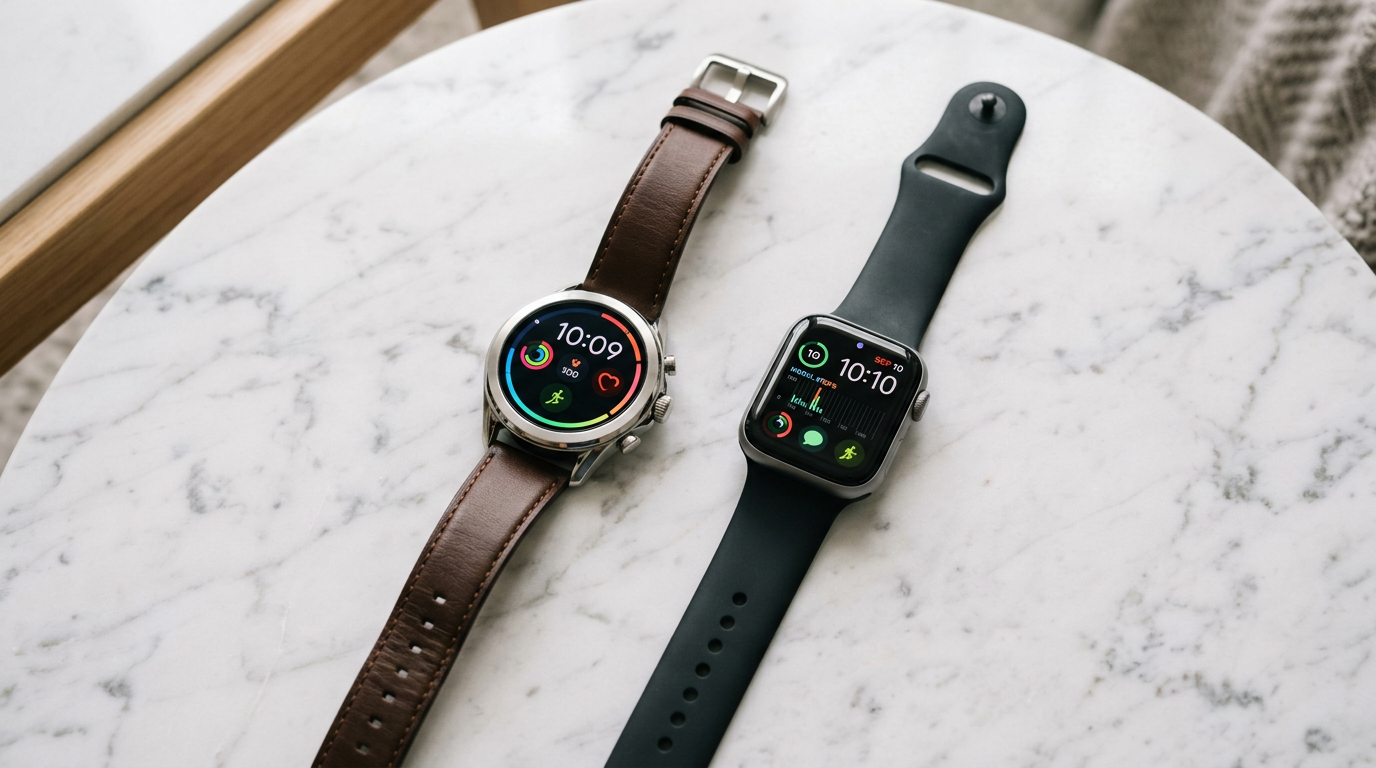
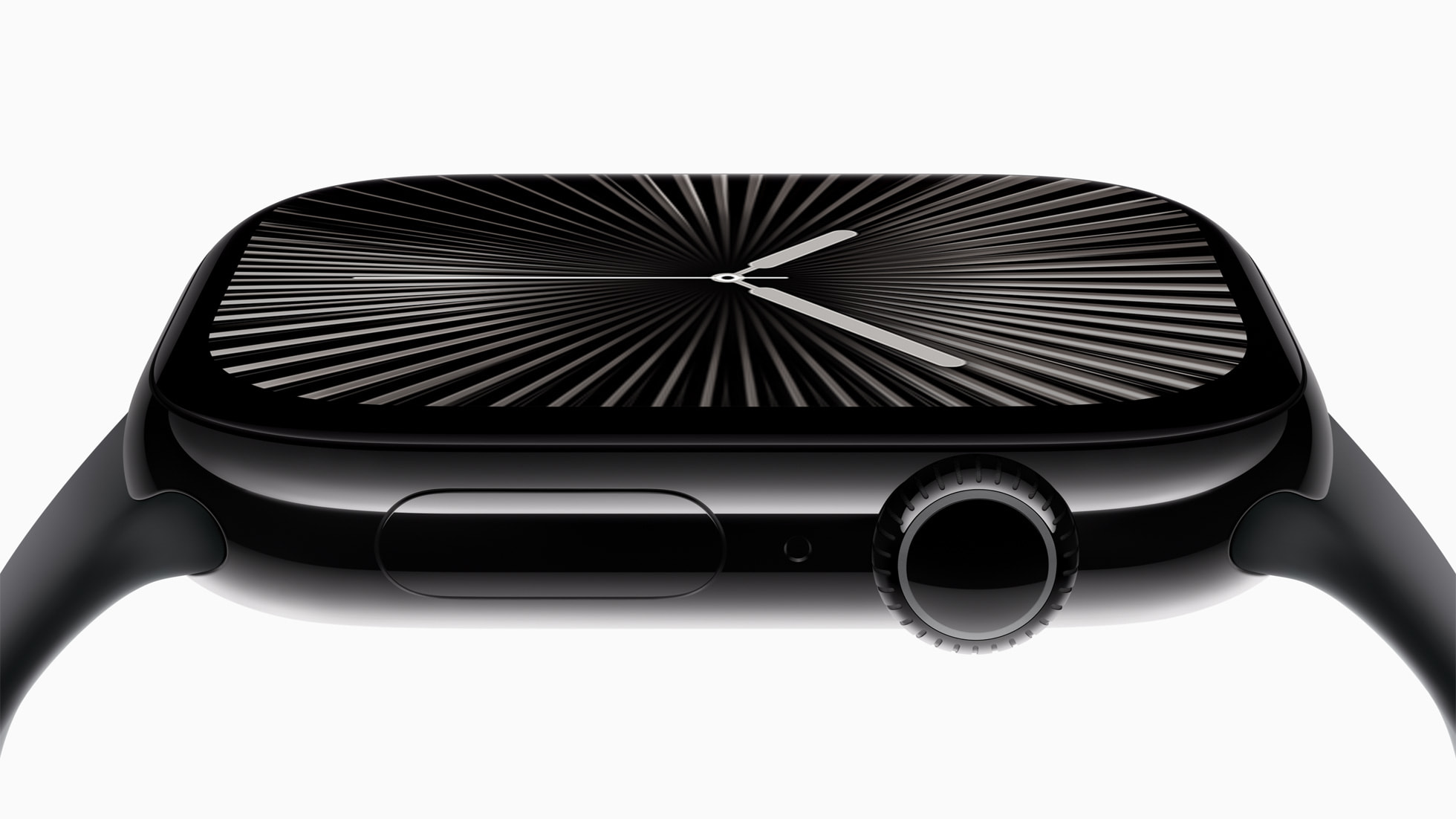
Apple has refined its iconic rectangular form factor with the Series 11, retaining the same 42mm and 46mm case sizes introduced with the Series 10. The always-on OLED display peaks at 2,000 nits in sunlight and drops to a single nit in the dark, making it genuinely readable in direct sunlight while unobtrusive at night. The case options include aluminium and titanium, with sapphire crystal and IP6X dust protection.
Samsung’s Galaxy Watch 7 sticks with the circular design that Android fans tend to prefer, and it remains one of the best-looking smartwatches you can buy. The 40mm and 44mm sizes suit most wrists, and the Super AMOLED panel delivers vibrant colours with a 2,000-nit peak brightness. Samsung has slimmed the bezels slightly this generation, giving the display more visual impact. Both watches are comfortable for all-day wear, though the Galaxy Watch 7’s circular face arguably looks more like a traditional timepiece.
Health and Fitness Sensors
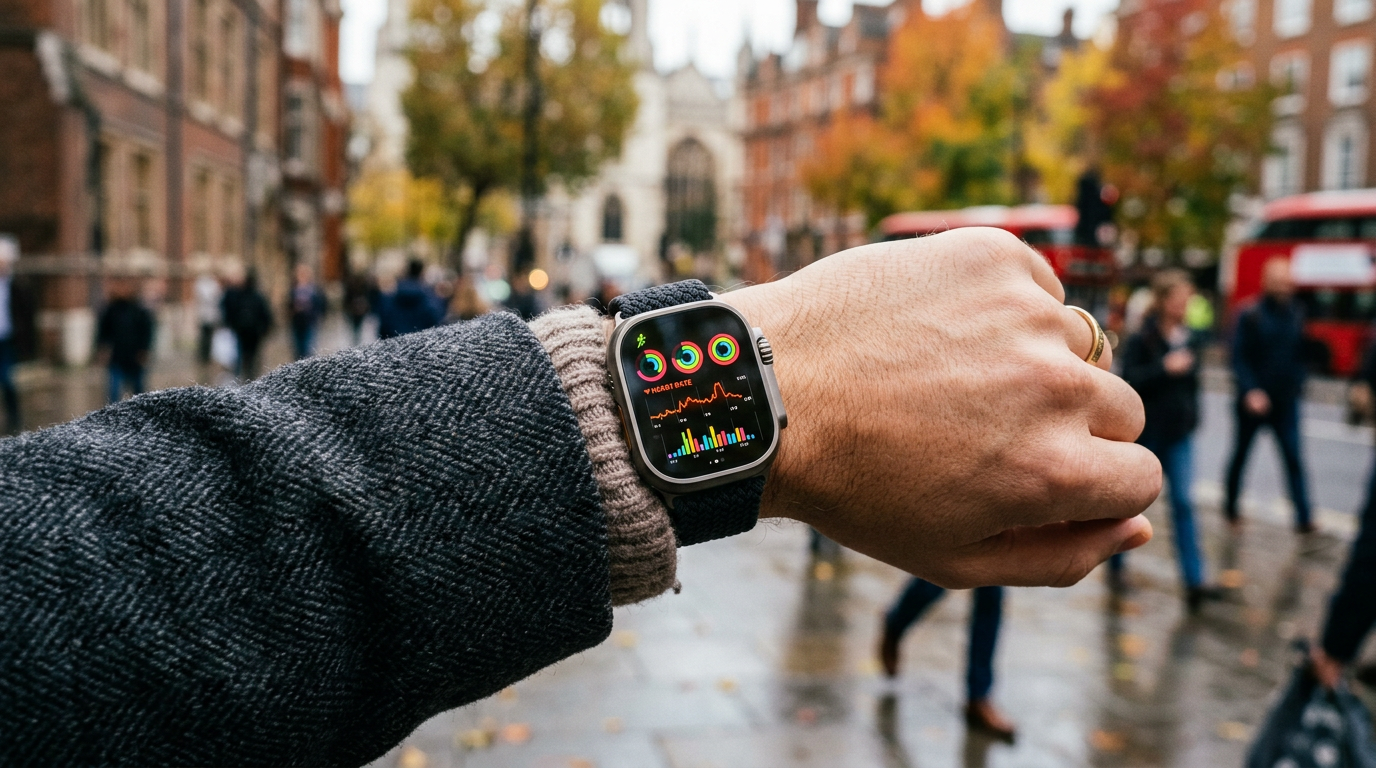
This is where the two watches have meaningfully diverged. Samsung’s headline feature is blood pressure monitoring, which debuted on the Galaxy Watch 5 and has been refined on the Watch 7 with its new BioActive sensor (13 heart-rate LEDs versus six on the Watch 6). Calibration still requires a traditional cuff and periodic re-calibration, but once set up, readings are consistent enough to be useful for anyone tracking hypertension or cardiovascular health.
Apple has countered on the Series 11 with hypertension notifications, a 30-day passive detection system that flags signs of chronic high blood pressure, alongside new sleep score metrics and continuous wrist-based temperature trends. The Workout Buddy feature, powered by Apple Intelligence, offers real-time coaching during workouts. Both watches offer ECG readings, heart rate monitoring, fall detection, and crash detection.
For fitness tracking, both are excellent. Apple’s Workout app and Activity Rings remain brilliantly motivating, while Samsung’s integration with Samsung Health provides detailed body composition estimates and granular sleep stage analysis. Both ship with dual-band GPS in 2026, so urban-canyon tracking is similar on either watch.
Software and App Ecosystem
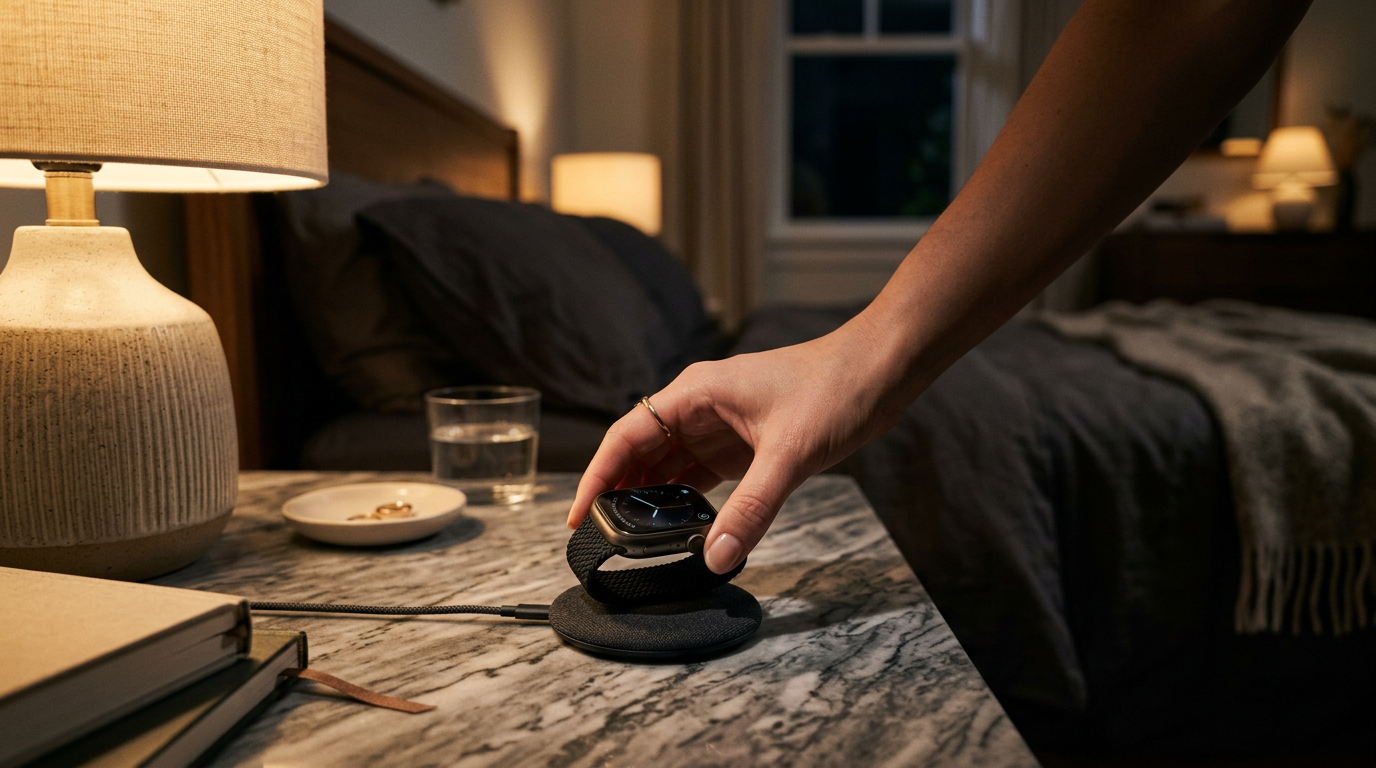
Wear OS 5 with One UI Watch 6 on the Galaxy Watch 7 has improved dramatically since Samsung and Google joined forces. Google Maps, Google Wallet, and the Play Store give it a solid foundation, and Samsung’s own apps like Samsung Pay and Samsung Health are well optimised. The app selection still trails watchOS, but the gap is narrowing. The touch-based rotating bezel remains one of the best navigation methods on any smartwatch.
If you already own other Samsung devices, the Galaxy Watch 7 integrates beautifully with your phone, tablet, and even Samsung TVs. Similarly, the Apple Watch works best within the Apple ecosystem, pulling in data from your iPhone, iPad, and Mac. You can read more about how health monitoring works in practice in our Apple Watch health monitoring setup guide.
Compatibility: The Deciding Factor
Here is the hard truth that overrides almost every other consideration. The Apple Watch Series 11 only works with iPhones. If you have an Android phone, it is simply not an option. The Galaxy Watch 7 works with any Android phone, though you get the best experience with a Samsung device, as some features like blood pressure monitoring and ECG are restricted to Samsung phones in certain regions.
This compatibility lock means that for many buyers, the decision is already made by the phone in their pocket. If you are comparing both watches because you are flexible on ecosystem, consider which phone platform you prefer first. For a broader look at the wearable landscape, see our Pixel Watch 3 vs Galaxy Watch 7 comparison and our roundup of the best fitness trackers under £100.
Pricing and Value
The Apple Watch Series 11 starts at around £399 for the 42mm aluminium model in the UK. The Samsung Galaxy Watch 7 starts at around £289 for the 40mm Bluetooth model. Samsung’s lower entry price makes it the more accessible option, particularly if you do not need the cellular variant. Adding cellular connectivity brings the Galaxy Watch 7 to around £339, while the Apple Watch Series 11 with cellular starts at roughly £499.
The Verdict
If you own an iPhone, the Apple Watch Series 11 is the best smartwatch you can buy. Its health features, app ecosystem, and seamless integration are unmatched. If you own a Samsung or Android phone, the Galaxy Watch 7 is the obvious choice, offering excellent value, better battery life, and unique features like blood pressure monitoring. Neither watch is objectively better; they are both outstanding, and the right one for you is almost certainly the one that works with your phone.
Final verdict
Apple Watch Series 11 vs Galaxy Watch 7 compared: design, health sensors, battery life, apps, and pricing. Find out which 2026 smartwatch suits your phone.
How we compare
Buyer action
Where to buy or check next
Use this as the final check before ordering a phone, changing network or trusting a headline monthly price.




Reader discussion
Leave a comment
Comments are moderated. Keep it useful, accurate, and on topic.