UPDATED · News · 22 Mar 2026 · Claire Bennett
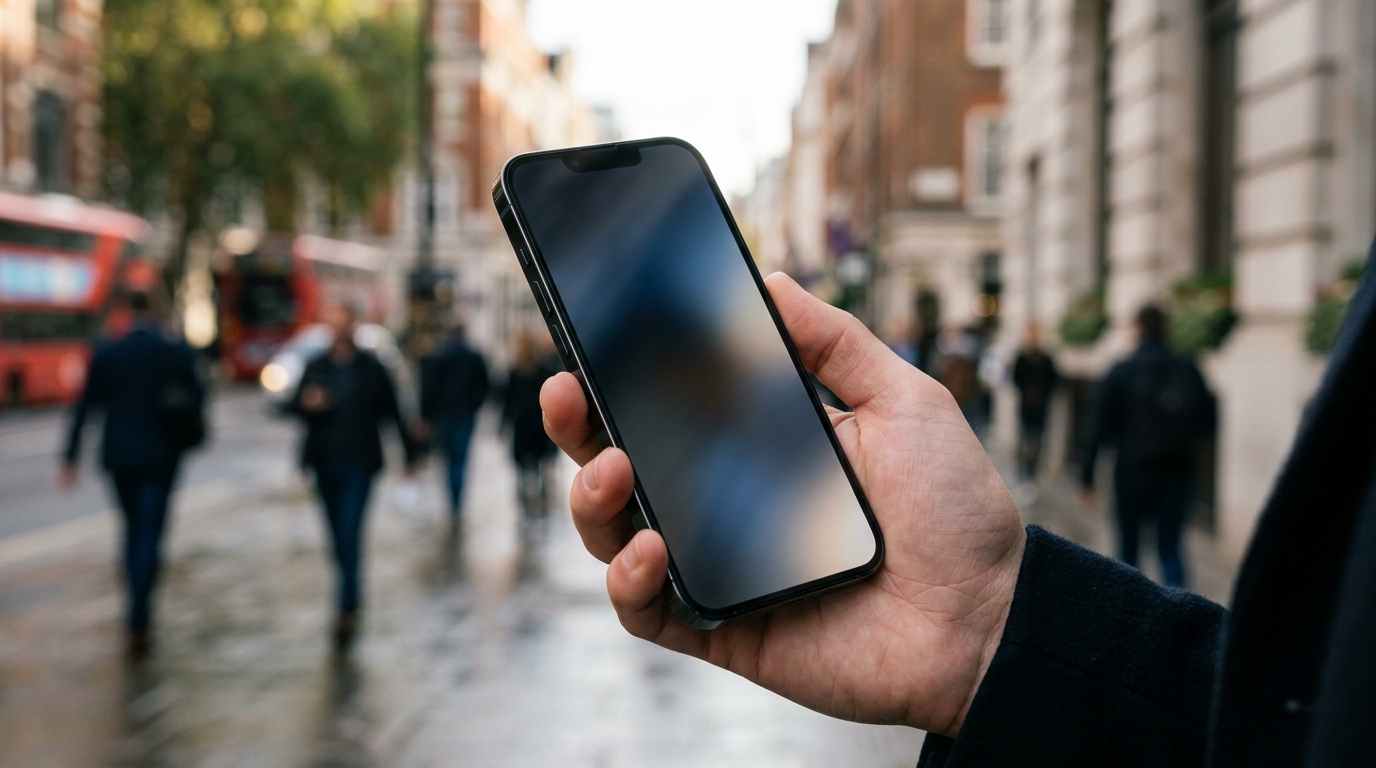
Carl Pei wants apps to evolve, but he doesn’t think they are going to. He thinks they are going to disappear. Speaking to an audience at SXSW in Austin on March 18, the co-founder of OnePlus and CEO of Nothing made one of the boldest predictions anyone has made from a smartphone stage in years: “Apps are going to disappear. If you are a founder or a startup and your app is where your core value lies, that will be disrupted, whether you like it or not.
What Happened
- The specific problem Pei is solving
- Why Nothing is betting on MCP over screen automation
- Nothing’s actual roadmap: Essential Apps and a custom OS
- The competitive context Nothing is entering
- What to make of it if you own a phone today
Pei is not a fringe voice. Nothing has shipped more than 5.1 million devices since launching in 2021, and in September 2025 closed a £160 (about $200) million Series C led by Tiger Global at a £1 (about $1.3) billion valuation. It is now developing its own operating system, not a fork of Android, but a ground-up OS designed around AI agents rather than app icons. The question worth asking is not whether Pei is right in principle. The question is whether Nothing can actually build it.
The specific problem Pei is solving
The friction argument Pei makes at SXSW is concrete, not abstract. Making coffee plans with a friend today requires a messaging app to agree on a time, a maps app to find somewhere nearby, a ride-hailing app to get there, and a calendar app to block it out. That is four interfaces, four login states, and four context switches for a single low-stakes social task. As Pei told TechCrunch, a future agent could collapse that into a single instruction.
Why Nothing is betting on MCP over screen automation
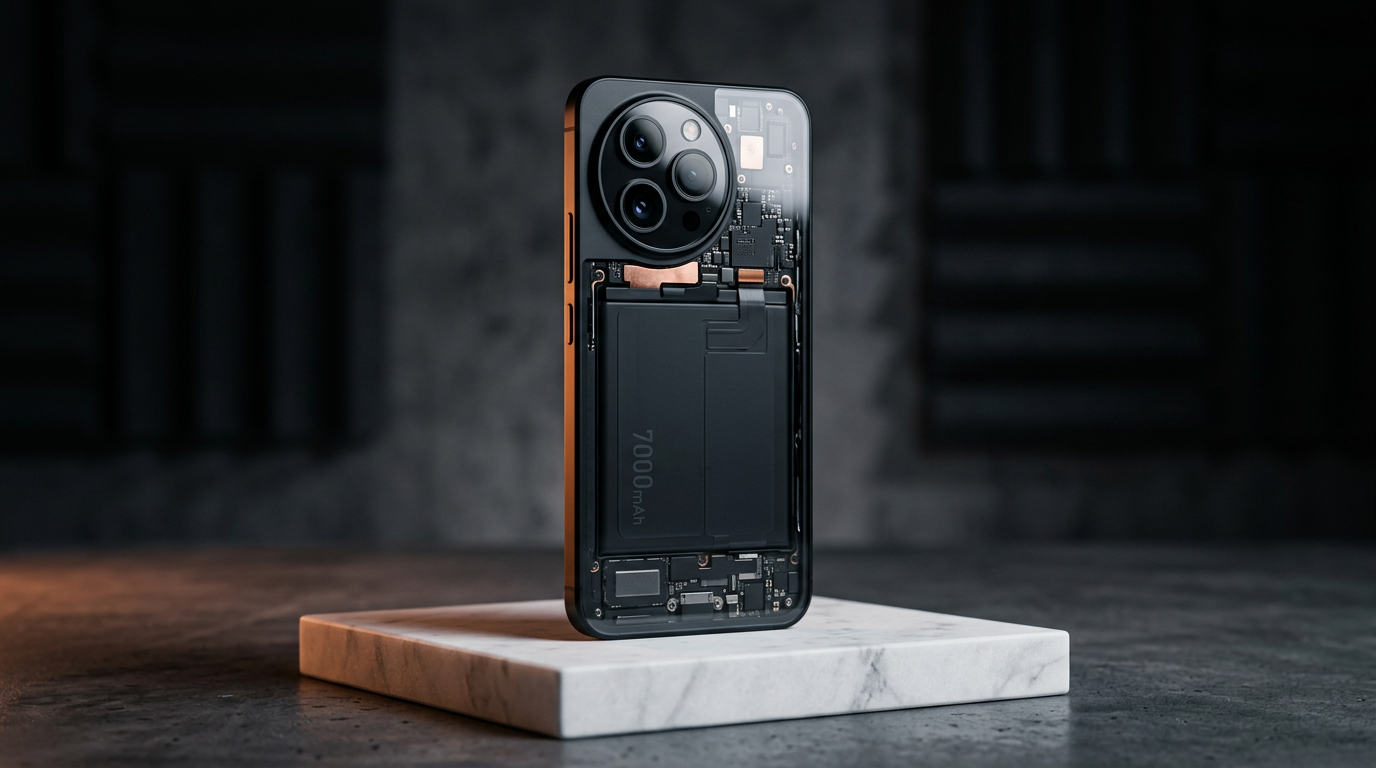
Pei’s technical answer is to build on Anthropic’s Model Context Protocol (MCP), which would let agents interact with services at machine speed through structured data, faster, more reliable, and less error-prone than screen automation. As we noted in our comparison of on-device versus cloud AI trade-offs, reducing round-trip latency is one of the biggest unsolved problems in phone AI. Agent-to-API communication would cut it significantly.
Nothing’s actual roadmap: Essential Apps and a custom OS
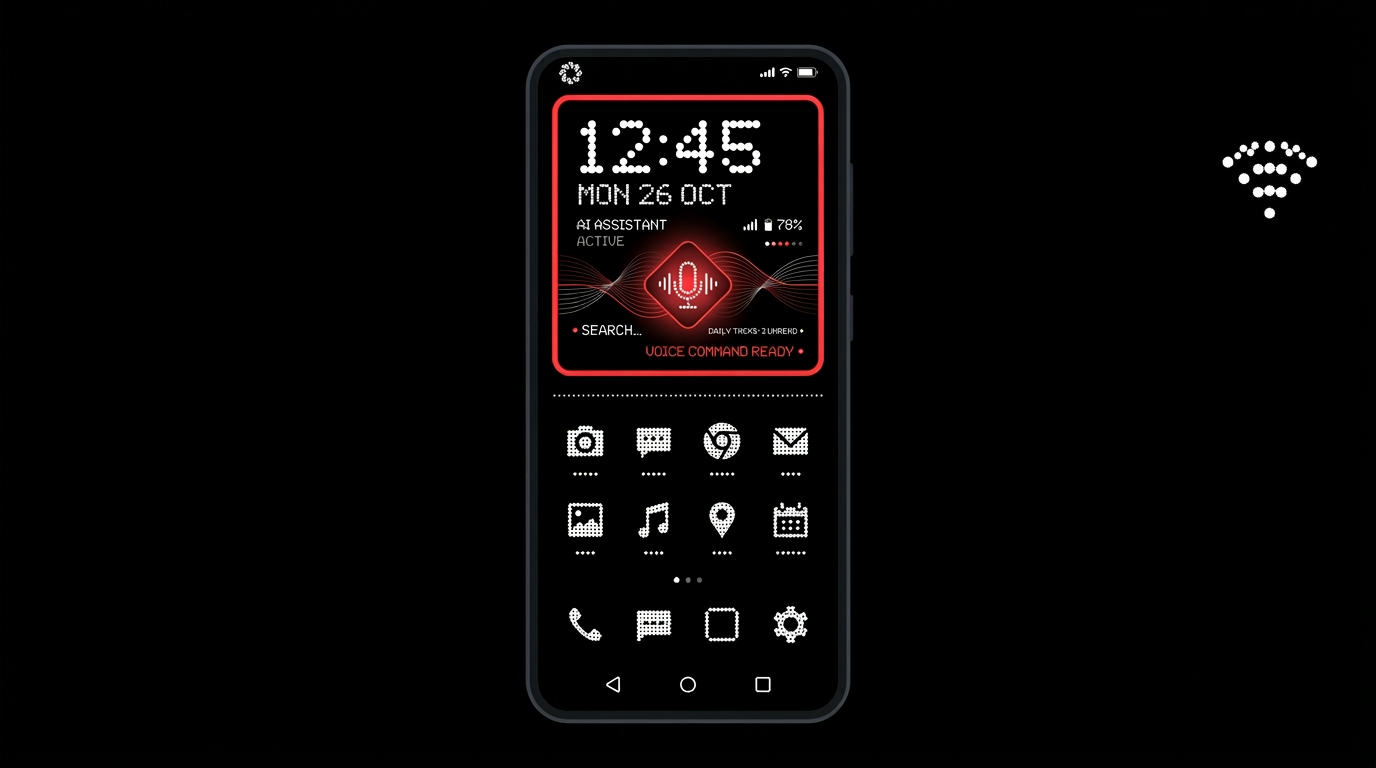
The gap between that vision and the Nothing Phone (3) currently on sale is real. Today’s device runs stock Android with a conventional app launcher. The Glyph Matrix notification system is distinctive hardware, but it is still framing conventional app notifications in a slightly different way. The phone that runs Pei’s described OS does not exist yet.
The competitive context Nothing is entering
Nothing is making this bet while several companies with far larger resources are moving in the same direction. Amazon’s leaked Transformer smartphone project positions Alexa as a replacement for the app store entirely. Samsung has set a target of 800 million Gemini-equipped Galaxy devices by the end of 2026. Apple is investing heavily in on-device model infrastructure across its entire device line.
What to make of it if you own a phone today
Pei’s timeline , meaningful OS change in five years, app obsolescence in seven to ten , means none of this affects a phone you buy in 2026. The Galaxy S26 Ultra, Pixel 10, and OnePlus 15T will all run traditional apps for their entire useful lives.
What the Nothing thesis does affect is which hardware capabilities to prioritise now. The phones that will adapt best to an agent-driven future are the ones with the strongest NPU processing headroom, the longest software support windows, and manufacturers actively investing in on-device model development. The AI features worth using today , call summaries, live translation, intelligent search , are the earliest functional versions of the agent layer Pei is describing. A phone that handles them well is the most sensible bet available right now, regardless of which OS ends up winning the next decade.
Nothing’s SXSW remarks were first reported by TechCrunch and expanded in a subsequent interview with 9to5Google. All direct quotes in this piece are drawn from those primary sources.
Why a third phone OS in 2026 is harder than it sounds
Two companies have built credible alternative phone operating systems in the last decade and both eventually buckled under the same problem: developers will not write a third version of an app for a platform with single-digit market share. Carl Pei knows this , he watched it happen to Cyanogen, Sailfish and Windows Phone in real time. Anything Nothing builds has to start by being aggressively compatible with the millions of Android apps people already own.
The more interesting bet is what a Carl Pei phone OS strips out, not what it adds. The current Nothing OS already kills a lot of stock Android’s autoplay video clutter and notification noise, and that is the bit users notice on day one. A full operating system gives the team room to rethink the share sheet, the keyboard and the default browser , all the surfaces Google has held tightly for a decade.
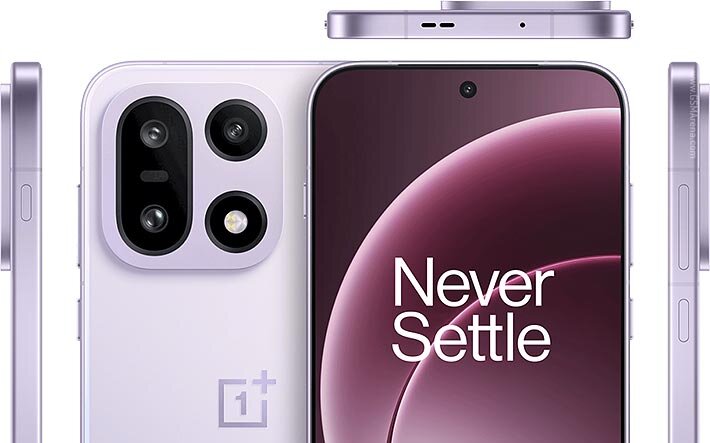
The risk is that Pei mistakes a clean launcher for a clean OS. Android’s biggest pain points in 2026 are background battery drain on cheap chipsets, the slow death of small phones and the fact that updates still ship on a manufacturer’s whim. A new OS that fixes none of those would be a marketing exercise. One that nails even two of them would be the most interesting Android fork since OxygenOS in its prime.
Buyer action
Where to buy or check next
Use this as the final check before ordering a phone, changing network or trusting a headline monthly price.


Reader discussion
Leave a comment
Comments are moderated. Keep it useful, accurate, and on topic.