UPDATED · News · 22 Mar 2026 · Hannah Foster
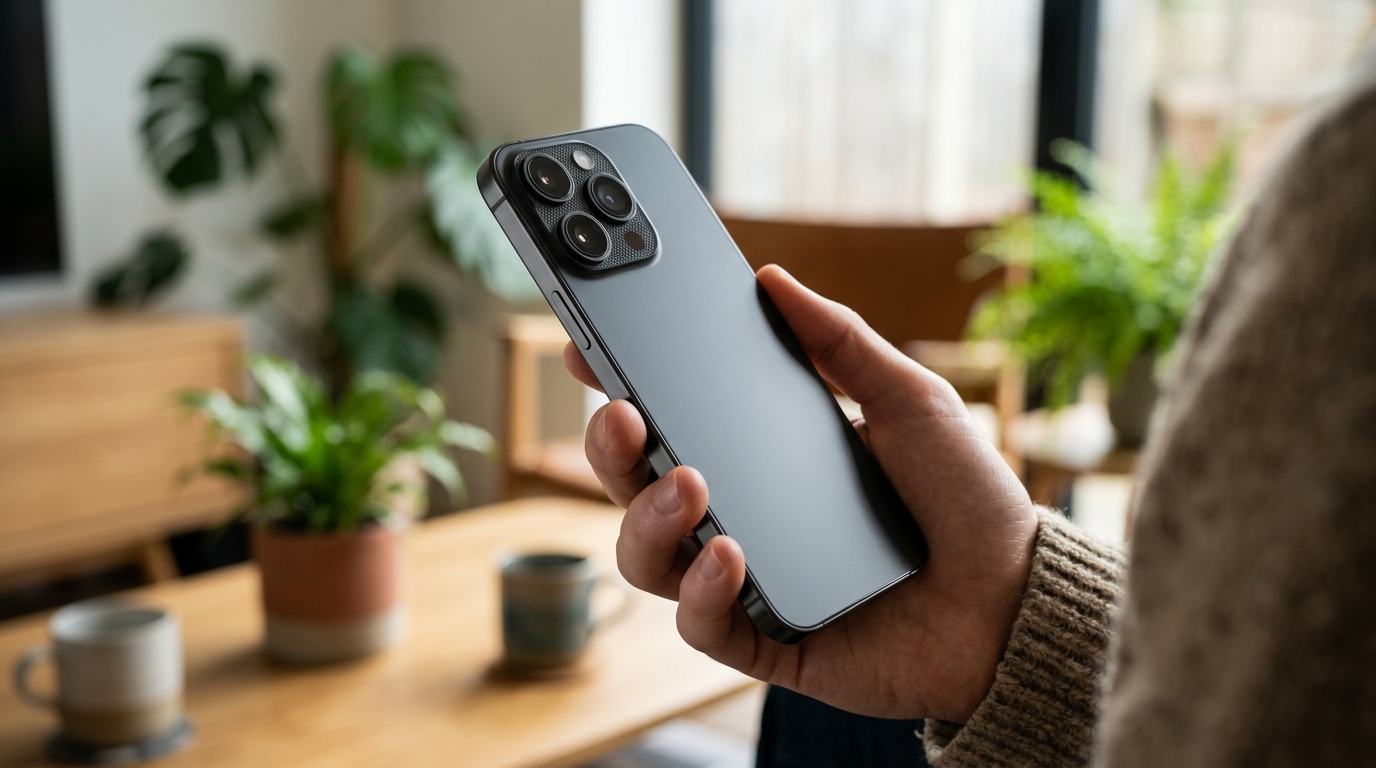
Amazon is building a phone again more than a decade after the Fire Phone flopped, and that alone should make the industry nervous. This time the company is not trying to out-iPhone Apple. The Transformer project is reportedly an AI-first handset that would put Alexa, Amazon’s shopping graph and task automation ahead of the traditional app grid.
What Happened
- What is Amazon’s Transformer project?
- Two device concepts under consideration
- Why the Fire Phone still haunts this story
- Why Amazon thinks 2026 is different
- How this fits the wider AI-phone shift
- What buyers should take from this
What is Amazon’s Transformer project?
The reporting, pushed into the open on 20 March 2026 by TechCrunch off the back of a Reuters scoop, points to a handset being developed inside Amazon’s ZeroOne hardware group. That team is led by J Allard, the former Microsoft executive best known for Xbox and Zune, and the brief reportedly centres on breakthrough consumer devices rather than safe me-too hardware.
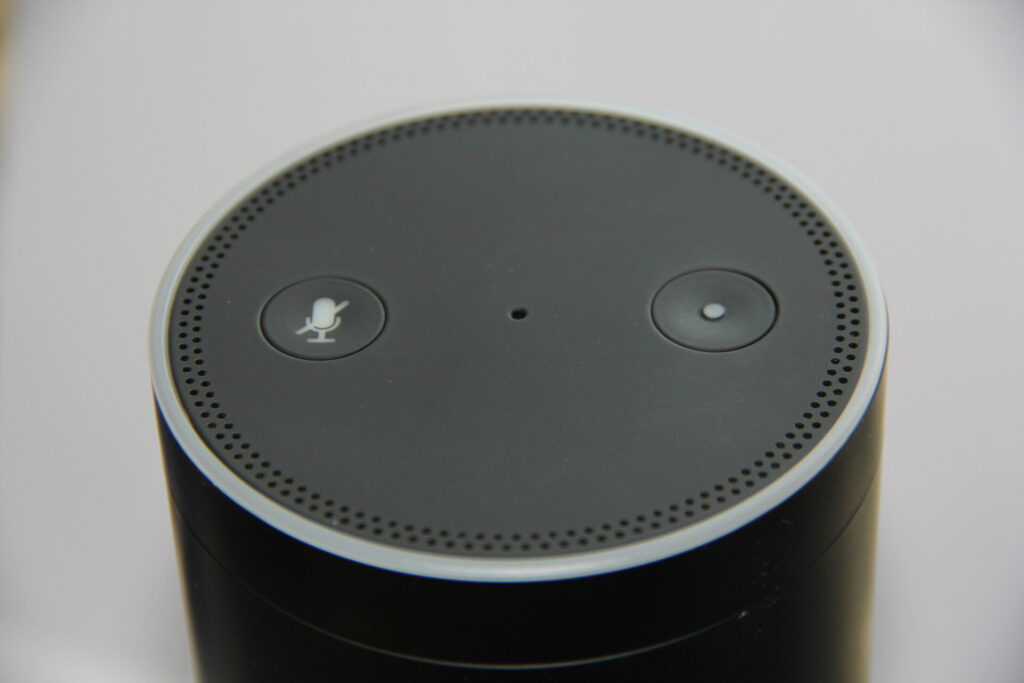
That matters because Amazon does not need to win a beauty contest against Samsung or Apple. It needs a device that makes Alexa, subscriptions, shopping, smart-home control and AI task completion feel faster than opening a folder full of apps. If Transformer is real, the real bet is not hardware glamour. It is interface disruption.
Two device concepts under consideration
Reports suggest Amazon has explored at least two directions: a more conventional touchscreen slab and a more radical, pared-back concept aimed at people worried about screen addiction, where AI handles the heavy lifting and the interface fades into the background. That second idea sounds strange until you remember how many smartphone tasks are already becoming prompt-driven rather than app-driven. Instead of tapping a native Uber or Grubhub app, a user would reportedly be able to say “order my usual Thai food and queue something on Prime Video” and let AI agents hit the APIs on their behalf.
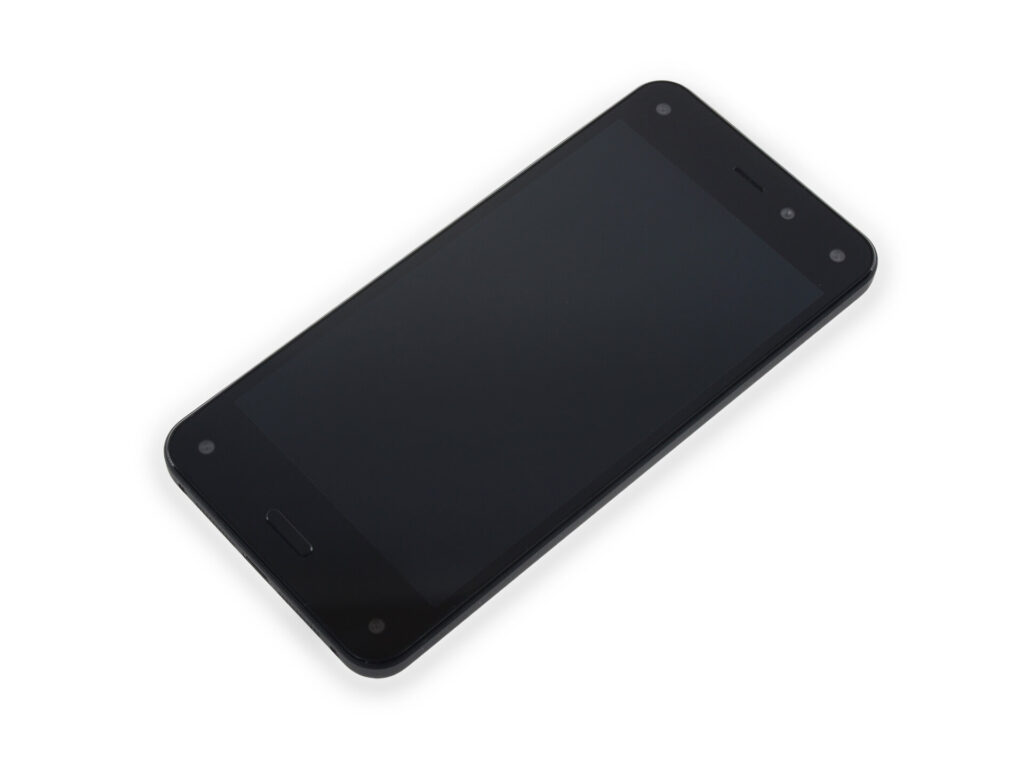
This is where Amazon could try to be clever. A phone that is deeply wired into Alexa, Amazon Shopping, Prime Video, Audible, Ring and the wider smart-home stack does not need to copy the iPhone home screen to feel useful. It needs to reduce friction and make repeated tasks feel automatic.
Why the Fire Phone still haunts this story
Amazon’s first phone failed for brutally simple reasons. The Fire Phone launched on 25 July 2014 as an AT&T exclusive at £155 (about $199) for 32 GB (and £235 (about $299) for 64 GB) on a two-year contract, leaned hard on gimmicks like Dynamic Perspective, and arrived with an anaemic app catalogue compared with Android and iOS. Within weeks the on-contract price had been slashed to 99 cents and Amazon took a £135 (about $170) million charge, primarily related to unsold Fire Phone inventory and supplier commitments. That is not a footnote. It is a warning label.
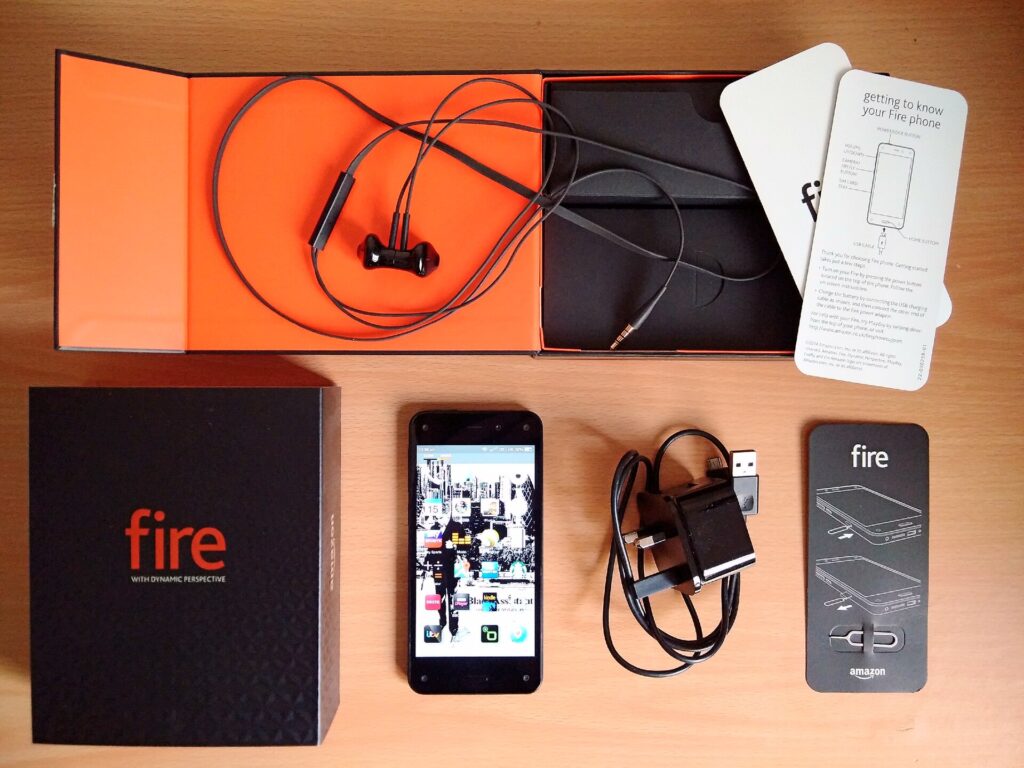
The lesson was never that Amazon should stay out of hardware forever. It was that consumers will not forgive a weak software ecosystem just because a product story sounds futuristic. If Transformer is real, Amazon has to prove that AI does something more useful than replacing icons with marketing copy.
Why Amazon thinks 2026 is different
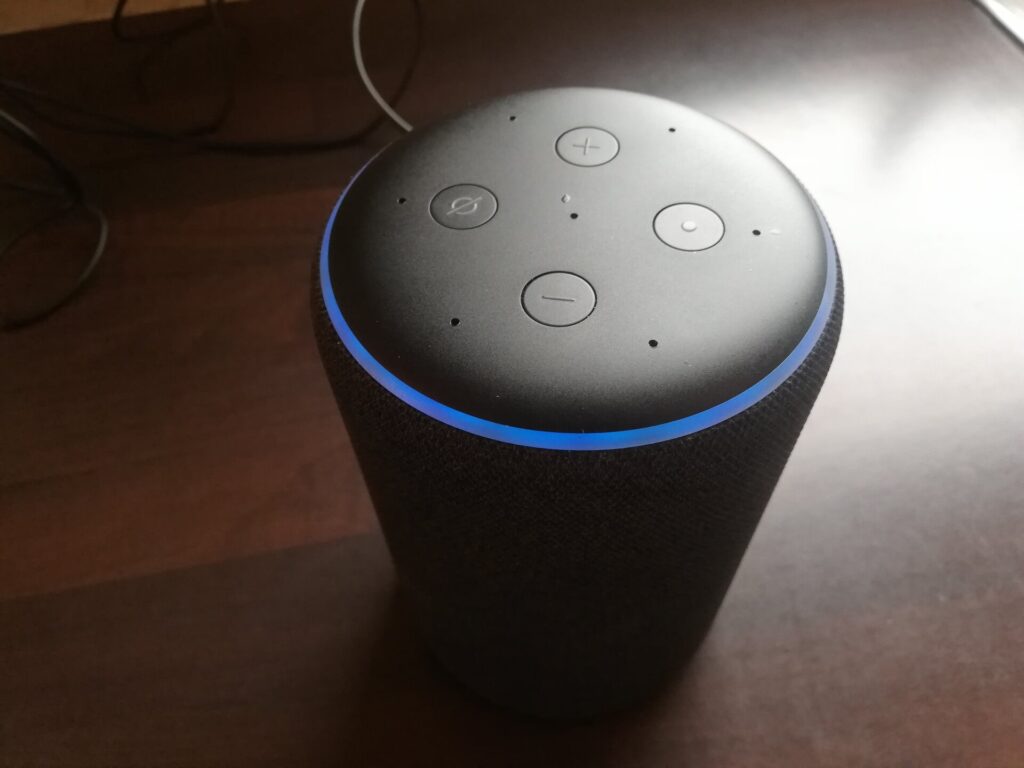
The obvious answer is that 2026 is the first moment when an AI-first phone sounds remotely plausible. On-device NPUs are finally good enough to matter, cloud assistants are better at chaining tasks together, and consumers are getting used to asking software to act rather than simply answer. Amazon also has one thing most rivals do not: a huge commerce and smart-home graph already centred on Alexa, with the Alexa+ generative-AI upgrade rolled out earlier in 2026.
If Amazon can combine voice, shopping, subscriptions, delivery status, reminders and device control into something that feels genuinely faster than an app launcher, it has an angle. That is still a huge if, but at least it is a coherent strategy rather than a nostalgic hardware comeback.
How this fits the wider AI-phone shift
Amazon is not making this move in isolation. Samsung keeps expanding Galaxy AI, Google keeps pushing Gemini deeper into Android, and even smaller brands are talking openly about app-light futures. We have already covered which mobile AI features are actually worth paying for and why mobile NPUs are replacing raw CPU bragging in buyer conversations. Transformer would be Amazon’s version of the same shift.
The difference is that Amazon can tie the idea to retail, subscriptions and smart-home control in a way few rivals can. That makes the rumour more interesting than a generic ‘Amazon phone comeback’ headline suggests.
What buyers should take from this
Right now, nothing about Transformer changes what you should buy today. There is no launch date, no confirmed pricing and no guarantee the project survives internal reviews. But the signal matters. Amazon clearly thinks the next smartphone battleground is not camera megapixels or titanium edges. It is whether AI can become the front door to everyday computing. For more, see our AI coverage. You might also read Samsung AirDrop Expands to Every Galaxy Phone From the Last Three Years and Apple Cannot Stop It.
For buyers, the practical advice is still simple: buy for the tasks you repeat every day, favour devices with strong long-term support, and pay attention to how well current phones already handle on-device AI. Our guides to smart upgrade paths for long ownership and private AI workflows on phones remain more useful today than any rumour, however intriguing.
Buyer action
Where to buy or check next
Use this as the final check before ordering a phone, changing network or trusting a headline monthly price.









Reader discussion
Leave a comment
Comments are moderated. Keep it useful, accurate, and on topic.