
UPDATED · News · 15 Jun 2026 · Daniel Reid
I’ve spent the better part of two years with the iPhone 16 Pro now, and with a fresh crop of handsets in the shops it felt like the right moment to ask a blunt question: a year and a half on from its 20 September 2024 UK launch, does any of it still matter? Pulling up Apple’s own spec sheet alongside what I actually reach for day to day, the honest answer is that a few of these features have aged into the reasons I’d still buy one — and a couple I’ve simply stopped thinking about.
Let me get the money out of the way first, because in 2026 that’s where this conversation has to start. The 16 Pro launched at £999, and that’s still its anchor price. When it first appeared that number stung a little. Set against everything that’s been released since, £999 for a Pro-tier Apple phone with this chip and this camera system has quietly become one of the more sensible things in Apple’s line-up rather than the indulgent one.
The screen is the upgrade I forgot was an upgrade
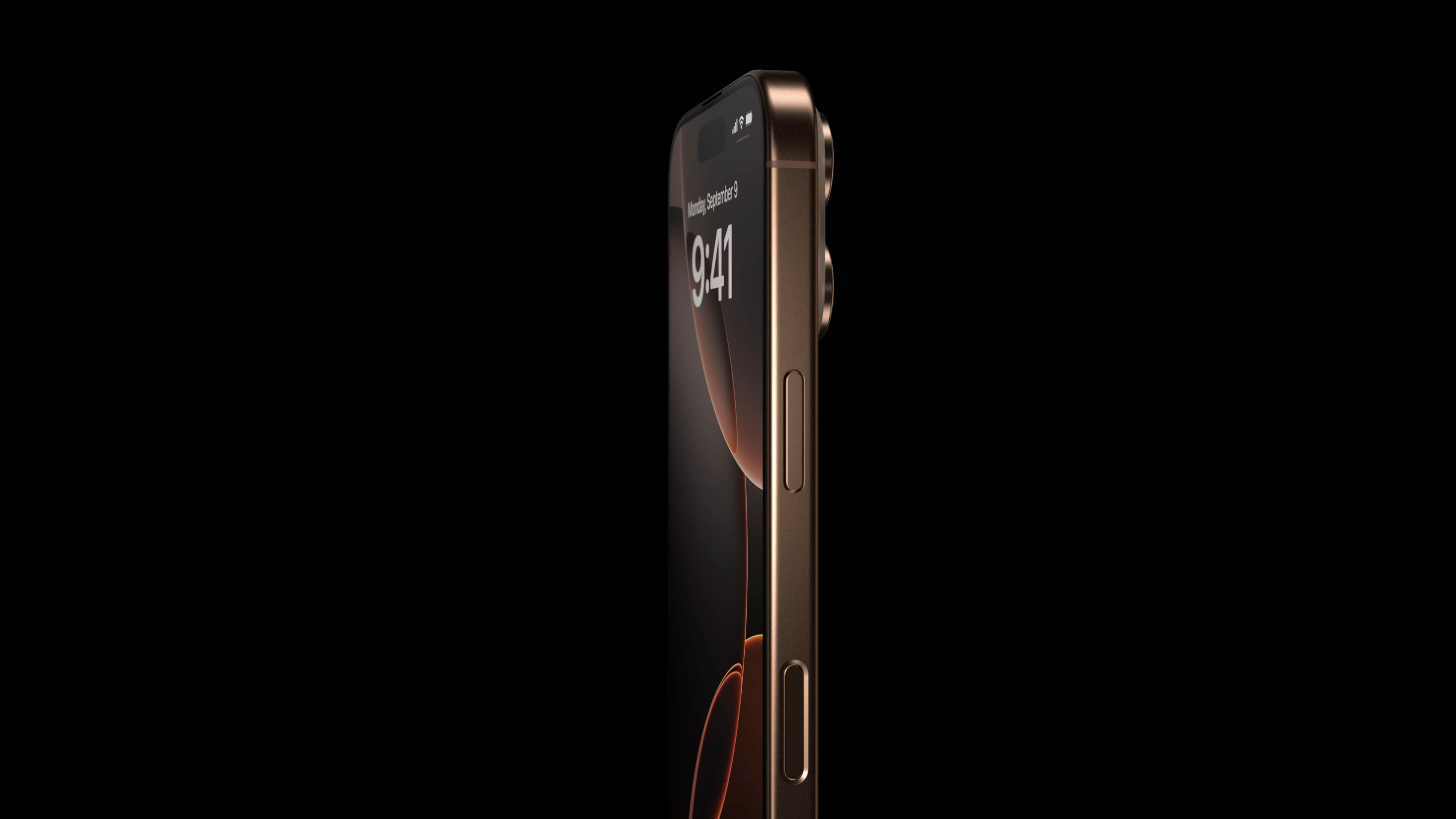
The bit I’d defend hardest is the display, and it’s funny because it’s the change I noticed least at the time. The 16 Pro moved to a 6.3-inch Super Retina XDR OLED panel, up from the 6.1-inch on the 15 Pro, at 2622×1206 and 460 ppi with ProMotion running its 120Hz adaptive refresh. On paper that 0.2 inches sounds like nothing. In the hand it’s the difference between a phone that feels current and one that doesn’t — the bezels shrank rather than the body ballooning, so you get more glass without a bigger brick in your pocket. Eighteen months on, scrolling and video still look as fluid as anything newer I’ve picked up, and that’s the ProMotion doing quiet, unglamorous work.
The camera is where it earns the “Pro”
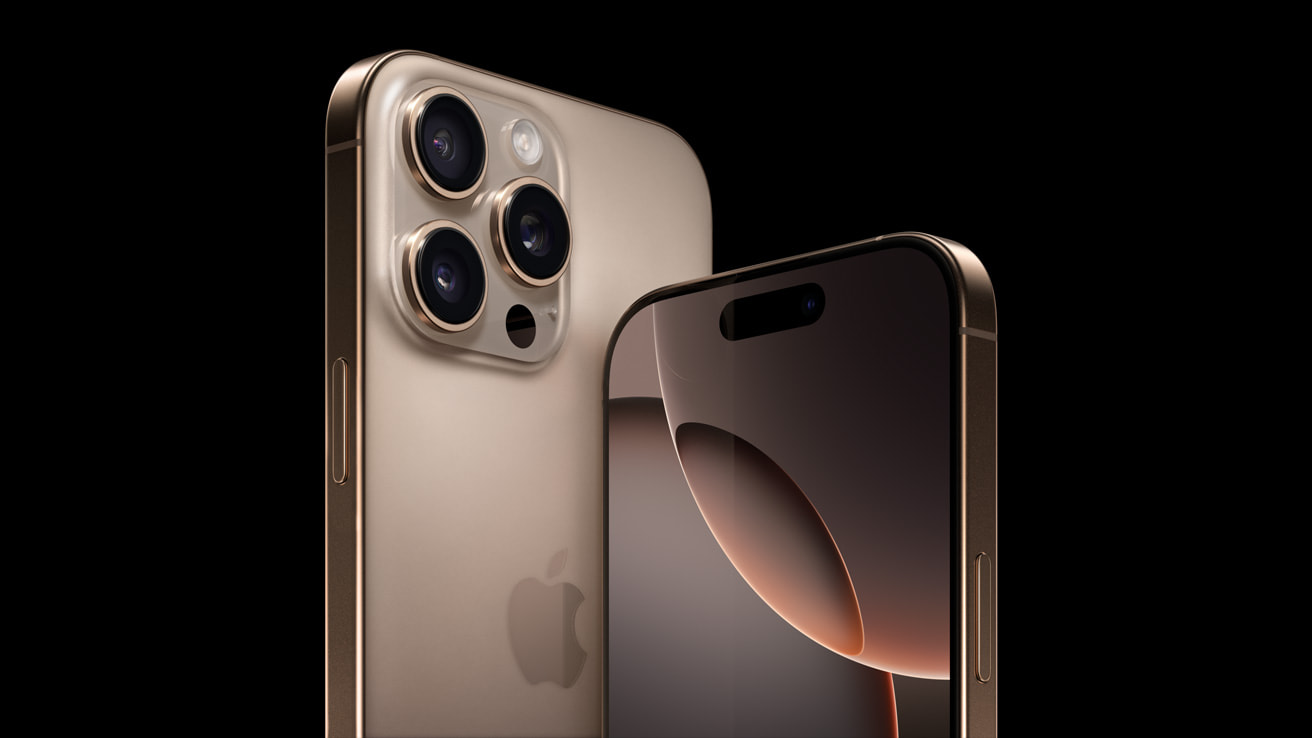
If the screen is the sleeper, the cameras are the headline that actually held up. The 48MP Fusion main sensor (ƒ/1.78, second-generation sensor-shift OIS, with both 24MP and 48MP modes) is still genuinely excellent, and the 5x optical zoom from the 120mm telephoto is the lens I’ve used more than I expected — it’s the one that gets you a usable shot across a pub or a school hall without the mush you get from digital crops.
The thing I keep coming back to, though, is 4K Dolby Vision at up to 120 fps, slow-motion included. That’s not a spec I tick off and ignore; it’s the feature that, in Macworld’s review, marked the 16 Pro out as a creator’s tool rather than just a nice phone camera, and it remains a properly high bar in 2026. If you shoot anything — kids, gigs, a side hustle on social — this is the reason the Pro badge means something here.
The chip is the bit buying you time
The A18 Pro — six-core CPU, six-core GPU, sixteen-core Neural Engine — is the unglamorous insurance policy. It’s the reason I’m not nervous about iOS updates landing on this phone for years yet, and it’s the silicon that runs Apple Intelligence. I’ll be straight about that last part: Apple Intelligence arrived on a staggered rollout, drip-fed after launch rather than all at once, and per the device’s spec history it was very much a “coming soon” story for a good while. How much you care depends entirely on whether the AI features have become part of your routine. The headroom, though, is real, and that’s what you’re actually paying for.
The small thing nobody mentions until they need it
USB-C with USB 3 speeds — 10Gb/s — is the most boring feature on this list and the one I’d miss most. The plain iPhone 16 is stuck at USB 2 over the same port, which means offloading a day of 4K footage is the difference between a coffee’s wait and a proper sit-down. If you never plug your phone into anything, ignore this entirely. If you move large files, it’s a genuine separator between Pro and non-Pro that has nothing to do with the camera badge.
So would I, in 2026?
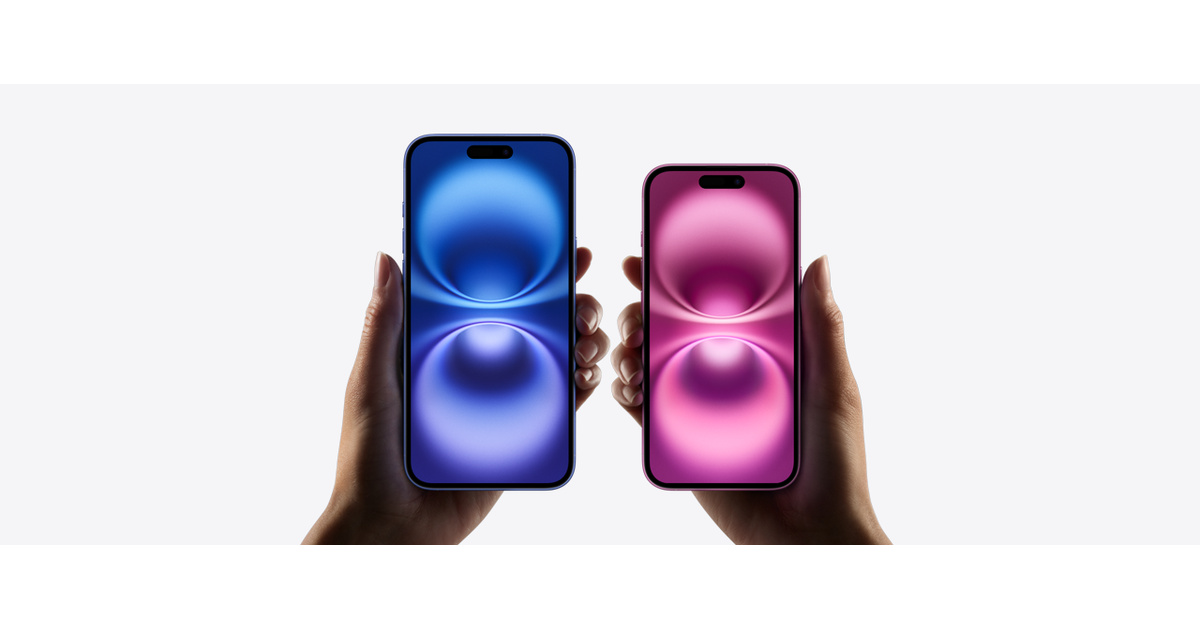
Here’s where I land. If you’re shopping today and you don’t shoot video, don’t move files off your phone by cable, and don’t care about the longest possible update runway, the Pro isn’t for you — a cheaper iPhone gets you the same screen size and the same lovely OLED, and you should keep the £999 in your pocket. The Pro tax is real and it’s specific.
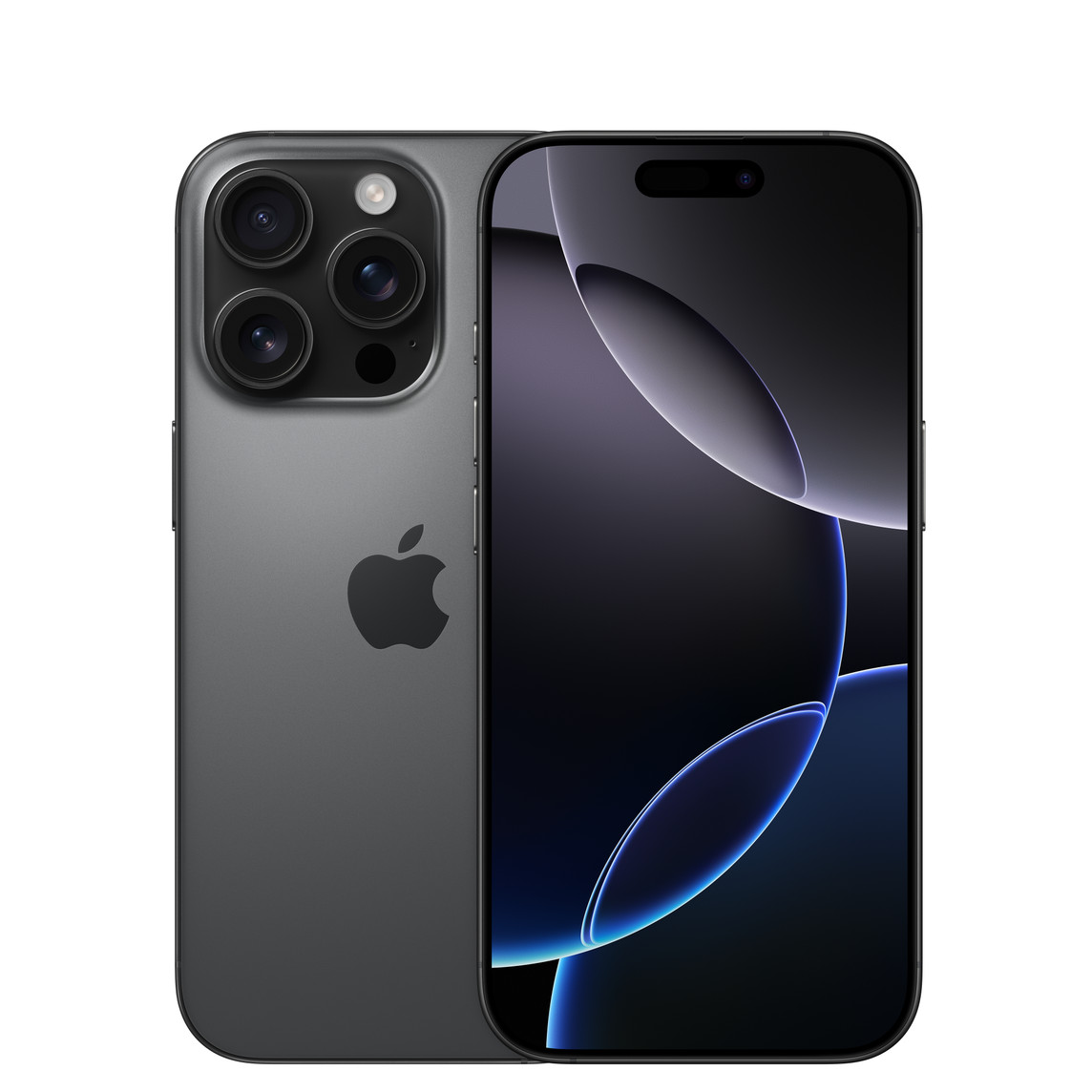
But if any one of those three things describes you — the 120 fps video, the fast USB-C, the years of chip headroom — then the 16 Pro at its standing £999 is a phone I’d still buy without flinching, and I’d point a creator or a heavy user straight at it over something flashier and dearer. What would change my mind? A meaningful price drop on a newer Pro, or Apple finally making Apple Intelligence indispensable rather than optional. Until one of those happens, the 16 Pro is the quietly correct answer to a question most people are overthinking.
Buyer action
Where to buy or check next
Use this as the final check before ordering a phone, changing network or trusting a headline monthly price.





Reader discussion
Leave a comment
Comments are moderated. Keep it useful, accurate, and on topic.