UPDATED · News · 19 Apr 2026 · Claire Bennett
A quieter Sunday before a very loud week ahead in mobile. The seven days starting tomorrow, April 20, pack in more flagship smartphone launches than any stretch we’ve seen so far in 2026 — and behind the hardware, Samsung just set a target that would put Google’s Gemini AI on 800 million of its devices by year end. Here’s what’s actually worth paying attention to.
The launch calendar: four flagships in four days
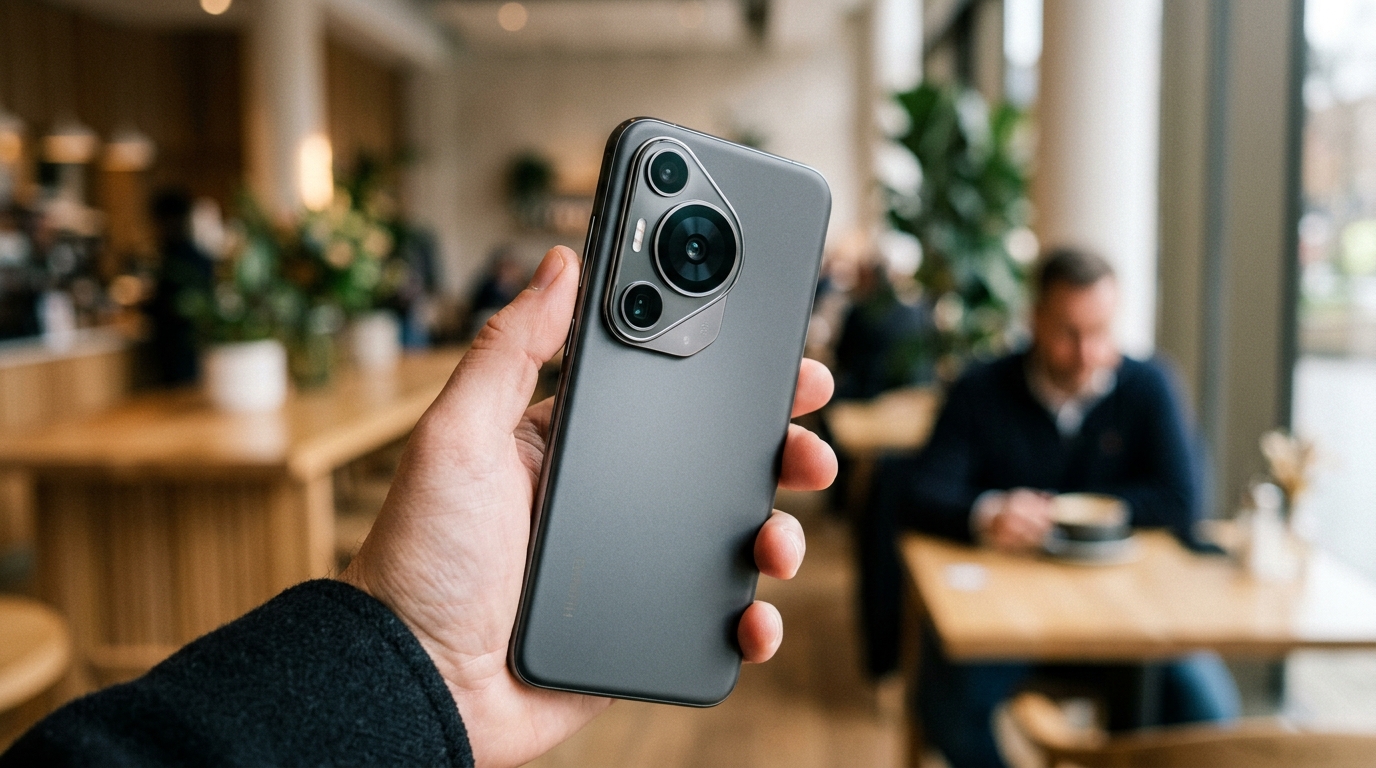
Huawei headlines the week with the Pura 90 series, due to land alongside a new foldable — the Pura X Max, built around a 7.6-inch inner display. Huawei’s pitch this generation leans hard on battery capacity and camera hardware, and the Pura line has been where the company tends to try its riskiest optical ideas before they trickle into the Mate flagships later in the year.
Oppo follows on April 21 with the Find X9s and Find X9 Ultra. The X9s has already been confirmed with a Hasselblad-tuned triple camera setup and a 50-megapixel “Ultra-Clear” primary sensor. The Ultra is the one to watch — historically Oppo’s Ultra tier is where it throws out the rulebook on sensor size and periscope reach.
The same day brings the Redmi K90 Max in China, a performance-first device that normally sets the tone for what a sub-flagship SoC can do in the back half of the year. Motorola then closes the working week with the Edge 70 Pro in India on April 22, and Tecno slots in the Pop X 5G at the budget end on April 20.
Four launches, four very different price brackets. If you’ve been holding off on an upgrade waiting for the spring wave, this is the wave.
Samsung’s 800 million Gemini bet
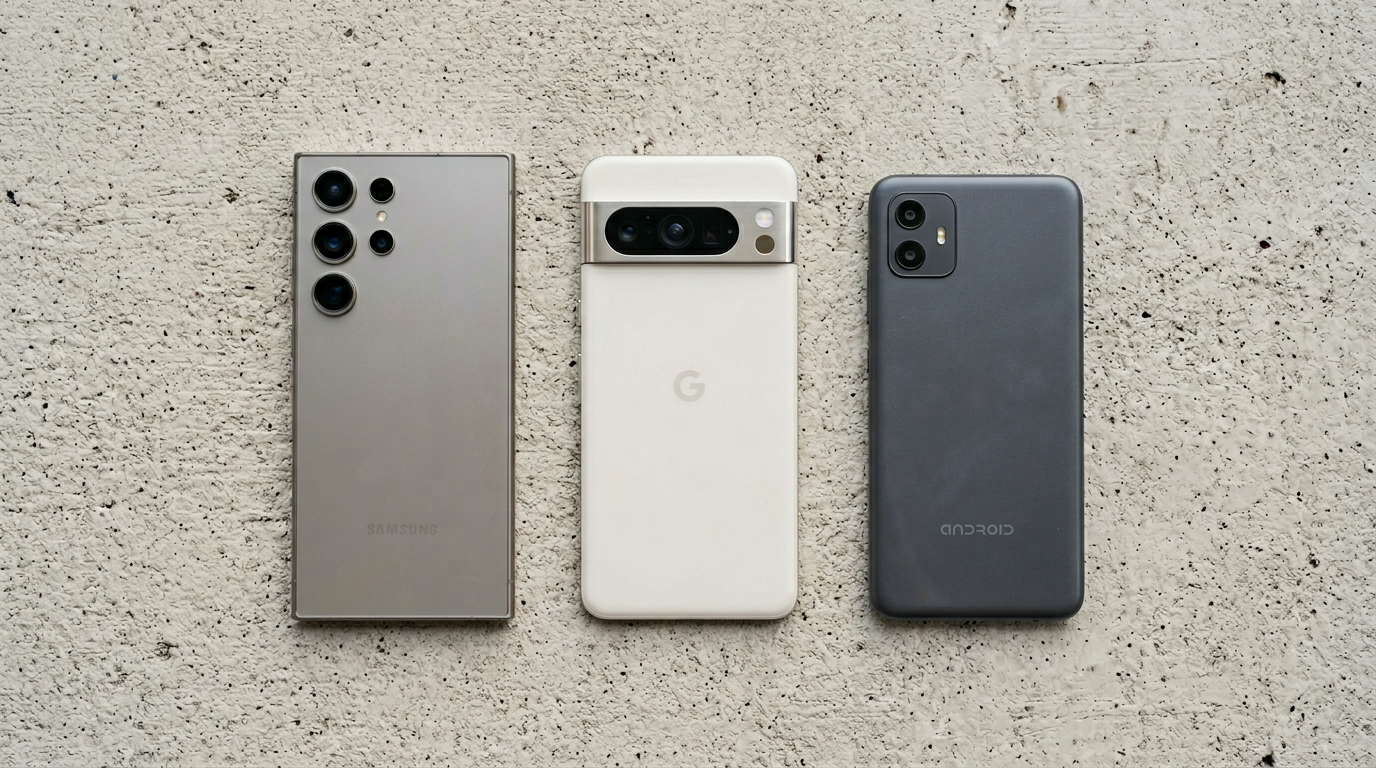
The bigger story this week isn’t a single handset — it’s Samsung’s announcement that it wants Google’s Gemini AI running on 800 million of its mobile devices by the end of 2026. That’s roughly double its current footprint, and it means Gemini features that have so far been reserved for Galaxy S-series flagships are about to show up on mid-range and budget phones and tablets.
This matters for two reasons. First, it reframes the value proposition of buying a cheaper Samsung — you’re no longer locked out of the AI features on day one. Second, it puts enormous pressure on Apple and the rest of the Android field to match that reach, because “AI smartphone” stops being a flagship differentiator the moment it’s available for £250.
The hardware reality behind the AI story
Industry watchers have started openly saying the mobile spec sheet that matters in 2026 is no longer megapixels or mAh — it’s the Neural Processing Unit and how deeply the generative AI layer is wired into the OS. That shift is real, but it comes with a price tag. Meta is raising US pricing on its Quest VR headsets today, April 19, pushing the entry-level Quest 3S from £235 (about $299.99) to £275 (about $349.99) and citing memory chip costs driven by AI data-centre demand.
Memory pricing is the quiet story here. If Meta is passing on chip costs on a product already in market, it’s only a matter of time before smartphone makers do the same. Expect the Q3 and Q4 flagships to either absorb the cost and squeeze margins, or ship with the same RAM tier as last year’s models at a higher price. Neither is great news for buyers.

What to watch this week
Three things worth tracking beyond the launches themselves. One: whether Huawei’s Pura X Max ships with a genuinely creaseless inner display, since Samsung Display has already shown off panels that eliminate the fold dip. Two: how aggressively Oppo prices the Find X9 Ultra outside China, because that’s the device most likely to land in UK import channels this summer. Three: whether any of this week’s launches ship with on-device generative AI that works offline — the answer is still usually no, and that remains the real unsolved problem of the AI smartphone era.
We’ll be covering each launch as it happens. For the Pura 90, Find X9 and Edge 70 Pro, expect hands-on coverage from us within 24 hours of announcement.
- Huawei Pura 90 series and Pura X Max foldable launching 20 April 2026 in China (pre-reservations opened 10 April).
- Oppo Find X9s and X9 Ultra following 21 April; Redmi K90 Max same day; Motorola Edge 70 Pro on 22 April in India.
- Samsung confirmed at CES 2026 it wants Google Gemini AI running on 800 million of its mobile devices by year-end (TM Roh).
- Meta raising US Quest VR pricing 19 April: Quest 3S from £235 (about $299.99) to £275 (about $349.99), citing AI-driven memory chip costs.
What the week ahead in mobile means for UK Android buyers
UK readers should treat the launches above as forward signals rather than imminent purchases. The Huawei Pura 90 series and the Pura X Max do not land in UK retail through official channels; the credible UK route remains grey-import retailers and an explicit acceptance of the no-Google-services trade-off. The Oppo Find X9 series has historically reached UK import channels through summer and autumn rather than April. The Motorola Edge 70 Pro is India-first, with European availability typically following several weeks later.

Why the week ahead in mobile is bigger than the handsets themselves
The Samsung 800 million Gemini commitment is the more strategic story of the week. It changes the AI baseline for mid-range Galaxy phones, it puts pressure on Apple to find its equivalent at a budget tier, and it confirms the Android category’s converging path toward a single default assistant. The Meta Quest pricing change is the canary on memory chip costs. Watch flagship pricing through Q3 and Q4 — the squeeze is real.
For more, see our take on why Gemini on every Android is quietly killing platform diversity, our coverage of the Meta Quest UK price hike, and Huawei’s Pura X Max as a UK foldable benchmark.
MTW verdict
This is the busiest week of new hardware so far in 2026, but the most consequential story is software. Samsung’s Gemini commitment reshapes what mid-range Android can do; Huawei and Oppo’s launches reshape what’s possible at the top end. UK readers should pay attention to the Oppo Find X9 Ultra and to Q3 pricing trends. The handsets are the headline; AI scale and memory costs are the actual story.
Buyer action
Where to buy or check next
Use this as the final check before ordering a phone, changing network or trusting a headline monthly price.













Reader discussion
Leave a comment
Comments are moderated. Keep it useful, accurate, and on topic.