UPDATED · News · 24 May 2026 · Claire Bennett
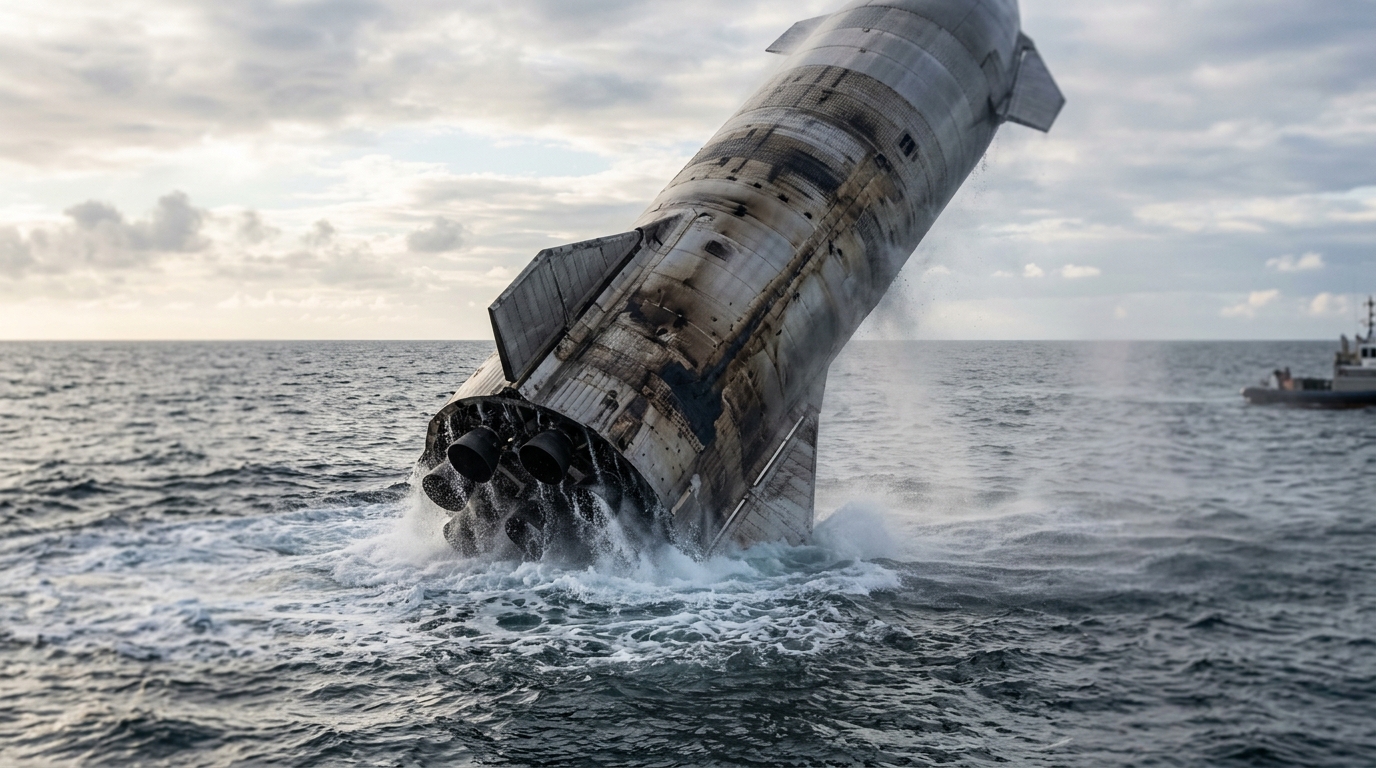
SpaceX Starship V3 flew for the first time on 22 May 2026 and splashed down in the Indian Ocean as planned, marking the first successful test flight of the upgraded Starship platform that Elon Musk has promised would carry the next chapter of the program. Space.com tracked the mission live from Starbase, Texas.
- Starship Flight 12 lifted off from Starbase, Texas on 22 May 2026 at 6:30 p.m. EDT.
- SpaceX Starship V3 Ship 39 made a planned water landing in the Indian Ocean.
- One Raptor engine on the upper stage failed; the vehicle still completed most planned objectives.
- The Super Heavy booster failed its boost-back burn and crashed into the Gulf of Mexico, as expected for a non-recovery profile.
What changed in SpaceX Starship V3 from V2
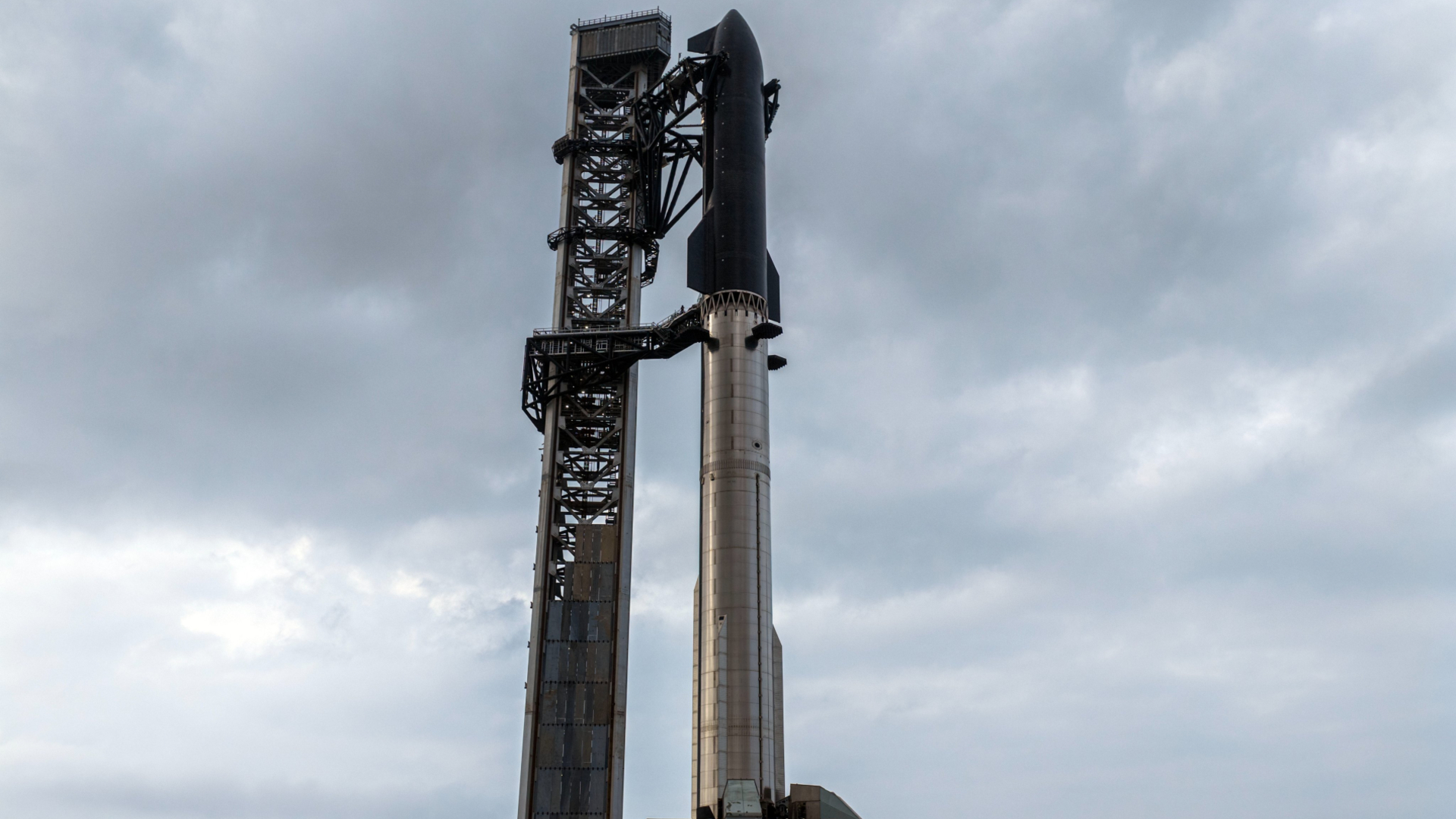
The SpaceX Starship V3 is the third major iteration of the full-stack Starship vehicle and represents the biggest engineering jump since the program began in 2020. Ship 39 – the upper-stage spacecraft – is taller, carries more propellant, and uses upgraded Raptor 3 engines with higher chamber pressure and improved manufacturability. The Super Heavy booster on V3 also carries 33 Raptor 3s, but with refined gimbal envelope and a redesigned hot-staging interstage that took most of 2025 to qualify in static fire tests.
Mass to orbit is the headline change. V3 is designed to deliver roughly 150 metric tonnes to low Earth orbit fully reusable, against V2’s 100 tonnes. That capability puts SpaceX Starship V3 in a class by itself – nothing else flying or in development can match the payload. For commercial customers, the immediate upside is cheaper LEO launches; for NASA, V3 is the Human Landing System variant that will carry Artemis 3 to the Moon’s surface.
SpaceX Starship V3 Flight 12 timeline and what went right
Lift-off occurred at 6:30 p.m. EDT (2230 GMT) on 22 May 2026 after a 21 May scrub forced by abnormal fuel readings, a hydraulic pin issue on the launch tower arms and a propellant temperature concern. SpaceX cleared all three by Friday and went for the launch window on the second attempt. Stage separation occurred on schedule and the SpaceX Starship V3 upper stage successfully transitioned to its planned orbital insertion burn despite losing one of its six Raptor 3 engines mid-flight.
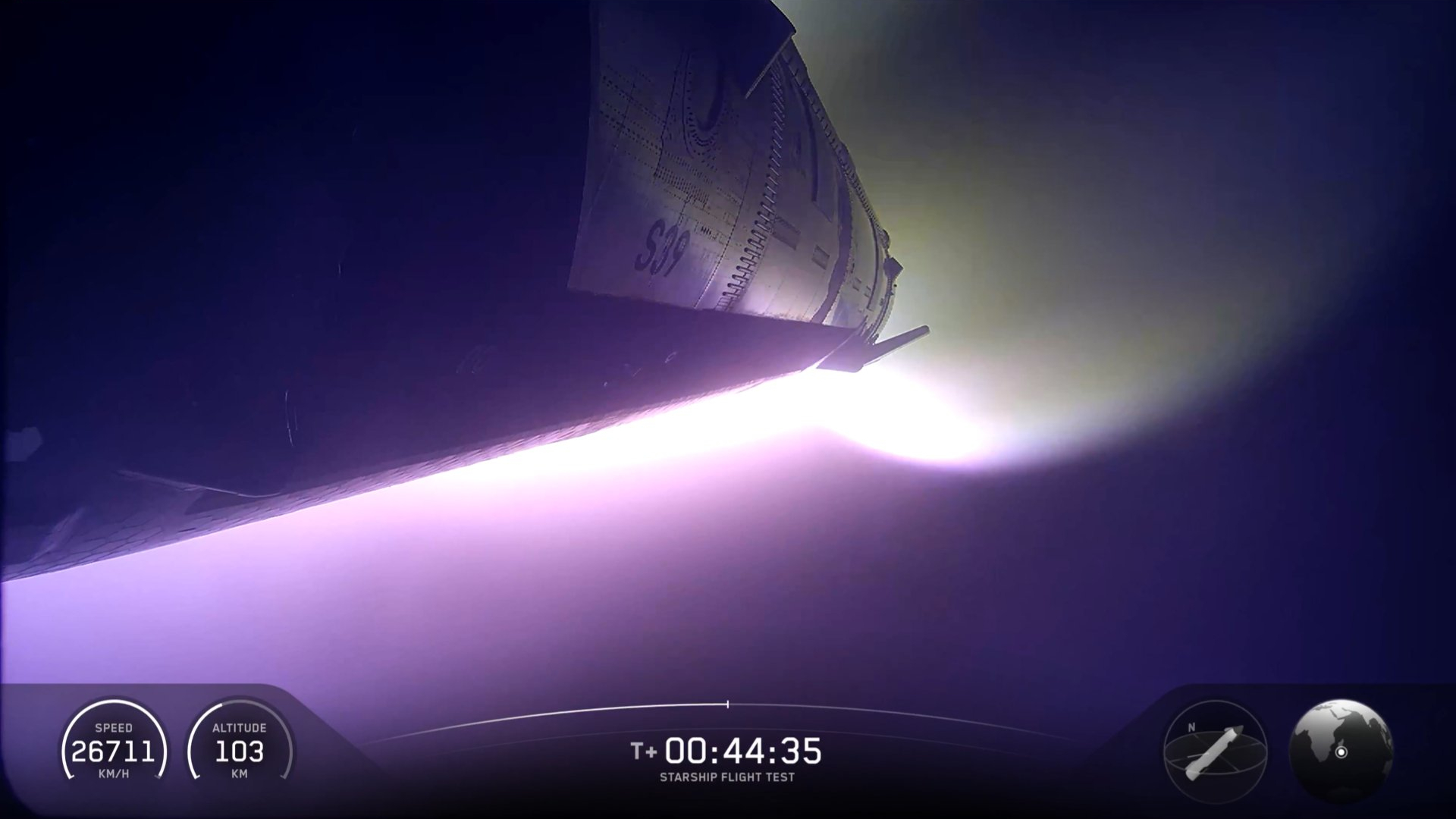
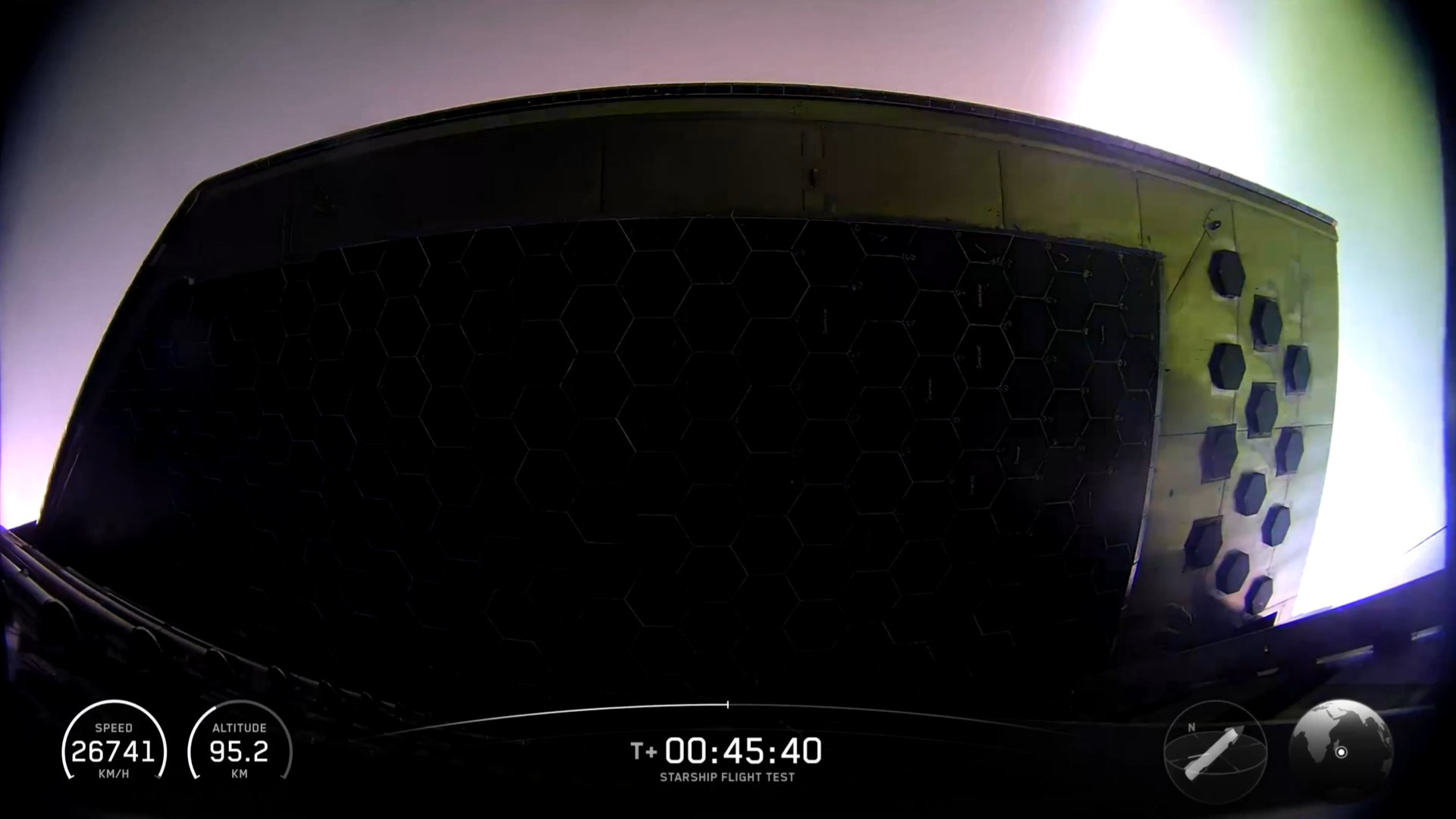
Ship 39 then performed the planned reentry profile, with plasma blooming around the new tile and flap design that V3 introduced for higher-energy reentry. SpaceX confirmed splashdown in the Indian Ocean on time, which was the headline objective of Flight 12. The success makes V3 the first SpaceX vehicle in the new generation to fly a complete mission profile on first attempt – V1 needed four flights, V2 needed seven.
What went wrong on SpaceX Starship V3 Flight 12
Two failure modes worth tracking. First, the Raptor 3 engine that shut down on Ship 39 mid-flight. Engine-out tolerance has always been the SpaceX design philosophy, but a single Raptor failure on a six-engine upper stage is a 17 percent loss in thrust margin. SpaceX is unlikely to comment on the cause publicly until the next flight, but Elon Musk acknowledged the failure on X within hours and called it expected behaviour for an in-flight engine batch with this much R&D delta from V2.
Second, the Super Heavy booster’s boost-back burn. The booster failed the manoeuvre and crashed into the Gulf of Mexico. That was not a planned recovery flight – SpaceX did not catch this booster, by design – but the boost-back burn itself is required for any future tower catch attempt, which is the next V3 milestone. Flight 13 is expected to attempt a return-to-launch-site catch later in Q3 2026.
What SpaceX Starship V3 means for the 2026 IPO and Artemis
The SpaceX Starship V3 success comes at a deliberate moment. SpaceX is in talks for a 2026 IPO at a reported £315 (about $400) billion valuation, and Starship is the asset story underwriting that number. A clean V3 flight is exactly the milestone the company needed to validate the payload-cost argument that drives the valuation. CNBC reported on 21 May that the IPO timeline could land in late 2026 if V3 completes Flight 13 and Flight 14 on schedule.

For NASA, V3 is more time-critical. Artemis 3 needs a working SpaceX Starship V3 Human Landing System for the planned 2027 Moon landing, and that requires V3 to demonstrate in-orbit refuelling – the next major test campaign after this flight. Our broader take on the 2026 commercial space race in recent coverage of drone manufacturing covered the parallel hardware-onshoring trend at the lower end of the aerospace market.
What buyers and watchers should do next
For commercial space buyers, the question is when V3 will be available as a payload service. SpaceX has not committed to a date, but Starship V3 customer launches are unlikely before late 2026 even on the most aggressive schedule. The first paying V3 mission will almost certainly be a Starlink V3 deployment, with commercial customer payloads following in 2027. For Falcon 9 customers, V3 is not a substitute – V3’s payload economics only work for very large or very heavy payloads.
For the rest of us, Flight 13 is the next thing to watch. If SpaceX successfully catches a Super Heavy booster on V3’s second flight, the cadence to operational reuse accelerates dramatically. That is the moment Starship economics shift from R&D burn to commercial gravity. Until then, the 22 May SpaceX Starship V3 splashdown is the cleanest validation milestone the program has hit since the first orbital flight in 2023.
MTW verdict
SpaceX Starship V3 Flight 12 is the most important launch SpaceX has flown since 2023. First-try success on the new vehicle. Engine-out tolerance demonstrated, splashdown on time. The 2026 IPO story has the asset-side validation it needed.
Buyer action
Where to buy or check next
Use this as the final check before ordering a phone, changing network or trusting a headline monthly price.














Reader discussion
Leave a comment
Comments are moderated. Keep it useful, accurate, and on topic.