UPDATED · News · 7 Mar 2026 · Claire Bennett
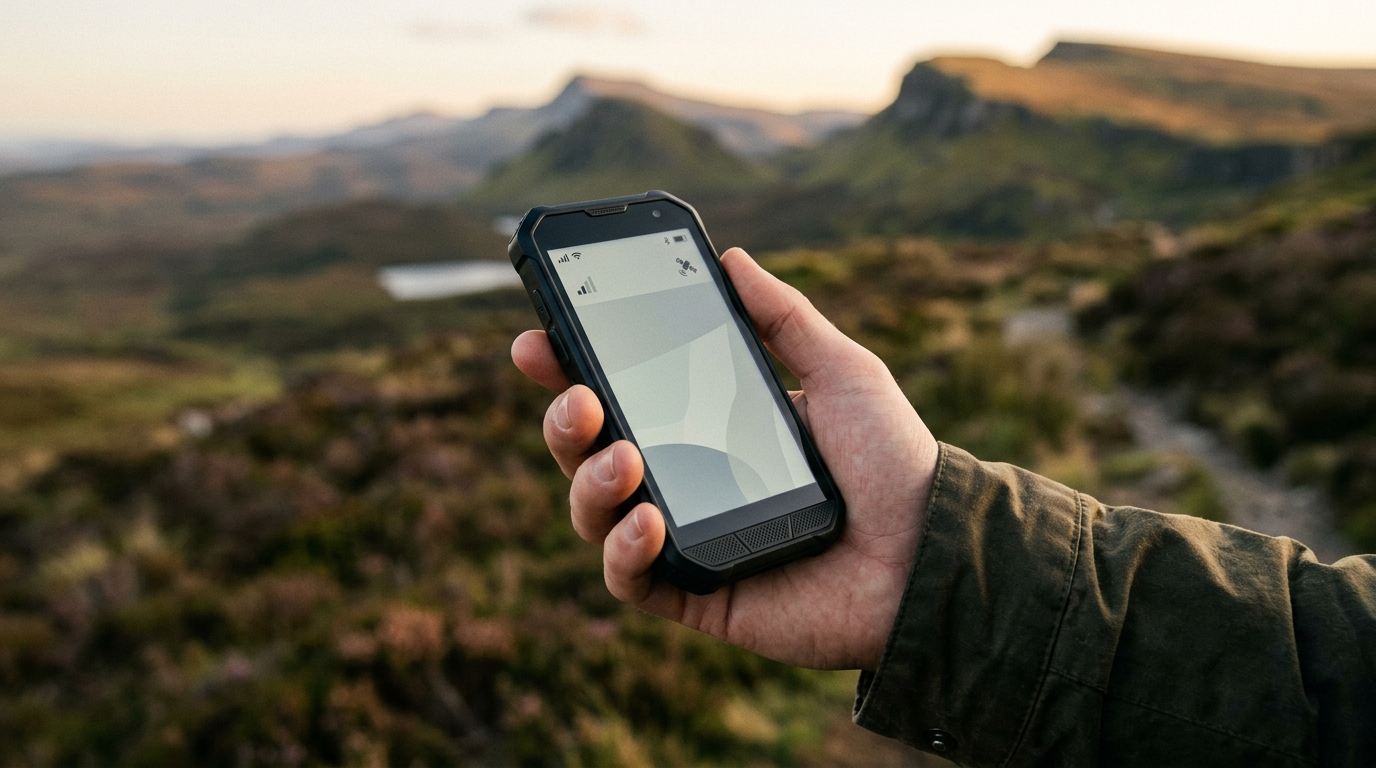
For anyone who travels frequently, for work, family holidays, or remote adventures, the most important phone upgrades in 2026 are not about camera megapixels or processor speed, but the Satellite Messaging eSIM. It delivers network flexibility: eSIM support that works across borders, satellite messaging for emergencies, and roaming behaviour that does not generate surprise charges.
What Happened
- Satellite Messaging ESIM: eSIM in 2026: what has changed
- Satellite messaging: beyond the marketing
- Roaming traps to avoid in 2026
- Related reading
Satellite Messaging ESIM: eSIM in 2026: what has changed
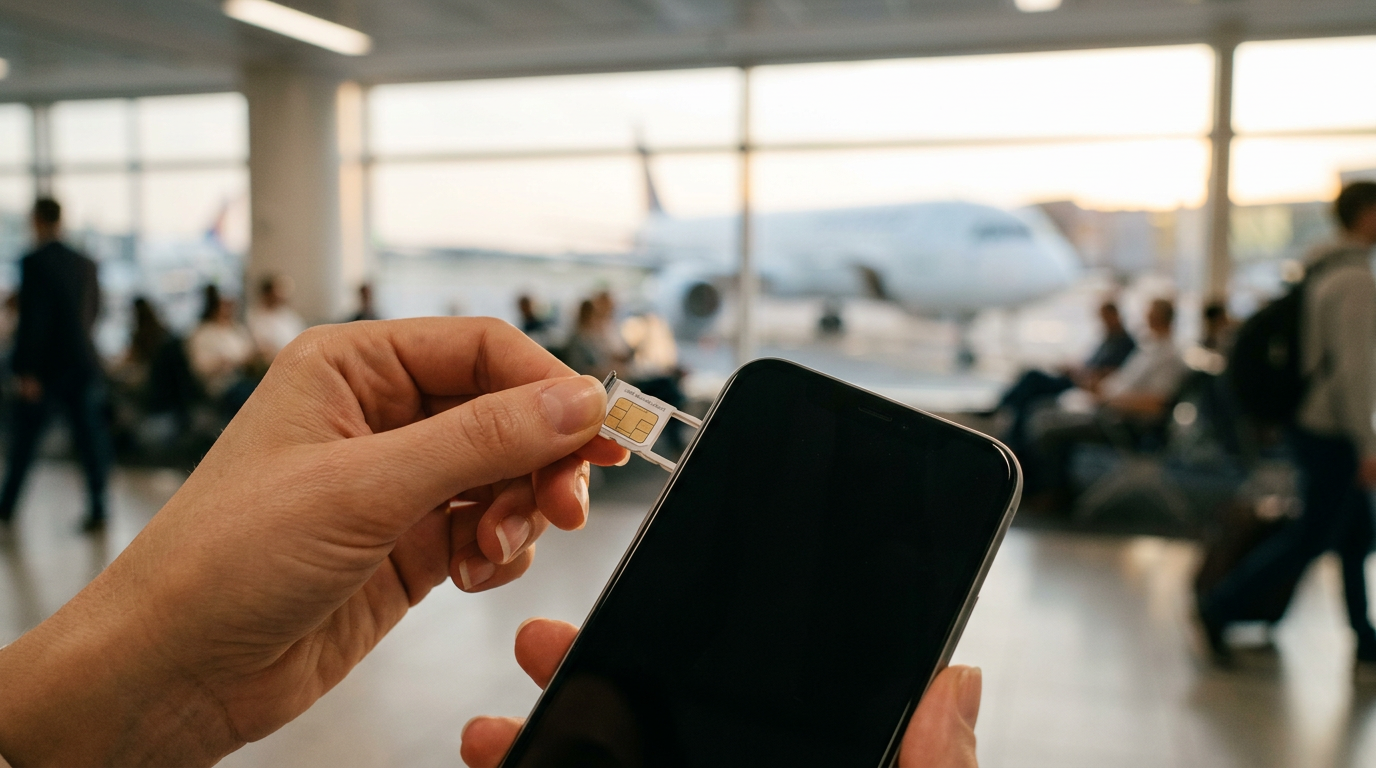
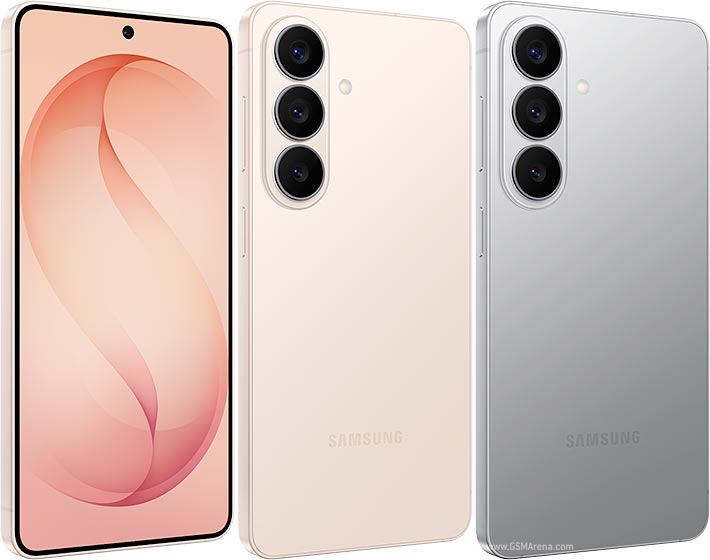
Every flagship phone from Samsung, Apple, and Google now supports multiple eSIM profiles. Apple’s standard iPhone 17, iPhone 17 Pro and Pro Max are eSIM-only in the US and 11 other markets, including Canada and Japan, while UK models keep a nano-SIM tray plus eSIM. The iPhone 17 Air is the first globally eSIM-only iPhone. In the US, the Pixel 10, Pixel 10 Pro and Pixel 10 Pro XL are also eSIM-only, but UK buyers still get a hybrid nano-SIM plus eSIM tray. The Galaxy S26 keeps a nano-SIM slot alongside eSIM in the UK, which makes it the easiest flagship to use with a home physical SIM plus a Satellite Messaging eSIM abroad.
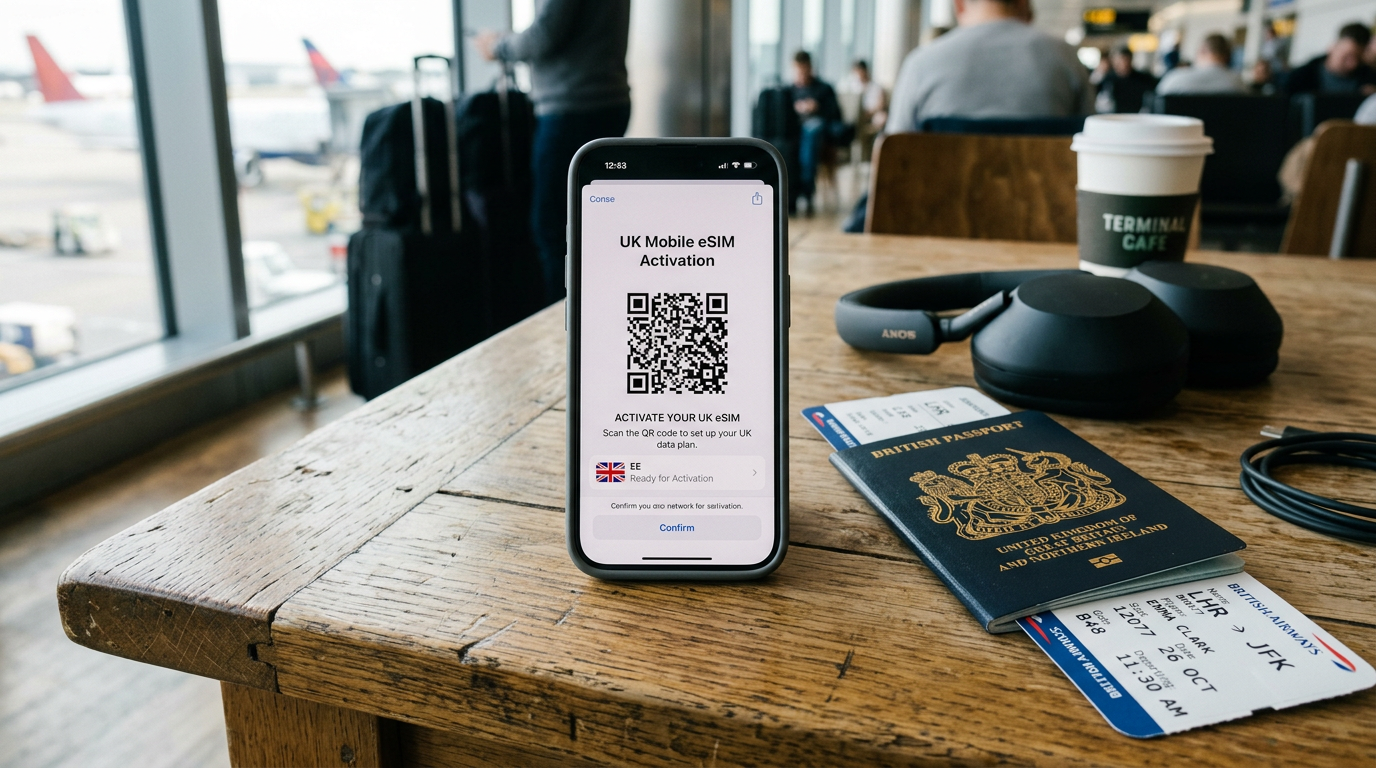
For travellers, this means you can keep your home number active on one profile while adding a local data eSIM for your destination country. Services like Airalo, Holafly, and Ubigi sell destination-specific eSIM plans starting from around £3 for 1 GB. Activation takes under two minutes and does not require visiting a local shop or swapping physical cards.

Satellite messaging: beyond the marketing
Apple’s Emergency SOS via satellite, launched with the iPhone 14, now covers every iPhone 14 and later model across the UK, Ireland, France, Germany, Italy, Spain, Portugal, Netherlands, Belgium, Austria, Switzerland, Luxembourg, the US, Canada, Australia, New Zealand, Mexico and Japan. The UK has been supported since December 2022 and iPhone 17 buyers pick up an additional free satellite period on top of that. Google’s Pixel 9 and Pixel 10 add satellite SOS in the US and a growing list of markets through Skylo’s direct-to-mobile service.
Samsung’s Galaxy S26 series is the first Galaxy line to ship with satellite connectivity baked in, using the same Skylo direct-to-device partnership that Google uses, starting with emergency texts on select US carriers (Verizon included) and expanding into Europe and Japan.
These features work when you have no mobile signal at all, hiking in remote areas, sailing, or in natural disasters where cell towers are down. They are not a replacement for normal messaging, but in a genuine emergency they can be lifesaving.
Roaming traps to avoid in 2026
UK travellers should note that most UK networks now charge for EU roaming again. EE’s Roam Abroad pass is around £2.47 per day, Vodafone charges roughly £2.42 per day without an inclusive roaming add-on, O2’s O2 Travel bolt-on is £4.99 per day, and Three is moving new and upgraded customers from April 2026 to £2.75 per day unless they add the Inclusive Roaming plan. An eSIM data plan for your destination almost always costs less than carrier roaming. Before travelling, check whether your phone’s eSIM slot is unlocked, some carrier-locked phones restrict eSIM use to the primary carrier only.
Also verify that your travel insurance covers phone loss or theft abroad, and that your phone’s Find My Device or Find My iPhone feature works in your destination country. These practical details matter more than any spec-sheet feature when you are standing in a foreign airport with a dead connection.
What the satellite messaging quiet revolution means for everyday travellers
Satellite messaging on phones used to be a hobbyist concern, you bought a Garmin inReach, you paid Iridium a subscription, you carried two devices. The 2026 generation of flagship and mid-range phones quietly killed that workflow by baking emergency SOS and short-form satellite text into the modem itself. The user experience is now indistinguishable from sending a normal SMS, except it works on top of a Welsh mountain.
The trick most travellers miss is that satellite messaging is no longer just for emergencies. Carriers in the UK, US and Canada have started offering low-volume satellite text bundles for £4 to £8 a month that let you ping a friend, share an OS GridRef or confirm a hotel booking from anywhere with a clear view of the sky. For anyone who walks, sails or drives outside cellular coverage, that is genuinely transformative.
Combine it with the new eSIM-first travel stack, a UK home eSIM plus a regional Airalo or Nomad data plan loaded before you fly, and the case for a physical SIM tray has finally vanished for normal users. The phones that still ship one in 2026 are usually doing so for the second-hand market in regions where eSIM activation is unreliable, not because anyone in the UK actually wants it.
Related reading
- Best Phones for Business Travel in March 2026
- How to Reduce Overnight Battery Drain Without Disabling Features
Sources: GSMA eSIM, Apple Emergency SOS via satellite.
Buyer action
Where to buy or check next
Use this as the final check before ordering a phone, changing network or trusting a headline monthly price.












Reader discussion
Leave a comment
Comments are moderated. Keep it useful, accurate, and on topic.