UPDATED · News · 28 Mar 2026 · Daniel Reid
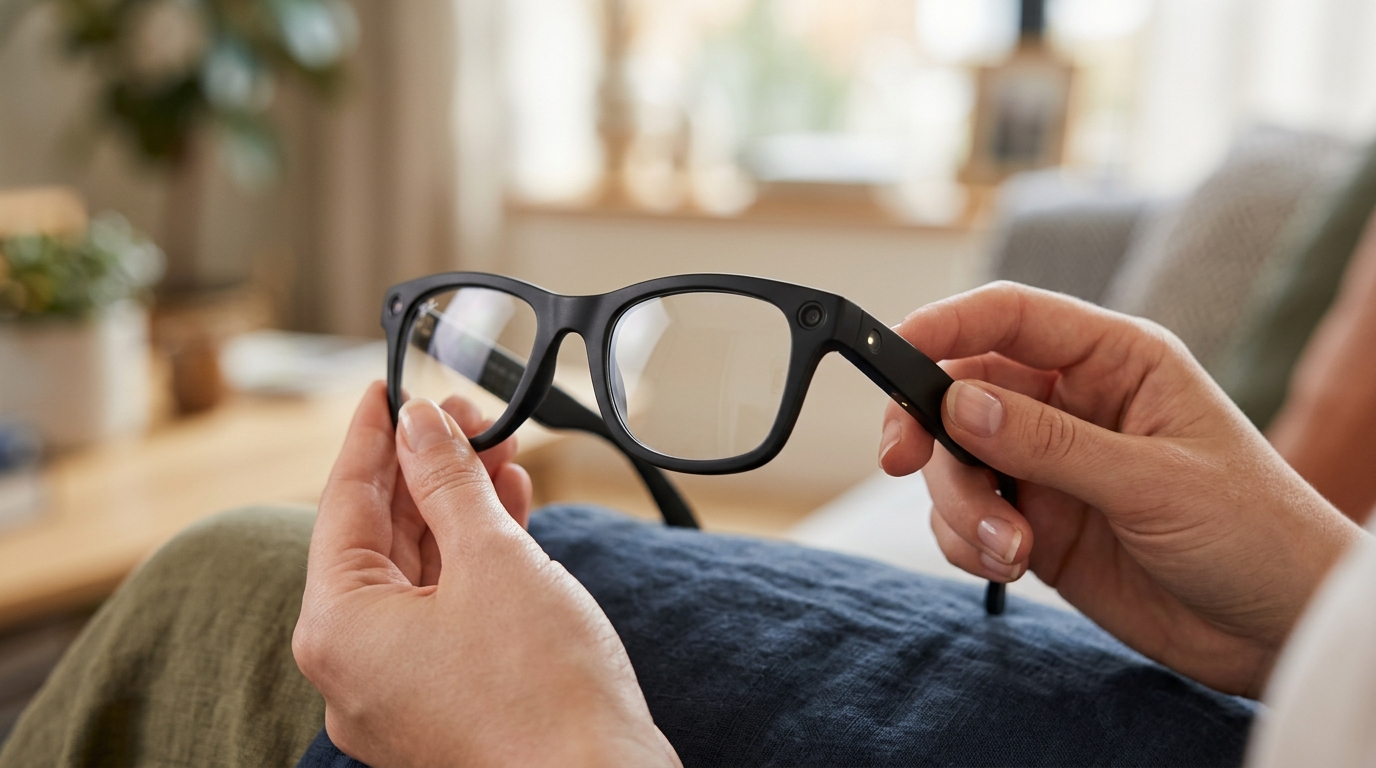
Meta has officially confirmed that its Ray-Ban smart glasses prescription lenses are here, with two new prescription-optimised models, the Ray-Ban Meta Blayzer Optics and Ray-Ban Meta Scriber Optics, launching in stores on 14 April 2026. On the surface, this sounds like a minor product update. In reality, it might be the single most important step any company has taken toward making smart glasses a mainstream product rather than a tech novelty. Roughly 75 percent of adults use some form of vision correction. Until now, every smart glasses maker has essentially told three-quarters of the potential market to look elsewhere.
Ray-ban Smart Glasses: Contents
- Why Prescription Support Changes the Equation
- What About Apple and Google?
- The Road to Everyday Wearables
Why Prescription Support Changes the Equation
The fundamental problem with smart glasses has never been the technology. Cameras, speakers, and microphones small enough to fit into spectacle frames have existed for years. The problem has been asking people to wear an additional pair of glasses on top of, or instead of, the ones they actually need to see. For anyone with a prescription, buying Ray-Ban Meta glasses meant either wearing contacts underneath or accepting blurry vision. Neither option is practical for daily use, as Meta’s own announcement confirms.
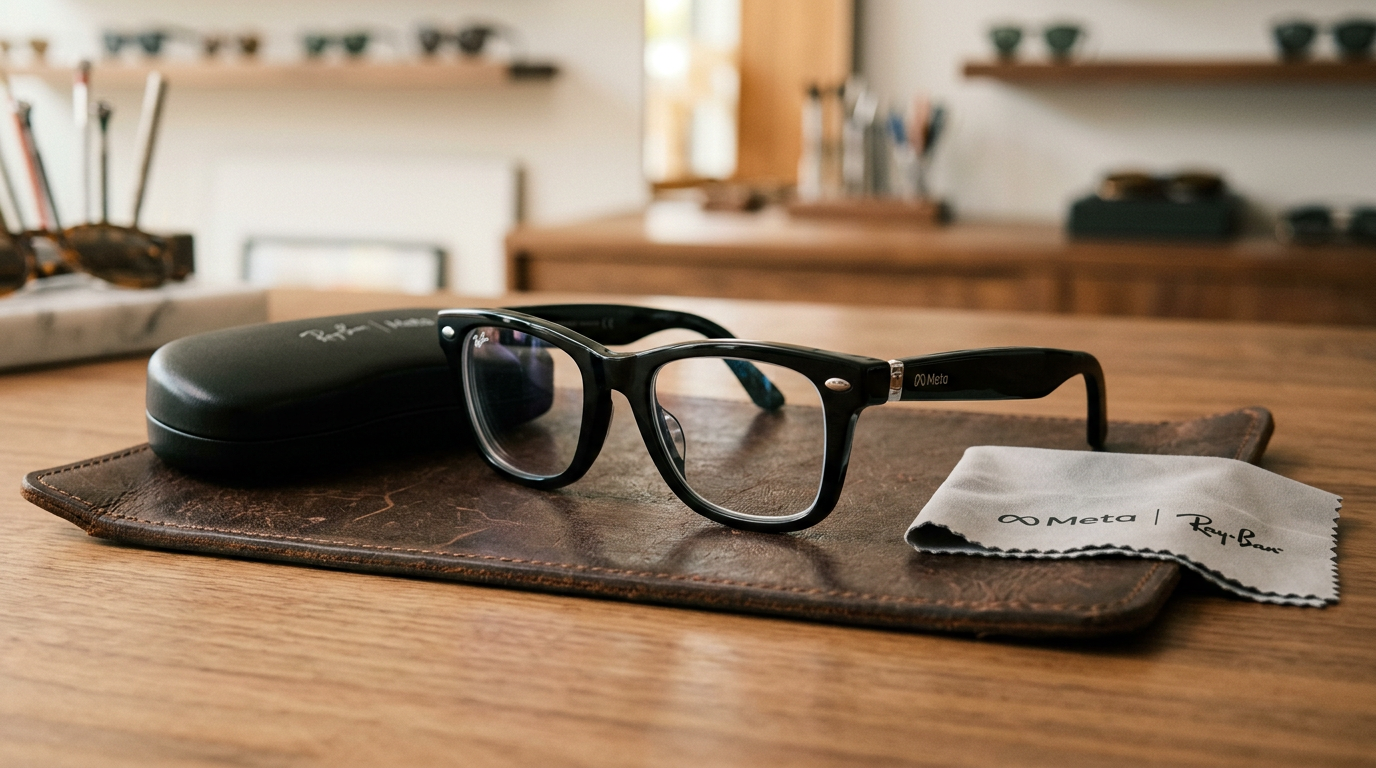
The new Blayzer Optics and Scriber Optics models are designed from the ground up for prescription lenses, with adjustable nose pads, overextension hinges and temple tips that can be fine-tuned by opticians. Meta and EssilorLuxottica, which owns Ray-Ban, say the frames support nearly all standard prescriptions. US pricing starts at $499 (around £395), as TechCrunch reports.
What About Apple and Google?
Apple’s long-rumoured smart glasses project remains in development with no confirmed launch date. Google, having abandoned Glass for consumers, has been investing in AR technology through other channels but has nothing on the market. Samsung has partnered with Qualcomm on a mixed-reality headset but has shown no interest in the lightweight smart glasses category. For more, see our news coverage.
Meta’s head start is becoming a genuine competitive moat. While rivals are still figuring out the hardware, Meta is solving the distribution and adoption problems that actually determine whether a product category succeeds. Partnering with the world’s biggest eyewear company and offering first-party prescription support are not engineering breakthroughs. They are business strategy, and they might matter more. For more, see our reviews.

The Road to Everyday Wearables
Prescription lens support for Meta Ray-Ban glasses is not a flashy announcement. It will not generate the breathless coverage that a new iPhone or a foldable phone receives. But it solves the most fundamental adoption barrier in the smart glasses category, and it does so through the mundane brilliance of working with opticians rather than trying to reinvent optics from scratch. If smart glasses are going to become as commonplace as smartwatches, this is how it starts: not with a technological leap, but with a practical one. Meta just made its smart glasses relevant to the 75 per cent of adults who could not use them before. That is not a product update. That is a market expansion.
Why Meta Ray-Ban prescription lenses finally make smart glasses a daily-driver category
Meta Ray-Ban prescription lenses are the upgrade that turns the smart glasses from a part-time gadget into something a glasses-wearer can plausibly use as their only frames. The previous prescription path was clunky enough, either a third-party insert, or a special order through a partner optician, that it kept the device tier-stuck as a sunglasses curio. The official Blayzer Optics and Scriber Optics programme changes that overnight.

The technical bit that matters is that Meta and EssilorLuxottica have managed to fit prescription lenses without throwing off the camera array’s optical centre or the open-ear speaker placement. Anyone who has tried to retrofit prescription lenses into a previous-generation smart glasses chassis knows how non-trivial that is. The result is a pair of glasses that look like normal Ray-Bans, take photos, play audio and respond to a Meta AI prompt, and also let you read the menu in a restaurant.
Pricing is where the rollout will be won or lost. At a $499 (around £395) starting price including the prescription frame, Meta Ray-Ban smart glasses still come in roughly on a par with a comparable pair of designer prescription Ray-Bans without any of the smart features. That is the moment the value equation flips for the mainstream optical buyer, and it is the threshold every other smart glasses maker now has to clear.
Buyer action
Where to buy or check next
Use this as the final check before ordering a phone, changing network or trusting a headline monthly price.








Reader discussion
Leave a comment
Comments are moderated. Keep it useful, accurate, and on topic.