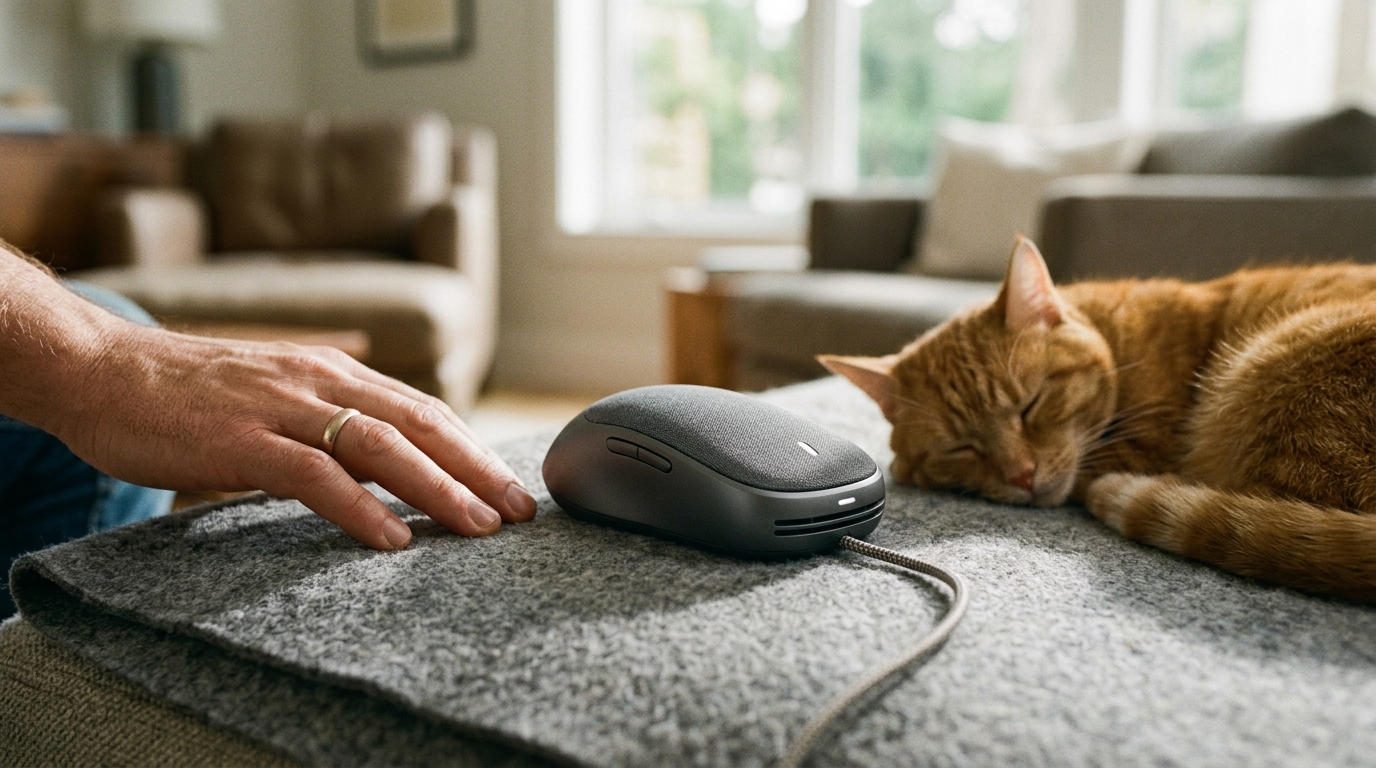
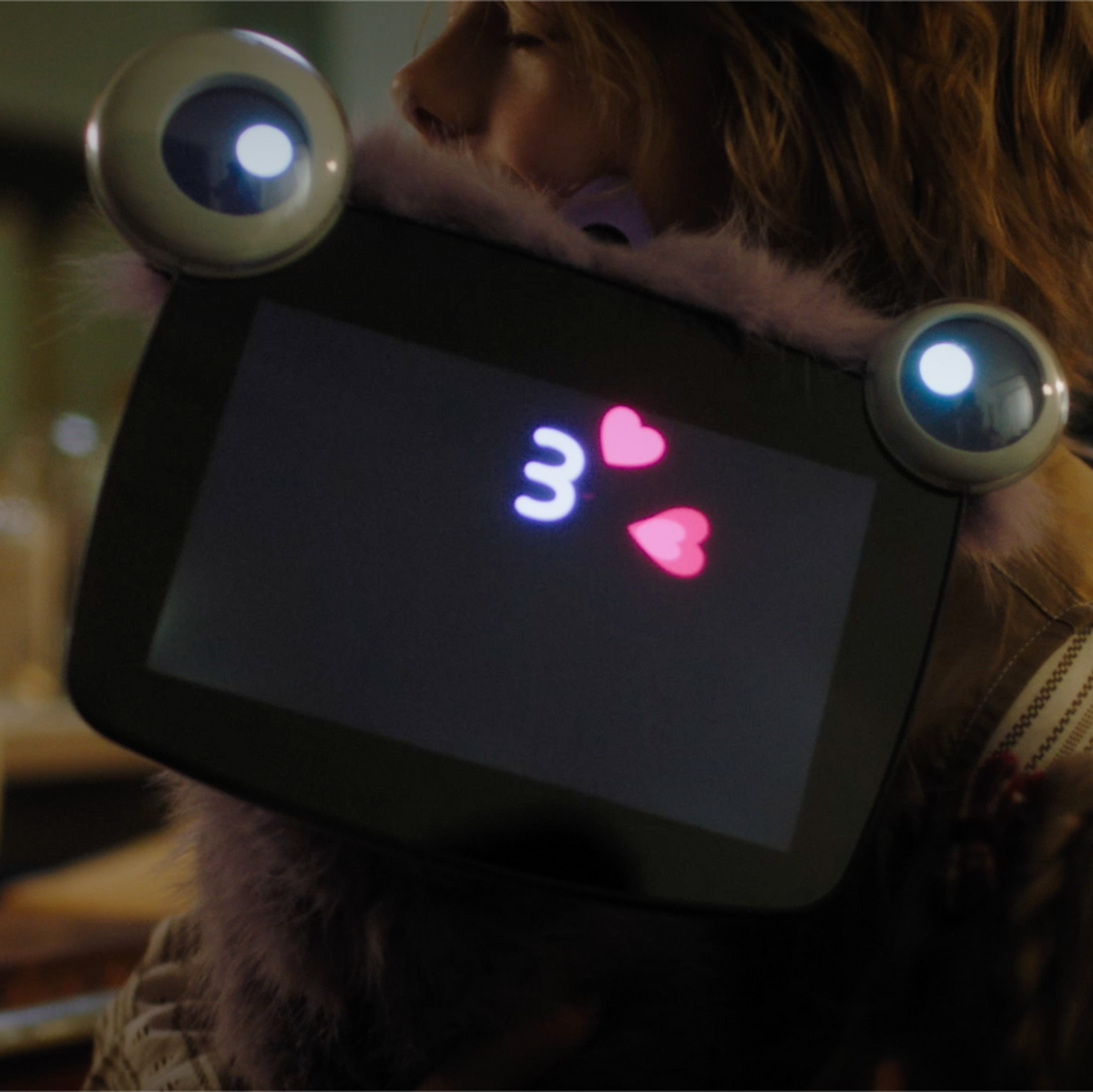
The OlloNi pet AI pitch is not the product most people thought it was. On 11 April, OLLOBOT used International Pet Day to relaunch OlloNi as a “cyber-pet”: a small companion robot with an expressive screen for a face, designed for young people, children and seniors living alone who want the emotional pay-off of a pet without the feeding, walking and vet bills. The launch announcement explicitly frames the product as a companion, not a replacement for a living pet, and that framing is the real story.
- OLLOBOT announced its OlloNi cyber-pet companion robot on 11 April 2026 (International Pet Day), positioning it for emotional companionship rather than household tasks.
- OlloNi uses a screen face that cycles through thousands of expressions; touch-sensitive horn shapes act as instant-stop and emotion sensing controls.
- The design philosophy is enough-smart is the real smart: deliberately limited intelligence with emphasis on emotional resonance.
- Why it matters: pitched at people living alone and at families – a real test of whether UK and EU consumers will pay for AI companionship for someone they love.
Why OlloNi is a better proof point than people admit
Companion robotics has cycled through Furby, Aibo, Vector and a long list of forgotten experiments. OlloNi’s position is simpler and, paradoxically, more defensible. It is pitched as a low-burden cyber-pet rather than a superintelligent assistant, explicitly for people for whom a real animal is not practical. That restraint is the product. If consumers will accept an AI companion shaped this way, the emotional-AI category has a viable retail template for the first time.
The product is less important than the framing
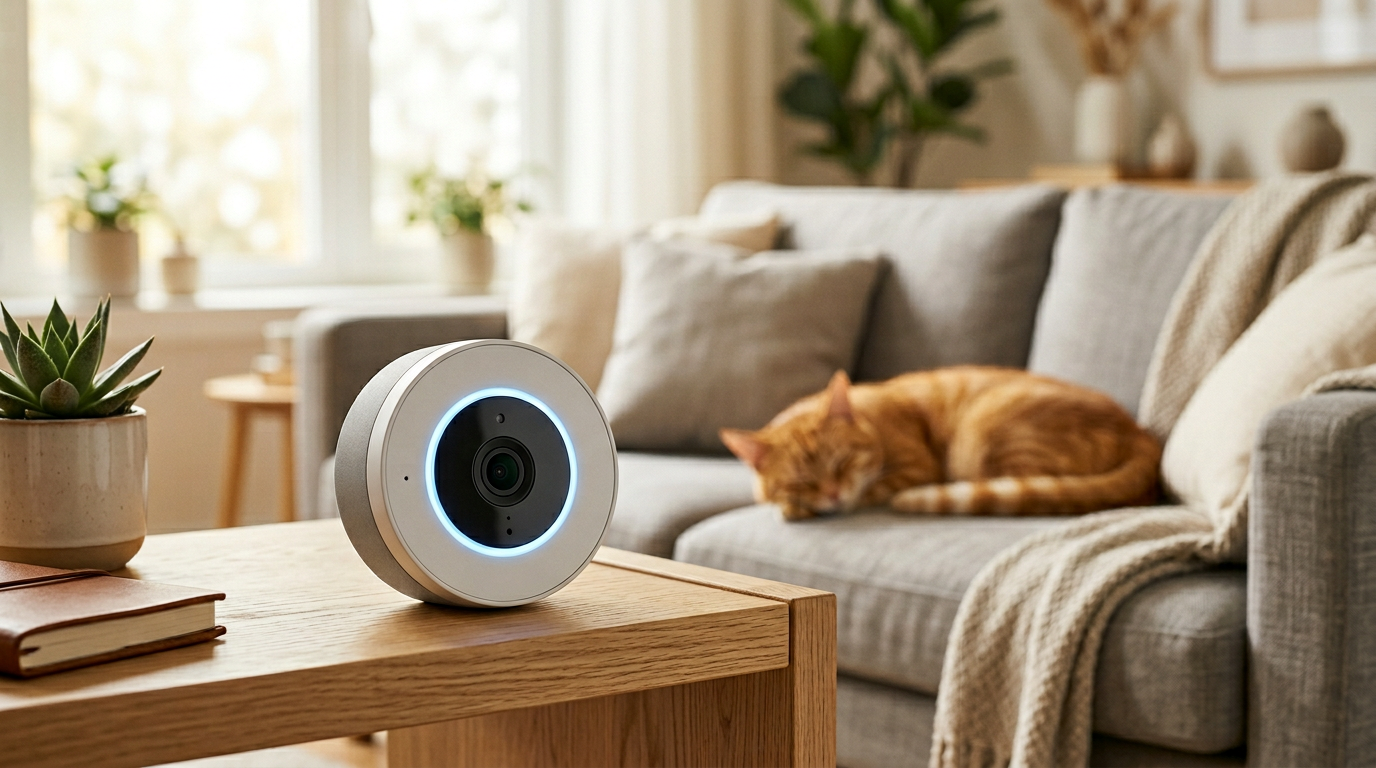
As hardware, OlloNi is a soft-bodied desktop robot with a high-fidelity facial screen capable of thousands of expressions, horn-like touch controls for instant stop and mute, cameras and facial recognition for attention and memory capture, and full-body touch sensors. The framing is what matters. OLLOBOT is leading with companionship and “enough-smart is the real smart”, not with a capability checklist. Pet-tech has historically leaned into surveillance-style marketing and stalled; OlloNi is trying the opposite tack.
Trust is the product
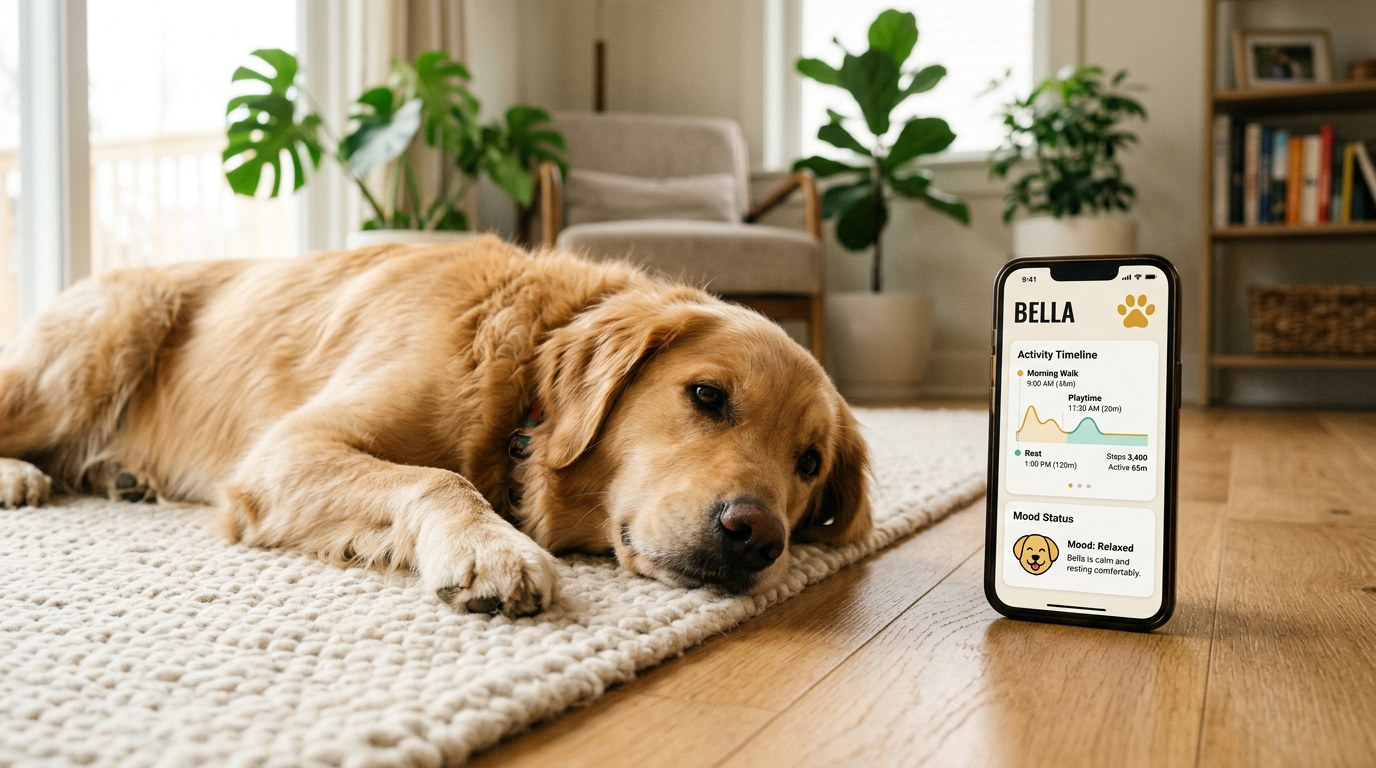
The cameras and microphones on OlloNi are non-trivial. That is why OLLOBOT’s positioning keeps returning to intentional limits: hardware mute horns, emotional rather than analytical reactions, and a deliberate cap on the level of intelligence embedded in the device. In a post-2025 consumer AI climate, those are not wellness garnish. They are the entire product. Anyone pushing AI into emotional territory without a trust architecture deserves to fail. OlloNi has at least written the outline of one, and will need to back it up with clear privacy policies before Kickstarter fulfilment.
Where it could misfire
Emotional AI marketing is dangerous. “We understand how you feel” sounds enchanting in a launch video and cringe-worthy in a 60 Minutes segment if the model guesses wrong. OlloNi has to resist the temptation to cosplay empathy beyond what the sensors can actually support. The safest version of a cyber-pet behaves like a thoughtful companion who defers to its owner. The worst version behaves like a self-appointed therapist with bad data.
| Feature | Old pet tech | OlloNi cyber-pet |
|---|---|---|
| Core framing | Surveillance | Companionship |
| Data posture | Vague | Hardware mute controls, capped intelligence |
| Target emotion | Control | Care |
| Upgrade path | More cameras | More nuanced expressions |
Why MTW thinks this will matter in 2027
If OlloNi can make companionship AI feel dignified for the cyber-pet use case, the same framing will run through the next category: elderly care. That is a much bigger market, a much harder trust problem, and the exact category where AI backlash is most likely. OlloNi’s April 11 push is therefore not really a pet launch. It is a staging post for a bigger argument about what consumer AI is allowed to do for people we love.

Verdict
OlloNi is a small launch with a large question attached. The hardware will be outclassed within a year. The framing will outlast it. If OLLOBOT can prove that emotional AI can be restrained, specific and kind, rather than theatrical, it wins more than a cyber-pet category. It wins a template. The company has confirmed a Kickstarter launch for OlloNi later in 2026; that will be the first real test of whether the pitch lands with paying customers.
How OlloNi compares to the wider companion-robot field
OlloNi is not the only company chasing this market, and that is part of why its framing matters so much. Anki’s Vector, LG’s Q9 and a clutch of Chinese brands have all pushed “smart assistant in cute housing” for years, with diminishing returns once the novelty wears off. OlloNi is the first major launch to lean explicitly into cyber-pet and companionship language, and if that stance holds up to real-world use, the entire category will quietly converge on its vocabulary by 2027.
Related reading on MTW
Buyer action
Where to buy or check next
Use this as the final check before ordering a phone, changing network or trusting a headline monthly price.














Reader discussion
Leave a comment
Comments are moderated. Keep it useful, accurate, and on topic.