
At £349, the Nothing Phone 4a poses a sharper question than its price tag suggests: how much phone do you actually need before the extra spend stops buying you anything you will notice? Nothing launched the handset on 13 March 2026, according to 9to5Google, and a season on it has settled into the slot I find hardest to argue with all year, the £300 to £350 bracket where a careful buyer gets most of a flagship and pays for almost none of the badge. I have not had this exact unit on my desk, so what follows is built from the published specifications, the launch pricing and the reviews already out from outlets like NotebookCheck and Tech Advisor. The short version: this is the one I would steer most undecided buyers towards, with two clear exceptions I will come to.
The Phone (4a) at a glance
- Price from £349 for 8GB/128GB, rising to around £379 to £399 for the 12GB/256GB version (9to5Google).
- Snapdragon 7s Gen 4 chip, a genuine step up from the mid-range parts in this price band.
- 6.78-inch 120Hz AMOLED display at 1224 x 2720, under Gorilla Glass 7i.
- 50MP main camera plus a 50MP 3.5x periscope telephoto, the headline upgrade over the previous generation.
- 5,080mAh battery with 50W wired charging, and Nothing OS 4.1 on Android 16.
What £349 actually buys you in 2026
The temptation in this bracket is to read the spec sheet as a list of compromises. It is not, or not mostly. The Snapdragon 7s Gen 4 is the part that does the quiet heavy lifting: it is quick enough that day-to-day use, app switching, scrolling, the camera shutter, never feels like you are being punished for spending less. Pair it with a 6.78-inch 120Hz AMOLED panel and you have the two things that make a phone feel expensive, a fast chip and a smooth bright screen, for the price most rivals charge for one of them. That is the calculation that matters, and it is why I rate the Phone (4a) above the crowd of identikit handsets it sits next to.
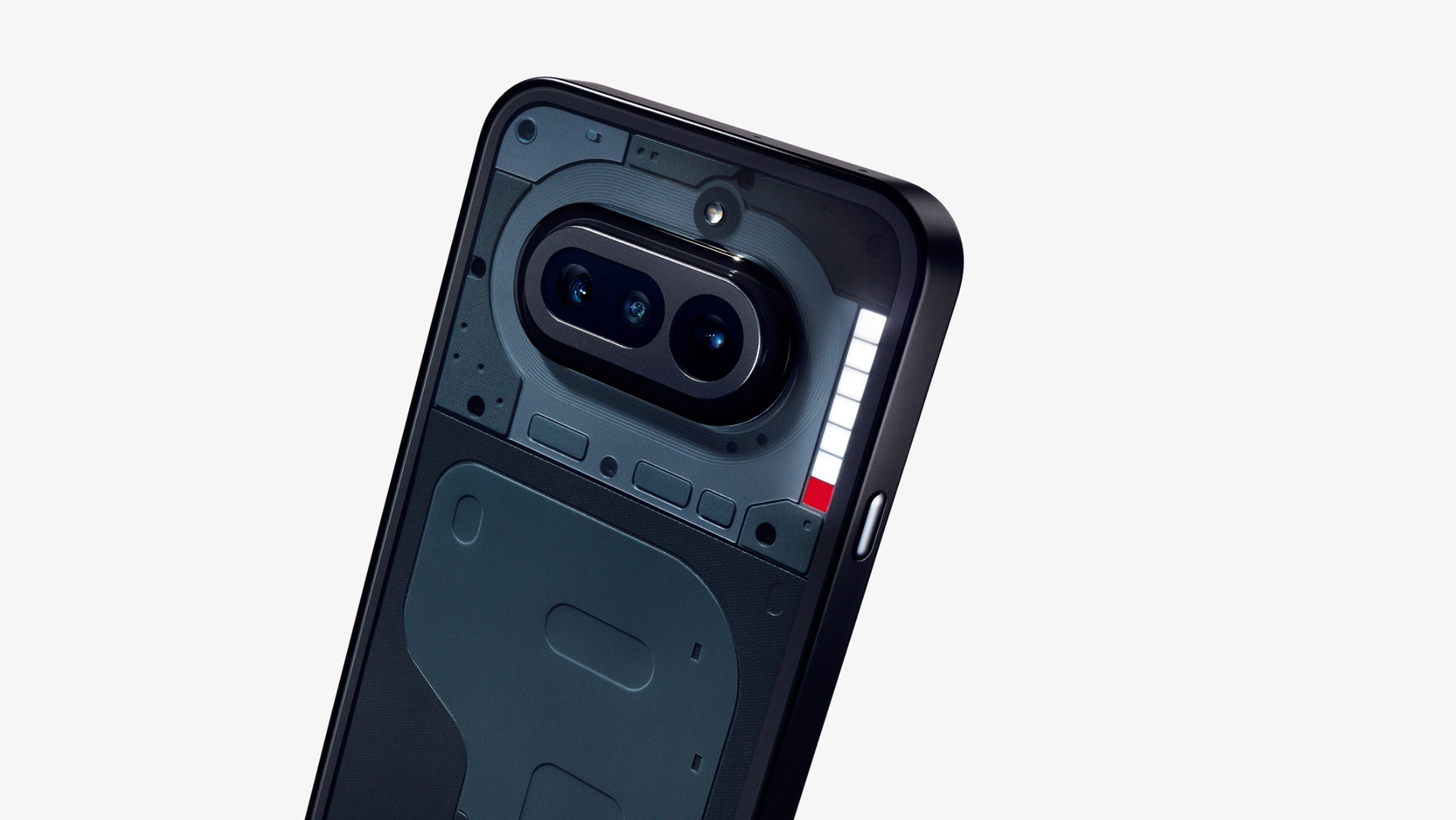
Then there is the bit you cannot put on a spreadsheet: it looks like nothing else at the price. The transparent back and Glyph lighting are divisive, and I understand readers who find them gimmicky, but on a shelf full of glossy black slabs the Phone (4a) is the one a stranger picks up and asks about. If you want the same design language with more power, our Nothing Phone 3 review covers the flagship, and the Phone 3a is the model this one replaces. The 4a is the cheapest way into that look without feeling like you bought the cheap one.
The periscope camera is the spec doing the real work
Most phones at £349 give you a decent main sensor and then pad the camera count with a macro lens nobody uses. Nothing did something genuinely useful instead: a 50MP main camera backed by a 50MP 3.5x periscope telephoto. A real optical zoom at this price is rare, and it is the spec that will actually change the photos you take, portraits with proper compression, a usable reach for a child on a stage or a sign across a street, rather than a digital crop that falls apart. This is the difference between a spec that sells the box and a spec you will use on a Saturday.
I would temper expectations on the rest. The main sensor is good in daylight and competent after dark, but it is not going to embarrass a Pixel, and Nothing’s processing leans a touch contrasty for my taste. If the camera is your single priority and you can stretch the budget, the Honor and Pixel camera comparison is where I would point you next. But judged at £349, the photographic package is the most complete in the bracket, and the telephoto is the reason.
Where Nothing cut corners to hit the price
No phone is honest about its compromises in the advert, so here are the ones I would weigh. The frame is plastic, not metal, which keeps the weight down but feels its price next to an aluminium rival. There is no wireless charging, the storage is the slower UFS standard rather than the fastest tier, and the ingress rating protects against splashes rather than a dunk in the sink. None of these is a dealbreaker at £349, but they are the line items that separate this from a £600 phone, and you should know you are choosing them rather than missing them.
The one I would think hardest about is software support. Nothing’s update policy is decent but not class-leading, and at this price longevity is part of value: a phone you keep for four years is cheaper per year than a flashier one you replace in two. That is the same maths I apply to every recommendation, and it is why I keep nudging readers away from the shiniest option towards the one that ages well.
How the Nothing Phone 4a stacks up on price
The honest way to judge a budget phone is against the things you would otherwise buy with the same money. Here is the shortlist a UK buyer is realistically choosing between, with reference pricing checked on 14 June 2026.

| Phone | From | Headline strength | The catch |
|---|---|---|---|
| Nothing Phone (4a) | £349 | Fast chip, 120Hz AMOLED, 3.5x periscope zoom | Plastic frame, no wireless charging |
| Nothing Phone (4a) Pro | £499 | Upgraded cameras and finish over the 4a | £150 more for gains most buyers will not need |
| Google Pixel 9a | £499 | Best-in-class processing and long updates | £150 dearer, no optical zoom |
| Samsung Galaxy A56 | £499 | Long Samsung support, solid screen | Slower charging, pricier for the spec |
| Apple iPhone 16e | £599 | iOS and long-term support | Almost double the money, single camera |
Read that table and the case makes itself. The Phone (4a) is the only one on the list under £400, and it is the only one with a real telephoto. The Pixel 9a is the phone I would point a camera-first buyer towards, and its update record is genuinely better, but you are paying £150 for it. For most people that £150 is better kept, or spent on a case and a year of cloud storage, than handed over for a marginally cleaner photo. If your shortlist runs further up the range, our look at whether the Pixel 10a is worth it and the Pixel 10 against the iPhone 17 are the next two decisions to make.
The British brand angle, and why it is not just marketing
Nothing is a London company, founded by Carl Pei after he left OnePlus, and that matters here in a way I do not usually indulge. It is not about flag-waving; it is that Nothing’s whole pitch, clean software with no bloatware, a design you actually notice, restraint where rivals pile on features nobody asked for, is exactly the discipline that makes a cheap phone good rather than just cheap. The ad-free, sparing version of Android on the Phone (4a) is a real advantage over the budget handsets that arrive stuffed with duplicate apps and a launcher you cannot remove.
It is also why the brand keeps winning this bracket while bigger names coast. If you are cross-shopping a flagship instead, the same value test applies, and my view on whether the Galaxy S26 is worth it runs the numbers at the other end of the market.

Where to buy the Phone (4a) in the UK
A few practical checks before you spend, all worth running on the day you buy.
- Nothing’s own UK store lists the Phone (4a) from £349 and is the safest route for the full colour range and the latest firmware out of the box.
- Amazon UK and Currys are the two mainstream retailers to compare on the day, both for outright price and for any bundle or trade-in that undercuts the list price.
- Check the storage tier carefully: the £349 price is the 128GB model, and with no memory-card slot the jump to 256GB is worth the roughly £30 to £50 premium if you keep a lot of photos.
- If you want it on contract, price the handset SIM-free against the total cost of a 24-month deal before signing, because at this price a cheap SIM plus an outright purchase almost always wins.
- Confirm the returns window and warranty terms with whichever seller you choose, and keep the order confirmation until the 14-day distance-selling cancellation period has passed.
The one I would actually buy
If you have £350 and you want the most phone for it, buy the Nothing Phone (4a). It is the rare budget handset that feels like a choice rather than a compromise, and the periscope zoom and 120Hz screen are things you will use every day, not specs you will forget by August. Two people should ignore me. If photography is the whole point of your phone, find the extra £150 for the Pixel 9a and its better processing and longer updates. And if you live inside Apple’s ecosystem, the iPhone 16e is the safer landing even at £599, because fighting your own messages and watch is a false economy. Everyone else, and that is most of you, should keep the £150 the rivals want and buy the 4a. I would spend that difference on a decent case and a few years of cloud backup, not on a badge.




Reader discussion
Leave a comment
Comments are moderated. Keep it useful, accurate, and on topic.