UPDATED · News · 25 Mar 2026 · Daniel Reid
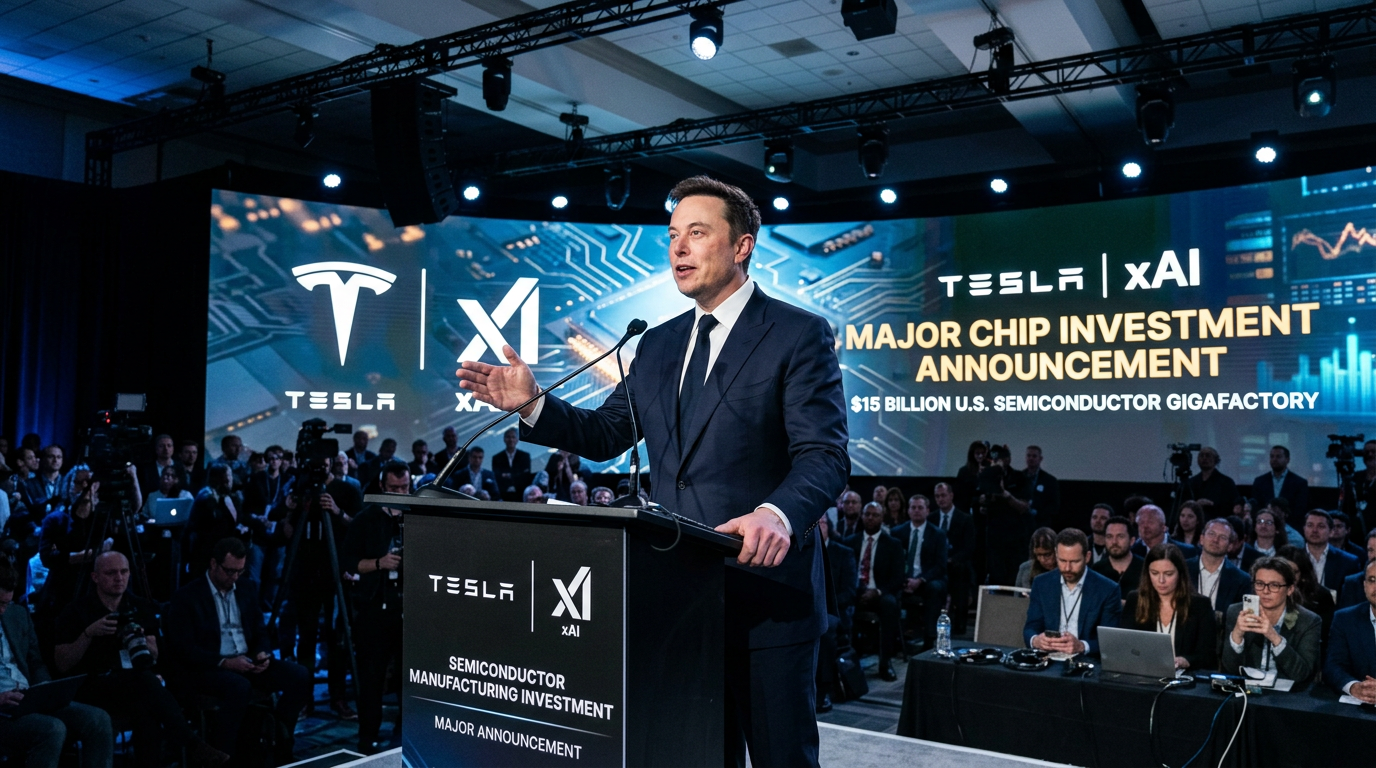
Elon Musk took the stage at Austin’s Seaholm Historic Power Plant on Saturday 21 March 2026 and announced Terafab, the Musk Terafab joint venture between Tesla, SpaceX and xAI that will consolidate chip design, fabrication, memory production, advanced packaging, and testing under a single roof in Austin, Texas. The headline price tag is roughly $25 billion (around £20 billion), and Intel subsequently joined the venture on 7 April 2026 to contribute foundry expertise, per Electrek.
What Happened
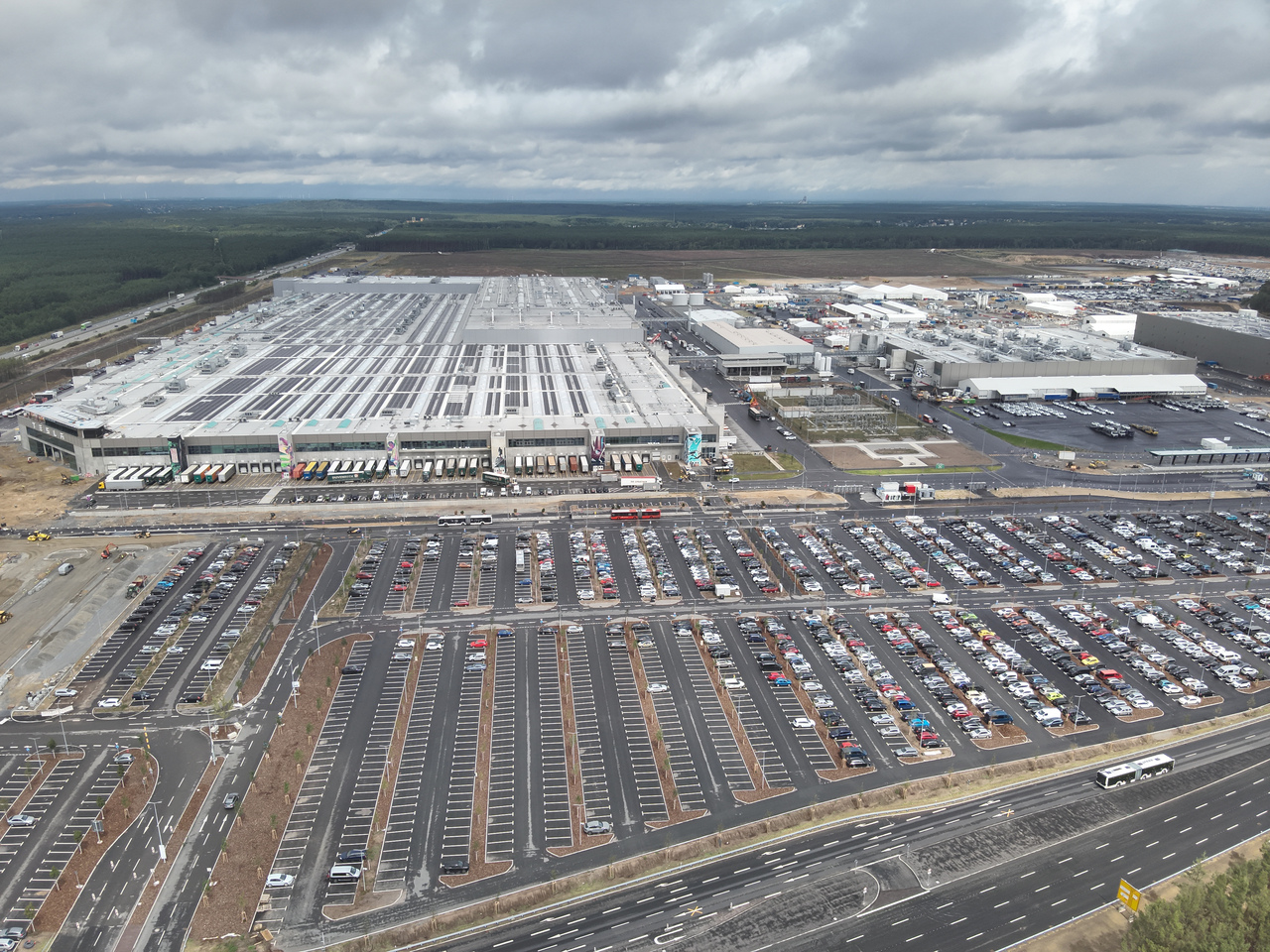
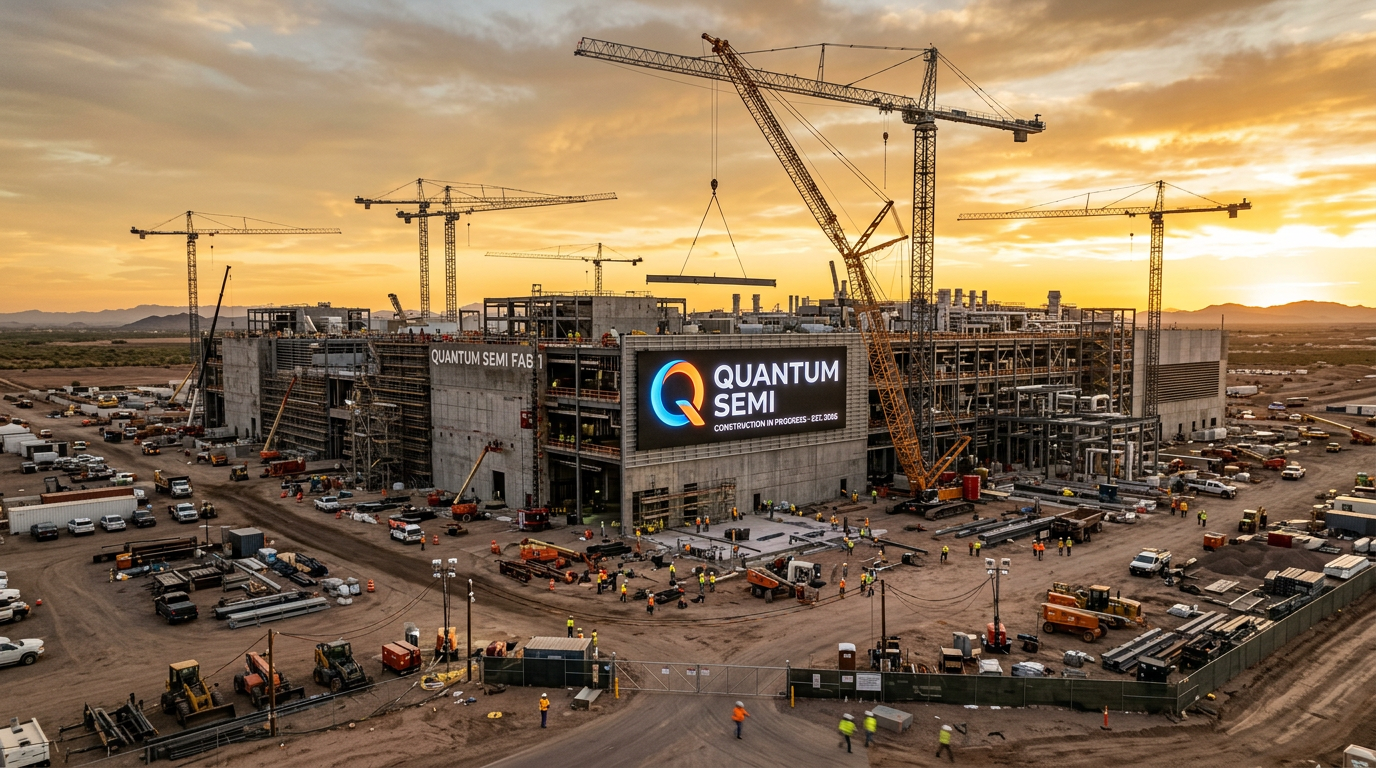
The facility will be built on the North Campus of Giga Texas, adjacent to Tesla’s existing Austin manufacturing base. Its stated goal is one terawatt of computing output per year, a scale that would make it one of the largest semiconductor operations on the planet, as Reuters reports.
What Terafab will actually make
Musk outlined a clear allocation: 80 per cent of Terafab’s compute output will be directed toward space applications, satellite processing, orbital data centres, and SpaceX’s Starlink constellation, with 20 per cent serving terrestrial applications including Tesla vehicles and xAI’s models, as TechCrunch notes.
Musk Announces a New Model: The Competition Response
What makes Terafab different is the vertical integration. Most fabs are contract manufacturers, they build chips designed by other companies. Terafab will design and manufacture chips for a specific set of applications across three companies that Musk controls. This is closer to how Samsung operates (designing and manufacturing its own mobile chips) than how TSMC works.
What it means for consumers
In the short term, nothing. Terafab will not produce chips for consumer devices beyond Tesla vehicles, and even that is years away from volume production. But in the longer term, Musk’s bet on vertical integration, controlling the full stack from chip design to vehicle manufacturing, could change how EVs are priced and how quickly their technology improves. For more, see our news coverage.
If Tesla can produce its own AI chips at scale, it removes a bottleneck that currently limits how quickly new self-driving features can be deployed. It also creates a template that other car manufacturers may follow: designing custom silicon for specific vehicle applications rather than using off-the-shelf components. For more, see our editorials.
Whether the project Musk announces actually delivers on his vision is another question entirely. His track record of announcing ambitious projects is strong; his track record of delivering them on time and on budget is considerably weaker. But what Musk announces here signals where the EV and AI industries are heading: toward companies that control every layer of their technology stack, from the silicon to the software to the service.
What the Musk Terafab $25 billion (around £20.0 billion) bet actually buys in the chip race
Twenty five billion dollars is a serious number even by Musk standards, but the interesting figure inside the Terafab announcement is not the headline capex – it is the joint structure with the unnamed Asian fab partner. By taking a co-investment rather than building a fab from scratch, Musk effectively short-circuits the four-to-five-year construction timeline that has haunted every greenfield US fab project, and gets a working production line on the books in 2027 rather than 2030.
The Terafab strategic logic is straightforward: xAI’s compute demand is growing faster than NVIDIA can deliver, Tesla’s Dojo programme has its own chip pipeline, and Starlink terminals are now a non-trivial silicon consumer in their own right. Vertically integrating chip manufacturing for the Musk portfolio is the kind of move that only makes sense if you genuinely believe your combined annual silicon spend is heading to ten figures. By 2027 it almost certainly will be.
For everyone outside the Musk orbit, the Terafab announcement is mostly a watch-and-wait story. If the joint venture actually delivers wafers on schedule, it adds meaningful US-located leading-node capacity to a market that desperately needs it. If it slips like every other recent fab project, it becomes another expensive vanity project. The next milestone to track is the equipment order announcements – that is when you find out whether Terafab is real or theatre.
Buyer action
Where to buy or check next
Use this as the final check before ordering a phone, changing network or trusting a headline monthly price.












Reader discussion
Leave a comment
Comments are moderated. Keep it useful, accurate, and on topic.