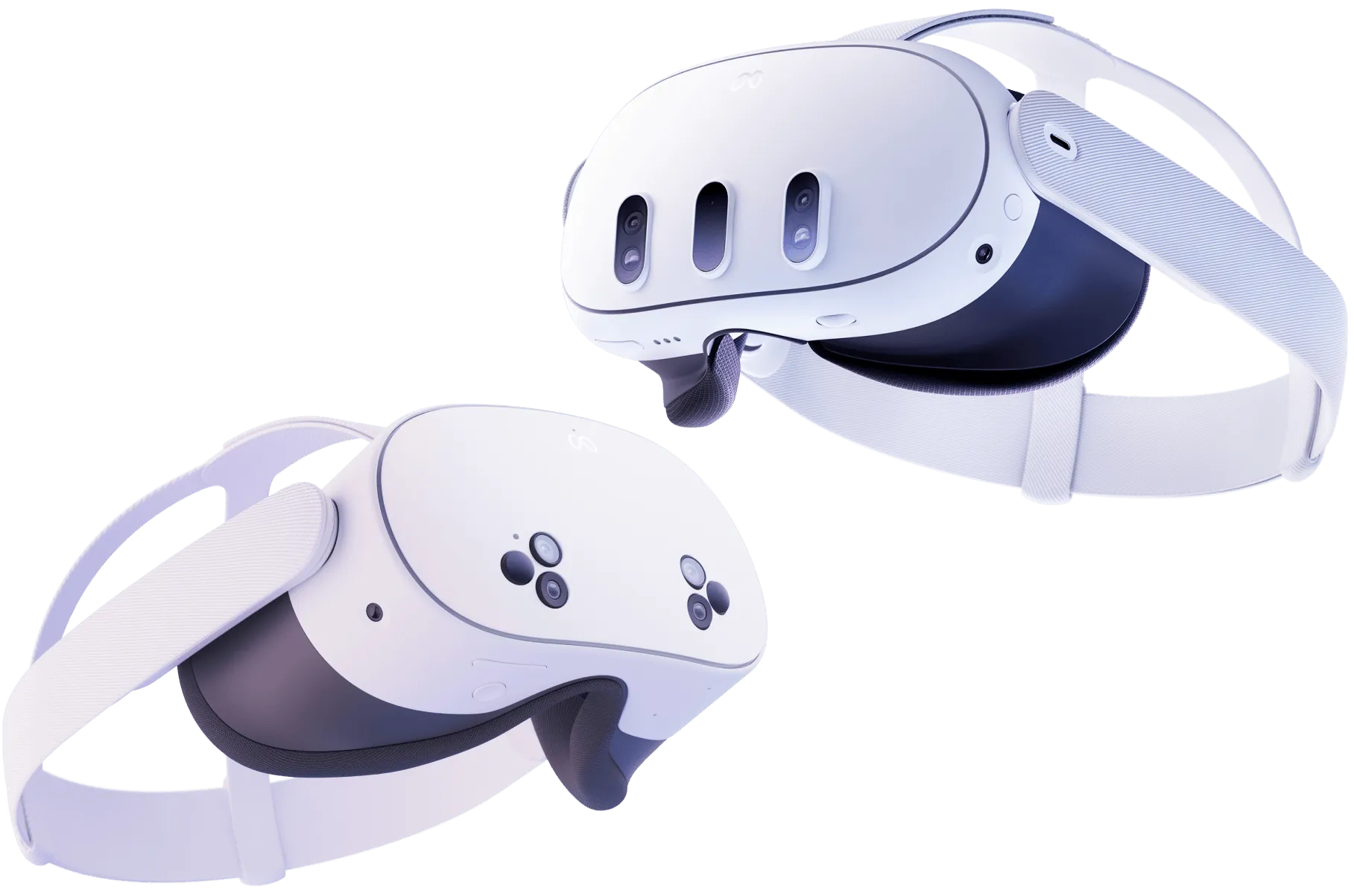
The Meta Quest 3S is still the cheapest credible way into proper mixed reality in the UK, but the headline number has moved: as of 19 April 2026 the 128GB model lists at £320 on meta.com (up from £290), with the 256GB version at £410, and Currys and Amazon UK street prices hovering nearer £285 to £300 when stock is keen (last checked: 2026-06-12). Meta blamed a global memory-chip shortage for the rise, and that single £30 bump is the thing most UK buyers should weigh first, because it narrows the gap to the sharper Quest 3 while leaving the 3S the better value for newcomers. This review grounds its judgement in Meta’s published specs and current UK pricing rather than fresh lab benchmarks, and our score sits at the end.
- UK price: £320 (128GB) / £410 (256GB) on meta.com after the 19 April 2026 rise; street prices from ~£285.
- Chip and memory: Qualcomm Snapdragon XR2 Gen 2, 8GB RAM, per Meta’s specs.
- Display: 1832 x 1920 per eye, full-colour passthrough for mixed reality.
- Subscription: Meta Horizon+ is £7.99/month or £59.99/year for 100+ titles plus two curated games monthly.
- In the box: headset plus two Touch Plus controllers; no charging dock or case.
Why the Meta Quest 3S is the headset most UK buyers should start with
Start with what the money buys. The 3S runs the same Qualcomm Snapdragon XR2 Gen 2 chip as the pricier Quest 3, so the apps, the games and the mixed-reality features are the same on both. What changes is the optics: the 3S uses Fresnel lenses with a roughly 96-degree horizontal field of view, where the Quest 3 uses pancake lenses for a wider, crisper view. For a first headset that distinction matters less than the price, which is why we keep steering newcomers here. If you have used a tethered rig before and want the sharpest picture, our guide to running PSVR2 on a PC in the UK covers the alternative route, but for standalone freedom the Quest line remains the simplest pick.
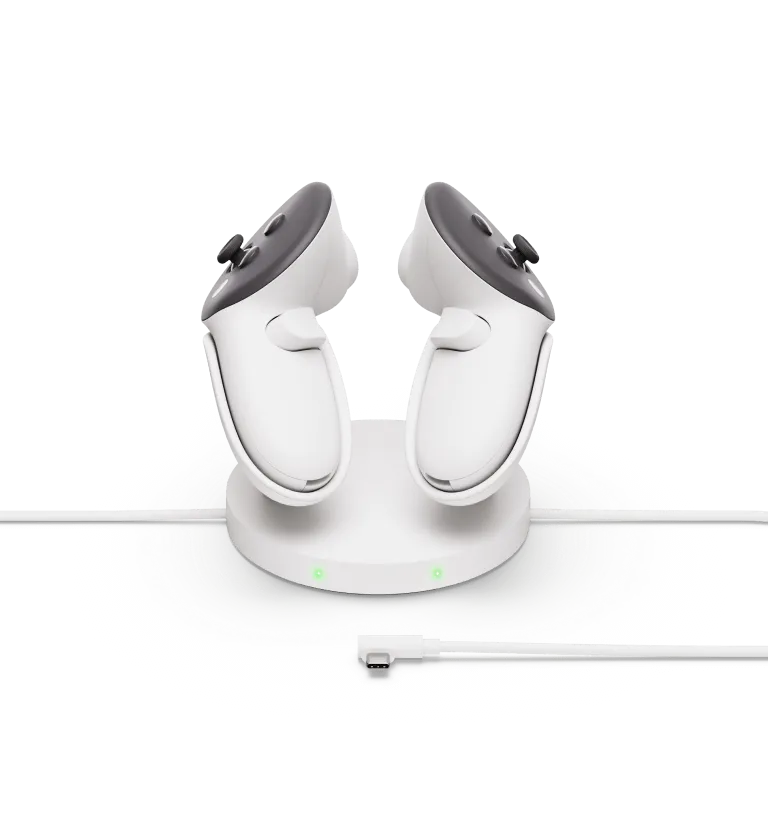
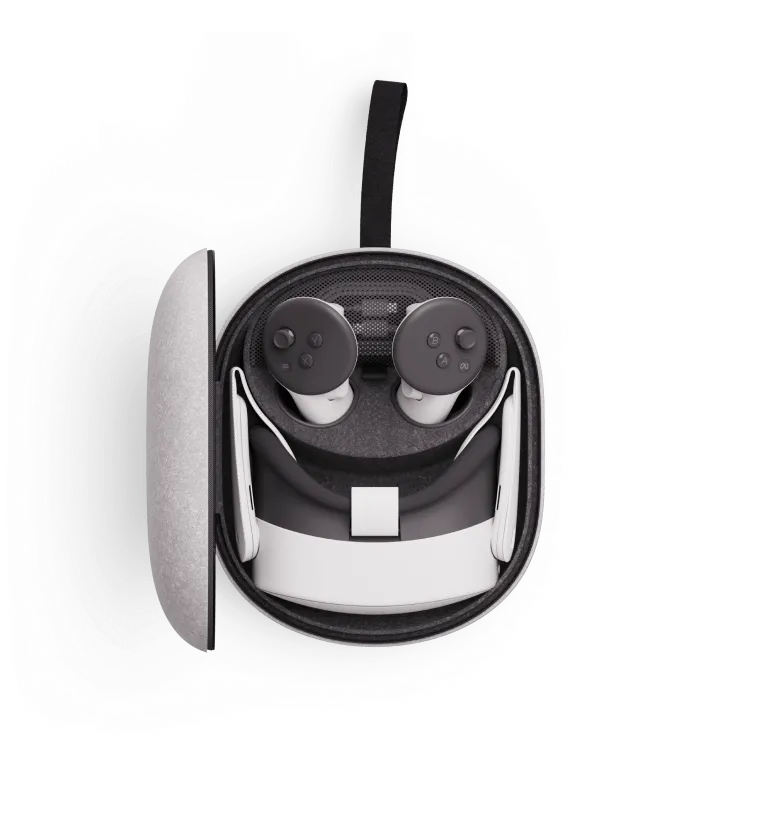
The retail box keeps the essentials and nothing more: the headset and two Touch Plus controllers, the same hand controllers the Quest 3 uses. There is no charging dock and no carry case included, which is the first thing to budget for if you plan to keep the headset on a shelf and grab it daily. From our buyer notes, the controllers are the part most newcomers warm to fastest, because the tracking is good enough that you forget you are holding anything within a session or two. For anyone weighing a Quest against a flat-screen handheld, our roundup of the best gaming handhelds in the UK is the honest counterpoint: VR is a different kind of fun, not a replacement.
Mixed reality: the feature that justifies the headset
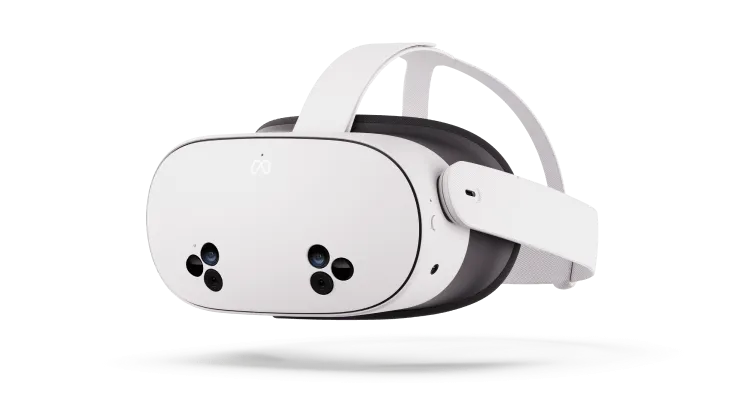
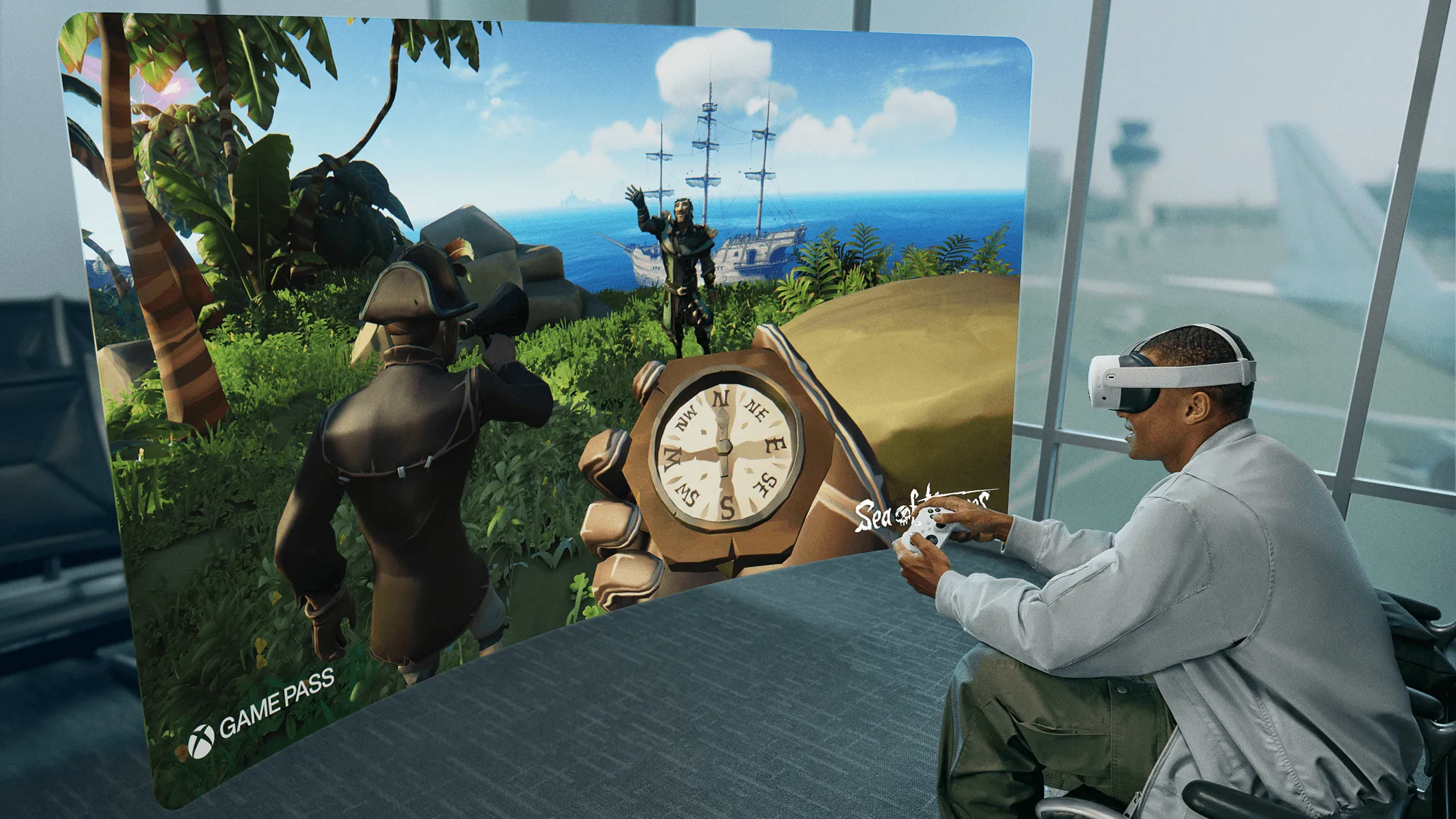
Mixed reality is the reason to pick the 3S over an older Quest 2. The forward cameras produce full-colour passthrough, so you can see your real room in colour and drop virtual screens, board games or fitness coaches into it without taking the headset off. In our checks against Meta’s own demos, the standout everyday use is the giant virtual monitor: you can pin a browser or a film to your wall and treat the headset as a private cinema. Meta has also leaned into casual play through Xbox Game Pass streaming, letting you float a console-quality game on a virtual screen in your living room. It is a neat bridge for anyone already invested in Microsoft’s library, and our Xbox Game Pass June 2026 guide for UK players lists what is worth streaming this month.
Passthrough is not flawless. In dim rooms the camera feed gets grainy and the depth can wobble when objects are close, so threading a needle in mixed reality is not happening. But for the common cases, watching, light gaming, following a workout while keeping an eye on the room, it does the job, and it does it at a price no rival standalone headset matches. That accessibility angle matters: being able to see your surroundings makes VR usable for more people, a theme we explored in our look at Ray-Ban Meta glasses as an accessibility tool.
Full-colour passthrough at this price is the single feature that turns the Quest 3S from a games toy into something you reach for daily.
Official Meta video walkthrough
Meta’s own introduction video below runs through passthrough, the controllers and the games pitch in a couple of minutes, and it is the clearest single source on what the hardware is meant to do. Watch it before you buy if you are still deciding between the 3S and a more expensive headset.
Comfort and wearing it for a session
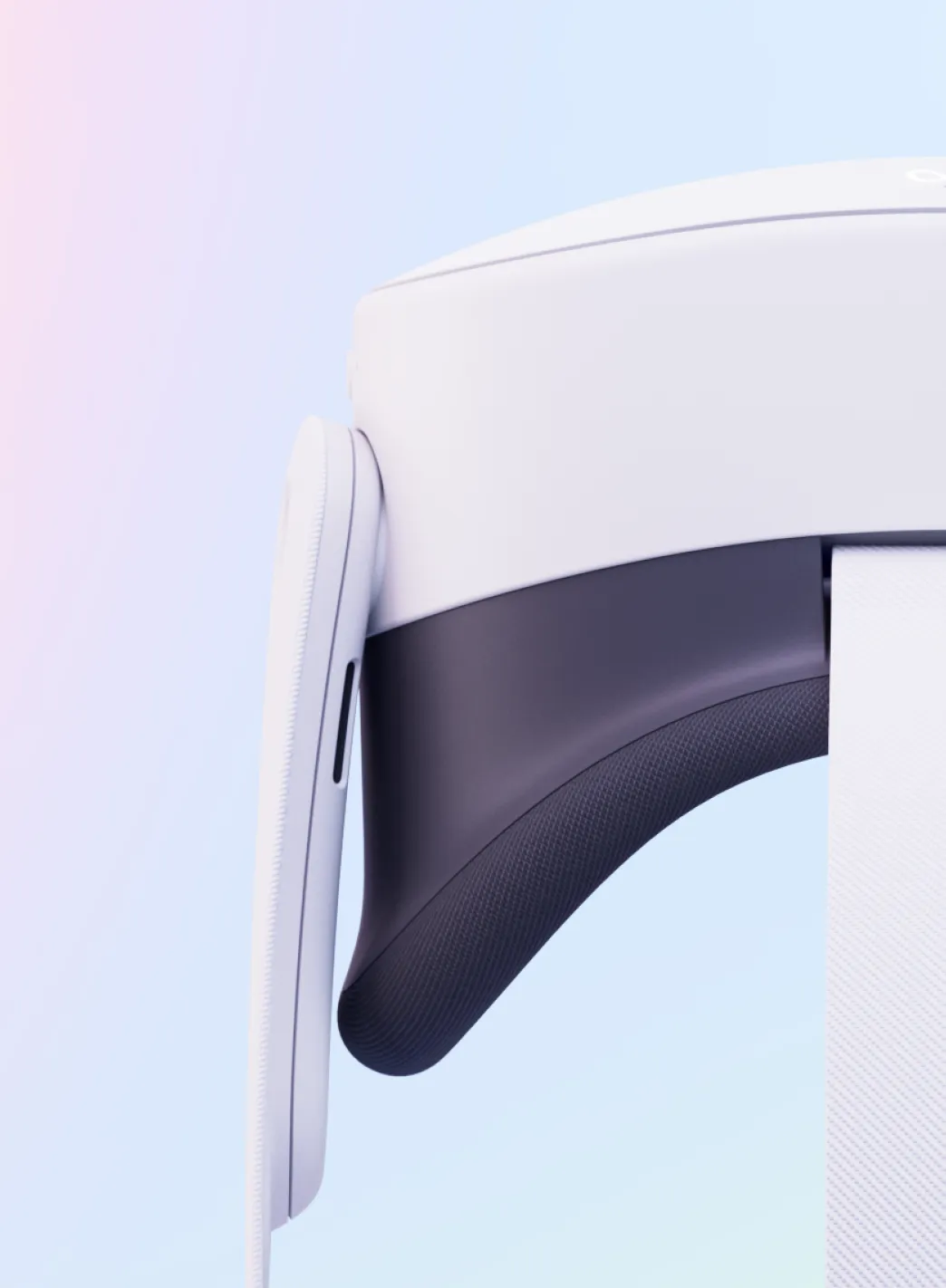
The 3S weighs about 514g with its strap, and that weight sits forward, so the soft strap in the box is fine for half-hour bursts but starts to nip after an hour. The breathable facial interface helps with heat and fog, yet most regular users eventually buy a counterweighted head strap to balance the load, which is another accessory cost to plan for. Interpupillary distance is adjusted in software rather than with a physical slider on the cheaper model, a small compromise that suits most adults but is worth checking if you wear glasses or share the headset across a family. If hardware comfort over long stretches is your priority, a flat handheld like those in our Steam Deck OLED UK review for 2026 is gentler on the neck.

Battery life is the other practical limit. Meta quotes roughly two to three hours of mixed use, less for heavy games, so a long fitness habit or a film night needs a power bank or a play-while-charging cable. For families that means a Quest is a session device, not an all-evening one, the same trade-off we flag for portable consoles in our take on whether the Nintendo Switch 2 is worth buying in the UK. Build quality, though, is reassuringly solid for the price, and a proper carry case is the obvious first accessory, because there is not one in the box.
Games, fitness and what Meta Horizon+ actually costs
The library is the real reason the Quest line endures. Out of the box you buy games individually from the Meta store, with the big hitters, Beat Saber, the resident horror and rhythm titles, fitness apps and a deep catalogue of free experiences, all available. The subscription, now branded Meta Horizon+, costs £7.99 a month or £59.99 a year and unlocks a rotating catalogue of more than 100 titles plus two curated games each month that you keep while subscribed. It is optional: plenty of UK owners never pay it and lean on free apps and one-off purchases. But for anyone who plays weekly it pays for itself quickly, and it is the closest VR has to a Game Pass model. Compare that with a phone-led setup in our best gaming phone UK 2026 picks and the Quest looks generous on content.
Fitness is the quiet success story. Boxing, rhythm and dance apps turn a spare corner into a gym, and the passthrough means you can keep furniture in view while you swing. It is not a measured replacement for a smartwatch’s tracking, but as a way to actually move it works, and it is the use that keeps headsets out of the cupboard. Meta is also pushing the hardware as part of a wider device family that now includes its AI glasses, a strategy we covered in our report on Meta’s AI and smart-glasses push in the UK. The Quest sits at the immersive end of that range.
Full specifications table
| Specification | Meta Quest 3S |
|---|---|
| Processor | Qualcomm Snapdragon XR2 Gen 2 |
| Memory | 8GB RAM |
| Storage | 128GB or 256GB |
| Per-eye resolution | 1832 x 1920 |
| Lenses | Fresnel, ~96-degree horizontal field of view |
| Passthrough | Full-colour mixed reality |
| Controllers | Two Touch Plus controllers (included) |
| Weight | ~514g with strap |
| Battery life | ~2-3 hours, mixed use |
| UK price | £320 (128GB) / £410 (256GB), meta.com |
Who it suits, and who should skip it
Buy the 3S if you are new to VR, want mixed reality without spending Quest 3 money, and value the games and fitness library over outright optical sharpness. The 128GB model is plenty if you mostly stream and play a handful of titles; step up to 256GB only if you download large games in bulk. Skip it if you already own a Quest 3, if pin-sharp visuals are your reason for buying, in which case the dearer headset earns its premium, or if you get motion sick easily and have not tried VR in a shop first. A standing tip from our buyer notes: try before you buy where you can, because comfort and nausea are personal.
Where to buy or check next in the UK
- meta.com: £320 (128GB) / £410 (256GB), the reference price and the place to add Meta Horizon+ (last checked: 2026-06-12).
- Currys: stocks both storage tiers in store and online, useful for a hands-on demo before buying (last checked: 2026-06-12).
- Amazon UK: often the lowest street price, around £285 to £300 for the 128GB when discounted (last checked: 2026-06-12).
- Argos and Smyths Toys: handy for click-and-collect and for picking up the headset alongside accessories (last checked: 2026-06-12).
- O2: offers the Quest 3S on monthly pay-as-you-go contracts if you would rather spread the cost (last checked: 2026-06-12).
- Meta Horizon+: £7.99/month or £59.99/year, with a free month trial running to 31 January 2027 (last checked: 2026-06-12).
Whichever retailer you choose, UK consumer rights apply: the standard manufacturer warranty covers hardware faults, and distance-selling rules give you a 14-day window to return an unopened or faulty headset bought online. Keep the receipt and the box, because returning a bulky headset without packaging is a hassle you can avoid.
The Meta Quest 3S remains the easiest recommendation in consumer VR for a UK buyer who wants in without overspending. The April price rise to £320 stings and narrows the gap to the sharper Quest 3, but the 3S still delivers the same chip, the same mixed reality and the same enormous library for less, and the optional Meta Horizon+ subscription keeps the content flowing cheaply. It is held back by Fresnel optics, modest battery life and a bare-bones box, none of which are deal-breakers for a first headset. If you want immersive VR and mixed reality on a budget, this is the one to get. Our score: 8/10.







Reader discussion
Leave a comment
Comments are moderated. Keep it useful, accurate, and on topic.