UPDATED · News · 7 Mar 2026 · Daniel Reid
A longer Android update commitment used to be a footnote on a spec sheet. In 2026 it is one of the three most important questions to ask before you spend money on a phone. Samsung and Google both promise seven years of software support on their flagships, OnePlus has settled at four OS upgrades with six years of security patches, and the gap between the top and the bottom of the market is now wide enough to materially affect resale value, banking security, and whether your phone can still be used at work three years from now.
What the major vendors actually promise in 2026
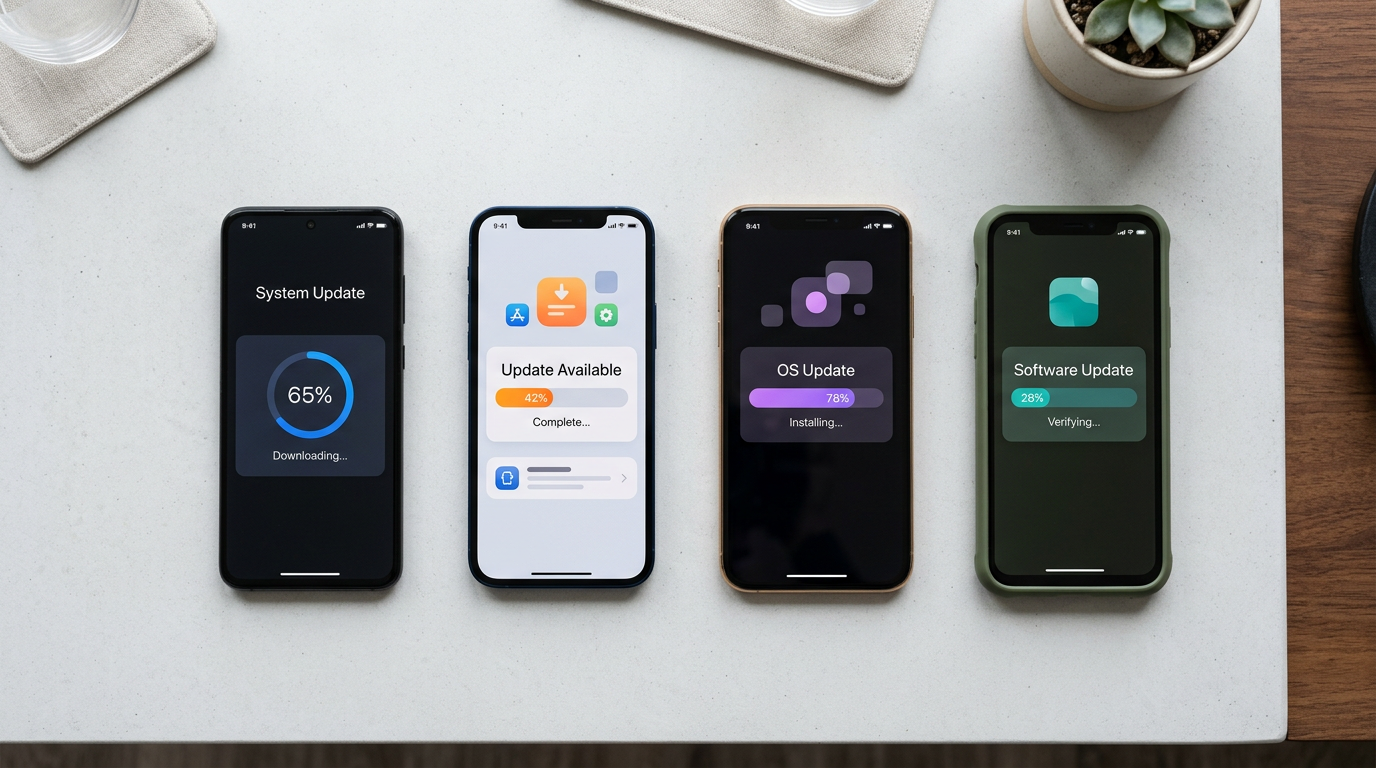
The headline numbers are easier to compare than the small print. Google’s Pixel 10 and Pixel 9 series ship with seven years of OS upgrades and security patches from the original launch date, not from when you bought the phone. Samsung matches that on the Galaxy S26 and S25, and has extended support to the Galaxy A57 5G and A37 5G announced on 25 March 2026 with six OS upgrades and six years of security patches. That is unusual for the mid range and is the strongest argument for buying an A-series phone over a cheaper Chinese rival.
OnePlus’s current 2024 to 2026 flagships, including the OnePlus 13, 13R and OnePlus 15, are committed to four years of OS upgrades and six years of security patches. Xiaomi 15 follows a similar four OS and six years security pattern. Motorola’s Edge 60 Pro settles at three OS upgrades and four years of security patches, and almost everything below that is at the manufacturer’s discretion. Five years from now, that gap will be the difference between a usable secondary phone and an expensive paperweight.
| Phone | OS upgrades | Security patches | Patched until |
|---|---|---|---|
| Google Pixel 10 | 7 years | 7 years | 2032 |
| Samsung Galaxy S26 | 7 years | 7 years | 2033 |
| Samsung Galaxy A57 5G | 6 years | 6 years | 2032 |
| OnePlus 15 | 4 years | 6 years | 2031 |
| Xiaomi 15 | 4 years | 6 years | 2030 |
| Motorola Edge 60 Pro | 3 years | 4 years | 2029 |
Why patch cadence matters more than the headline number
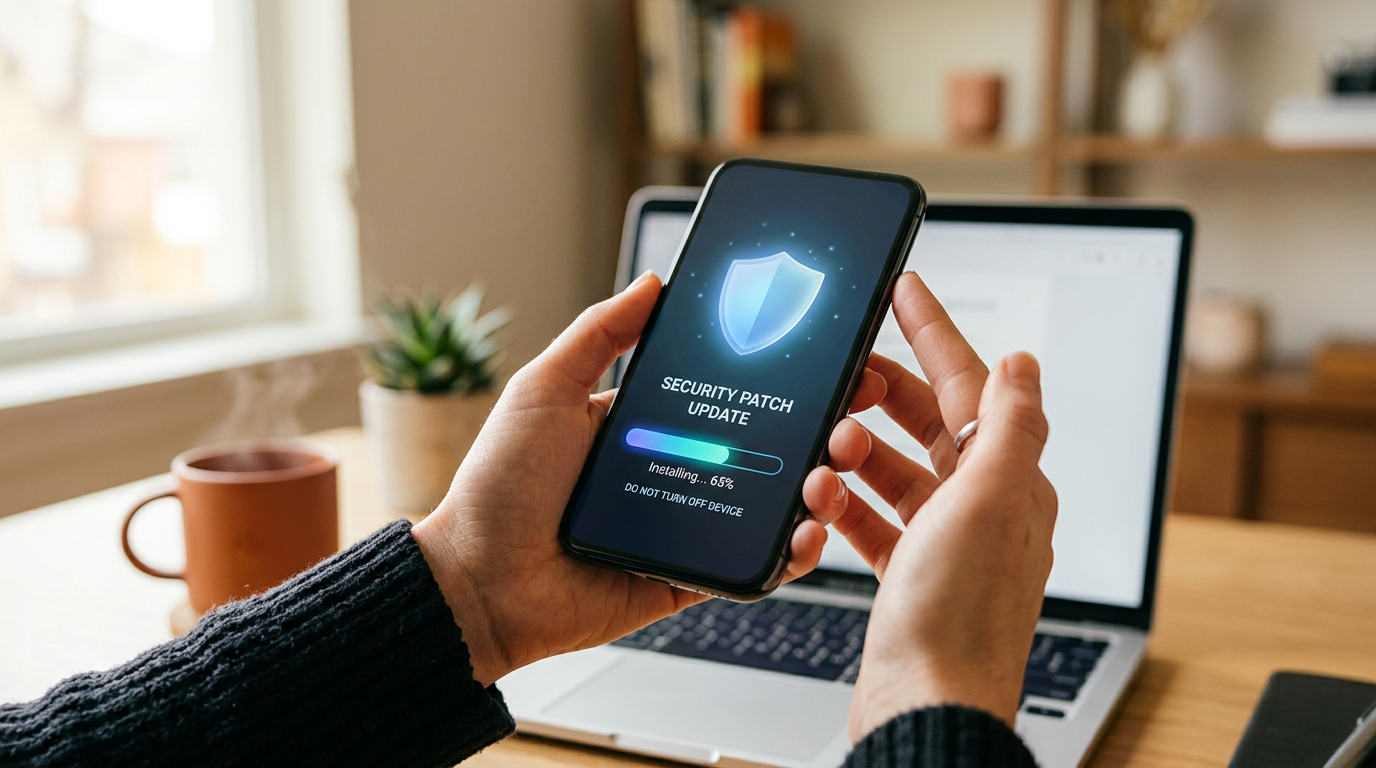
A seven-year promise means very little if security patches arrive six weeks late every month. This is where the longer Android update story gets uncomfortable for some manufacturers. Google’s Pixel phones typically receive Android Security Bulletin patches inside the first week of each month, often on the same day Google publishes the bulletin. Samsung’s flagships normally follow within two to three weeks. OnePlus and Xiaomi often lag by four to six weeks, sometimes more.
The reason this matters is simple. The Android Security Bulletin publishes the exact CVEs being patched, which is also a roadmap for attackers. Every week your phone is unpatched, the risk window grows. For anyone using mobile banking, NHS or healthcare apps, work email, or stored payment cards, the difference between a phone patched in week one and a phone patched in week six is meaningful.
How a longer Android update affects resale and trade-in value
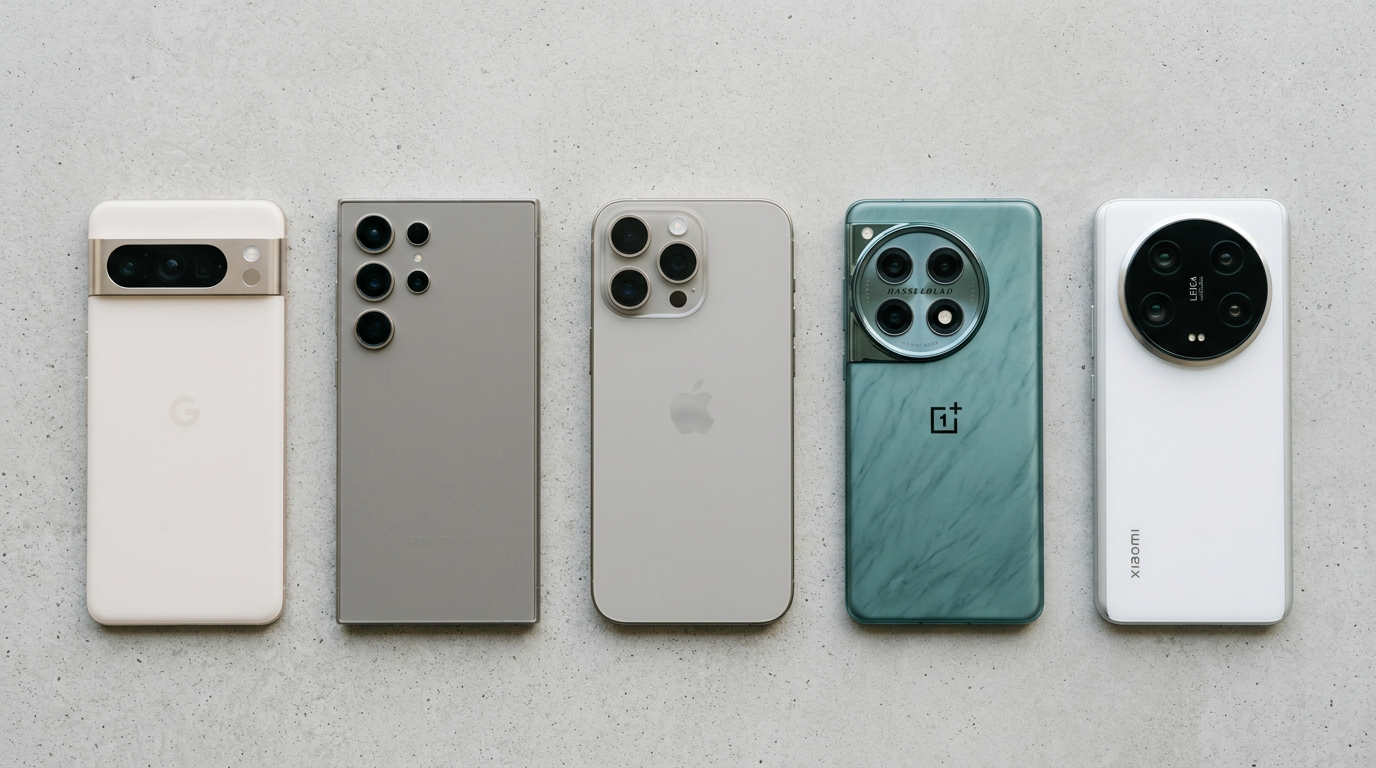
The second-hand phone market has noticed. A two-year-old Pixel 9 with five years of patches still ahead of it commands hundreds of pounds more than a two-year-old mid-range Android with one year of support left. Samsung’s official trade-in programme, CeX, eBay and refurbishers all now factor remaining update life into their offer prices. The longer Android update commitment quietly pays you back when you upgrade.
It also reframes how to compare phones at purchase time. A £799 Pixel that will be patched until 2032 is closer to £100 a year of ownership. A £499 mid-range phone patched until 2029 is closer to £165 a year. The cheaper sticker price is often the more expensive phone in disguise, and the longer Android update support window is the cleanest way to surface that.
What to check before buying any Android phone in 2026
Three checks, in this order. First, confirm the exact commitment for the specific model you are about to buy, not the brand’s flagship. Samsung’s seven-year promise applies to the Galaxy S, while the A57 and A37 get six years, and entry-level A-series phones such as the A26 or A16 sit below that. Motorola’s three-year commitment applies to the Edge line and is shorter on the Moto G family. Always look at the model, never the badge.
Second, check the vendor’s track record for delivering patches on time. The Android Security Bulletin from Google is published monthly. If a vendor is consistently three months behind, treat their commitment as the marketing slide it is. Third, check whether the OS upgrade promise covers the full Android version (UI, framework, kernel) or only security patches. They are not the same thing, and only the first qualifies as a real longer Android update story.
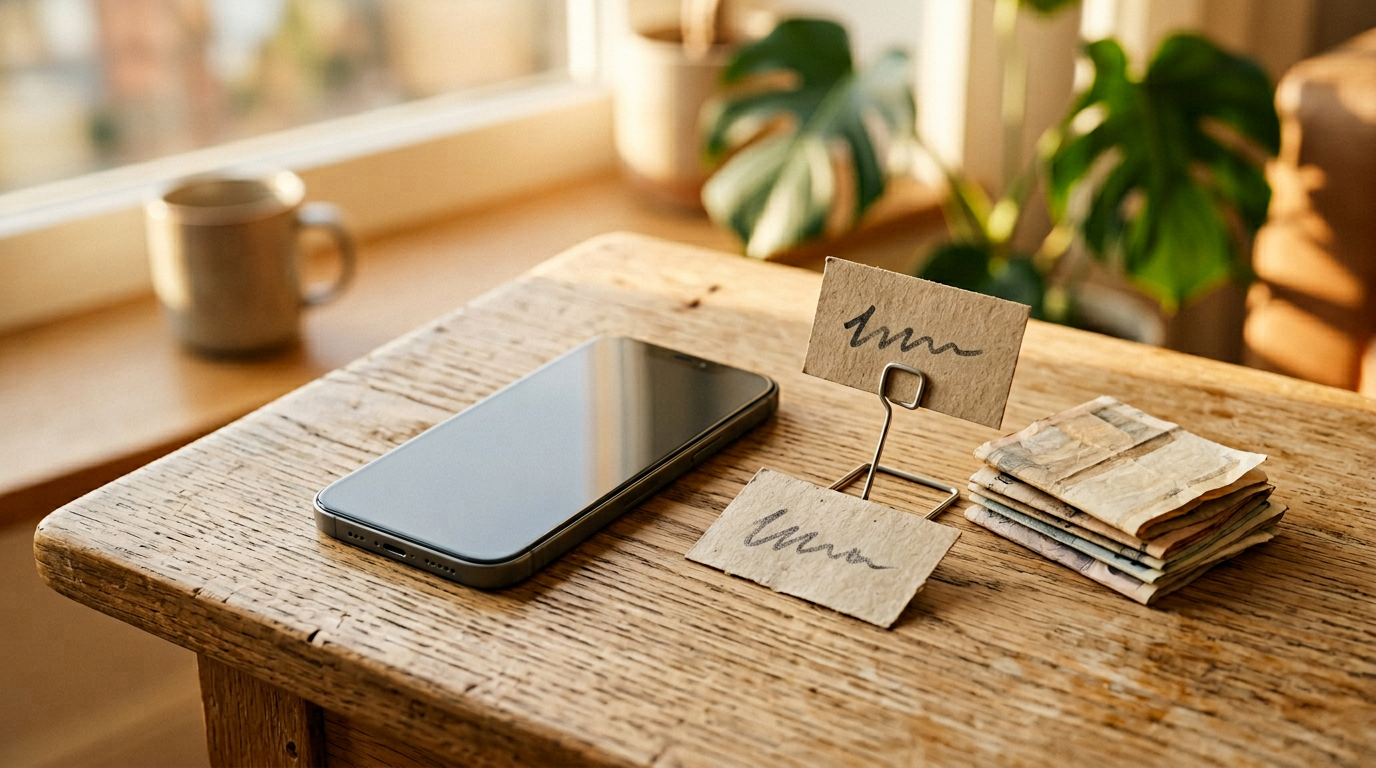
Verdict: a longer Android update is now a buying signal, not a footnote
If you plan to keep a phone for four years or longer, a longer Android update commitment is now the most important spec on the box. It changes the maths of total cost of ownership, it changes resale value, and it determines whether the phone you bought in 2026 is still safe to use for banking and work in 2030. Buy the phone with the longest credible support window your budget allows, and treat anything below four OS upgrades and five years of security patches as a short-term phone, not a long-term one.
Related reading on MTW
- Best upgrade paths if you plan to keep your phone for four years
- Why mobile security updates matter more than peak benchmarks
- Samsung Awesome Intelligence on the Galaxy A57 and A37
Buyer action
Where to buy or check next
Use this as the final check before ordering a phone, changing network or trusting a headline monthly price.










Reader discussion
Leave a comment
Comments are moderated. Keep it useful, accurate, and on topic.