UPDATED · News · 16 Jun 2026 · Hannah Foster
When Google unveiled the Pixel 9a on 10 April 2025, the pitch was simple: most of the Pixel experience — the on-device AI, the famous camera processing — for a price that didn’t make you wince. More than a year on, I keep getting asked whether it’s still the budget phone to buy in the UK in 2026, especially now the launch price has quietly drifted downwards. So I want to lay out exactly what you’re getting, where the money actually goes, and the one thing that would stop me reaching for it.
The price has moved, and that changes the maths
The Pixel 9a arrived at £499 for the 128GB model and £599 for 256GB. That mattered because it slotted in directly against the iPhone 16e at £599 and Samsung’s Galaxy A56 at £499 — Google was undercutting Apple by a hundred quid and matching Samsung while offering, frankly, a more interesting software story.
What’s changed in 2026 is that the Google Store now lists it “from £399”, or around £11.08 a month on a 36-month plan. A budget phone at £499 is a reasonable proposition; the same phone at £399 is a genuinely tempting one. That £100 swing is the single biggest reason this is worth revisiting — it shifts the 9a from “sensible” to “hard to argue with” for anyone who doesn’t want to spend flagship money.
What you’re actually paying for
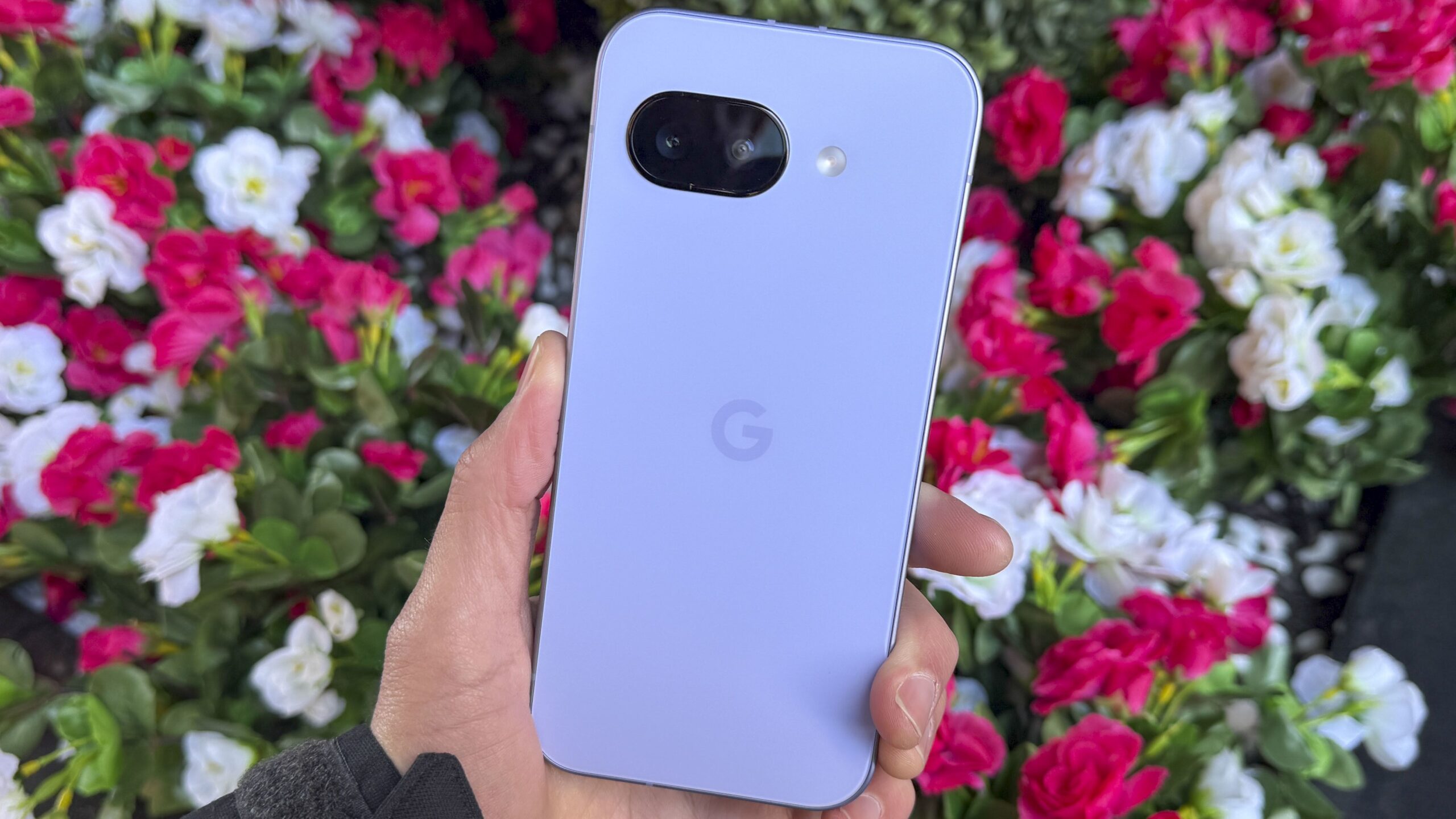
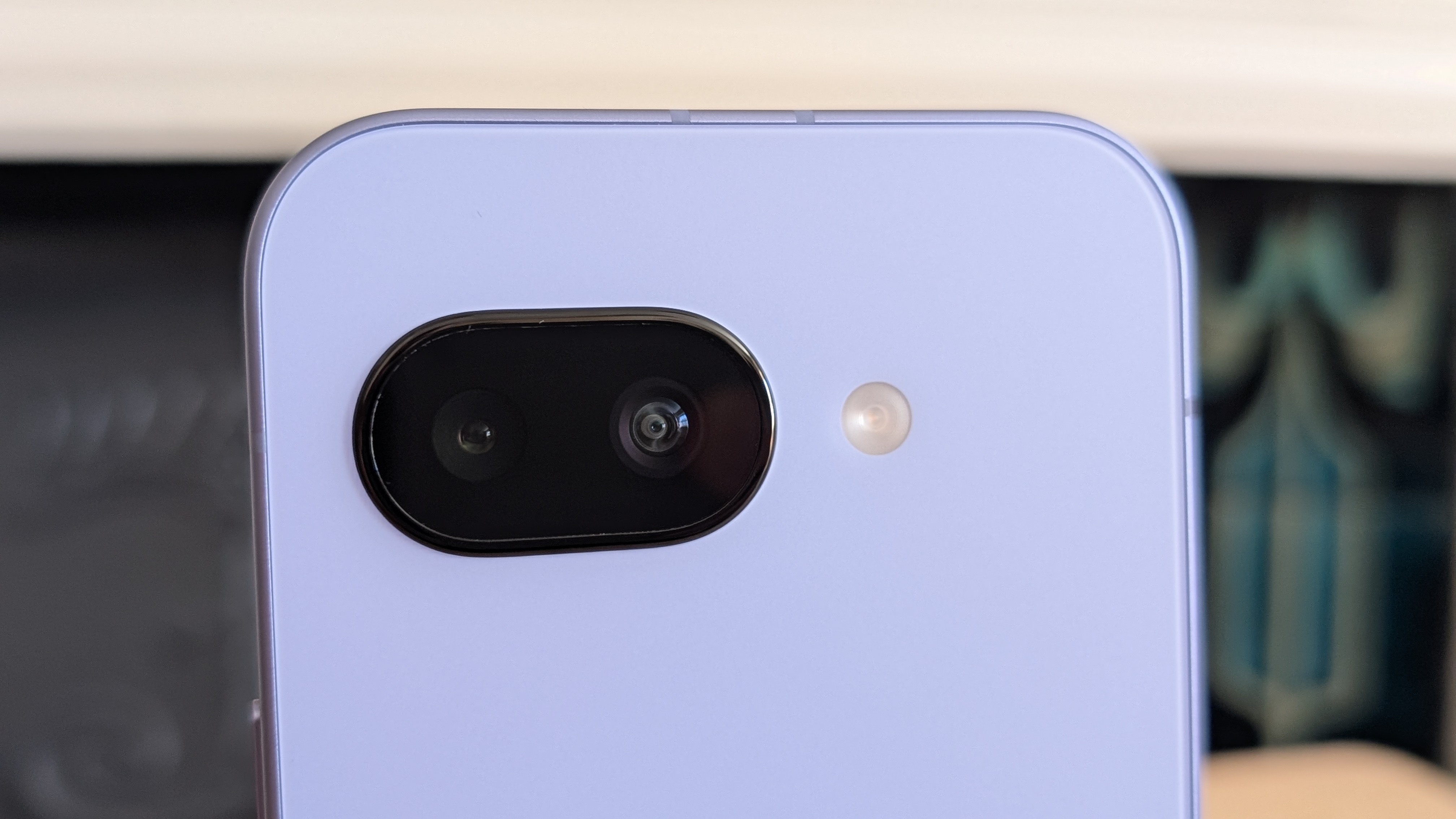
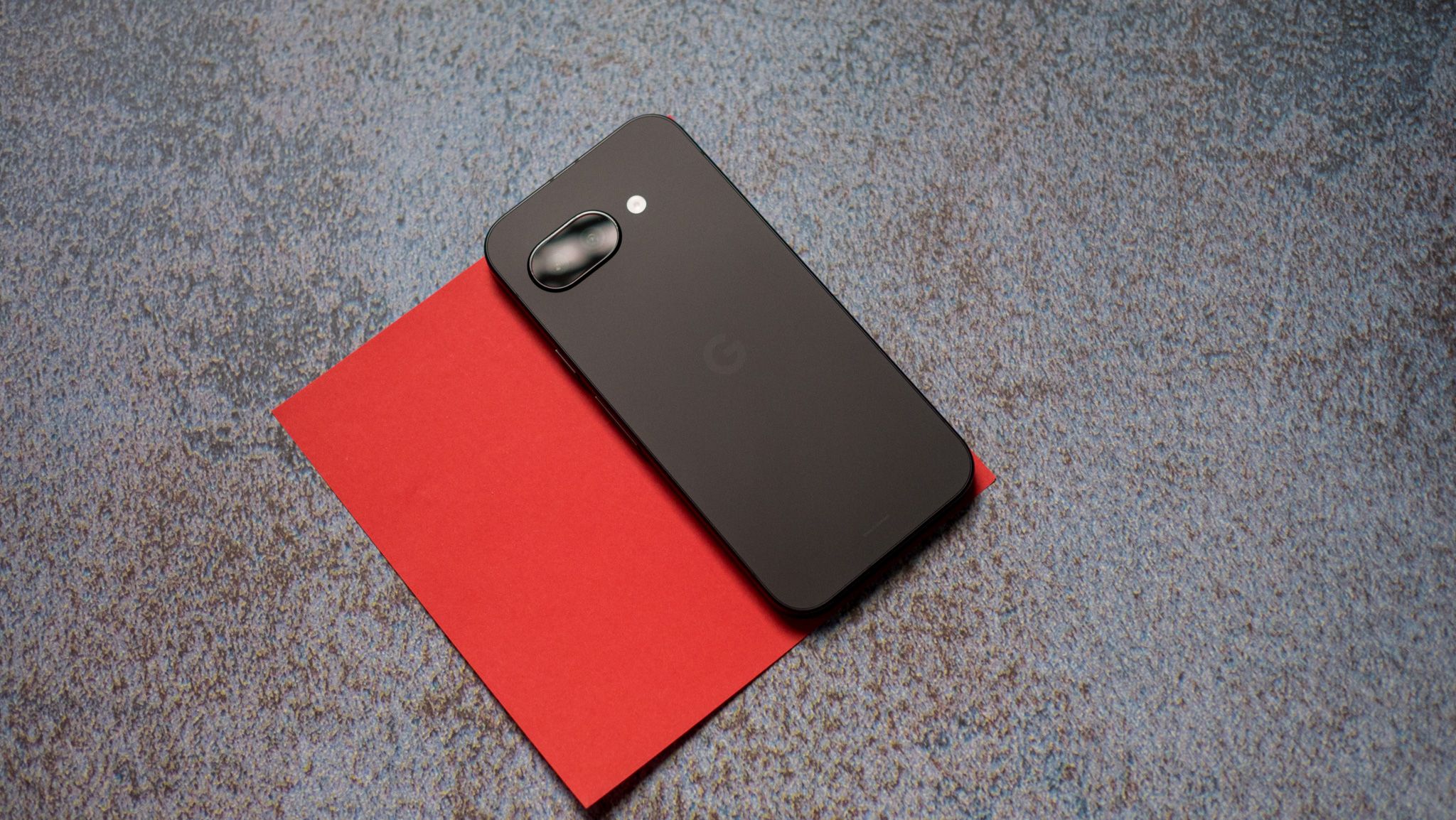
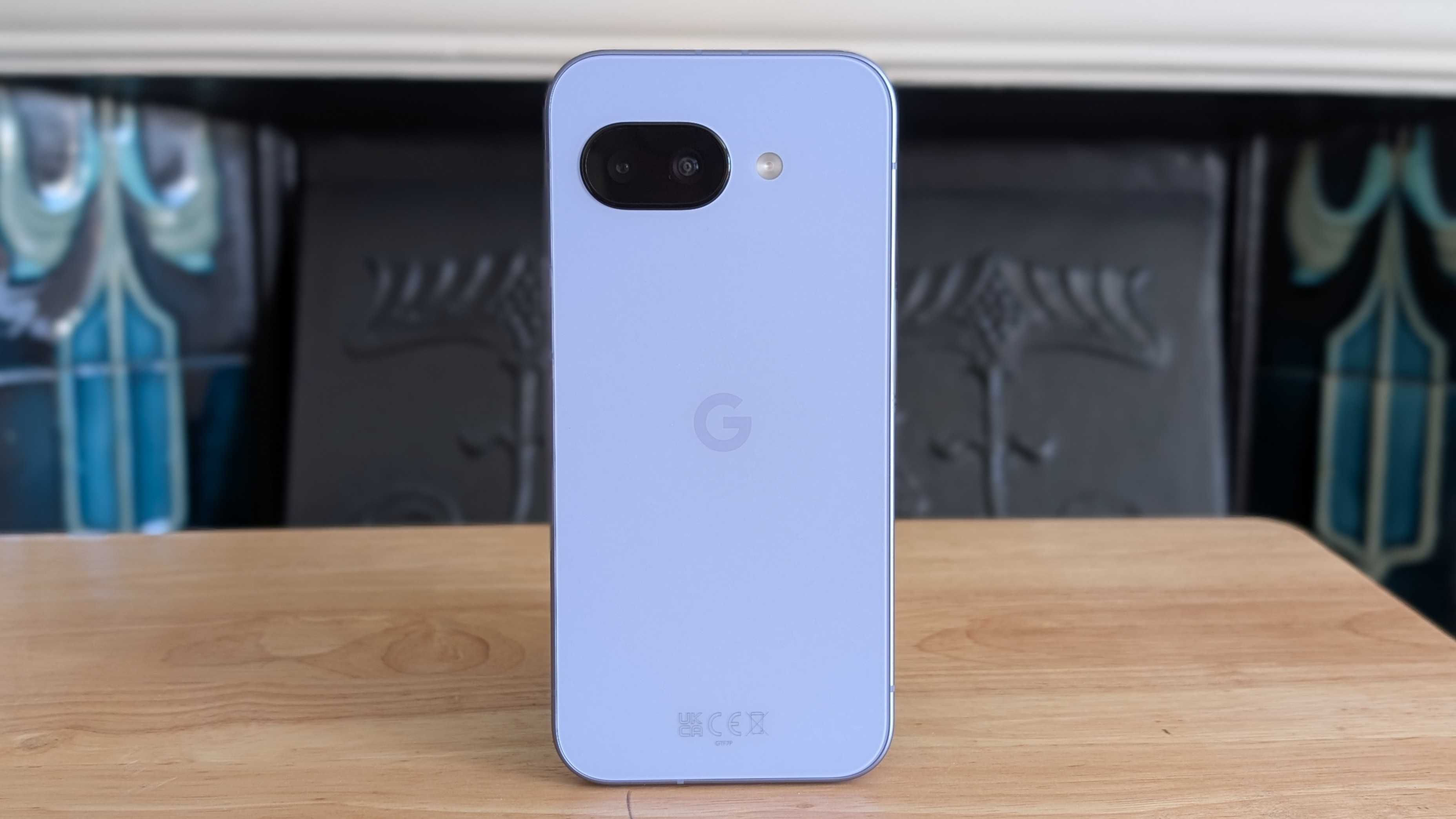
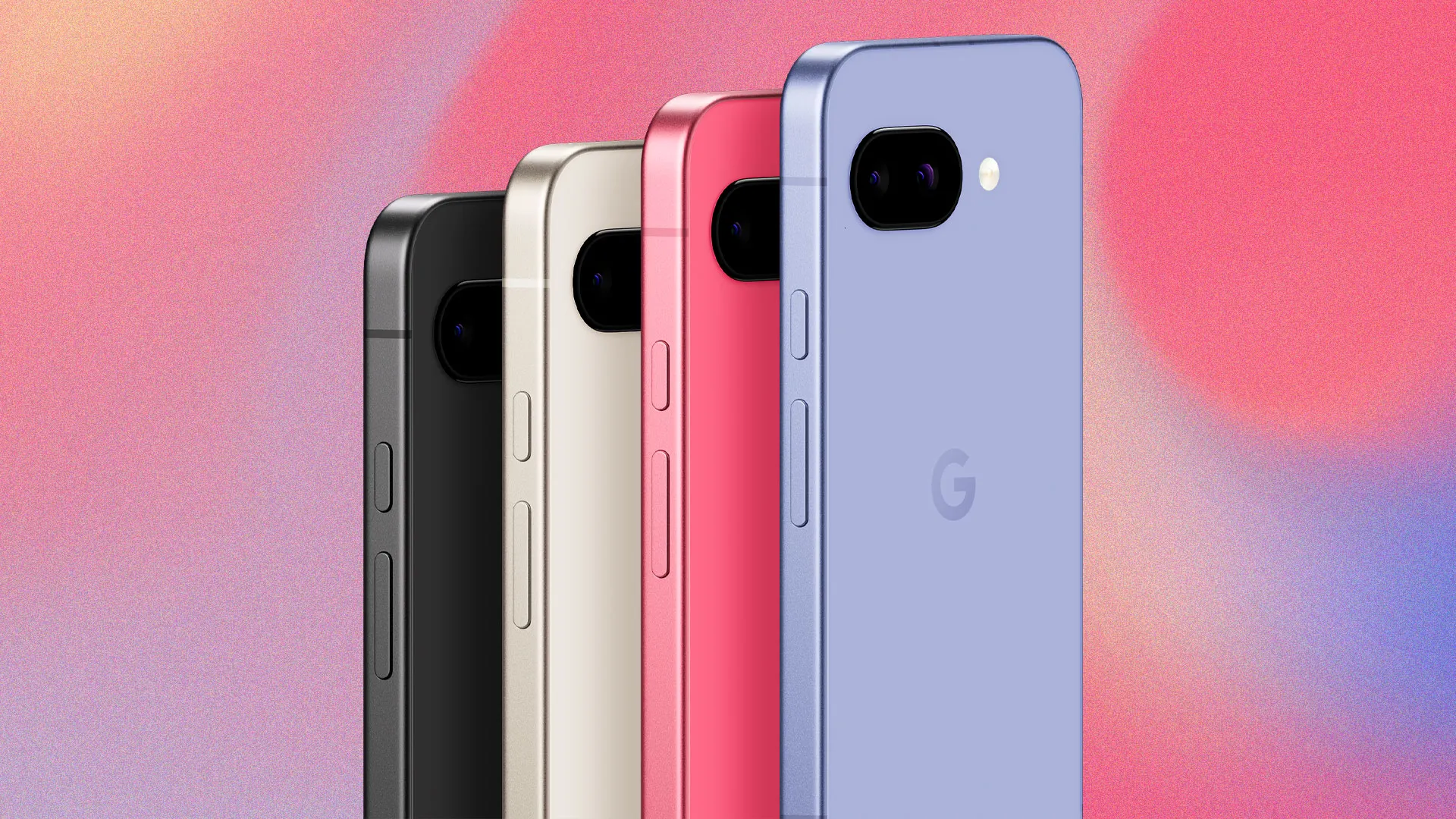
The hardware is unfussy in a way I respect. You get Google’s Tensor G4 chip, 8GB of RAM, a 6.3-inch 1080p OLED running at 120Hz, and either 128GB or 256GB of storage. There’s IP68 water and dust resistance, it weighs 186g, and it comes in Obsidian, Porcelain, Iris and Peony. Nothing here is bragging-rights material, but as Trusted Reviews notes in its review, the spec sheet covers the things you’ll actually use every day rather than the things that look good on a box.
The AI features are the real headline, and they’re not stripped-down either. Gemini Nano runs on-device, Circle to Search is there, and Gemini Live is included. This is the bit Google wants you to focus on, and it’s the bit that justifies the “budget AI phone” framing — you’re getting the same assistant smarts that sit on the pricier Pixels, not a cut-down imitation.
The battery is the quiet star
If I had to pick one spec that punches above the price, it’s the 5,100mAh battery. Google claims 30-plus hours of normal use, stretching past 100 hours with Extreme Battery Saver switched on. In a £399 phone that’s a properly generous cell, and it’s the kind of thing that matters far more in daily life than a marginally faster chip.
The catch — and there’s always one — is charging. You’re limited to 23W wired, and there’s no charger in the box, so factor in a plug if you haven’t got a spare. Tech Advisor’s review makes the same point: this is a phone you charge overnight and forget about, not one you top up in fifteen minutes before heading out. If fast charging is non-negotiable for you, that’s the trade-off you’re accepting for the big battery and the low price.
Where it sits against the obvious rivals
Against the iPhone 16e, the 9a is now meaningfully cheaper and gives you a more flexible, AI-forward software experience — though if you’re already deep in Apple’s world, none of that will pull you across. Against the Galaxy A56, which launched at the same £499, the Pixel’s camera processing and cleaner software are what tip it for me. Now that the 9a routinely sells below both, the comparison on value isn’t really close.
It’s also easy to find. Beyond the Google Store, it’s stocked at Amazon, Currys, and across EE, O2, Three and Vodafone, so if you’d rather fold it into an airtime contract than pay outright, the options are all there.
The bits that would give me pause
I won’t pretend it’s flawless. The 23W charging is dated, and the design is functional rather than exciting — this is a phone that disappears into your hand rather than turning heads. If you upgrade for the feel and the camera-bump drama, the 9a will leave you cold. And if you genuinely need the fastest possible top-ups, look elsewhere, because no amount of battery capacity fixes a slow charger when you’re in a hurry.
So, would I buy one?
At £399, yes — and I’d recommend it without much hesitation to anyone who wants a dependable phone with proper AI features and a battery that lasts, and who doesn’t care about being seen with the latest thing. That’s most people. The buyers I’d steer away are committed iPhone users (you’ll fight the ecosystem more than you’ll enjoy the savings) and the fast-charging diehards who’ll resent that 23W cap every single day. For everyone in between, the Pixel 9a in 2026 is the easy answer to “what’s a good cheap phone” — and the falling price has only made that answer easier.
Buyer action
Where to buy or check next
Use this as the final check before ordering a phone, changing network or trusting a headline monthly price.








Reader discussion
Leave a comment
Comments are moderated. Keep it useful, accurate, and on topic.