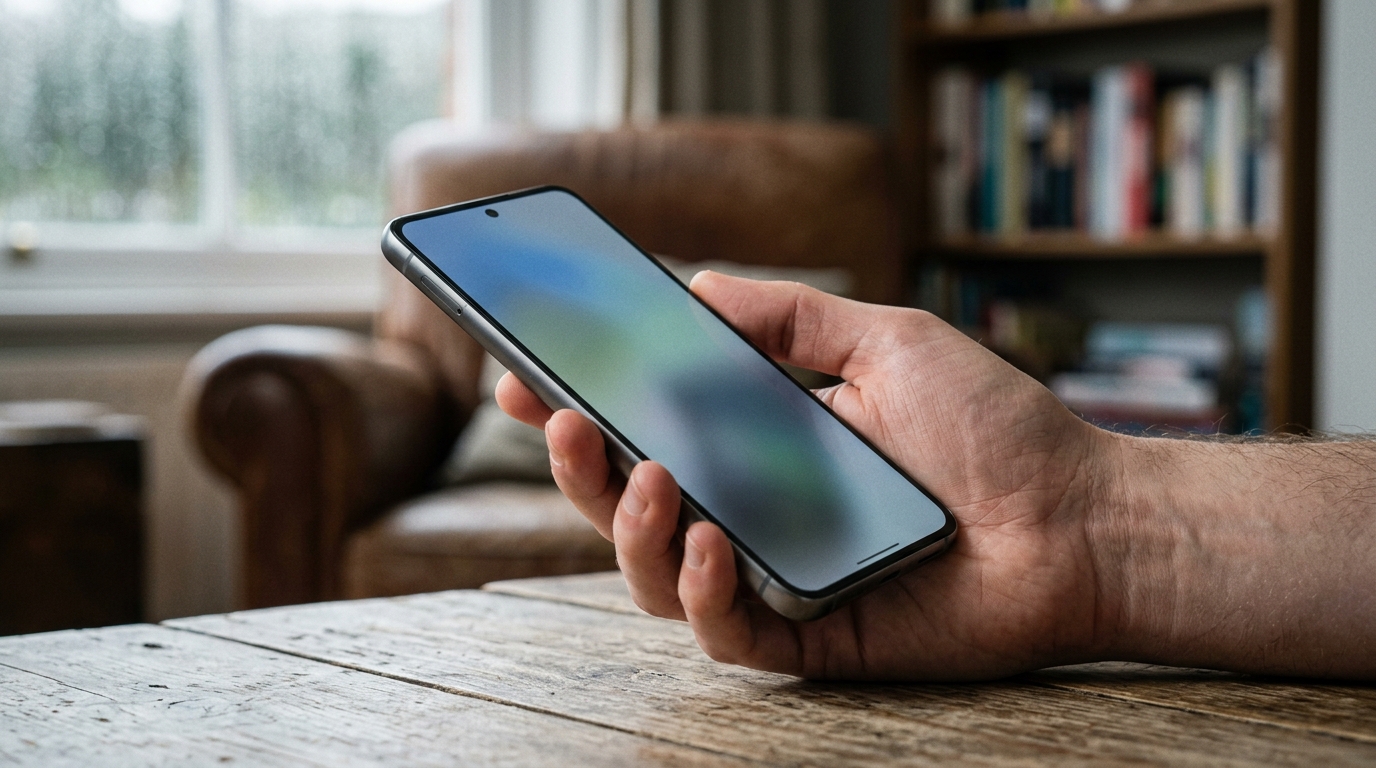
Google has quietly won the argument for Gemini on every Android phone. Samsung signed up for 800 million devices. Xiaomi, Oppo, Vivo, Honor and OnePlus have all taken a flavour of the same deal. The financial logic is clean and obvious. The long-term cost is a version of Android that is less diverse, less competitive, and easier for Google to control than the ecosystem we were promised when the OS was open-sourced in 2008.
This is not a privacy scare piece. The privacy concerns are real and covered elsewhere. This is a competitive concern. Android was interesting because OEMs could try wildly different things and occasionally one of them (Samsung’s foldable bet, Xiaomi’s camera bet, OnePlus’s performance bet) worked and pushed the whole market forward. Gemini becoming the default AI assistant across all of them removes the single biggest space for differentiation going into 2027.
The short-term win Google gets
Every Gemini query from every Android phone flows into Google’s model training pipeline and its ad signal graph. Even when the feature is free at point of use, the data is gold. Eight hundred million Samsung handsets alone represent a 20 per cent expansion of Google’s daily AI interaction volume. That is the kind of data advantage that locks in model quality gains for the next two years.
The long-term cost OEMs pay
An OEM who commits to Gemini as the default assistant gives up the ability to differentiate through AI. Samsung’s Bixby was bad, but it was Samsung’s. A Gemini-powered Galaxy Ultra feels functionally identical to a Gemini-powered OnePlus or Xiaomi at the AI layer. The only remaining differentiators are hardware, design, and camera tuning. Those are narrower moats than software used to be.
Where this gets worse
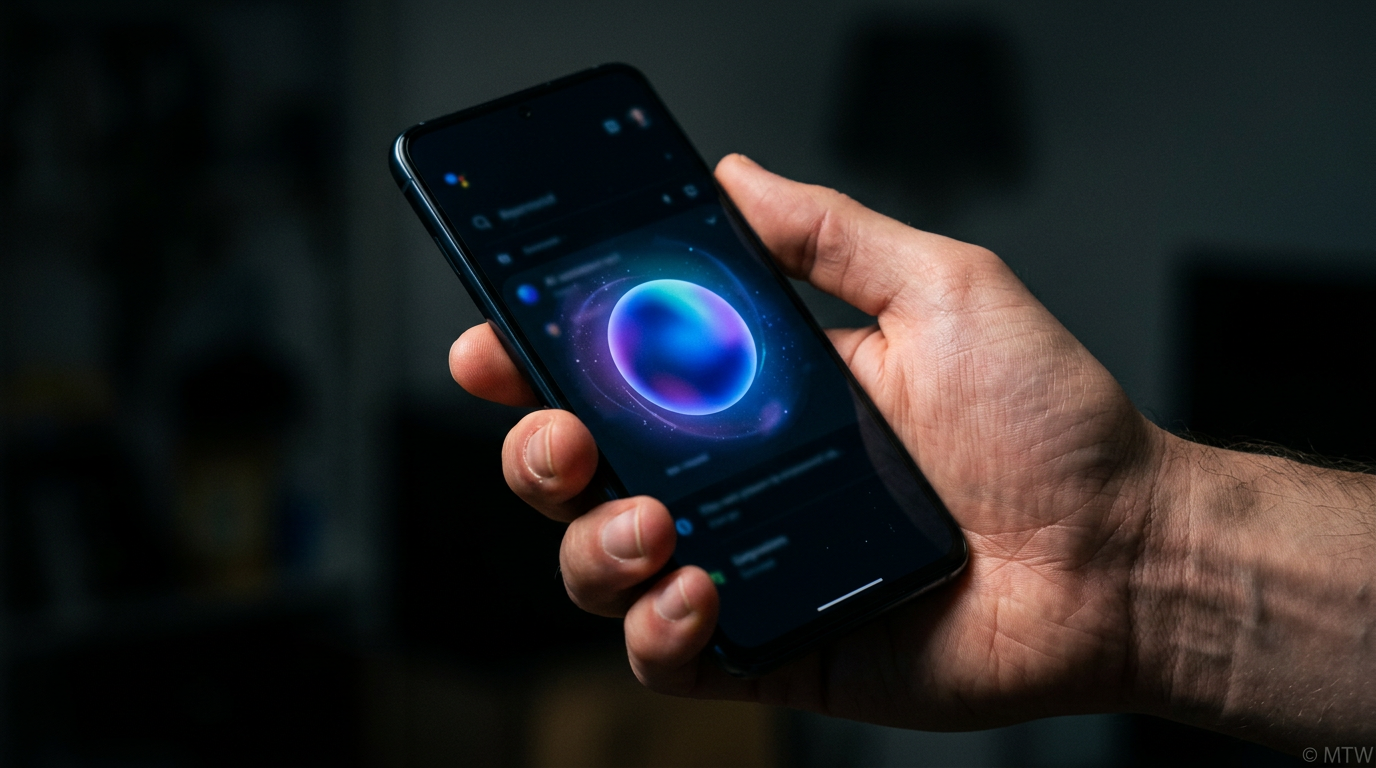
Google has already signalled that future Gemini features will tie deeper into Android system services. Once that happens, writing a non-Gemini AI assistant for Android becomes dramatically harder. The route Qualcomm is pushing with on-device AI on Snapdragon 8 Elite Gen 2 is the only credible counter-story, but it requires OEMs to invest in their own model and their own runtime. That is exactly the spend Samsung just walked away from.
Who benefits and who loses
Google wins. Consumers get better default AI in the short term. OEMs get a quick AI story at low engineering cost. Developers of third-party AI assistants lose a shot at Android. Qualcomm loses the ability to sell OEMs on a silicon-differentiated AI story. The biggest loser is the idea of Android as a platform where real competition at the system layer can still happen.
| Party | Short-term | Long-term |
|---|---|---|
| Data + search moat | Platform control | |
| Samsung / OEMs | Low-cost AI feature | Less differentiation |
| Consumers | Better Gemini on every phone | Less choice over time |
| Qualcomm | Hardware sales steady | No on-device AI story |
| Third-party AI | Nothing | Harder to enter Android |
What could change this
Two things. One: a successful Snapdragon-powered on-device AI push from Qualcomm, shipped at scale by a single OEM willing to break from Samsung’s Gemini commitment (Xiaomi is the most likely). Two: EU regulators deciding Gemini-as-default on Android is a competition concern on the same grounds as bundled Chrome was on Windows in the 2000s. Either outcome would reopen the differentiation lane. Neither is guaranteed.
Verdict
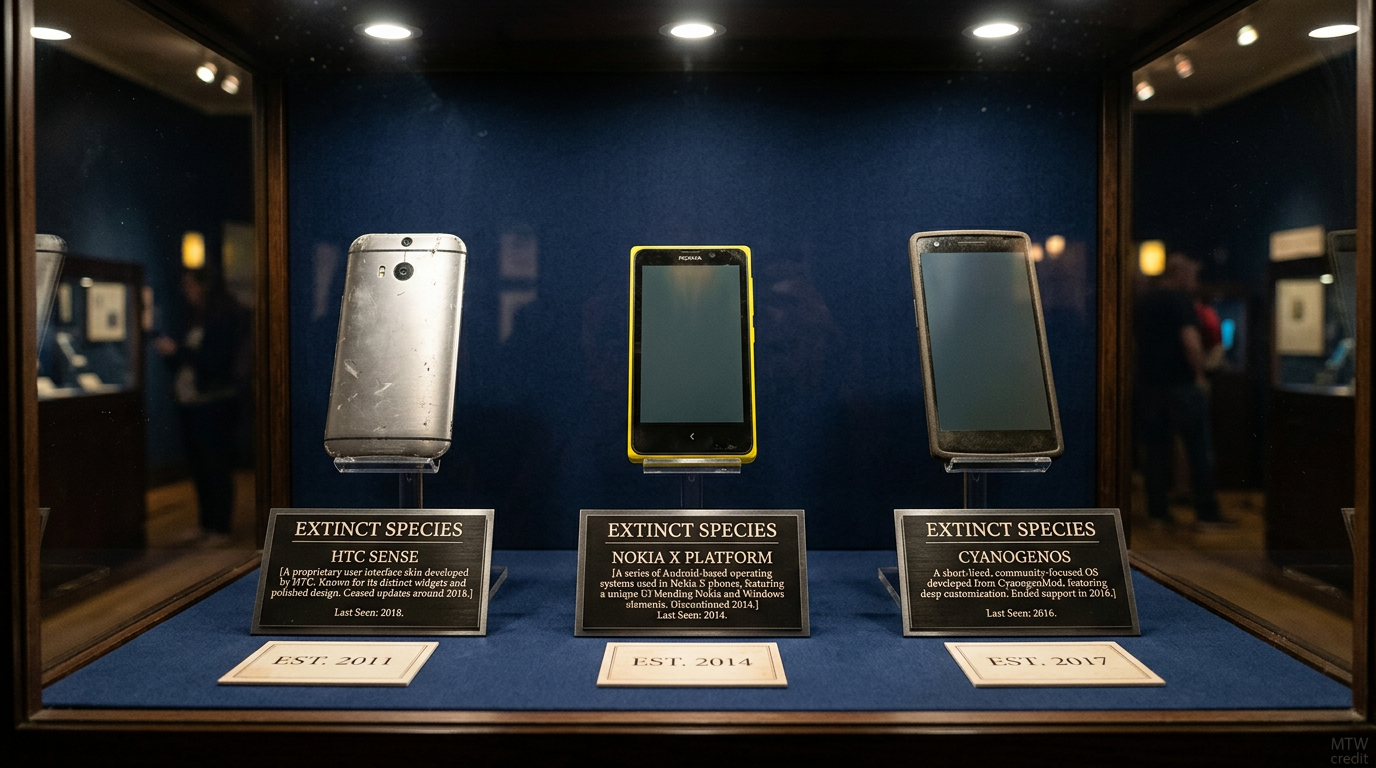
Android’s diversity was its strength. Gemini-everywhere is a convenient, cheap, short-term answer to an AI arms race Google was already winning. UK buyers in 2026 and 2027 will enjoy the convenience. By 2028 the lack of meaningful differentiation between Android flagships will be the conversation, and the AI commoditisation we are cheering today will be the reason. Watch what Qualcomm and Xiaomi do next. They are the only companies with both the motive and the means to push back.
- Samsung is targeting Gemini on every Android in its lineup, with a confirmed 800 million-device goal for 2026 (TM Roh, CES 2026).
- Xiaomi, Oppo, Vivo, Honor and OnePlus have all signed up for Gemini integration on multiple flagship and mid-range lines.
- Practical effect: AI features are converging across OEMs; differentiation reduces to hardware, design and camera tuning.
- Counter-argument: Qualcomm’s Snapdragon 8 Elite Gen 2 on-device AI route, requiring OEMs to invest in their own model and runtime.
Why Gemini on every Android matters for UK Android buyers
The short-term effect is positive. UK buyers will find Gemini features that were previously Pixel-and-S26-only available on mid-range Galaxy A, Xiaomi Redmi Note and Nothing Phone hardware. The longer effect is harder to feel and harder to celebrate. When every Android phone has the same default AI assistant, every Android phone has the same default failure modes, the same political content moderation calls, and the same model upgrade cadence dictated by a single vendor. The category becomes less interesting to follow and slower to surprise.
Where Gemini on every Android could still be reversed
Two paths could keep Android genuinely diverse on AI. The first is regulatory: the European Commission has the tools under the DMA to challenge a default-assistant lock-in if the integration becomes anti-competitive. The second is technical: Qualcomm’s on-device AI pitch is credible enough that an OEM willing to invest in its own model could ship a meaningfully different product. Samsung will not. Xiaomi might. Honor and Nothing have the appetite but not the budget. Watch the OEMs that have something to lose from Google’s gravity, not the ones cashing the cheque.

For more, see our coverage of Google Gemma 4 open weights, the Snapdragon 8 Elite Gen 2 on-device AI counter-argument, and our take on the Gemini Android Auto roll-out for the wider context of Google’s AI rollout.
MTW verdict
Gemini on every Android is the most consequential platform shift since the move from Android 4 to Android 5. The short-term gain for UK buyers is real. The long-term cost is a less interesting platform. Qualcomm has the only credible counter, and it needs an OEM willing to commit. Watch this space.
MMTW Editorial
Buyer action
Where to buy or check next
Use this as the final check before ordering a phone, changing network or trusting a headline monthly price.













Reader discussion
Leave a comment
Comments are moderated. Keep it useful, accurate, and on topic.