If you plan to keep your next phone for four years, the Best Upgrade Paths buying calculation changes completely. Peak specs matter less. Software support length, battery replaceability, repair availability, and accessory ecosystem longevity matter more. Here is how to buy for durability in 2026.
What to Look For
- The four-year checklist
- Best four-year phone: Google Pixel 10
- Best premium four-year phone: Samsung Galaxy S26 Ultra
- Best budget four-year phone: Samsung Galaxy A36
- What degrades first
- Related reading
The four-year checklist
Before buying any phone for long-term use, verify: at least five years of security updates remaining (seven is ideal), availability of authorised battery replacement, IP68 water and dust resistance, Gorilla Glass Victus 2 or better on the display, and a USB-C port (not proprietary connectors). This directly impacts Best Upgrade Paths.
Best four-year phone: Google Pixel 10
Seven years of updates from the Pixel 10’s August 2025 launch means this phone receives patches until 2032, well past a four-year ownership window. Google offers authorised repair through its iFixit parts partnership with genuine parts, including battery replacements that typically land around £70. The Tensor G5 chip, moved to TSMC’s 3nm process, is efficient enough that battery degradation after two years is manageable, and the replacement option means you can restore full capacity at the halfway mark, a development closely tied to Best Upgrade Paths.
Best premium four-year phone: Samsung Galaxy S26 Ultra
Seven years of Samsung updates, Samsung’s authorised repair centres in most major UK cities, and one of the most durable builds in Android. Samsung dropped titanium this year and returned to an Armour Aluminium 2 frame on the S26 Ultra, while keeping Corning’s Gorilla Armour 2 on the display, which survived Samsung’s 2m concrete drop tests without cracking. Battery replacement through Samsung typically costs around £85. The S26 Ultra is over-specified for most tasks today, which means it will still feel fast in 2030. This directly impacts Best Upgrade Paths.
Best budget four-year phone: Samsung Galaxy A36
At £399 on Samsung UK, the Galaxy A36 gets six years of OS upgrades and six years of security patches, the best update window in its price class. The Snapdragon 6 Gen 3 chip is not fast by flagship standards, but it handles messaging, social media, email and camera duties without strain on a 6.7-inch 120 Hz Super AMOLED. The 5,000 mAh battery lasts two days of moderate use and supports 45W fast charging. The trade-off is a slower camera system and no telephoto lens. For someone who uses their phone for communication rather than content creation, it is an excellent long-term value.
What degrades first
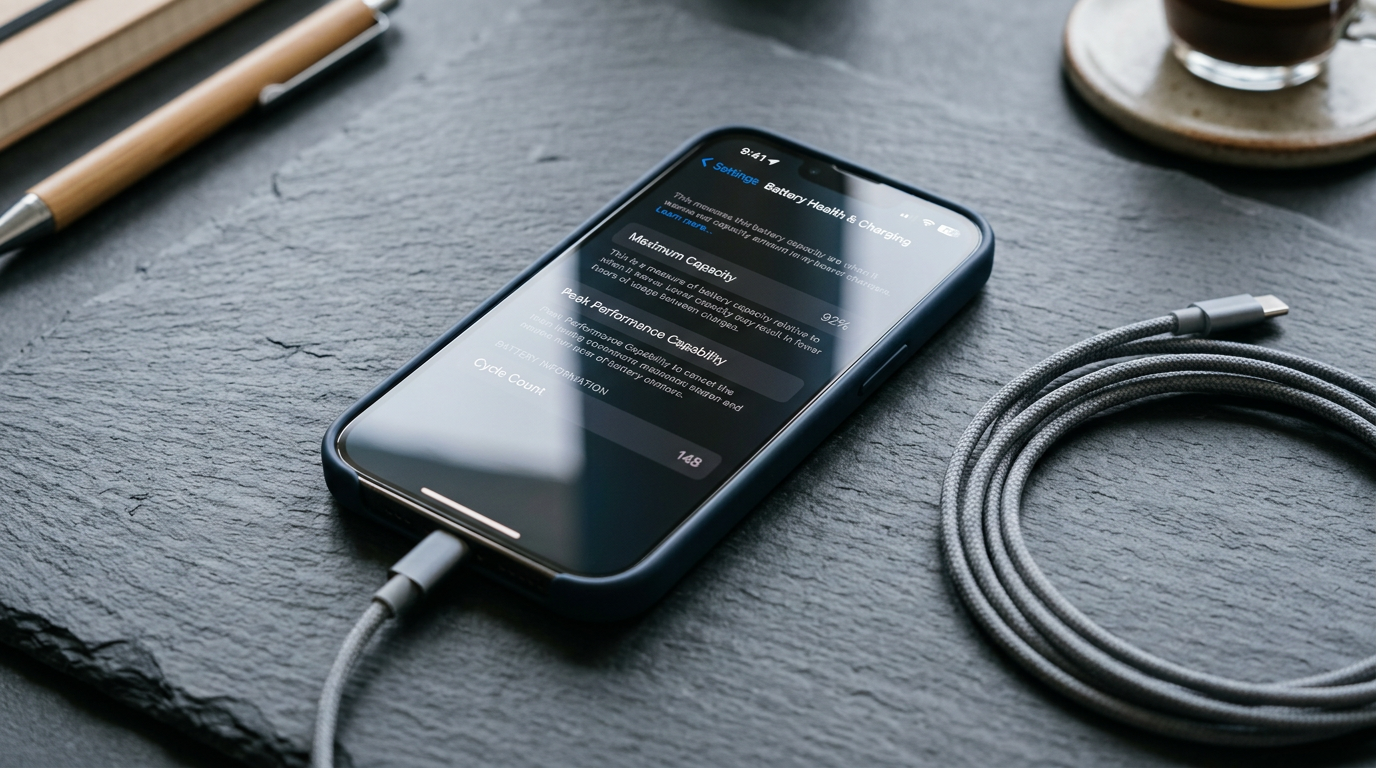
Battery capacity drops by roughly 10 to 15% per year under normal use. After two years, a 5,000mAh battery performs like a 4,000mAh cell. This is the primary reason people replace phones early, not because the processor is slow, but because the battery can no longer last a full day. Enabling the 80% charge limiter and using a Qi2 charger (which generates less heat than fast wired charging) meaningfully extends battery lifespan.
Storage is the second constraint. A phone with 128 GB that fills up after three years of photos and apps feels slow even if the processor is fine. For four-year ownership, buy at least 256 GB.
Why long-term updates change the best phone upgrade path maths
The single biggest change in the best phone upgrade path conversation in 2026 is that flagship support windows have crept up to seven years for security updates and OS updates on most major brands. That fundamentally changes the cost-of-ownership maths: a £999 phone you keep for six years costs you about £14 a month, which is less than half what most people pay for a 24-month flagship contract.
The trap is the mid-range tier, where update windows are still typically two to four years. A £450 phone that stops getting security patches at year three is not a bargain, it is a delayed expense. Anyone planning to keep a phone for the long haul should pay particular attention to the official update commitment, and back it up with a quick check on the manufacturer’s track record of actually delivering on those promises.
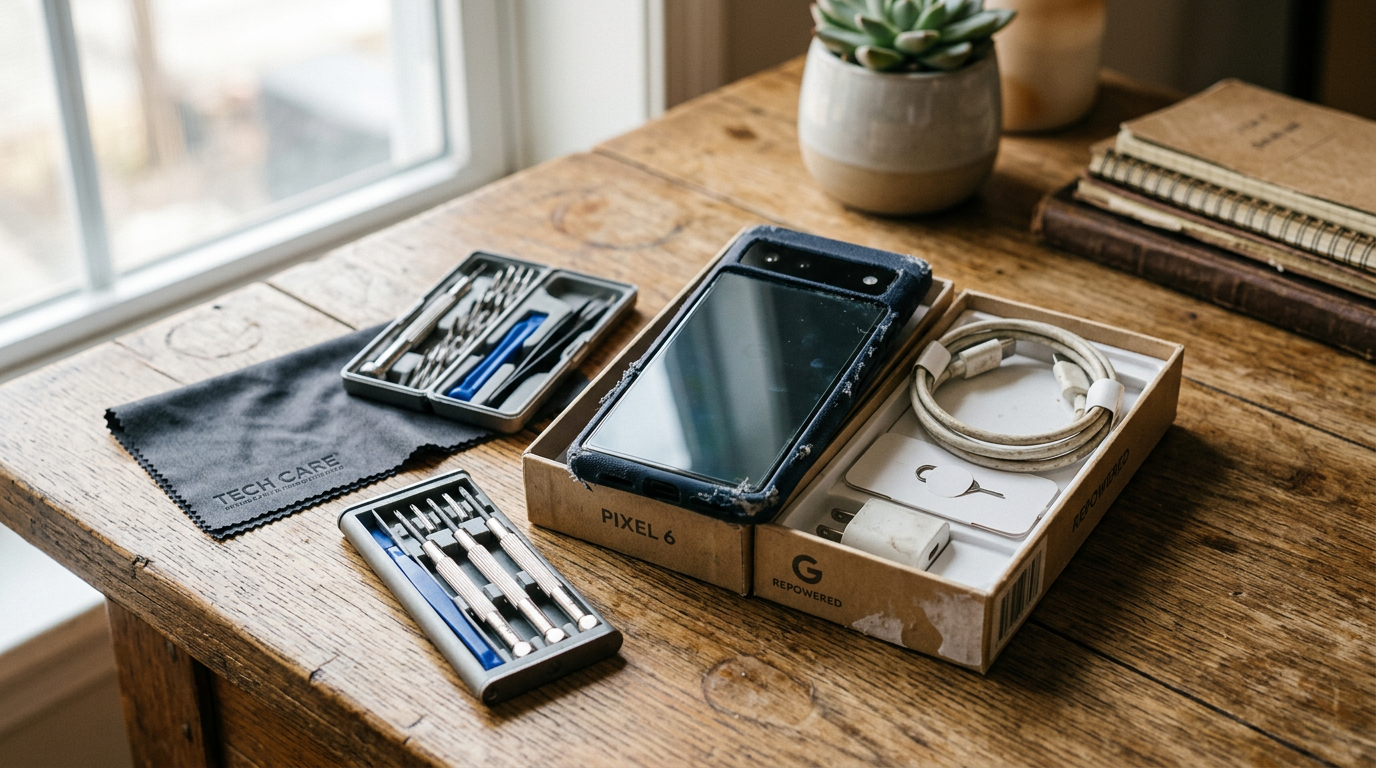
Battery is the other long-game lever. The phones that age best in 2026 are the ones with user-replaceable or at least low-cost first-party battery swaps after year three. A £79 official battery replacement at year four is a rounding error compared to buying a new phone, and yet most buyers never plan for it. We rate any phone we expect to last on whether the battery service exists, is documented, and is realistically priced.
Related reading
- Why Longer Android Update Promises Are a Bigger Buying Signal
- USB-C, Qi2 and Battery Health Rules
- Best Phones for Business Travel in March 2026
Sources: Google Pixel 10, Samsung Galaxy S26 Ultra, iFixit Repair.
How we pick
Buyer action
Where to buy or check next
Use this as the final check before ordering a phone, changing network or trusting a headline monthly price.












Reader discussion
Leave a comment
Comments are moderated. Keep it useful, accurate, and on topic.