UPDATED · News · 8 Mar 2026 · Daniel Reid
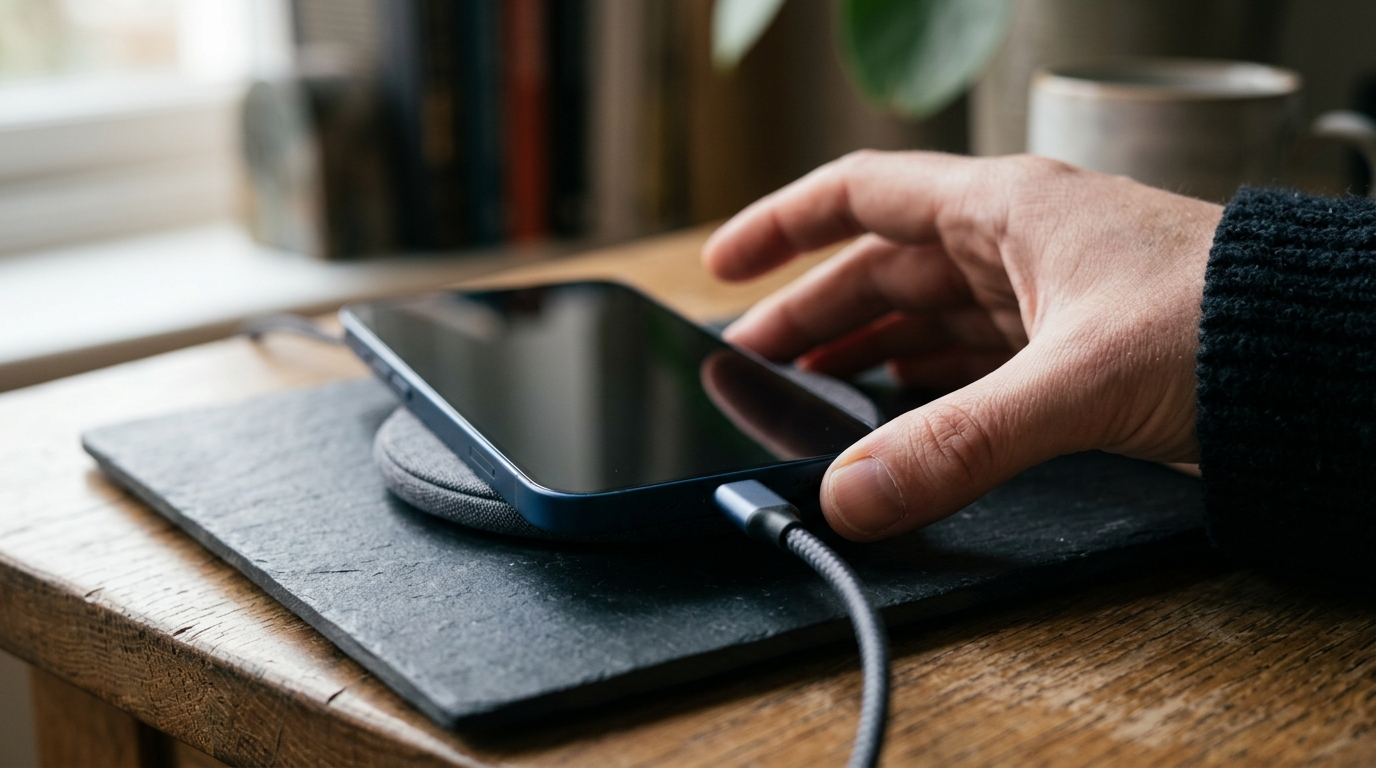
The accessory market in 2026 is being reshaped by three converging standards: USB-C Power Delivery 3.1, the Qi2 magnetic wireless charging standard, and manufacturer-enforced battery health controls. Understanding these changes saves money and protects your phone’s long-term battery capacity.
What Happened
- USB-C Power Delivery 3.1: what the wattage numbers mean
- Qi2: the magnetic standard that replaces Qi
- Battery health controls: why 80% limits exist
- What to buy now
- Related reading
USB-C Power Delivery 3.1: what the wattage numbers mean
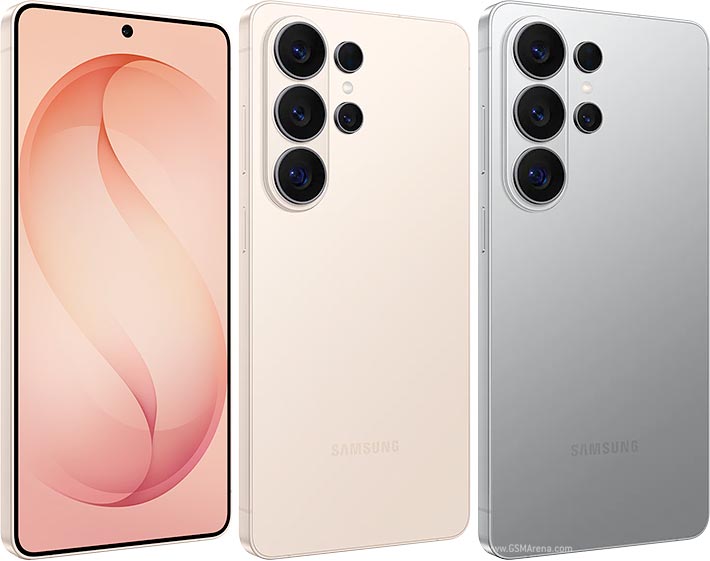
USB-C PD 3.1 Extended Power Range supports up to 240W, but phones still cap well below that depending on the manufacturer. Samsung’s Galaxy S26 Ultra now charges at up to 60W wired with Super Fast Charging 3.0, a step up from the 45W S25 Ultra. The OnePlus 15 supports up to 120W SuperVOOC and the OnePlus 13 tops out at 100W. Apple’s iPhone 17 Pro can negotiate around 40W of wired charging over USB-C with a compatible 40W-plus power adapter.
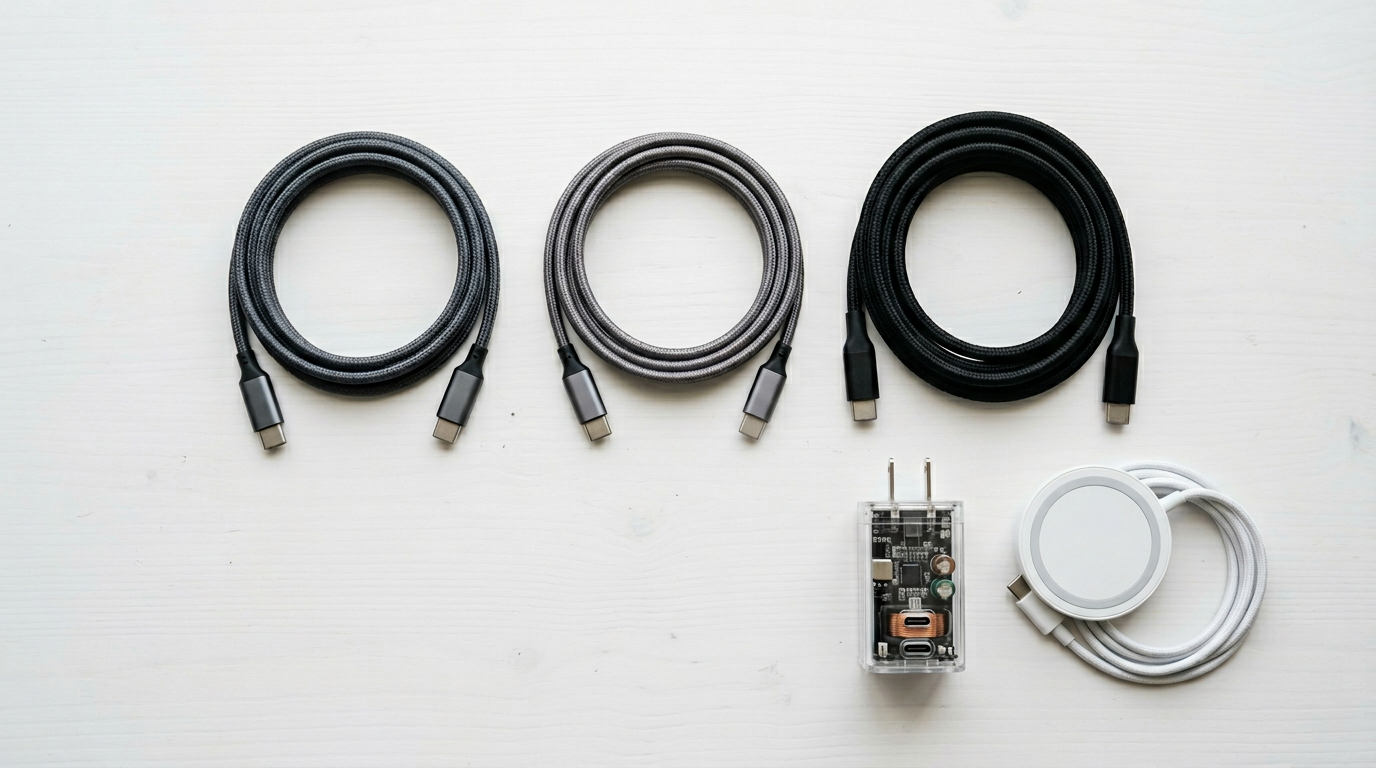
The critical detail is that not all USB-C cables support the same power levels. A cable rated for USB 2.0 data will physically fit but may only deliver 15W, turning a 25-minute fast charge into a 90-minute trickle. Look for cables explicitly rated for PD 3.1 or marked with an “E-Marker” chip, which negotiates the correct voltage safely. For 100W and above you need an EPR-rated cable, which must be visibly marked to be certified.
Qi2: the magnetic standard that replaces Qi
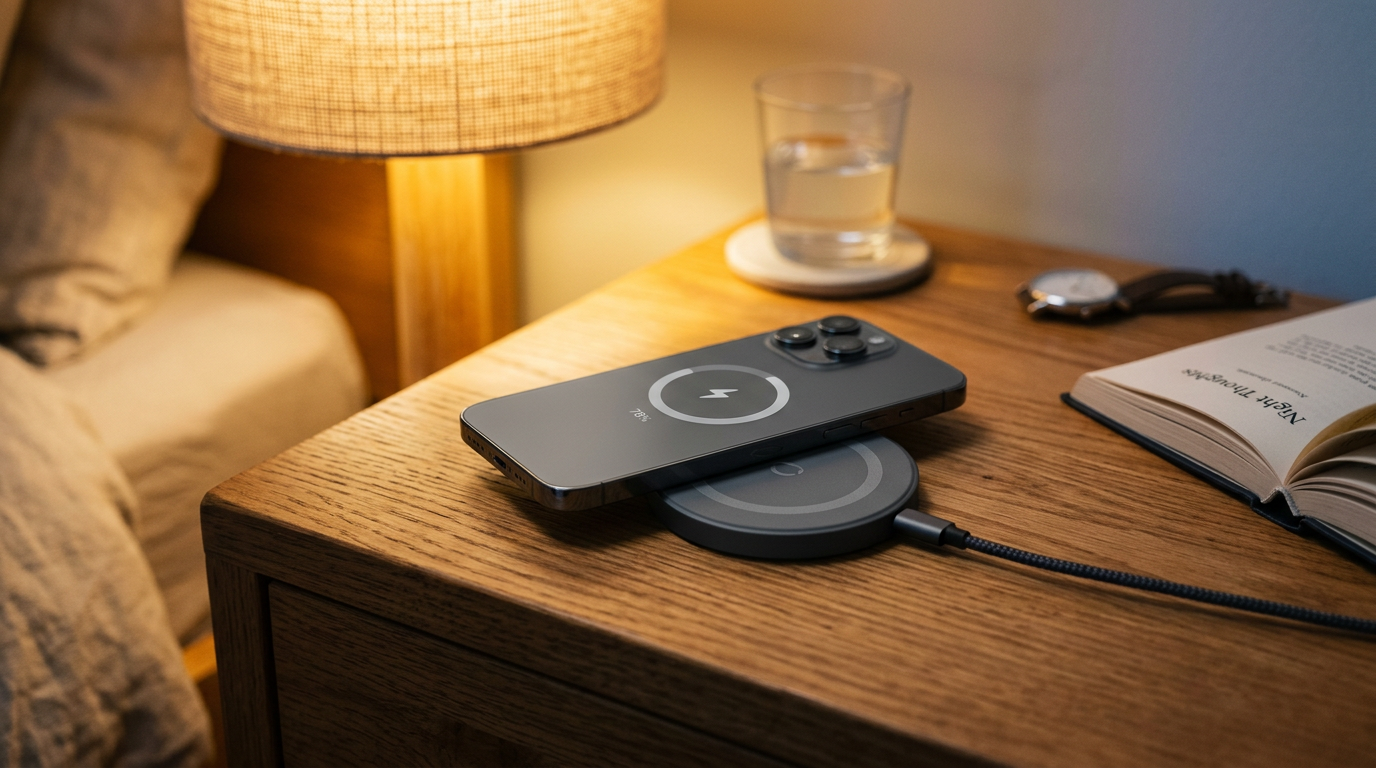
Qi2 uses a magnetic alignment ring, similar to Apple’s MagSafe, to ensure consistent wireless charging speeds. Without alignment, traditional Qi pads waste energy as heat and charge slowly. With Qi2, the phone snaps into position and charges at up to 15W reliably.
Google and most Android flagship manufacturers have adopted Qi2 in their 2026 models. Samsung’s Galaxy S26 series notably did not ship with Qi2 magnets built in, meaning a magnetic case is still needed to snap the phone to a Qi2 pad. Qi2 chargers from Anker, Belkin and Mophie range from £20 to £60. If you are buying a new wireless charger in 2026, buy Qi2. Older Qi pads still work but charge more slowly and generate more heat.
Battery health controls: why 80% limits exist
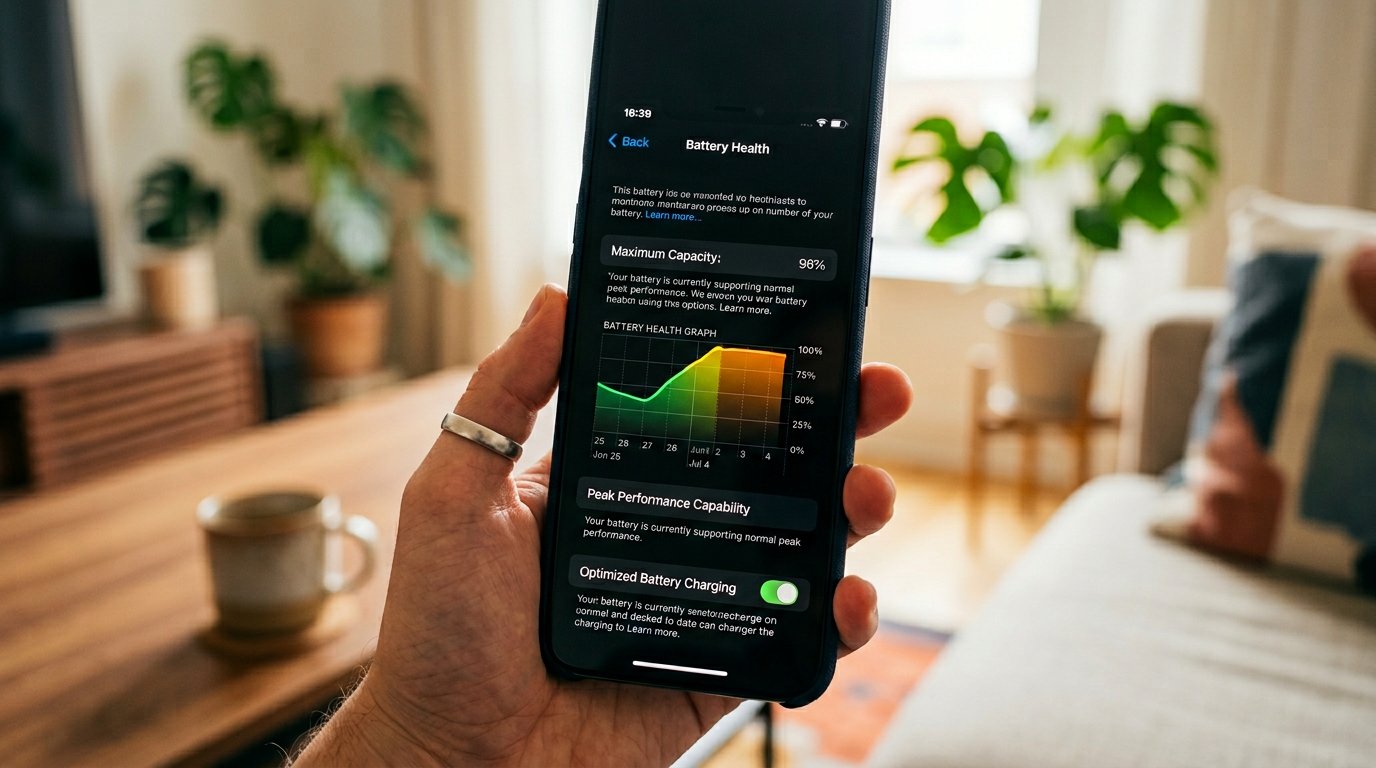
Apple, Samsung, and Google now offer software-enforced charging limits. Apple’s Optimised Battery Charging caps at 80% by default and learns your schedule. Samsung’s Battery Protection mode offers 80% and 85% caps. Google’s Adaptive Charging slows the charge rate overnight to reduce heat stress.
These features exist because lithium-ion batteries degrade fastest when held at 100% charge or when charged at high temperatures. Keeping your phone between 20% and 80% can extend the battery’s useful life by 18 to 24 months before capacity noticeably drops. For a phone you plan to keep for four years, that is a material difference.
What USB-C Qi2 accessories to buy now
A quality USB-C PD 3.1 cable (£10 to £15), a USB-C Qi2 compatible wireless charger (£25 to £40), and enabling your phone’s battery health limiter costs almost nothing and meaningfully extends device lifespan. Avoid cheap no-brand cables and chargers, counterfeit USB-C accessories are a genuine safety hazard and can damage your phone’s charging circuitry.
What the new battery health rules really mean for buyers
The big shift behind the USB-C and Qi2 mandates is the EU’s Ecodesign and Energy Labelling rules for smartphones, which from 20 June 2025 require every phone sold in the bloc to hit at least 800 charge cycles at 80% capacity, to carry an energy label showing battery endurance in cycles, and to guarantee operating system updates for at least five years. That pressure is what finally forced manufacturers to expose cycle count and design capacity to the user, making the second-hand market dramatically more honest.
USB-C is the easy part of the story. The hard part is what happens when manufacturers can no longer ship a 28W proprietary brick and call it a feature. Most flagships have already converged on USB Power Delivery 3.1 PPS, which means the same £25 GaN charger now tops up your phone, your laptop and your earbuds without anyone reading a manual. That is the real consumer win, and it took the EU four years of arguing to get it.
Qi2 is the messier story. The standard borrows Apple’s MagSafe magnetic alignment but caps real-world output at around 15W, which is fine for a bedside table but slow if you are used to wired fast charging. Where Qi2 will actually shine is in cars: aligned magnetic charging in the centre console, finally, instead of the awful pad-with-rubber-fingers solutions of the last five years.
Related reading
- How to Reduce Overnight Battery Drain Without Disabling Features
- Best Upgrade Paths If You Plan to Keep Your Phone for Four Years
Sources: USB-IF Power Delivery, Wireless Power Consortium (Qi2).
Buyer action
Where to buy or check next
Use this as the final check before ordering a phone, changing network or trusting a headline monthly price.

Reader discussion
Leave a comment
Comments are moderated. Keep it useful, accurate, and on topic.