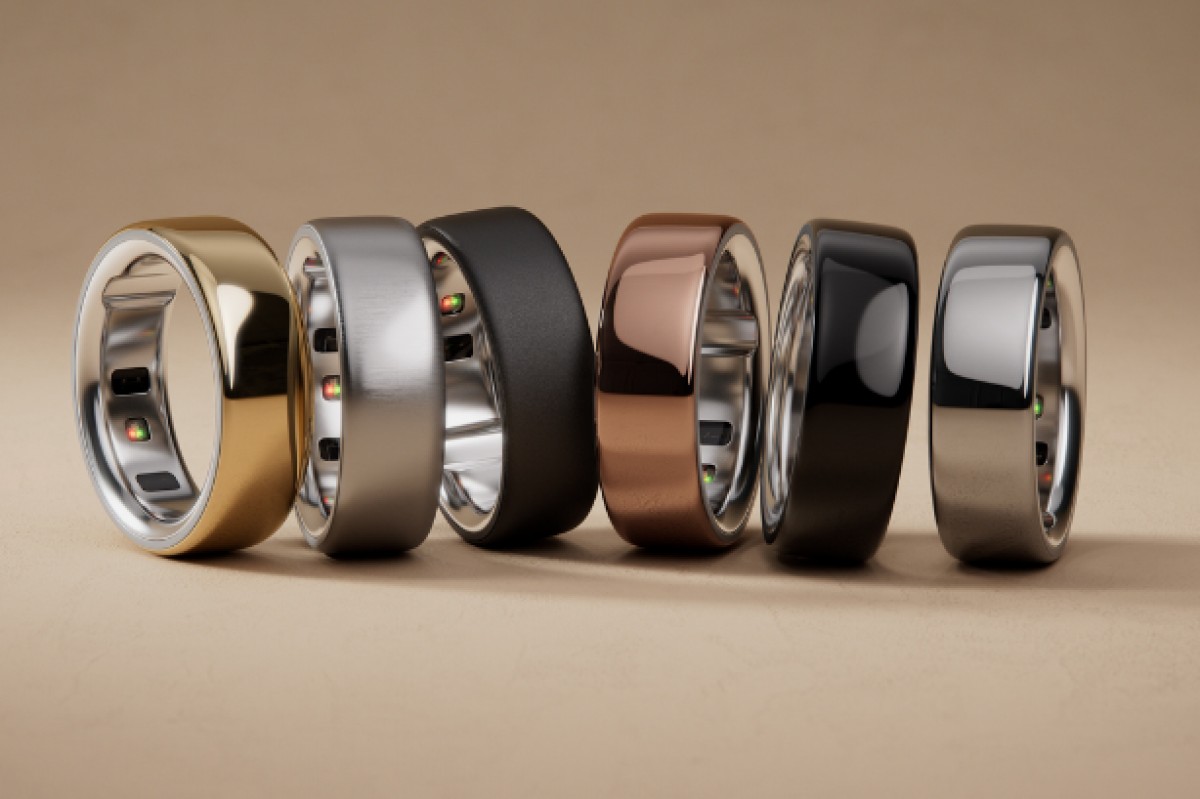
You’re wearing a £300 computer on your wrist that you mostly use to check the time and dismiss notifications, while the best smart rings 2026 have to offer are captivating health-conscious users from around £299. That ring does everything that actually matters, sleep tracking, heart rate monitoring, stress analysis, recovery scores, and does it better, more comfortably, and with a battery that lasts a week instead of a day. Smart rings are not a gimmick. They’re quietly making smartwatches obsolete for everyone who isn’t a fitness fanatic.
Best Smart Rings 2026: Why Rings Track Health Better Than Watches
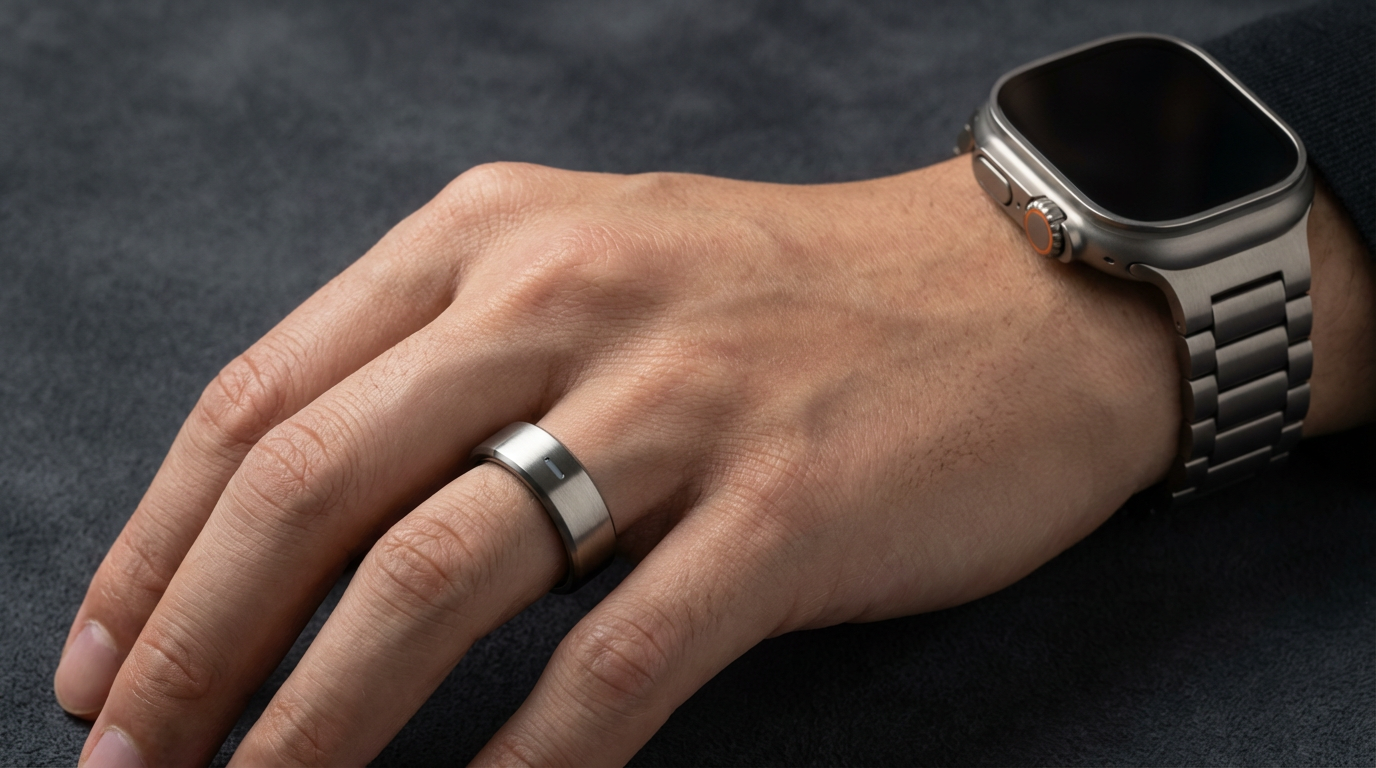
This isn’t opinion, it’s physiology. The underside of your finger has thinner skin and less muscle tissue than your wrist, which means optical heart rate sensors get cleaner, more consistent readings. Multiple clinical studies have found that finger-based PPG (photoplethysmography) sensors produce more accurate heart rate variability data than wrist-based sensors, particularly during sleep when your hand is relaxed and still, as TechRadar’s Oura Ring 4 review details.
Sleep tracking is where the difference is most dramatic. Smart rings don’t have screens that light up, they don’t buzz with notifications at 2 AM, and they weigh 2-4 grams instead of 40-60 grams. You genuinely forget you’re wearing one. If your primary reason for buying a wearable is health insights, and for most people it should be, a ring is the better tool for the job, as Wareable’s 2026 smart rings round-up notes.
The Best Smart Ring Right Now: Oura Ring 4
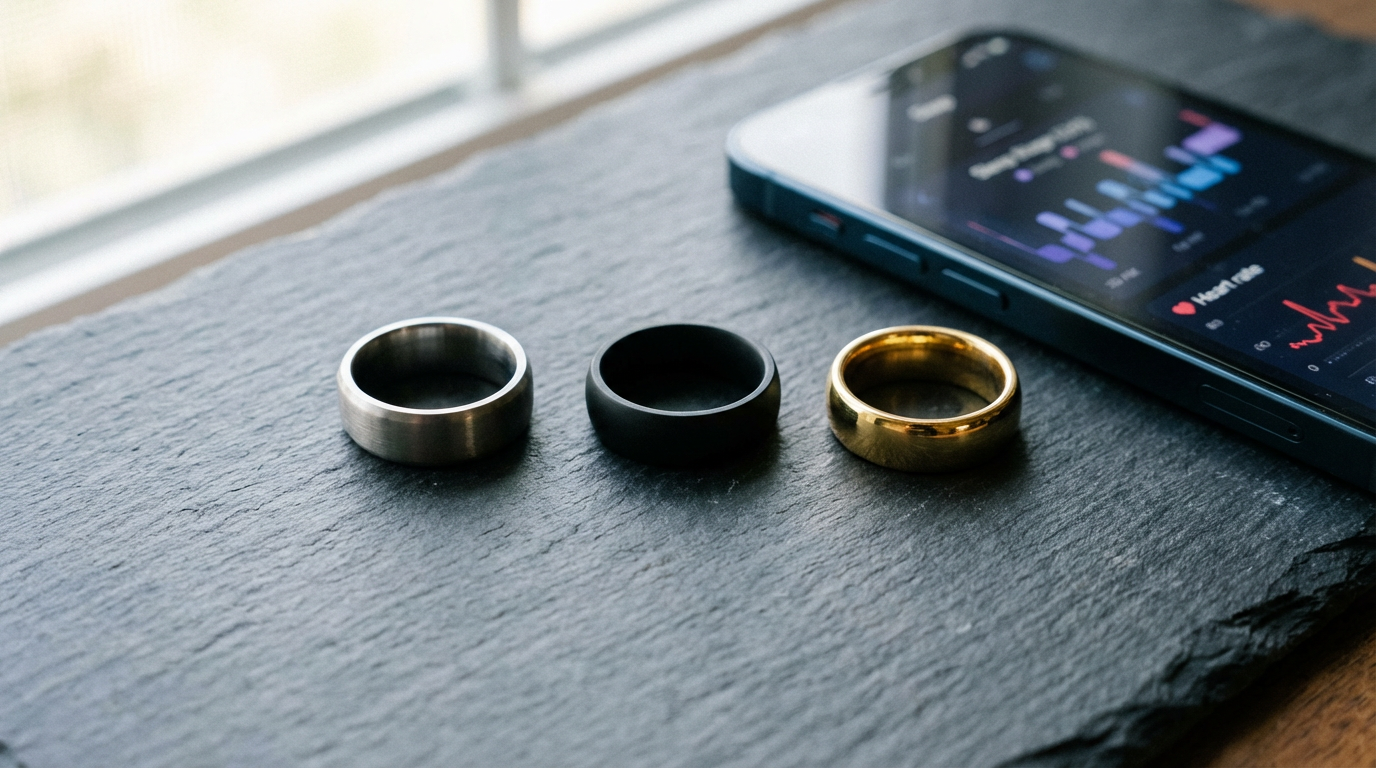
The Oura Ring 4 starts at £349 for silver or black finishes and climbs to £499 for gold or rose gold. The downside? That subscription. It’s £5.99 per month or £69.99 per year on top of the hardware, and without it the ring becomes a very expensive piece of jewellery. Oura argues the subscription funds ongoing research and features. Users argue they already paid £349 for the hardware. Both sides have a point.
The Best No-Subscription Alternative: Samsung Galaxy Ring
If you refuse to pay a monthly fee on principle, and honestly, you’re right to, the Samsung Galaxy Ring is the obvious choice. RRP is £399 but Samsung UK has repeatedly dropped it to £299 in 2026, as SamMobile reports. All features are included in the purchase price, forever. No subscription, no paywalled insights, no upselling.
Samsung’s ring tracks sleep, activity, heart rate, and skin temperature, and feeds everything into Samsung Health alongside data from your phone and any Galaxy Watch you might own. The Energy Score metric is Samsung’s equivalent of Oura’s Readiness Score, and while the insights aren’t quite as deep, they’re perfectly useful for most people.
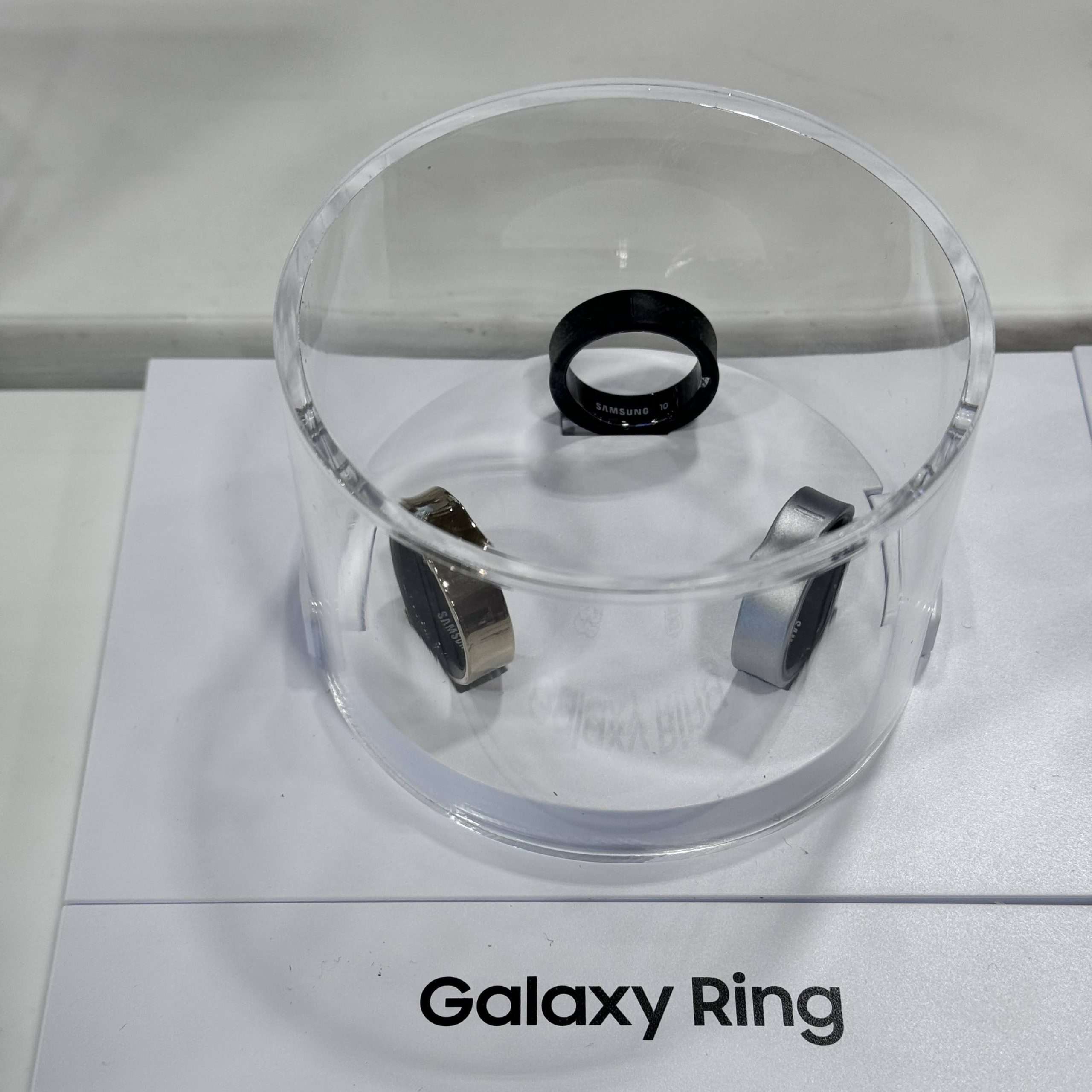
The Galaxy Ring comes in Titanium Black, Titanium Silver and Titanium Gold finishes, lasts about a week between charges, and its Grade 5 titanium build looks like an actual ring rather than a piece of technology, which, for something you wear 24/7, matters more than you’d think.
The Budget Pick: RingConn Gen 2
At £299 with no subscription, the RingConn Gen 2 is the value champion. It’s also one of the thinnest smart rings on the market at just 2mm, which makes it the most comfortable for people who have never worn a ring before. Battery life is an absurd 10-12 days, more than double the Oura, and it comes with a charging case that acts as a power bank.
The trade-off is software. RingConn’s app is functional but uninspiring, it presents data without much interpretation. If you want raw numbers and are happy to draw your own conclusions, it’s excellent. If you want an AI coach telling you to skip the gym today because your recovery is low, stick with Oura.
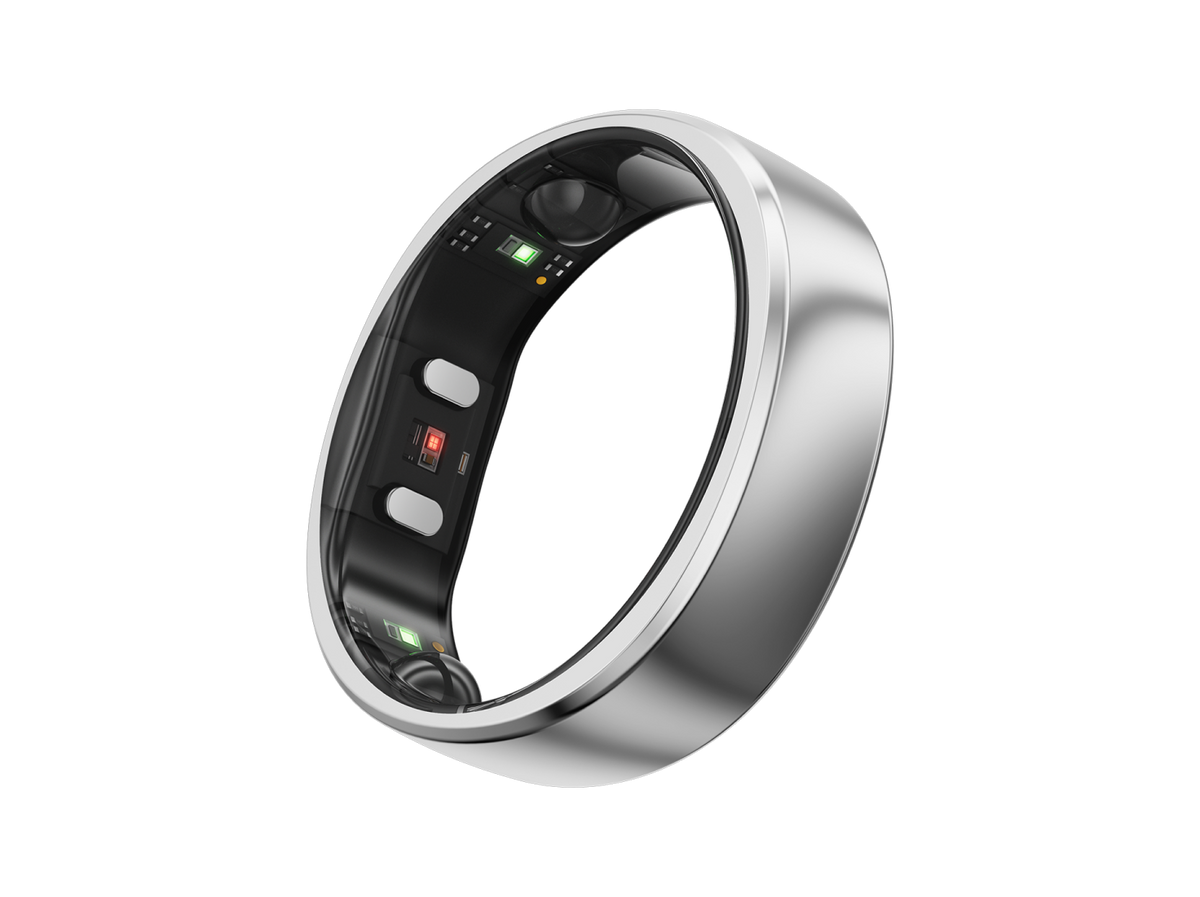
The One to Watch: Circular Ring 2
The Circular Ring 2 is pitched as the first smart ring with a medical-grade ECG sensor and FDA-cleared AFib detection, taking 40-second ECG readings on demand. It starts at £300 (about $379) for matte black and climbs to £435 (about $549) for gold, as Tom’s Guide notes. The ring also includes bioimpedance analysis for body composition estimates, with blood glucose tracking on the product roadmap.
However, the app currently suffers from sync delays and bugs that undermine the hardware’s potential. If Circular can sort out the software, this could become the best smart ring for health-focused users. For now, it’s a promising product that needs a more reliable app. For more, see our reviews.
The Verdict: Stop Overthinking This
If you want the best health data and don’t mind a subscription: Oura Ring 4. If you have a Samsung phone and want zero ongoing costs: Samsung Galaxy Ring. If you want the best value and longest battery life: RingConn Gen 2. For more, see our buying guides.
All three are better at sleep and recovery tracking than any smartwatch. None of them can display your texts, make phone calls, or show you maps, and that’s exactly the point. A smart ring does less, and that’s why it does the important things better. Your wrist deserves a break.
Related reading on MTW
How we pick
Buyer action
Where to buy or check next
Use this as the final check before ordering a phone, changing network or trusting a headline monthly price.





Reader discussion
Leave a comment
Comments are moderated. Keep it useful, accurate, and on topic.