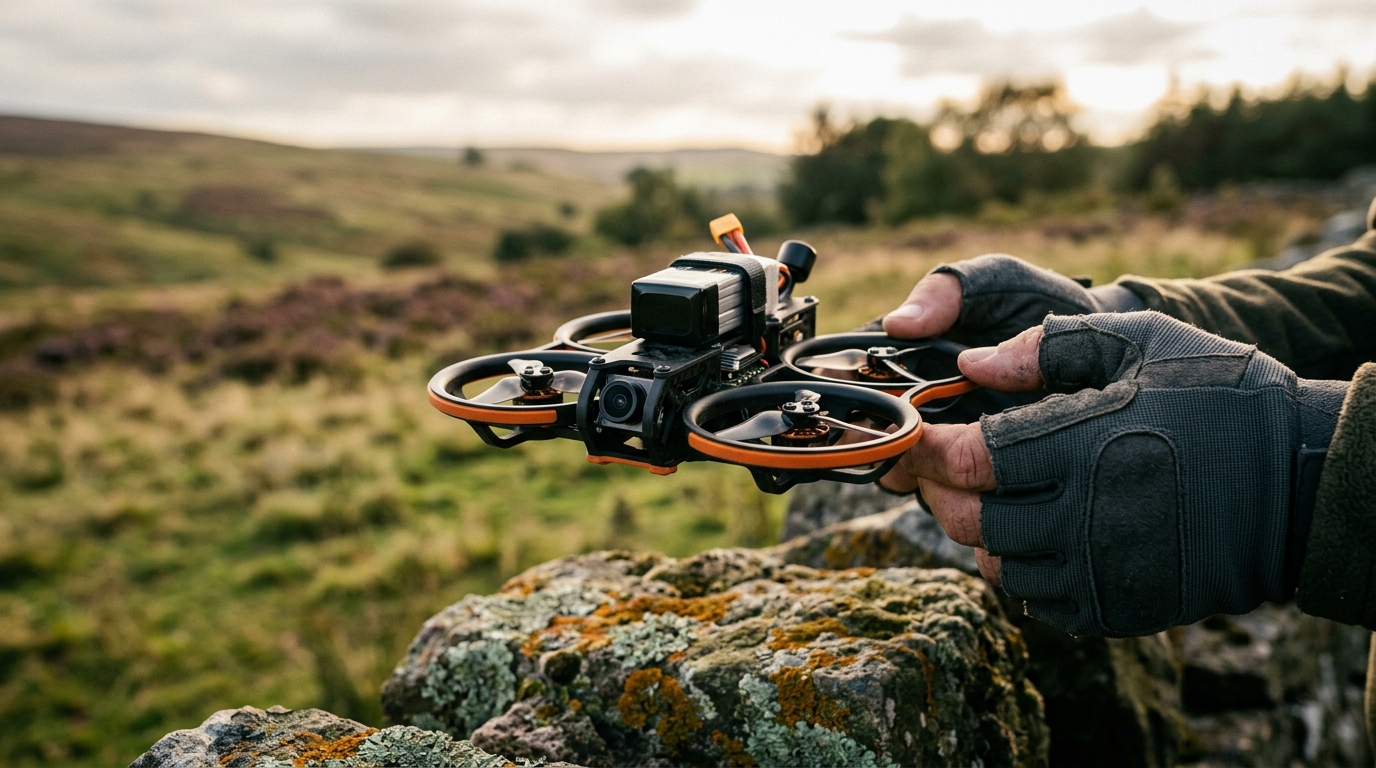
DJI’s FPV drone lineup just got more interesting with the launch of the DJI Avata 360 on 26 March 2026. The Avata 2, already a favourite among cinematic FPV pilots, now shares the stage with the Avata 360, a drone that captures immersive 360-degree footage at up to 8K resolution using dual 1-inch-equivalent sensors. With the Avata 2 Fly More Combo and Avata 360 Fly More Combo both starting at roughly £829 in the UK, the question is not about price alone. It is about whether the 360 workflow justifies the learning curve, or whether the Avata 2 is still the smarter buy for most pilots.
What Happened
- The Core Difference: Standard vs 360 Capture
- Camera and Image Quality
- Flight Characteristics and Safety
- Editing Workflow
- Price Comparison
- Who Should Buy the Avata 2?
- Who Should Buy the Avata 360?
- The Verdict
The Core Difference: Standard vs 360 Capture
The Avata 2 shoots traditional fixed-angle video, a single camera pointing forward, capturing 4K at up to 100fps. What you see through the goggles is what you get in the final footage. This is how most drone videography works, and it is a proven, efficient workflow.
The Avata 360 takes a fundamentally different approach. Its dual-lens system captures a full 360-degree sphere of footage in 8K resolution. In post-production, you “reframe” the footage, choosing the angle, perspective, and framing after the fact. This means you can fly a single path and extract multiple different-looking shots from the same flight, or create impossible camera movements by keyframing the virtual camera in editing software, a meaningful departure from how the Avata 2 captures footage.
Camera and Image Quality
The Avata 2 features a 1/1.3-inch sensor shooting 4K at up to 100fps, with a wide 155-degree field of view in its ultra-wide mode. The image quality is excellent for a drone of this size, punchy colours, good dynamic range, and smooth slow-motion capability. For social media, YouTube, and general-purpose aerial videography, it delivers broadcast-quality results.
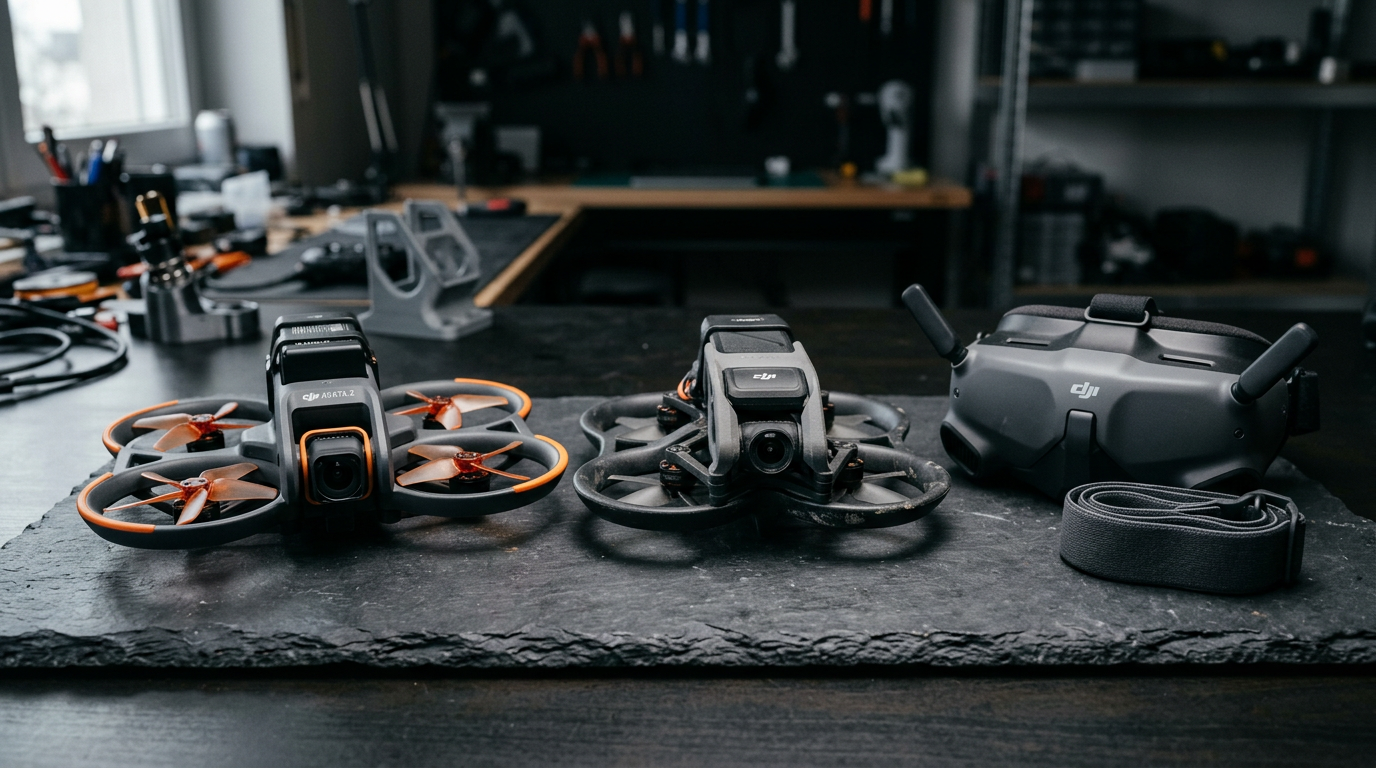
The Avata 360 captures 8K/60fps 360-degree footage across dual 1-inch-equivalent sensors, as DJI confirmed in its Avata 360 launch announcement. It also offers a Single Lens mode that shoots classic Avata-style 4K/60fps when you want conventional footage. Once you reframe a 360 clip to a standard 16:9 aspect ratio, the effective output resolution is closer to 5.3K, which is still excellent but not the dramatic leap that “8K” suggests on paper. The advantage is flexibility: choosing your framing in post means you never miss the shot. Colour science and dynamic range are a step above the smaller-sensor Avata 2, reflecting the jump to 1-inch sensors.
Flight Characteristics and Safety
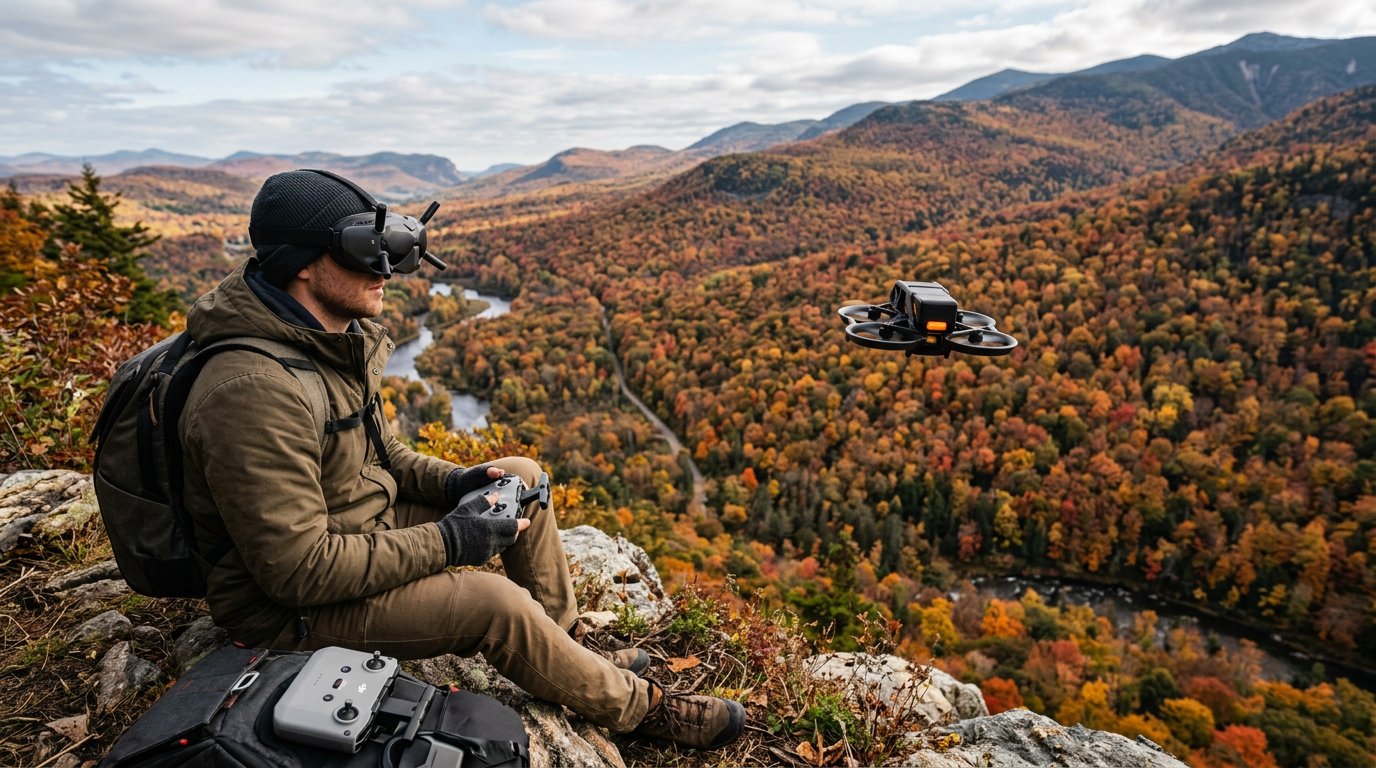
Both drones use DJI’s O4 video transmission system, so range and link reliability are similar in the air. The Avata 2 offers up to 23 minutes of flight time per battery and the Avata 360 matches that figure per DJI’s official spec sheet. The 360 is compatible with DJI Goggles 3 and DJI Goggles N3 and offers a unique viewing experience. You can look around within the 360-degree feed in real-time by turning your head, which makes flying feel like you are inside the footage. It is both exhilarating and occasionally disorienting. You can also use the goggles in standard forward-view mode if you prefer the traditional FPV experience during flight. The Avata 360 also adds omnidirectional obstacle sensing, which the Avata 2 lacks, giving it a safety margin when flying through tighter environments.
Editing Workflow
The Avata 2’s workflow is simple: fly, transfer footage to your phone or computer, trim, colour grade, and export. What you shot is what you work with. Most editing can be done on a phone using DJI’s Fly app or apps like LumaFusion. Our guide to editing drone footage on your phone covers this workflow in detail.
The Avata 360’s workflow is more involved. The 8K 360-degree files are large, expect 500MB to 1GB per minute of footage. You need to import them into DJI’s desktop software or third-party 360 editors like Insta360 Studio to reframe, keyframe virtual camera movements, and export a standard flat video. This process can be time-consuming but allows for creative shots that would be impossible with a fixed camera.
If you are the type who enjoys editing and sees post-production as part of the creative process, the 360 workflow is rewarding. If you want quick turnaround, fly in the morning, post to Instagram by lunchtime, the Avata 2 is the better choice.
Price Comparison
The Avata 2 Fly More Combo (drone, DJI Goggles 3, RC Motion 3, three batteries) retails for around £829 in the UK. The Avata 360 Fly More Combo with DJI RC 2 also comes in at £829, while the standalone Avata 360 drone is £409 and the drone with DJI RC 2 is £639, according to DJI’s UK store. If you already own compatible goggles, the Avata 360 becomes a much smaller step up. If you are buying a first bundle, you are comparing kits rather than drones.
If you already own DJI Goggles 3, you can buy either drone as a standalone unit, which narrows the price gap somewhat. But for new buyers starting from scratch, the Avata 2 combo represents significantly better value. The recent price adjustments on the Avata 2 have made it even more attractive, see our coverage of the Avata 2 price drop and Avata 360 launch.
Who Should Buy the Avata 2?
The Avata 2 is the right choice for most pilots. If you are new to FPV, want a straightforward filming and editing experience, and prioritise value, it delivers excellent results without the complexity of 360-degree workflows. It is also the better option for real estate videography, travel content, and social media, where quick turnaround matters more than post-production flexibility.
Who Should Buy the Avata 360?
The Avata 360 is for experienced pilots and content creators who want maximum creative flexibility and are comfortable with a more involved editing process. If you create cinematic content, work in professional video production, or simply enjoy the creative possibilities of 360-degree capture, the premium is worthwhile. The ability to extract multiple unique shots from a single flight is genuinely powerful.
The Verdict
For beginners and value-conscious pilots, buy the Avata 2. It is a superb FPV drone that delivers outstanding footage with minimal fuss. For creative professionals and experienced pilots who want to push their filmmaking further, the Avata 360 is worth the premium, but only if you are prepared to invest time in learning the 360 editing workflow. For more DJI comparisons, check out our DJI Mini 4 Pro vs DJI Air 4 breakdown.
Final verdict
DJI Avata 2 vs Avata 360 compared — 4K standard vs 8K 360-degree capture, flight performance, editing workflow, price, and which FPV drone suits your needs.
How we compare
Buyer action
Where to buy or check next
Use this as the final check before ordering a phone, changing network or trusting a headline monthly price.

Reader discussion
Leave a comment
Comments are moderated. Keep it useful, accurate, and on topic.