UPDATED · News · 21 May 2026 · Hannah Foster
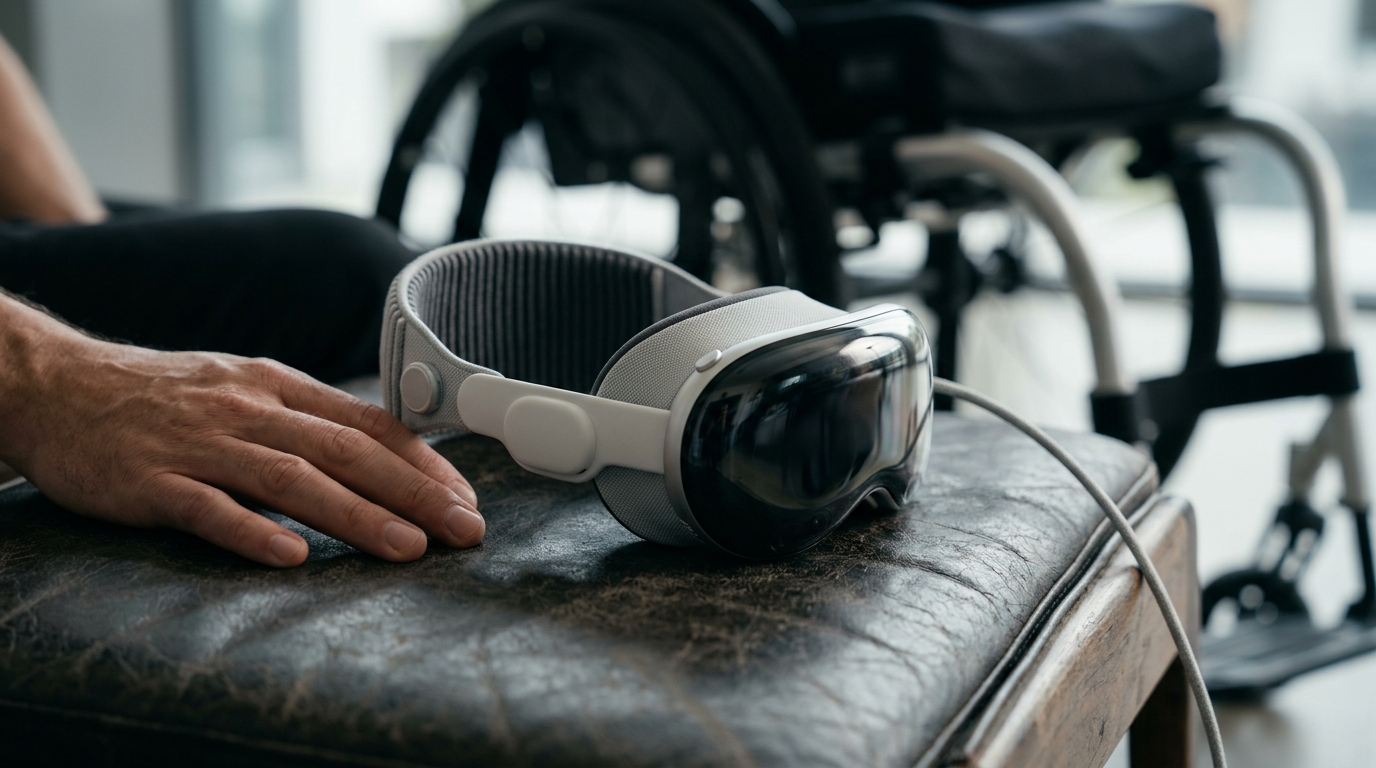
Apple accessibility features are the May 2026 story that finally puts Apple Intelligence to work on the people who need it most. Apple announced a sweeping update on 19 May 2026 that adds AI-powered Magnifier, Voice Control, Accessibility Reader and generated subtitles across iPhone, iPad, Mac, Apple TV and Vision Pro, plus a Vision Pro-only Power Wheelchair Control feature, all rolling out later this year.
- Announced 19 May 2026, ahead of Global Accessibility Awareness Day on Thursday 21 May.
- Power Wheelchair Control on Vision Pro uses eye-tracking with Tolt and LUCI alternative drive systems; US launch first, Bluetooth or wired via the Developer Strap.
- Voice Control on iPhone and iPad is rebuilt with Apple Intelligence so users can describe what they see instead of memorising labels.
- Generated Subtitles are produced on-device for any video, including personal recordings, across iPhone, iPad, Mac, Apple TV and Vision Pro.
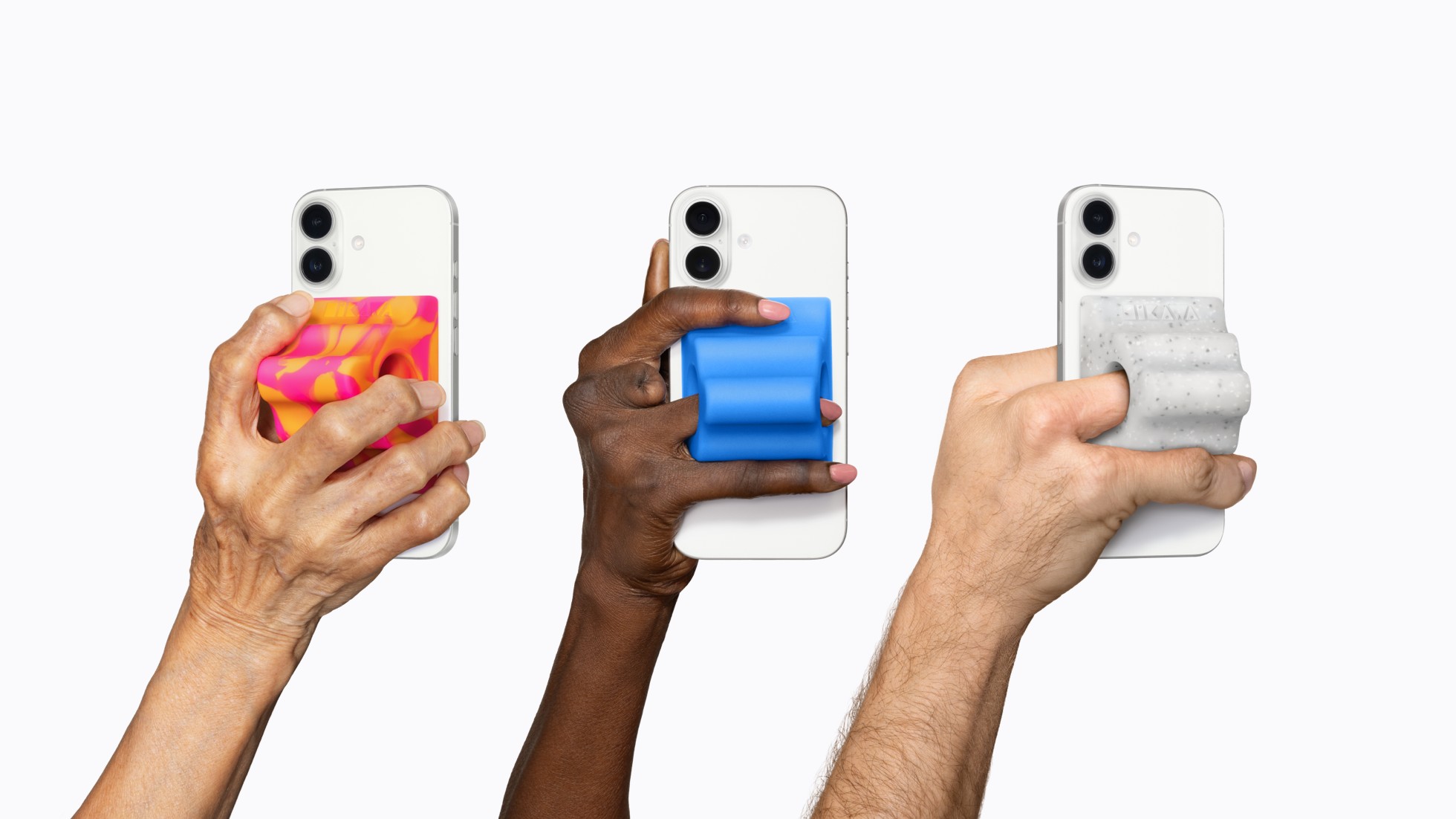
- Hikawa Grip and Stand for iPhone is the only piece of the announcement available immediately; everything else ships later in 2026.
Why these Apple accessibility features matter
Apple’s accessibility timing is deliberate. Global Accessibility Awareness Day falls on Thursday 21 May 2026, and Apple has used the run-up to announce the most aggressive on-device AI push the company has put behind these features to date. Tim Cook’s framing is the giveaway: “Apple’s approach to accessibility is unlike any other. Now, with Apple Intelligence, we are bringing powerful new capabilities into our accessibility features while maintaining our foundational commitment to privacy by design.” The MTW reading is that this is the moment Apple Intelligence stops being a marketing line for general users and becomes a daily tool for people who already rely on VoiceOver, Magnifier and Voice Control to operate their devices.
The headline change is philosophical. Voice Control on iPhone and iPad no longer requires users to memorise the exact label of every on-screen control. With Apple Intelligence behind it, you can describe what you see, and the system will infer the target. That is a small phrase that hides a large engineering jump, and it lands well before Google’s competing Wear OS 7 accessibility upgrades and Pixel 10 Magic Cue expansion that I/O 2026 paraded last week. Anyone tracking the competitive context can read our Google I/O 2026 take alongside this story.
Magnifier, VoiceOver and Accessibility Reader, retuned by Apple Intelligence
VoiceOver is getting an Image Explorer mode that produces detailed descriptions of photos, charts, and on-screen content, and a VoiceOver Live Recognition mode on iPhone that lets users ask the system questions about what is in front of the camera. Magnifier picks up Apple Intelligence-driven visual descriptions of the scene in front of the camera, with Action button integration for triggering them on iPhone. Apple is treating Magnifier as more than a zoom tool now; it is becoming a conversational visual assistant, and the on-device model means none of that camera content leaves the device.
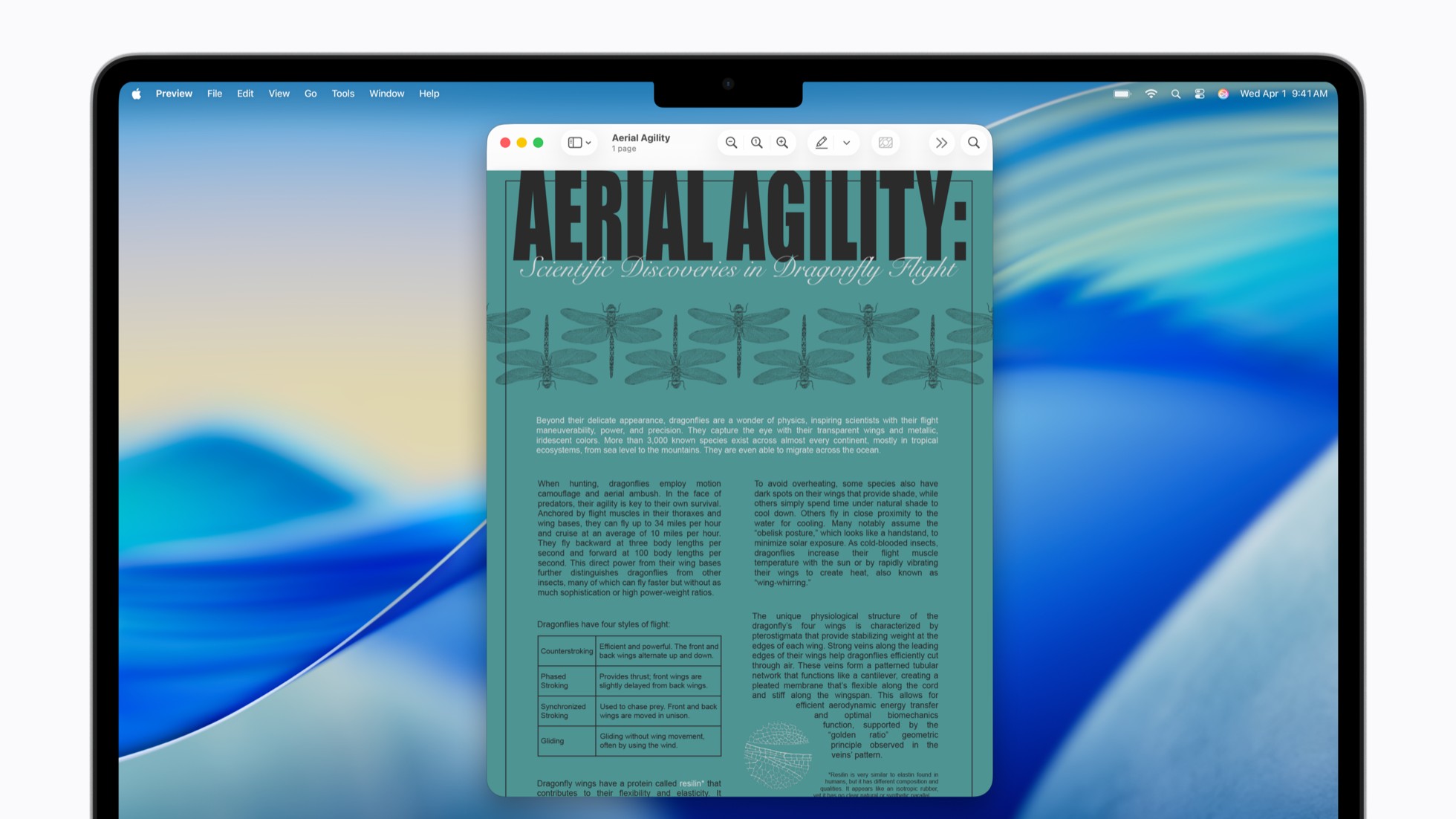
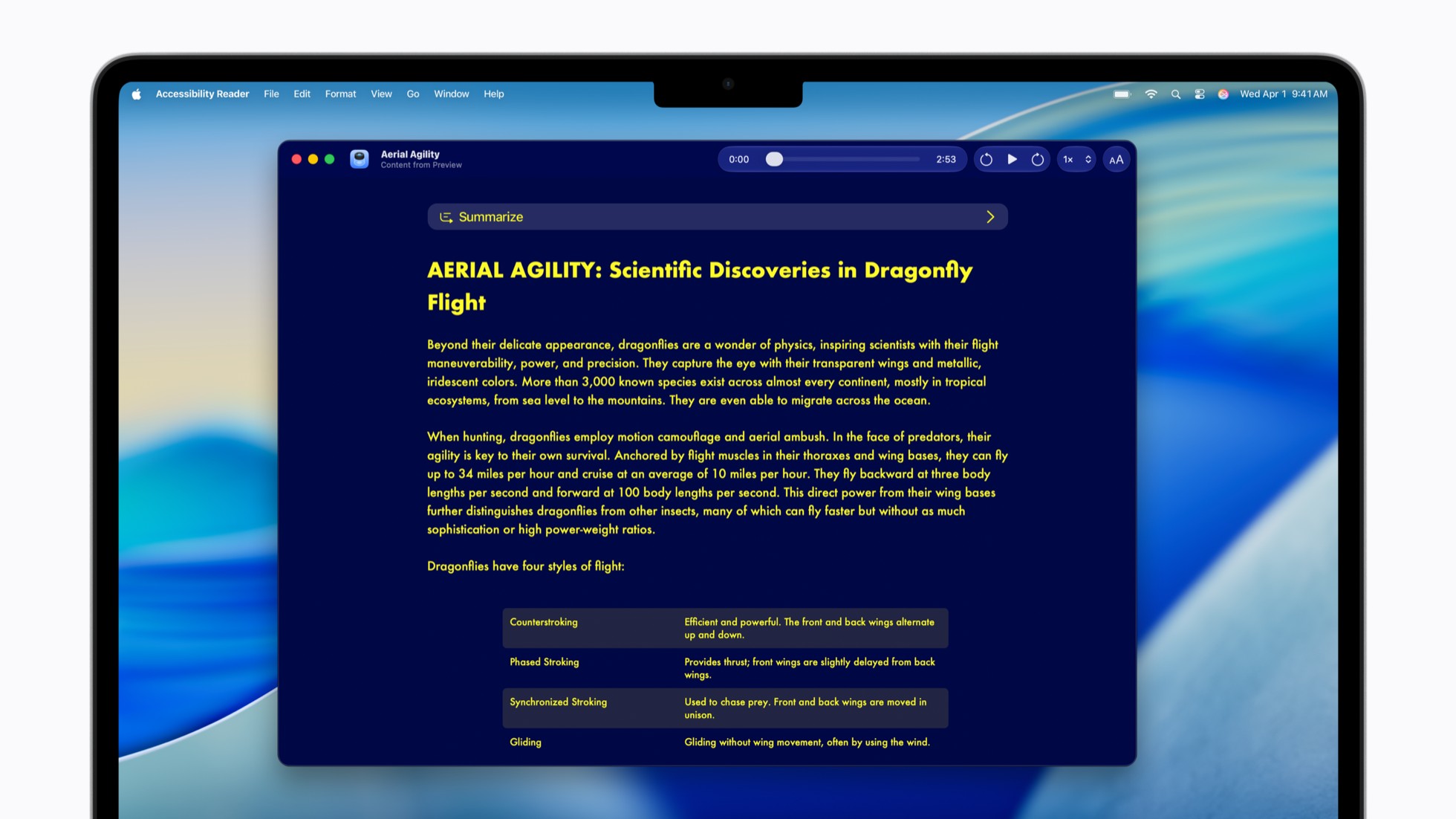
Accessibility Reader is the bigger surprise. It rebuilds dense documents – scientific papers, multi-column layouts, table-heavy PDFs – into a clean linear reading experience with on-demand summaries and built-in translation. The before-and-after Apple shipped to press shows a research PDF turned into the kind of stripped-back layout that Pocket and Reader View tried to popularise a decade ago, only now it actually parses tables and equations. For dyslexic users and anyone navigating long-form research, the Mac implementation looks like the most useful single feature of the lot.
Power Wheelchair Control turns Vision Pro into an assistive controller
The Vision Pro feature is the headline that will travel furthest. Apple is adding eye-controlled wheelchair operation that pairs the headset’s gaze tracking with alternative drive systems from LUCI and Tolt. Users with limited mobility can drive a compatible power wheelchair by looking where they want to go, with input either passed wirelessly over Bluetooth or through a wired link via Apple’s Developer Strap.
This launches in the US first, with Tolt and LUCI as the named hardware partners. The technical achievement is real, but the commercial story is narrower than the headline suggests. A Vision Pro plus a Tolt or LUCI-equipped chair is a five-figure setup before the cost of the chair itself, and Apple has not detailed UK regulatory plans. The MTW reading is that this is the proof of concept; the longer-term play is the same eye-tracking pipeline crossing into more accessible Apple hardware once the iPhone gains the visionOS-style gaze stack everyone expects.
Hearing aids, Sony controllers and generated subtitles
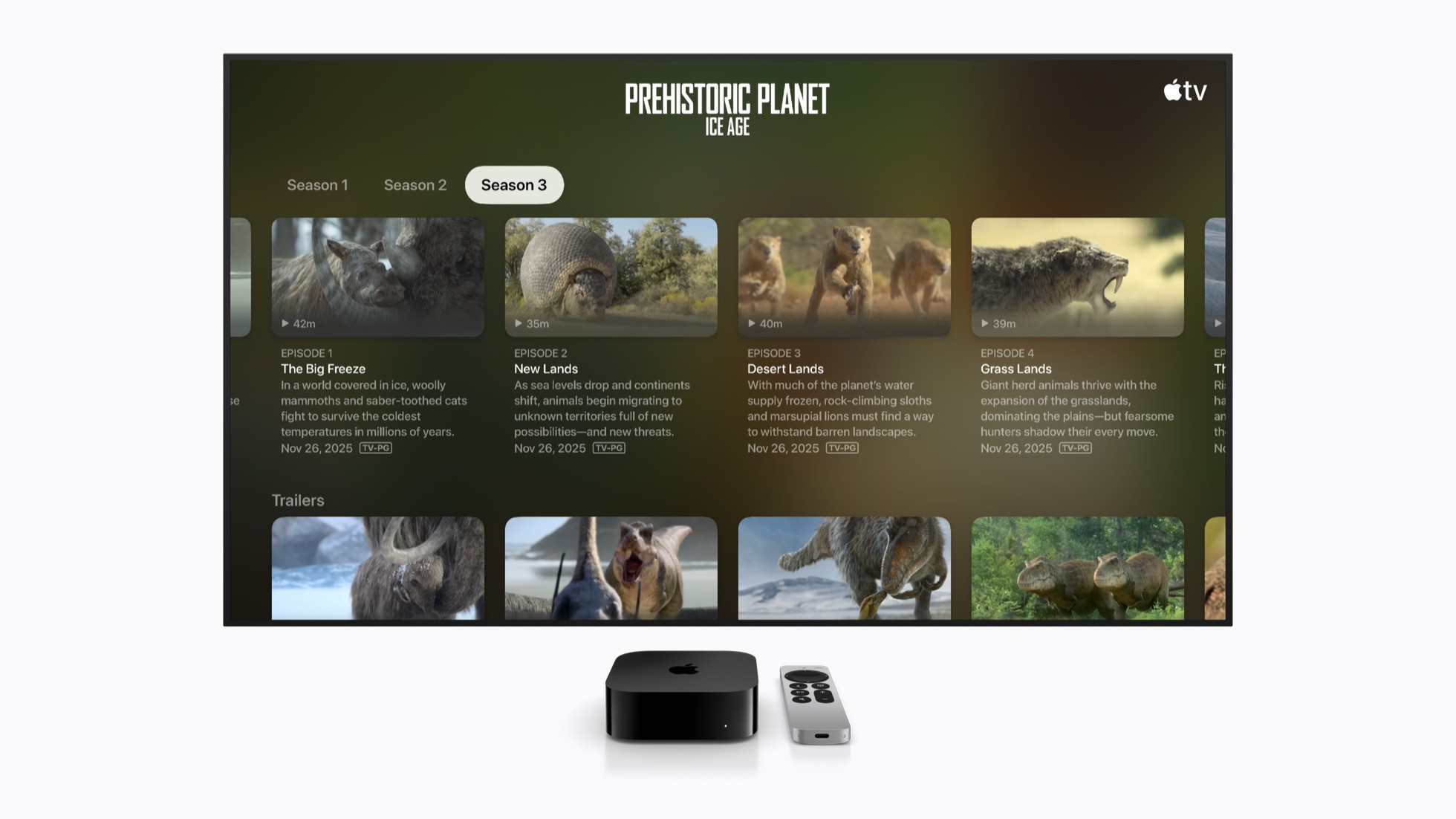
The supporting features make the rest of the story. Generated Subtitles arrives across iPhone, iPad, Mac, Apple TV and Vision Pro and, critically, runs on-device for any video the user is playing, not just streaming content. Made for iPhone Hearing Aids get a smoother pairing and handoff flow between devices, which has been a chronic complaint with the existing hearing aid stack and matters more now that AirPods are increasingly used as hearing assistants – more on that in our AirPods Pro 3 vs AirPods 4 UK comparison.
FaceTime gets a Sign Language Interpreter API so platforms can route human interpreters into a call. Name Recognition flags deaf and hard-of-hearing users when their name is spoken aloud, and ships in 50+ languages. Sony’s Access Controller is now first-class on iOS, iPadOS and macOS for adaptive gaming. tvOS adds Larger Text, which closes a long-standing gap with iOS’s Dynamic Type settings.
| Feature | Platforms | MTW read |
|---|---|---|
| Magnifier with Live Recognition | iPhone, iPad | Most useful daily upgrade for low-vision users |
| Accessibility Reader | Mac, iPad (per Apple’s release imagery) | The sleeper hit of the release |
| Voice Control (natural language) | iPhone, iPad | Biggest engineering jump, biggest behaviour change |
| Generated Subtitles | iPhone, iPad, Mac, Apple TV, Vision Pro | Killer feature for personal video |
| Power Wheelchair Control | Vision Pro (US first) | Headline that will travel furthest, narrowest install base |
| FaceTime Sign Language API | FaceTime | Real platform shift if telehealth picks it up |
What UK buyers should watch with the new Apple accessibility features
Apple confirmed that Voice Control powered by Apple Intelligence will be available in English in the UK at launch. The exact iOS, iPadOS, macOS, tvOS and visionOS version numbers will come at WWDC 2026, but the announcement signals these features will ride the autumn 26.x releases rather than waiting for a 27.x cycle. Anyone on the current Macs – the M5 generation we covered in our MacBook Air M5 vs MacBook Pro M5 UK guide – is already on the right side of the hardware floor for the Apple Intelligence features in this batch.
The Power Wheelchair Control limit is the harder one. UK availability for Tolt and LUCI partners is unclear, and Vision Pro adoption in Britain is still tiny. Sarah Herrlinger, Apple’s senior director of Global Accessibility Policy and Initiatives, said: “The accessibility features our users rely on every day become even more powerful with Apple Intelligence. With these updates, we’re bringing new, intuitive options for input, exploration, and personalization — designed to protect users’ privacy at every step.” That is fair, but UK users should expect the Vision Pro elements to lag the iPhone, iPad and Mac rollouts by several months. The first wave of practical impact on this side of the Atlantic will come from Accessibility Reader, Voice Control and Generated Subtitles – and those alone make this the most consequential accessibility release Apple has shipped since the AssistiveTouch redesign.
MTW verdict
The 2026 Apple accessibility features are the strongest single accessibility release Apple has put out in years and the first that uses Apple Intelligence as the engine rather than as a marketing line. Accessibility Reader, natural-language Voice Control and on-device Generated Subtitles are the three features that will change daily use for British users this autumn. Power Wheelchair Control is the headline; Accessibility Reader is the win.
Buyer action
Where to buy or check next
Use this as the final check before ordering a phone, changing network or trusting a headline monthly price.








Reader discussion
1 comment
Comments are moderated. Keep it useful, accurate, and on topic.
Apple is by far the best!